Checking the Causes of Bipolar Disorder Symptoms
Treatment and Prevention Methods
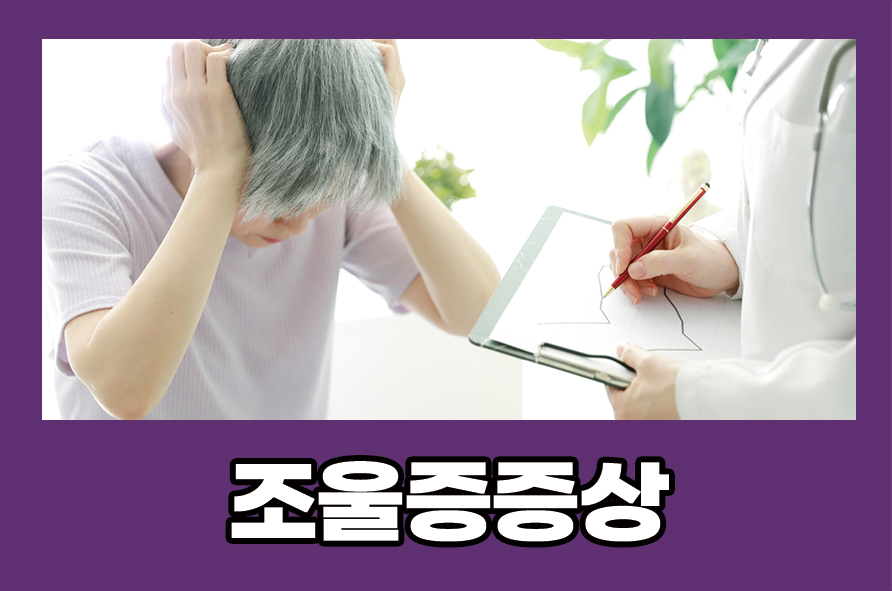
We live every day while being influenced by relationships, stress, and various surrounding environments, so our mood can change easily for a variety of reasons.
However, if severe mood swings continue abnormally and interfere with daily life, bipolar disorder may be suspected.
Today, let’s look at what factors can affect bipolar disorder, the symptoms of bipolar disorder, and ways to treat and improve those symptoms.

If you are an office worker, you are likely to be exposed to emotional stress due to work or relationships, which can cause severe mood swings depending on the situation.
This can lead to bipolar disorder. Bipolar disorder, also called bipolar affective disorder, refers to a condition in which manic and depressive states alternate.
At this time, a manic state means feeling elevated and full of confidence, while depression means a state in which the mind feels down.

As for the causes of bipolar disorder, nothing has been clearly identified, but it is known to occur through the combined effect of various factors.
Rather than being caused by a single factor, it develops as several elements work together, and psychological and social stress can influence the onset of bipolar disorder symptoms.
In addition, an imbalance in serotonin, dopamine, and norepinephrine, substances involved in mood regulation in the brain, is considered a cause of the symptoms.

Bipolar disorder symptoms can be divided into manic and depressive phases. During the manic phase, a state of elevated mood or excessive activity lasts for more than one day.
In addition, symptoms such as excessive confidence, increased talking and behavior, and becoming overly optimistic may appear during the manic phase.
During the depressive phase, feelings of depression can become severe due to a lethargic life, and lack of motivation or appetite and persistent insomnia may also occur.

The persistence of such abnormal moods is called an episode, and cases involving manic episodes are classified as type 1 bipolar disorder, while cases involving hypomanic episodes are classified as type 2 bipolar disorder.
Bipolar disorder tends to recur frequently and become chronic, and if it worsens, difficulties in impulse control can arise and interfere with daily life.
Therefore, if you have symptoms that suggest bipolar disorder, it is important to get diagnosed and alleviate and improve the symptoms through appropriate treatment.

To treat bipolar disorder, medication such as mood stabilizers, along with psychotherapy such as cognitive behavioral therapy and family therapy, may be used.
To improve bipolar disorder, it is also important to establish a healthy routine. It is good to get enough sleep and maintain a regular daily rhythm.
Today, we looked at the causes of bipolar disorder, its symptoms, and ways to treat and improve the symptoms. Please use the information above to take care of your health.