Causes and
Treatment and Prevention of Pulmonary Tuberculosis Symptoms
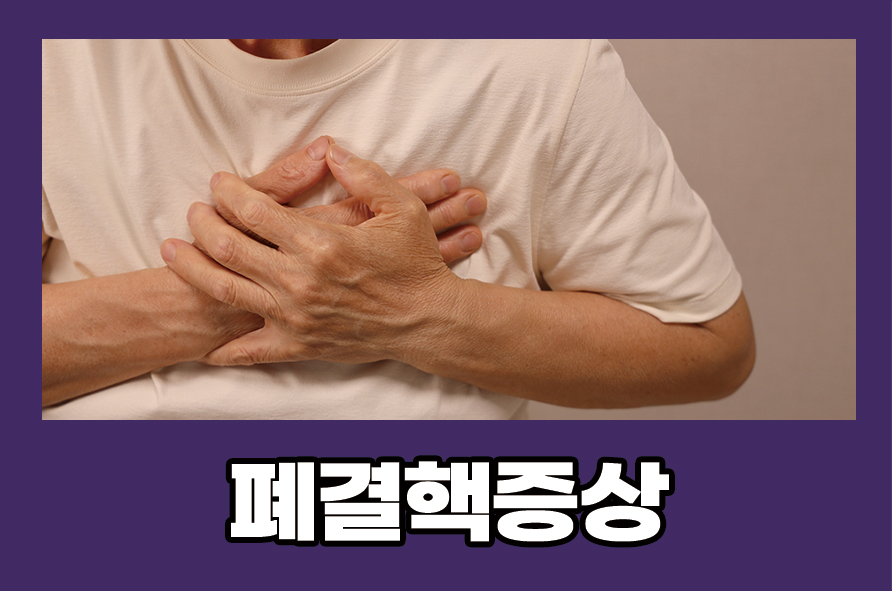
If you have a severe cough, you may want to suspect pulmonary tuberculosis.
When tuberculosis bacteria invade the lungs, pulmonary tuberculosis occurs.
Because it is a respiratory infectious disease, if you live without wearing a mask,
you can become infected easily, and you can even be infected just by
having a conversation with an infected person, so caution is needed.
Today, we will look at what causes pulmonary tuberculosis, as well as
its symptoms, and how the symptoms can be treated and prevented.

Tuberculosis is a disease caused by the invasion of tuberculosis bacteria,
and it is an infectious disease transmitted through respiratory secretions.
It often develops among family members who are in contact with a patient.
Anyone can get tuberculosis, but not everyone who is exposed to tuberculosis bacteria
will develop the disease. If the body's resistance weakens after the bacteria invade,
the likelihood of developing it increases.
In the case of tuberculosis, it can cause disease in most tissues or organs
in the body, including the lungs, kidneys, and bones, and among these,
pulmonary tuberculosis accounts for the majority.

The cause of pulmonary tuberculosis is mainly transmitted from person to person
through the air. When a tuberculosis patient speaks or coughs, secretions can
float in the air and spread infection.
In the case of primary tuberculosis, it occurs immediately after infection with
tuberculosis bacteria, while secondary tuberculosis usually occurs after the bacteria
have remained latent and the body's resistance has weakened.
Symptoms of pulmonary tuberculosis can appear in various ways, including cough
and sputum, and a chronic cough may persist for two to three weeks or longer.
Another typical symptom of pulmonary tuberculosis is phlegm. When you have tuberculosis,
phlegm accumulates, and hemoptysis, where blood is mixed in the cough, can occur.
In addition to respiratory symptoms, getting tuberculosis can also cause various
symptoms such as runny nose, shortness of breath, fatigue, general weakness,
and weight loss, leading to discomfort.
However, because symptoms such as cough and sputum can also occur due to other
respiratory diseases, there is also the problem that it can be difficult to detect
the disease because they may be treated as smoking-related or other lung disease symptoms.

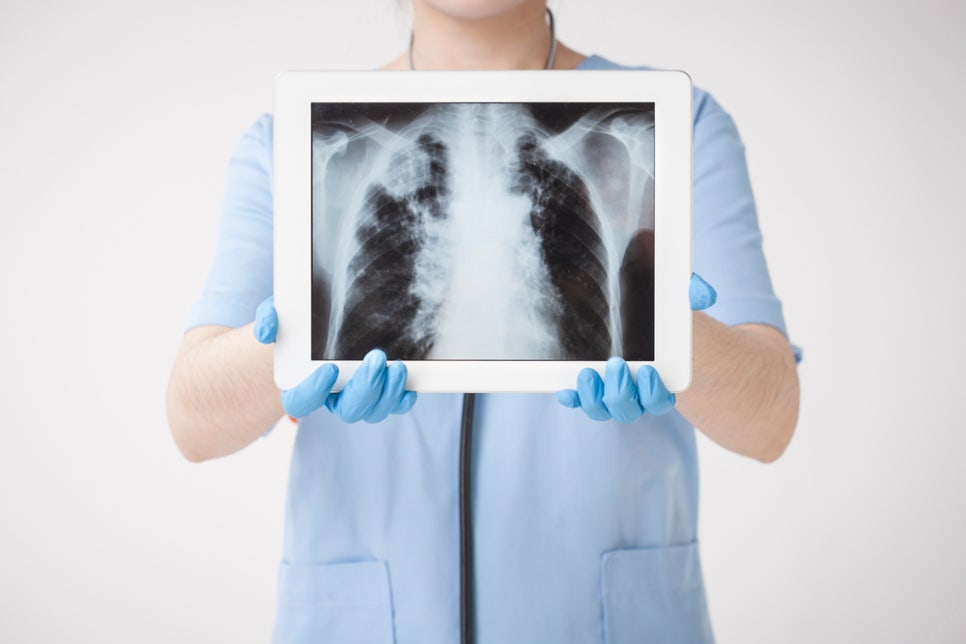
To test for tuberculosis, diagnosis is made by detecting tuberculosis bacteria in sputum
through a chest X-ray, sputum smear test, and sputum culture test.
To treat tuberculosis, treatment is broadly divided into medication therapy and surgical
treatment, and in the case of medication therapy, anti-tuberculosis drugs are used.
To improve tuberculosis symptoms, the prescription of the medication must be appropriate,
it must be taken regularly, the dosage must be sufficient, and it must be administered
for a certain period of time.

In the case of pulmonary tuberculosis, because the likelihood of developing it through contact
with a carrier is high, special care should be taken to avoid contact with patients in order to prevent symptoms.
It is also important to maintain cleanliness in daily life. Washing your hands frequently
is important, and when coughing in public places, it is best to cover your mouth,
and you should maintain your health through exercise, among other things.
Today, we looked at the causes of pulmonary tuberculosis, what kinds of symptoms
it has, and how to treat and prevent the symptoms. Please refer to the information above.