What Are the Causes of Malnutrition Symptoms, and How Can They Be Improved
and Prevented?
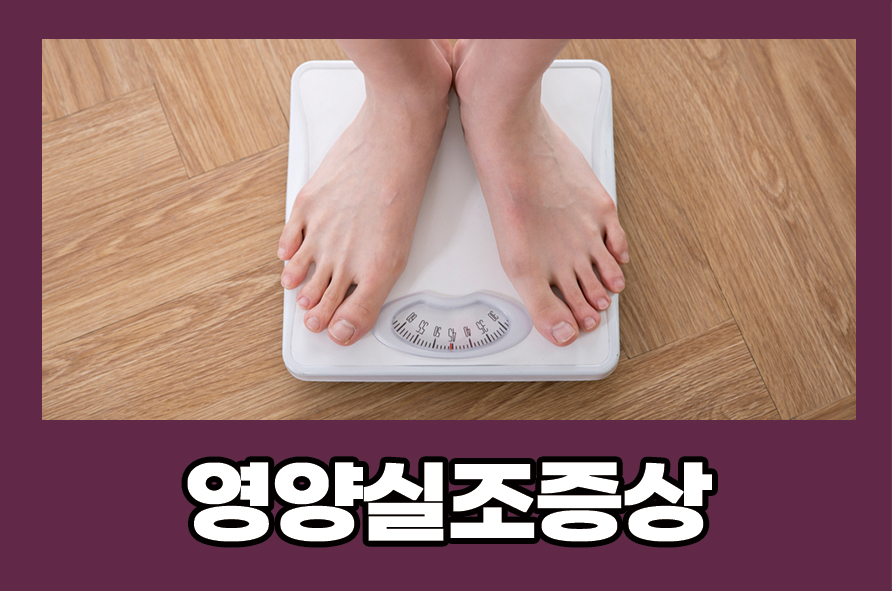
Malnutrition refers to an abnormal condition of the body that occurs when there is a lack of nutrients in the body. Recently, the term “nutritional deficiency” is used more often instead of malnutrition.
When people hear malnutrition, they often think it mainly occurs in countries where food supply is not smooth due to famine or war, but nutritional deficiency symptoms can also appear because of westernized eating habits and extreme dieting.
Today, let’s look at what causes malnutrition, as well as malnutrition symptoms, and methods for improving and preventing them.

Malnutrition can be broadly divided into primary malnutrition and secondary malnutrition. Primary malnutrition refers to cases that occur when enough nutrients are not obtained through meals.
In simple terms, it is an imbalanced condition that occurs when more energy is consumed than is taken in over a long period of time, and it mainly occurs in countries where food supply is not smooth due to famine or war.
In the case of secondary malnutrition, appropriate nutrients have been supplied, but nutritional deficiency occurs because the body cannot properly absorb nutrients due to acute or chronic illness.

Secondary malnutrition is often seen in cancer patients, and the severe loss of appetite that comes with cancer treatment can lead to these symptoms.
The chronic diseases and factors that can cause malnutrition are varied, and congestive heart failure, depression, kidney disease, and liver disease can all be contributing factors.
In addition, chronic infections such as AIDS, intestinal parasites, chronic lung disease, oral diseases such as tooth loss, and difficulty eating due to cognitive decline can also cause malnutrition symptoms.
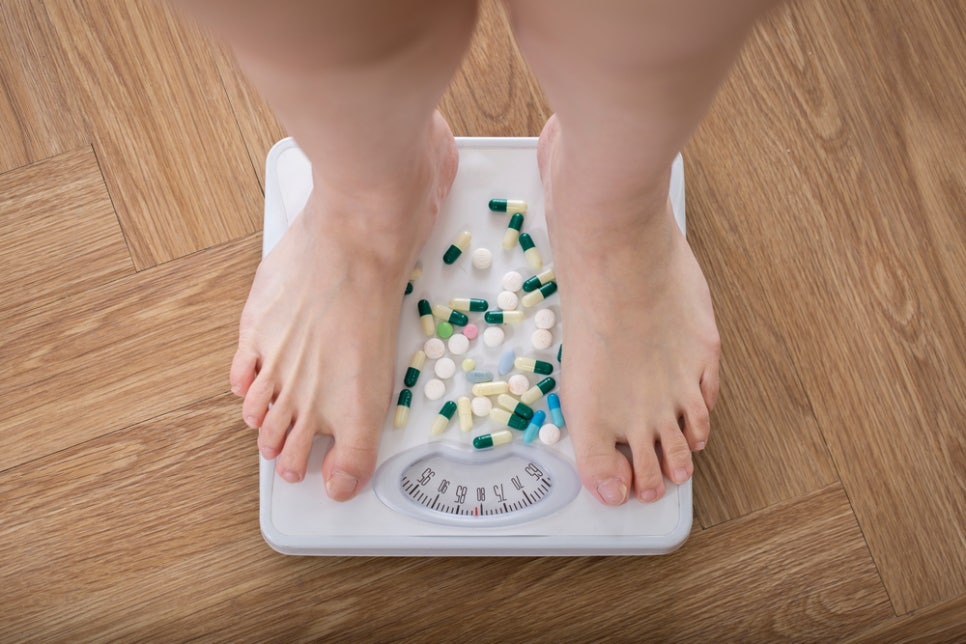
Not only that, but many people are now on extreme diets, and if an eating disorder such as anorexia occurs due to severe dieting, problems such as malnutrition can accompany it.
The suspected symptoms of malnutrition are varied. Menstrual periods may stop due to a decline in female sex hormones, and the skin may become dry and thin, with extreme fatigue.
In addition, weakened immunity can lead to infectious diseases, hair becomes thinner and falls out more easily, and symptoms such as unintended weight loss appear.
With malnutrition symptoms, muscle wasting in the arms and legs can occur along with weight loss, and the entire body, including the skin, hair, and nails, can be affected.
When protein is lacking, muscle mass in the arms and legs decreases and swelling appears in the hands and feet. When vitamins are deficient, symptoms such as hair loss and reduced vision may occur.
In this way, various symptoms can be experienced due to malnutrition, and if not treated early, it can lead to serious symptoms, so appropriate treatment is necessary.

If the symptoms are not very severe, they can be treated and improved through a balanced diet. Nutrients should be consumed evenly, and the calories that need to be taken in per day should be followed.
Also, alcohol can lower appetite and interfere with nutrient absorption, so avoiding it can help improve and prevent symptoms.
Today, we looked at the causes of malnutrition, what malnutrition symptoms there are, and how to improve and prevent them. I hope the information above was helpful.