Causes and Symptoms of Agoraphobia
Treatment and Improvement Methods

There are cases where anxiety suddenly comes on in specific situations, such as when you are getting attention from other people or are in a place with a lot of people.
If these symptoms appear, you may want to suspect an anxiety disorder. If the symptoms recur, they can interfere with daily life, so it is important to clearly understand the symptoms.
Today, let’s take a look one by one at the causes and symptoms of agoraphobia, as well as ways to treat and improve the symptoms.
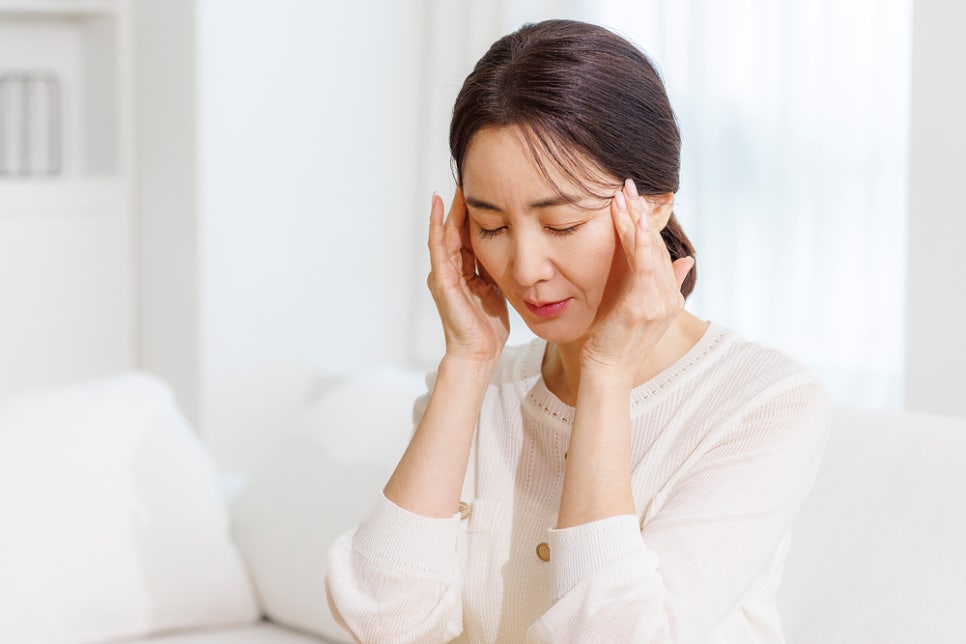
Agoraphobia is a type of anxiety disorder in which a person feels fear of being in open spaces or public places, especially being alone in situations where they cannot escape quickly.
Many patients with this symptom also have panic disorder, and they tend to avoid similar places out of fear of places where they once felt anxious.
They may feel excessive anxiety in various places and situations, such as public transportation, large open squares, confined spaces, or being alone outside the home.

The exact cause of this phobia is not known, but temperament-related factors and environmental factors are known to act as risk factors.
Behavioral inhibition, negative emotion, and anxiety sensitivity are closely related to the symptoms, and it is also associated with phobic disorders and panic disorder.
In addition, loss or separation from parents in childhood, as well as stressful events, can also act as risk factors that trigger this phobia.

The symptoms of agoraphobia can appear in various ways, and people feel anxiety about situations in which they think it would be difficult to get help even if they were in trouble.
They also tend to avoid crowded streets, enclosed spaces such as elevators, and public transportation such as subways and buses.
In unavoidable cases, they may go out accompanied by someone, but in severe cases, they may not go out at all or may develop a fear of being alone.

When exposed to feared situations, physical symptoms such as increased heart rate, shortness of breath, cold sweats, and trembling hands and feet may also occur.
In many cases, this symptom rarely improves on its own. If left untreated, it can become chronic or be accompanied by other conditions such as depression, so treatment is important.
To treat the symptoms, behavioral therapy, medication, and counseling are used, and among behavioral therapy techniques, exposure therapy is carried out.
It is not necessary to continue medication consistently, but sedatives may be taken before exposure as a means of relieving symptoms.
To improve symptoms, it is helpful to manage stress through rest or hobbies in daily life and to control anxiety symptoms through relaxation techniques.
Today, we looked at the causes and symptoms of agoraphobia, as well as methods to treat and improve the symptoms. Please refer to this information.