Compartment Syndrome: Causes and
Symptoms, Treatment, and Prevention
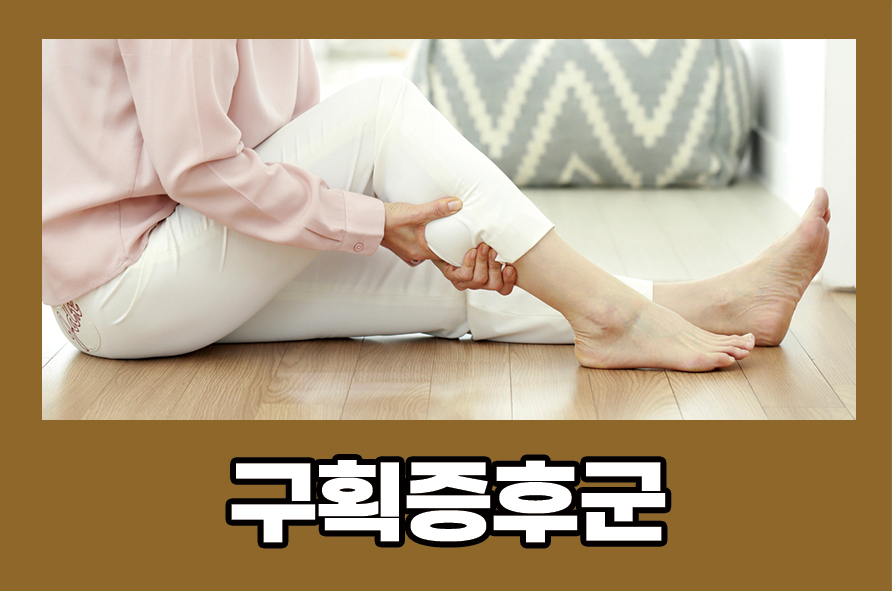
If your arm or leg suddenly swells or develops numbness,
and moving it causes pain severe enough to make you scream,
you may want to suspect a certain condition.
If you have these symptoms, it could be compartment syndrome,
and you may have heard of it at least once because a certain
actor who took part in various activities was reported to have
experienced this condition.
Today, let’s take a step-by-step look at what this condition is,
the causes of its symptoms, the accompanying symptoms, and
how to treat and prevent them.
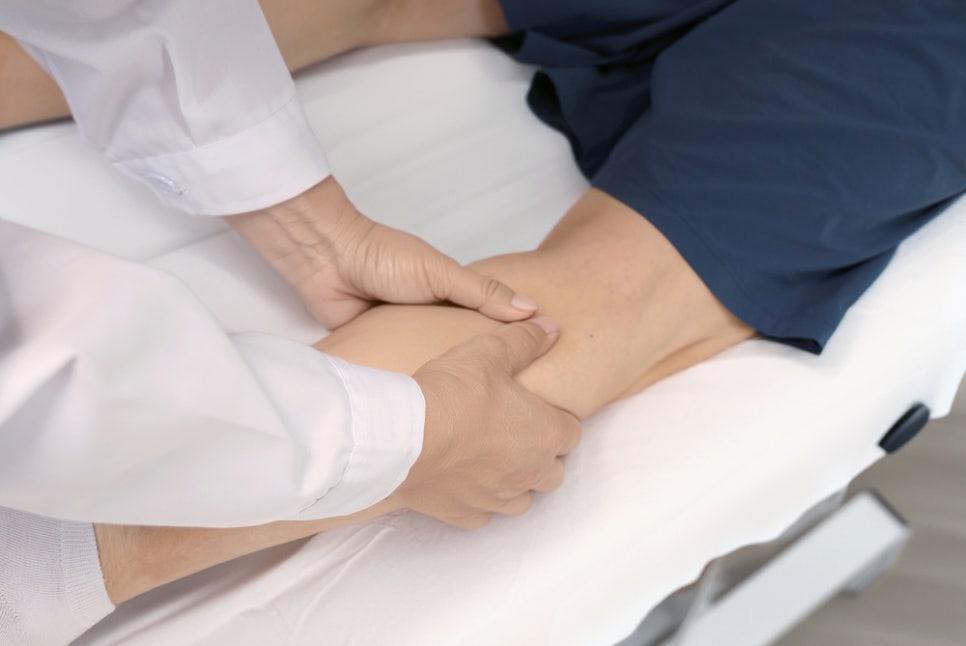
Inside our arms and legs, there are several sections called
compartments, where groups of muscles exist. Within these
compartments, the muscles perform their function by repeatedly
contracting and relaxing.
Compartment syndrome is a condition in which pressure is
applied to the blood vessels and nerves in the arm and leg
muscles, causing various symptoms. Symptoms can arise from
many different causes.
This condition can be divided into acute and chronic forms.
In the acute form, symptoms mainly occur due to trauma.

There are several compartments inside the arms and legs of
our body, and symptoms can occur when pressure increases in
these areas due to severe fractures, bruises, burns, and so on.
There are many causes, but it is commonly caused by fractures,
and it can also occur when the body is excessively constricted,
such as by wearing a cast or compression stockings.
When pressure inside a compartment increases, it compresses
the arteries. If this is left untreated, muscle and nerve tissue
can be replaced by fibrous tissue and lose their function, so it
is important to receive prompt treatment.

Symptoms of compartment syndrome can include swelling and
pain in areas with clearly defined compartments, such as the
arms and legs.
In addition, the pain may worsen, abnormal sensations may
appear in the affected area, or paralysis may occur, and the area
may become hard or swollen.
It may also feel as though fluid is present, and as blood flow
decreases, the pulse may weaken or the surrounding tissue may
turn bluish due to ischemia.

In some cases, this condition may only cause partial muscle
damage, but if treatment is not received in time, the muscles
inside the compartment may become necrotic.
Therefore, if you have symptoms that make you suspect this
condition, you should be diagnosed through a test that measures
the pressure within the muscle compartment and continue with
appropriate treatment.
To treat this condition, anti-inflammatory drugs and pain relievers
can be used, and in some cases, a fasciotomy may be performed.

Also, to prevent symptoms, you should avoid situations that
increase pressure in your arms and legs in daily life, and you
should avoid maintaining the same posture for long periods.
It is a good idea to do strength-building exercises regularly, and
because trauma can increase the risk of symptoms, you should
make an effort to prevent injury.
Today, we looked at the causes and symptoms of compartment
syndrome, as well as how to treat and prevent it. Please refer to
the information above to manage symptoms.