Let's Learn About the Causes of Early Menopause Symptoms
and Treatment and Management Methods

The endometrium in women of reproductive age proliferates under the influence of hormones
to prepare for embryo implantation. If pregnancy does not occur,
the endometrium sheds naturally, and this is called menstruation.
The reproductive period refers to the time when an egg is ovulated and pregnancy is possible,
and it can be considered the period from the age when menstruation first begins until menopause.
In general, menopause occurs between the ages of 40 and 60,
but in some cases it can occur before age 40, and this is called
early menopause.
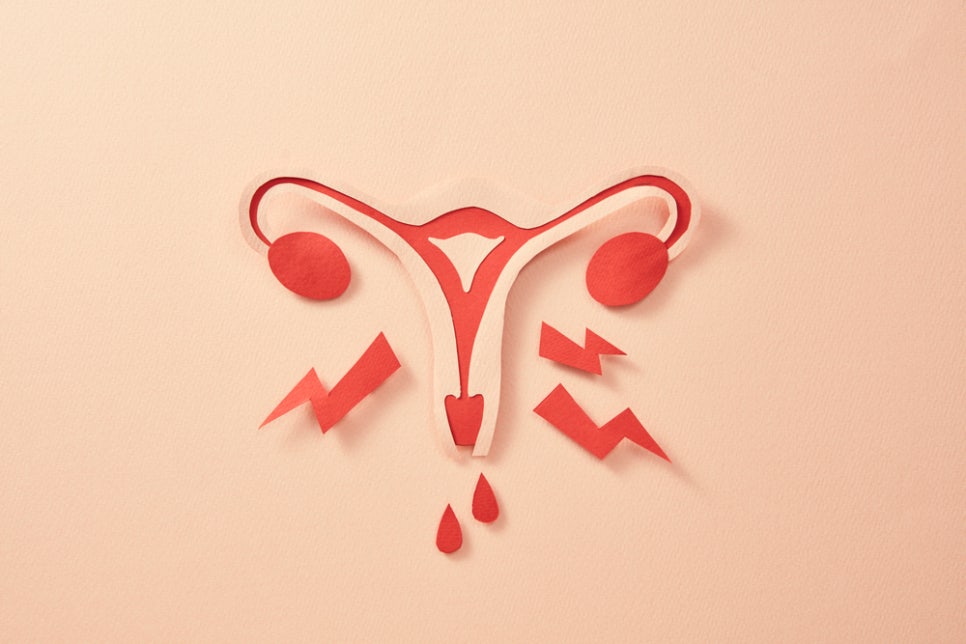
Today, we will look at the various causes of early menopause symptoms,
as well as the symptoms, treatment, and management methods.
In general, when women reach their mid-40s to early 50s,
the function of the ovaries declines significantly. At this time, if ovulation and ovarian
hormone secretion decrease, menopause occurs.
If, before age 40, there is amenorrhea, meaning no menstruation for more than 6 months,
or if menstruation stops completely, this is called early menopause.

The causes of early menopause are varied. First, underweight can be a cause,
and if your weight is below standard from the late teens to the mid-30s, the likelihood
of early menopause is relatively high.
Stress is also one of the causes of early menopause symptoms,
and when stress is extremely severe, menstruation may stop.
Autoimmune diseases can also cause early menopause,
and rheumatoid arthritis, thyroid disease, and lupus can be causes
of these symptoms.

In addition to autoimmune diseases, it can also occur due to congenital factors such as radiation treatment, anticancer drugs, ovarian removal, and abnormalities in the number of chromosomes, but in some cases, there is no clear known cause.
Early menopause symptoms involve irregular menstrual cycles with increasingly longer gaps, eventually leading to menopause. After early menopause occurs, symptoms such as hot flashes and insomnia appear.
Mood swings may also occur suddenly, and symptoms such as urinary incontinence and skin aging may also be experienced. Osteoporosis and cardiovascular disease may also develop.
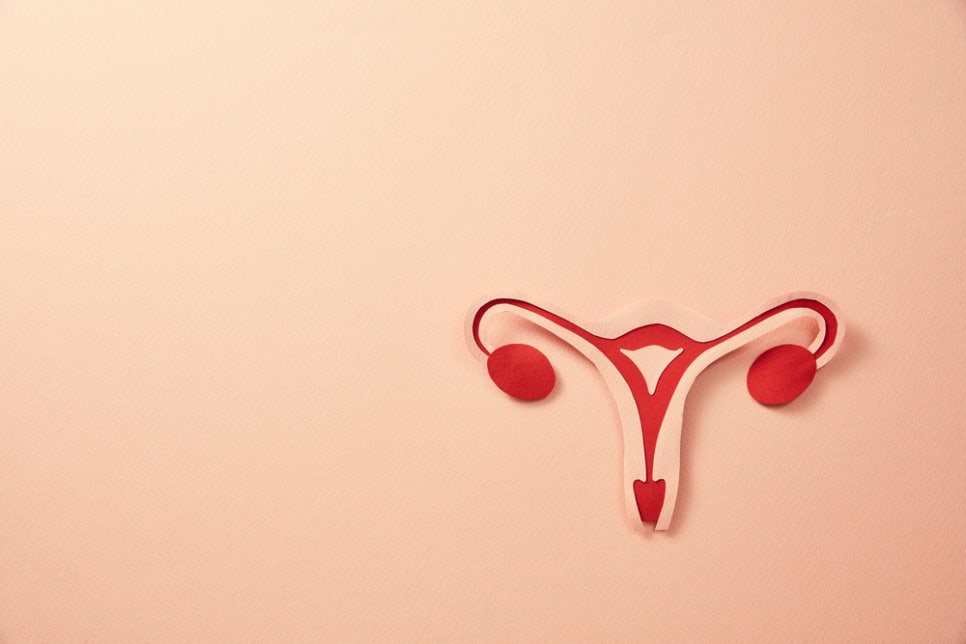
If menstrual flow decreases, the cycle becomes longer, and there is no menstruation for more than 3 months without a clear reason, it is a good idea to check whether menopause has occurred.
In particular, because early menopause can occur at a young age due to stress, excessive dieting, environmental factors, and other causes, you should carefully observe changes in menstrual flow.
To treat the symptoms, estrogen therapy can be administered, which can relieve menopause symptoms such as hot flashes and night sweats by introducing female hormones into the body.

To manage the symptoms, it is good to regularly exercise such as yoga, running, or jump rope, and it is also good to take half-body baths often, which help with blood circulation.
It is also important to improve lifestyle habits. It is good to refrain from nicotine and alcohol, and avoiding obesity and stress is helpful.
Today, we looked at the causes of early menopause symptoms, as well as symptom treatment and management methods. Please review the content above and hope it helps improve the symptoms.