Causes of Premenstrual Syndrome and Symptoms
Ways to Relieve and Improve Symptoms
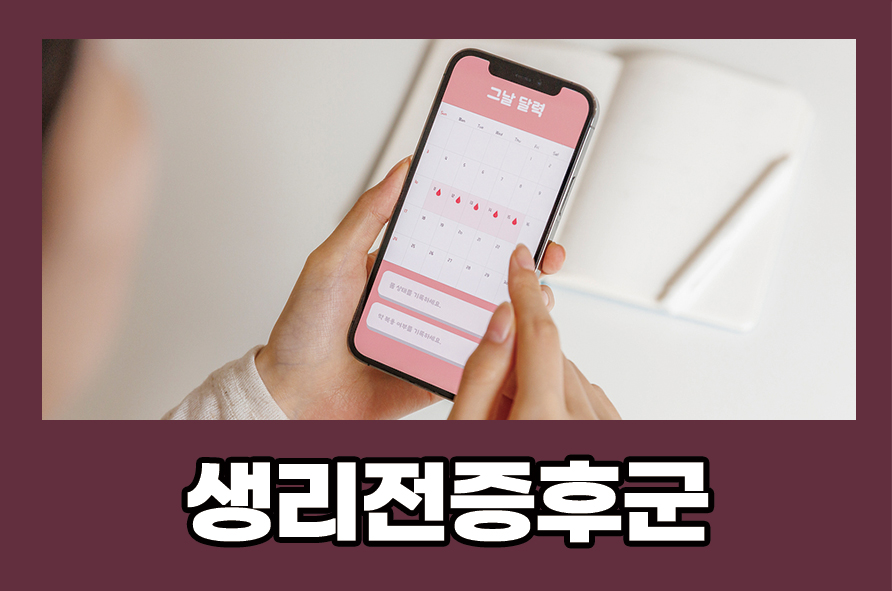
For women of reproductive age, menstruation occurs once a month.
The endometrium of women of reproductive age proliferates through
hormones secreted periodically and prepares for embryo implantation.
If pregnancy does not occur, the endometrium naturally sheds,
which is called menstruation, and periods occur at intervals of 21 to 35 days.
During menstruation, many people experience physical and mental discomfort,
and discomfort can also occur before menstruation due to premenstrual syndrome.

Today, we will look at the causes of premenstrual syndrome and the kinds of symptoms that may accompany it, along with ways to relieve and improve those symptoms.
Premenstrual syndrome refers to the repeated occurrence of various physical, emotional, and behavioral symptoms before menstruation in women who menstruate according to their menstrual cycle.
It is such a common condition that many women are known to experience it at least once, and because it involves a variety of symptoms, it can cause discomfort.

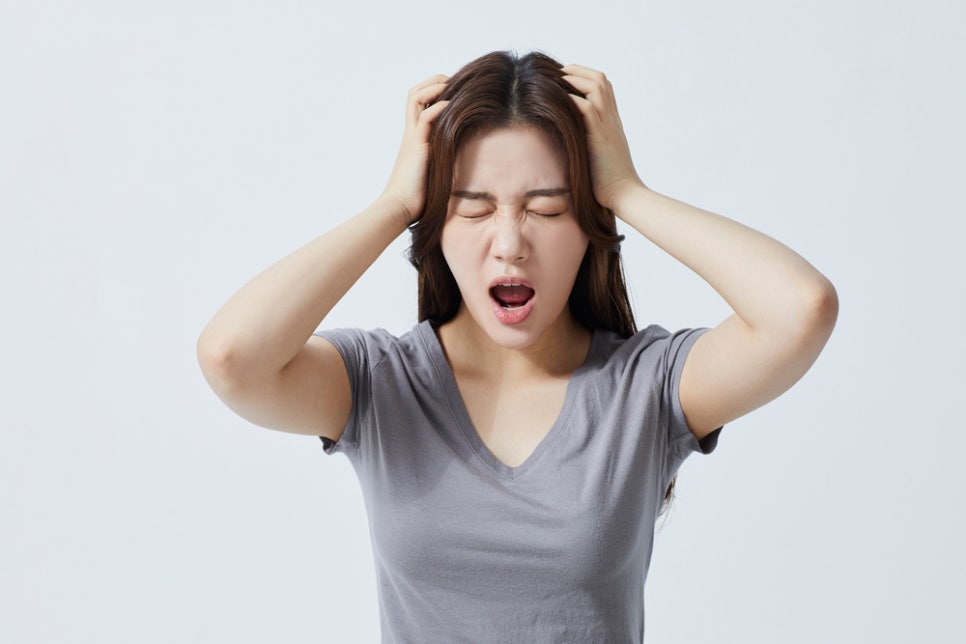
When it is almost time for a period, symptoms such as abdominal pain or headaches may appear,
small things may make you feel depressed,
mood swings may become severe, and appetite may become uncontrollable.
Physical symptoms of premenstrual syndrome include fatigue and pain, and in many cases various physical symptoms may appear about a week to ten days before menstruation begins.
Some people feel severe fatigue along with abdominal bloating,
and breast tenderness and headaches may occur, as well as thirst, acne, and muscle pain.
In addition, there may be a desire to eat overly salty or sweet foods,
and other conditions such as migraines or irritable bowel syndrome may worsen before menstruation.
Not only physical symptoms but also mental symptoms may be reported,
and a person may feel depressed for no reason, become angry,
and develop emotional instability.
A person may become irritable or want to be alone,
and symptoms such as being unable to do things they normally do well or forgetting things may appear.

The exact cause of premenstrual syndrome has not been identified,
but sudden changes in bodily hormones are cited as a cause,
and it is also influenced by lifestyle, medication, and smoking.
It occurs because female hormones and progesterone that change according to the menstrual cycle affect various brain neurotransmitters,
and genetic factors may also have an influence.
To help relieve symptoms, it is good to avoid caffeine and alcohol intake,
and improving lifestyle habits such as exercising regularly can be helpful.
It is also good to consume calcium and magnesium,
and reducing salty foods and managing stress with 충분한 rest can help improve symptoms.
In addition, if daily life becomes difficult due to premenstrual syndrome, appropriate treatment is recommended;
if there is lower abdominal pain, symptoms should be controlled with painkillers.
Today, we looked at what causes and symptoms of premenstrual syndrome there are,
and also checked ways to relieve and improve symptoms, so please refer to the information above.