Cold Urticaria: Causes and
How to Prevent Symptoms
In autumn, when there is a large difference between daytime and nighttime temperatures, or in winter, when temperatures are low,
the skin becomes dry and exposed to cold air, making it easy for various
skin conditions to occur.
As the season of cold winds returns and temperatures drop quickly,
problems caused by the cold begin to appear, and hives can develop on the skin due to dry
weather.
Today, we will look at what cold urticaria is, along with its causes,
the accompanying symptoms, and how to prevent them.

Cold urticaria refers to hives that occur when the skin is exposed
to cold air or cold substances, and if the symptoms are severe, it can even lead to shock.
This condition accounts for about 1–3% of all chronic urticaria cases.
It can affect people of all ages, but it is most common in those in their 10s to 30s.
It often occurs when skin that has touched cold air, cold water, ice,
or other cold substances is then exposed to warm temperatures again.
Because the symptoms are similar to dermatographism, it can be confusing.
In dermatographism, hives appear in the exact shape of the mark made on the skin.
However, in this condition, the rash often takes on an irregular shape,
and symptoms can appear on various parts of the body, such as the torso, thighs, face,
and neck.
Also, when symptoms are mild, the hives disappear after a few hours,
but if they become severe, shortness of breath, headache,
or low blood pressure may occur.

As for the cause of cold urticaria, nothing has been clearly identified,
but it is thought to occur when cold-related substances or a specific immunoglobulin E trigger an unnecessary immune response in the body.
Acquired factors are often involved, and it may appear after infections such as chickenpox or measles,
or be caused by hormonal regulation abnormalities or autonomic nervous system regulation abnormalities.
This condition can be temporarily improved through medication,
but because it may recur when the weather gets cold, prevention is important.
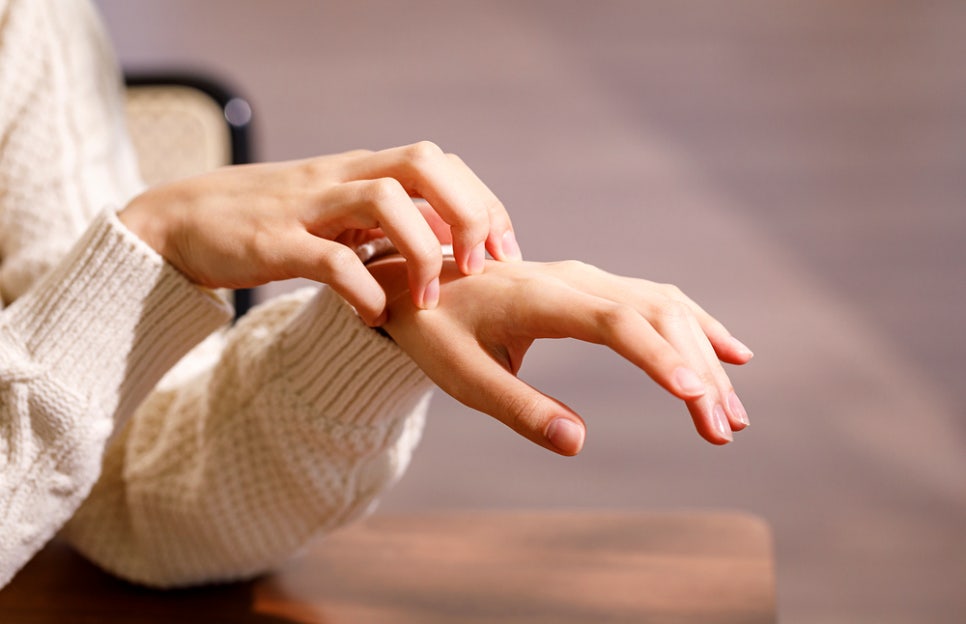
If symptoms occur, taking a warm shower can make the itching worse, so suddenly taking a cold shower
may cause a fatal shock reaction, and caution is needed.
To prevent symptoms, you should reduce the skin’s exposure to environments that trigger hives.
Indoor temperature should be maintained at around 20–22°C.
It is also recommended to keep humidity above 40%, take baths with warm water for about 5–10 minutes,
and avoid cold showers or swimming.
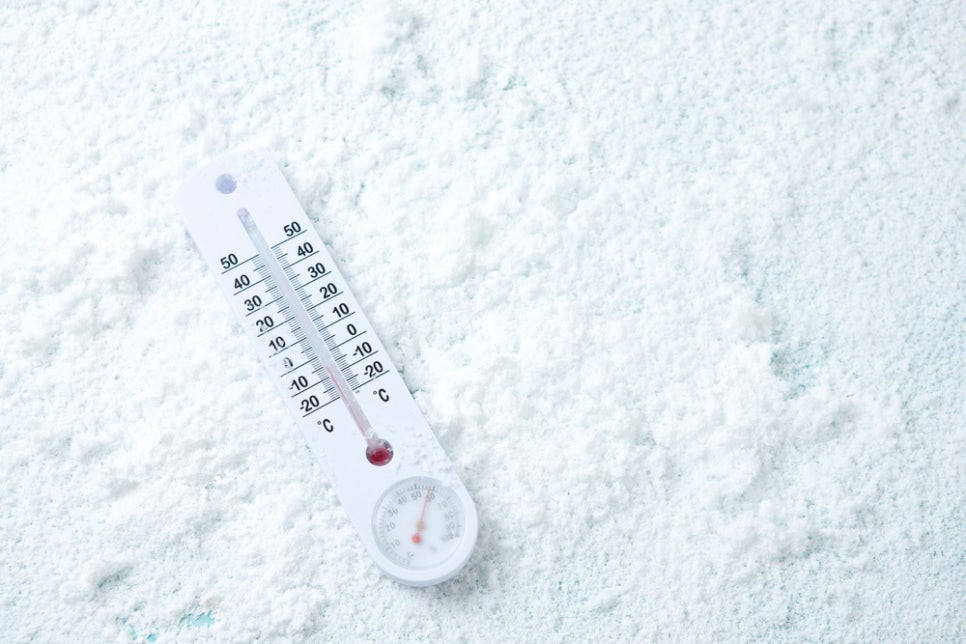
Also, when going বাইরে in winter, wearing gloves, a mask, a scarf,
and other items to prevent the skin from being exposed to cold, dry air can help prevent symptoms.
It is best to avoid revealing clothing as much as possible,
and on days when the temperature is too low, avoiding going out may be helpful.
Today, we looked at the causes and symptoms of cold urticaria and how to prevent the symptoms.
Please refer to the information above.