What Are the Symptoms, Causes, and
Treatment and Prevention Methods of Tetanus?

As walking barefoot has become known to be good for health, more people have been walking on dirt paths barefoot, but this behavior can increase the risk of tetanus, so caution is needed.
These days, there are not many people who get it, but it is still a disease that can threaten us in everyday life, so it is best to be careful.
Today, let’s look at the causes and symptoms of tetanus, as well as ways to treat and prevent symptoms such as tetanus shots.

In the past, you may have received a tetanus shot, and tetanus is a disease that can occur more commonly than we think, but there are cases where people do not know how it is infected or what symptoms it causes.
Tetanus is an infectious disease in which the neurotoxin produced as tetanus bacteria multiply at a wound site acts on nerve cells, causing spastic paralysis and muscle contraction.
Looking at the causes of tetanus, the bacteria are found in soil, and even very small wounds can become infected, so caution is necessary.
Spores of tetanus bacteria from soil or animal feces enter through a wound site, and if there is necrotic tissue or foreign matter left in the wound, the bacteria can multiply easily.
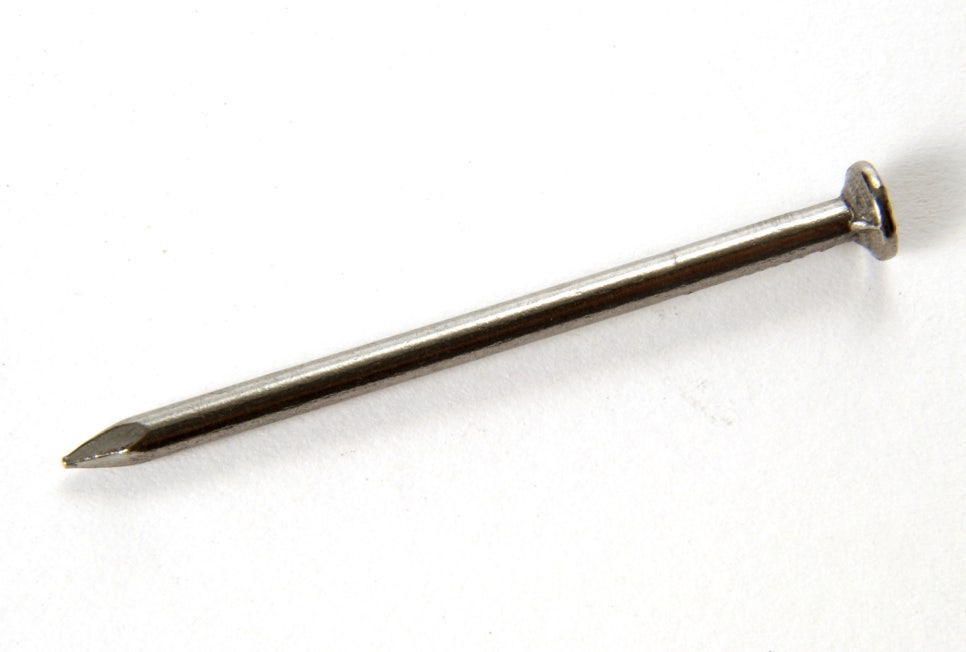
The bacteria can also invade through small wounds that are not clearly visible, and infection can occur through puncture wounds caused by fragments such as nails or pieces of metal, or through animal bites.
In particular, if you step on a dirt path barefoot and get punctured by a nail or piece of metal, the likelihood of tetanus developing increases, so caution is needed.

In the case of tetanus symptoms, the incubation period is 3 to 21 days, and the time at which symptoms appear varies, but most cases develop within 14 days.
As an early symptom, muscle contraction localized around the wound may occur, and as symptoms gradually progress, contraction of the neck and jaw appears first.
If the symptoms worsen, paralysis symptoms such as being unable to open the mouth or swallow may occur, and then contraction of the trunk muscles follows.

There are also cases where convulsive symptoms spread throughout the body appear, which occur 1 to 4 days after tetanus develops, and symptoms such as fever and chills may accompany them.
Because tetanus comes with various symptoms like these, it is important to treat suspected symptoms quickly.
In the case of tetanus treatment, tetanus immune globulin or antitoxin is injected intravenously to neutralize the toxin, and antibiotics are administered to disinfect the wound and remove necrotic tissue.

It is good to make efforts to prevent symptoms in daily life, and it is important to maintain immunity by getting vaccinated every 10 years, such as with a tetanus shot.
In addition, when a wound occurs, it is important to quickly disinfect the affected area and take appropriate measures such as removing necrotic tissue to avoid infection with tetanus bacteria.
Today, we looked at the causes and symptoms of tetanus, as well as treatment and prevention methods such as tetanus shots. Please refer to the information above and manage your symptoms accordingly.