If you didn’t know
how to use an interdental brush, please refer to this!
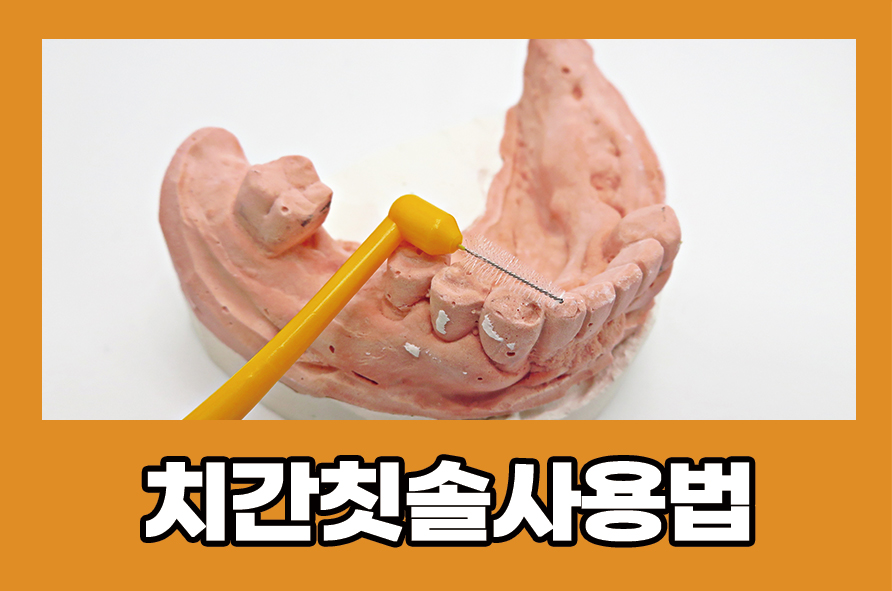
To keep your teeth healthy for a longer period of time,
it is important to brush them carefully with a toothbrush,
but there are areas that a regular toothbrush cannot reach.
Because it is almost impossible to remove plaque that has
formed that day with brushing alone, you need to use an
interdental brush or similar tools to remove it properly.
Today, I’ll explain how to use an interdental brush, as well as
the importance of interdental brushes and floss, and
precautions to keep in mind.
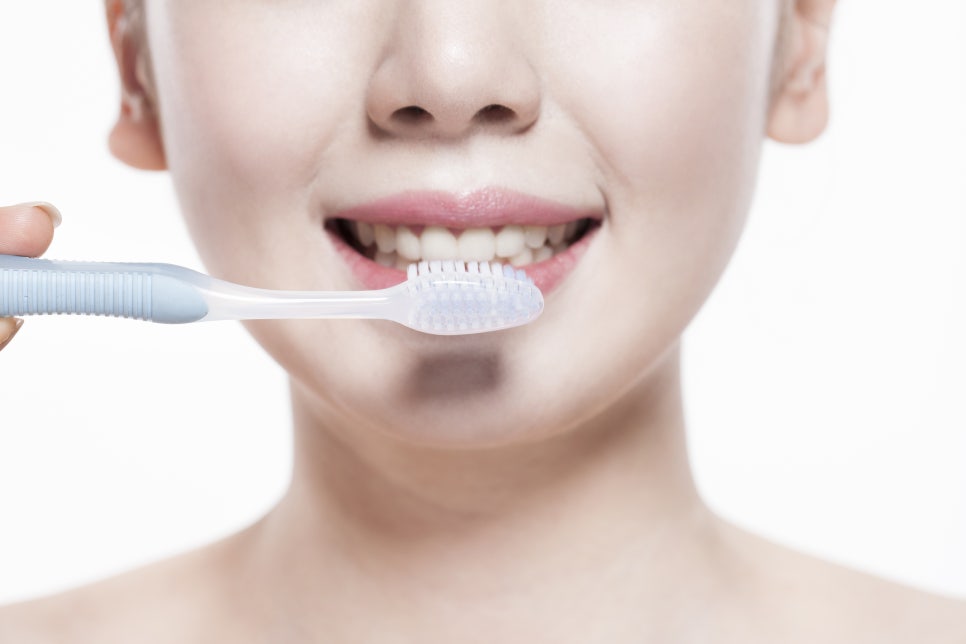
It is widely known that after getting enough sleep, you should
brush your teeth once in the morning, once in the afternoon,
and after meals at least three times a day up to dinner.
However, many people are still unfamiliar with how to use an
interdental brush, and a toothbrush by itself cannot properly
remove debris stuck between teeth.
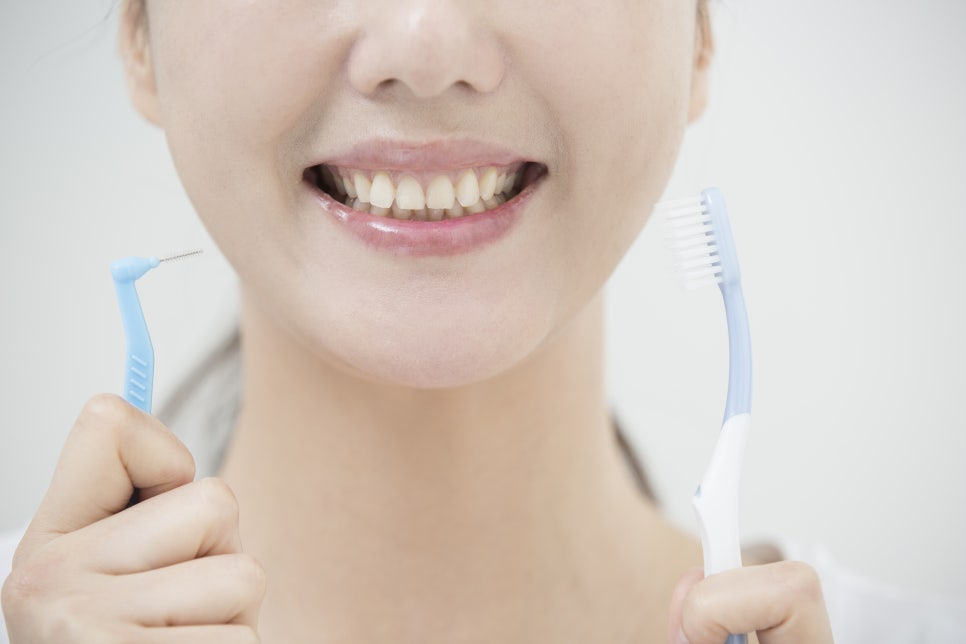
That is why, when brushing your teeth, using an interdental
brush and floss along with brushing can help maintain healthy
teeth.
Plaque that is not properly removed gradually causes the gums
to swell and can trigger inflammatory reactions such as
bleeding easily when touched, which is why its use is recommended.
In general, if a toothbrush cleans more than half of the entire
tooth surface, an interdental brush cleans the interdental areas
that make up the remaining portion of the tooth surface.
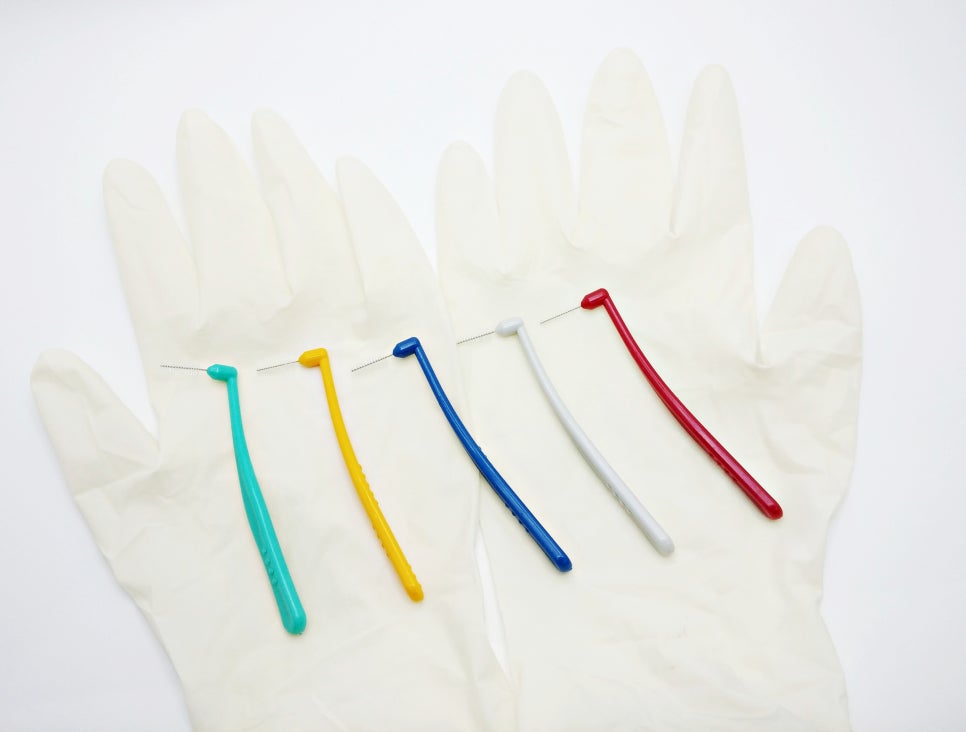
Before using an interdental brush, you should choose a product
that matches the amount of gum recession and the size and shape
of the space between the teeth, and the size should be smaller
than the gap between the teeth.
For how to use an interdental brush, wet the brush with water
before use, place it against the tooth surface, and then clean
it several times alternately up and down.
Repeat inserting and removing it about 2 to 4 times, and in the
final step, rinse your mouth thoroughly with water.
Many people have difficulty at first because they do not know
how to use an interdental brush properly, and it should not
cause pain or strong friction when inserted between the teeth.
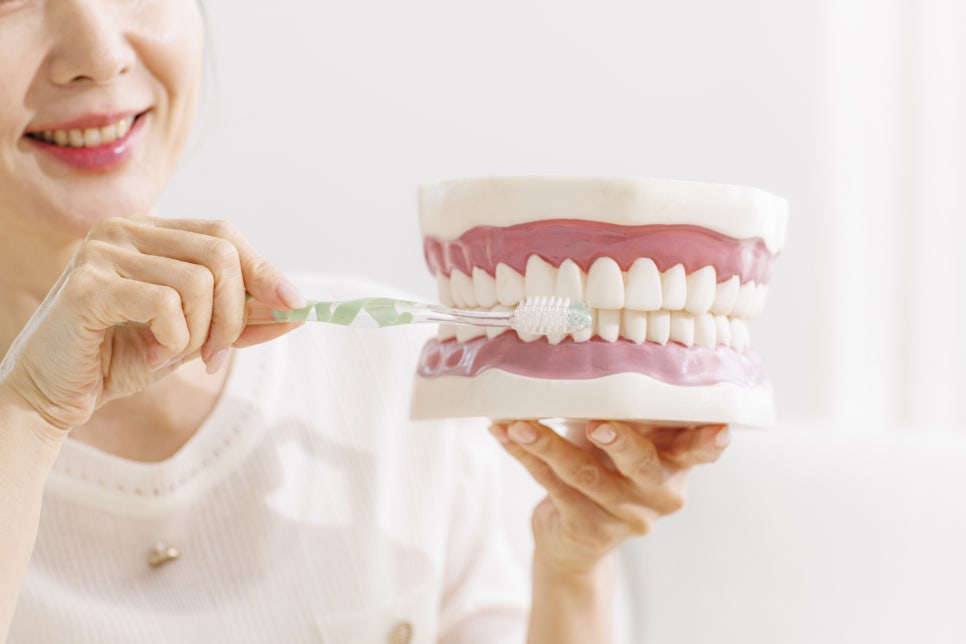
After interdental cleaning is finished, wash it clean and store
it in a dry place, and if it becomes bent or the bristles are
damaged, replace it promptly.
Generally, it is appropriate to replace the brush every 1 to 2
weeks, and using toothpicks or similar items to remove food
stuck between the teeth after meals is not suitable.
Hard toothpicks can push the teeth farther apart because of a
wedge effect, and they are only minimally effective at removing
plaque, so it is better to avoid using them as much as possible.
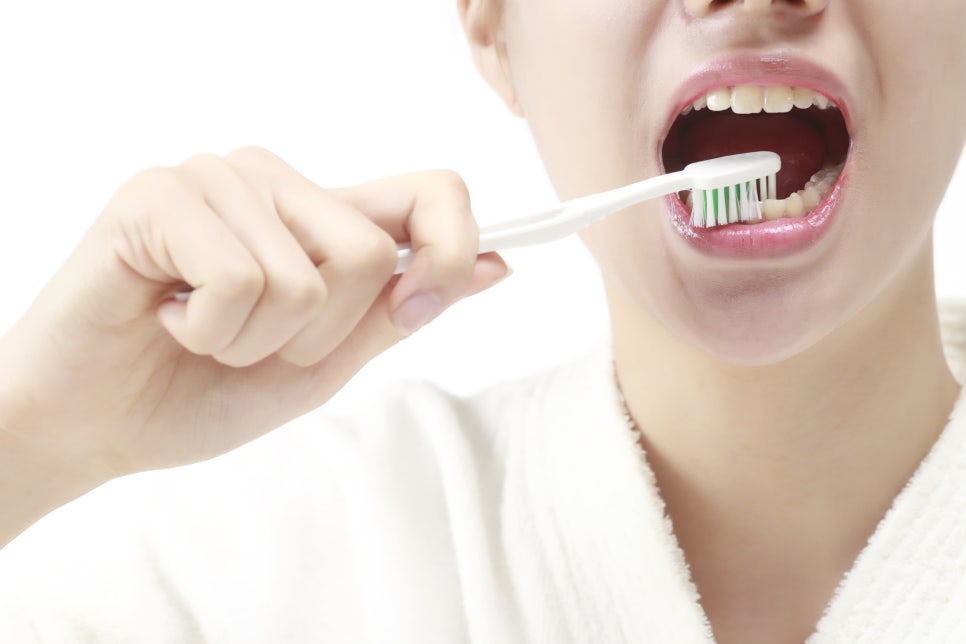
Because it is an auxiliary tool used to remove food remaining
between the teeth, it has the advantage of easily removing
residue in narrow spaces.
If you want to use one but do not know the spacing of your own
teeth, it is best to start with the smallest size and gradually
increase it.
Bleeding every time you brush your teeth may be one of the
signs of periodontal disease, so do not panic and keep your
mouth clean with the proper method.