Erythema Infectiosum, Which Appears
About the Causes, Symptoms, and Treatment

Erythema infectiosum, which requires caution during the cold winter season,
is an infectious disease caused by a virus,
and it has recently been spreading in Japan for the first time in four years.
It is easily transmitted to infants, children, and adolescents
between the ages of 2 and 15 who have weak immunity, but adults are
also not exempt, so caution is needed.
Today, I will explain the causes and symptoms of erythema infectiosum,
which can easily spread through the respiratory tract, as well as diagnostic methods,
treatment methods, and prevention methods.

It is a disease that appears when infected with parvovirus B19,
and it should be noted that it can easily spread through the respiratory tract
through sneezing, coughing, and so on.
It can also occur through actions such as eating food together with a patient,
sharing utensils, or directly kissing the mouth.
Erythema infectiosum is highly contagious even before the rash appears,
but it is characterized by the fact that once the rash appears,
it is no longer contagious.
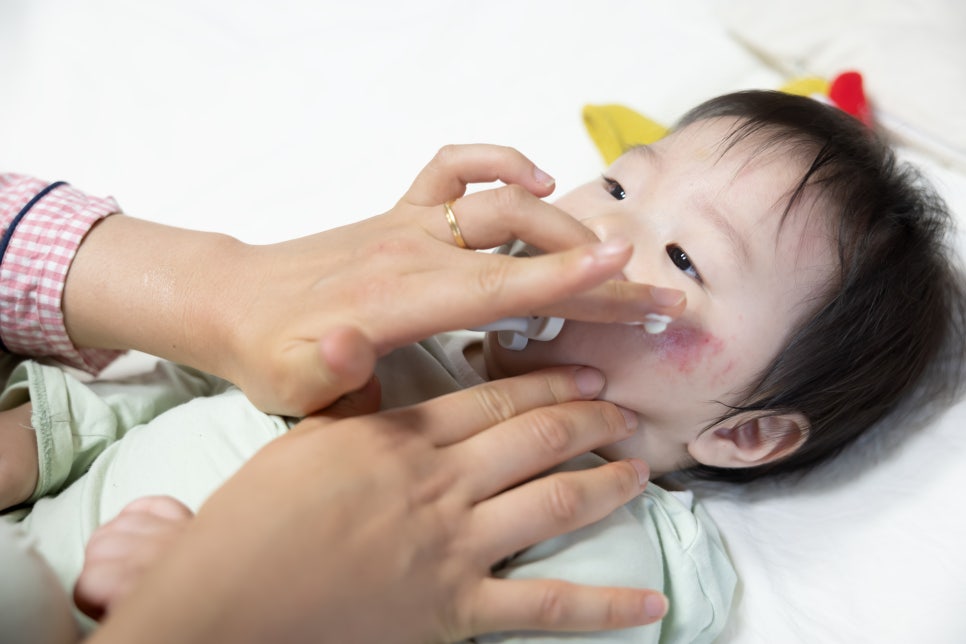
The representative symptoms of erythema infectiosum include erythema,
where the skin on the cheeks and arms turns red, along with mild pain
and a feeling of heat.
In the first stage, symptoms appear in which the cheeks become red,
as if they had been slapped, and then a net-like rash develops on the trunk
and limbs.
Although it gradually disappears over time, it can recur again due to sunlight,
exercise, extreme stress, and so on, so caution is needed.

When erythema symptoms are clearly visible, it is actually no longer infectious,
but it is highly contagious during the incubation period about 1 to 2 weeks
before the infectious rash appears.
Since you can easily spread the virus to others without realizing that you have the disease,
you should be careful during outbreak periods.
Because no treatment drugs have been developed yet,
symptomatic treatment is generally performed to improve symptoms,
such as applying warm compresses or taking baths.

As time passes, most people recover naturally without any other accompanying symptoms,
but infants, young children, and the elderly with weak immunity
are more likely to develop into other illnesses.
In particular, if a pregnant woman is infected within the first three months of pregnancy,
there is a high possibility of congenital fetal hydrops, a high-risk neonatal disease.
As this greatly increases the likelihood of miscarriage or stillbirth,
extra caution is required to prevent infection.

Since there is no clear method for treating or preventing the disease,
the best approach is to prevent it by following personal hygiene rules.
Because it is mainly spread through the respiratory tract, it is best to wear a mask whenever possible
when visiting places with many people passing through, such as subways, restaurants, and department stores.
At work, at school, and at home, please try to prevent infection as much as possible by using personal items,
and if you are an infant, elderly person, or pregnant woman, please be especially careful.