Sjögren’s Syndrome Dryness
What Is the Appropriate Treatment When Dryness Appears?

During seasonal transitions, more people complain of various dry symptoms,
and as pollen and other particles fly around, dry eye symptoms
can become severe.
Dryness does not have an extreme impact on health,
so it is often left untreated, but when a condition like
Sjögren’s syndrome develops, the situation changes.
Today, we will explain in detail the causes and symptoms of Sjögren’s syndrome,
diagnosis methods, treatment methods, and prevention methods.

Sjögren’s syndrome was first reported in 1933,
and it is a disease named after Sjögren, a Swedish ophthalmologist,
who discovered it in patients with rheumatoid arthritis.
It is an autoimmune disease in which, due to confusion in the immune system,
lymphocytes that are supposed to protect the body attack the body itself,
causing problems in organs and tissues.
The cause of the disease is not clear, but there are some genetic factors,
and it can occur due to lifestyle habits, severe stress, smoking, and so on.
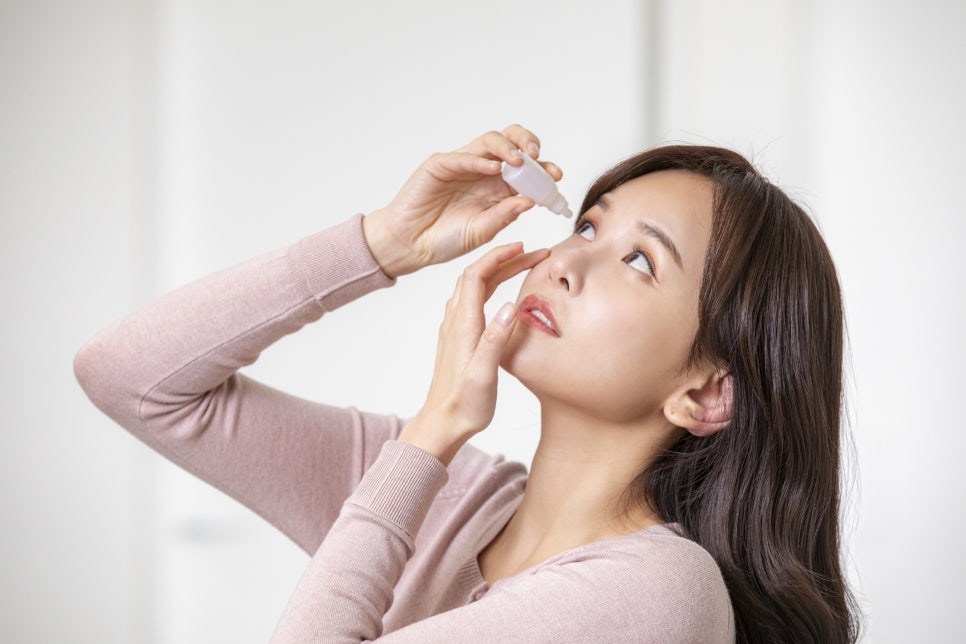
Typical symptoms include dryness in the eyes and mouth,
and in addition, people may complain of fatigue, redness, and a feeling of heat.
Because saliva production also decreases significantly,
patients have difficulty eating dry foods and also find it hard to talk with others.
In addition, most patients with the disease also have arthritis,
and about 10% show skin symptoms such as vitiligo and hair loss.

Because mild symptoms alone make it difficult to make a clear diagnosis,
tests such as dry eye, dry mouth, tissue biopsy, and serum autoantibody tests are performed.
After confirming positivity for antinuclear antibodies through a blood test,
tear secretion tests may be conducted because reduced secretion of saliva or tears is a common symptom.
If a certain number of these criteria are met,
the disease is diagnosed, and because symptoms vary from person to person,
treatment methods also differ.
First, artificial tears and artificial saliva are used to ease the patient’s discomfort,
and if symptoms are severe, procedures such as punctal cauterization may be considered.
In addition, commonly used medications include steroid-based immunosuppressants,
and symptomatic treatment may also be provided depending on the individual’s condition.
Sjögren’s syndrome is a disease in which problems occur with the secretion of tears, saliva, and sweat,
so differentiating it from similar diseases is important.
If you have difficulty eating food without drinking anything,
or if speaking is difficult, you should suspect the disease and receive prompt treatment.

For patients with the disease, sufficient hydration should be maintained at all times,
and foods high in sugar should be avoided as much as possible.
After eating, you must brush your teeth,
and because smoking can make dry mouth symptoms worse,
smokers should definitely quit.
Indoors, maintain appropriate humidity using a humidifier,
and if you are a woman in your 40s or older, I hope you prevent the disease through early diagnosis.