Knee Effusion Symptoms
What Is the Proper Treatment When They Appear?
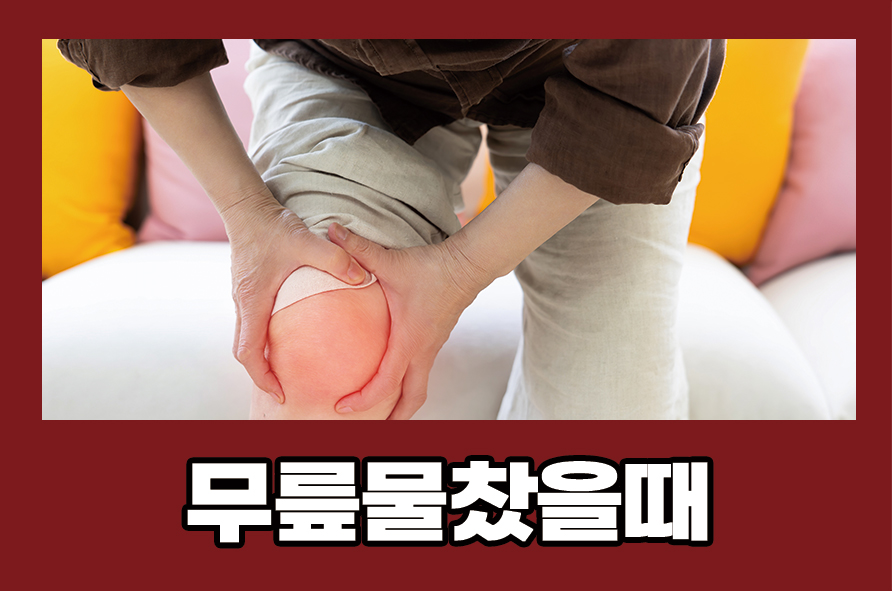
People who enjoy outdoor activities often like exercises such as hiking, trekking, and cycling.
A common feature of these activities is that they use the knees a lot.
The knees are used in everything from light walking to going up and down slopes,
and they are one of the body parts used most often in daily life.
Because of this, they are also a site with a high possibility of injury.
Today, I’ll explain the symptoms, causes, treatment methods, diagnosis methods, and prevention of knee effusion.
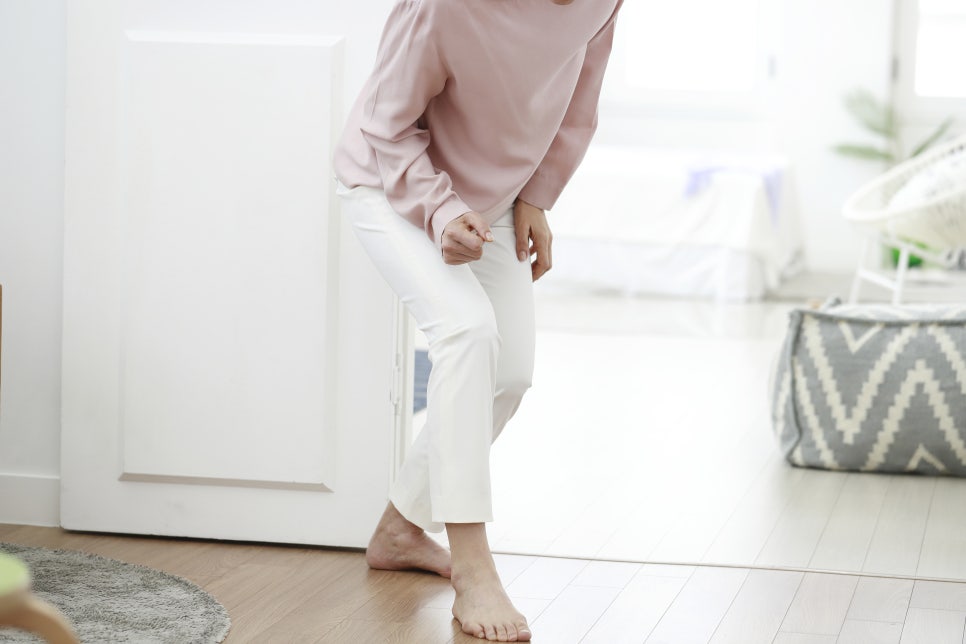
For people who do not usually walk much, or for middle-aged and older women with weak knee joints,
the knee may swell or develop fluid after exercising for a long time.
This occurs when the synovium, a thin membrane inside the joint capsule that firmly surrounds the two bones of the knee,
becomes infected by bacteria or is irritated for various reasons.
When irritated, synovial fluid is secreted in excess to protect the knee,
which can lead to knee effusion, and prompt treatment is needed.
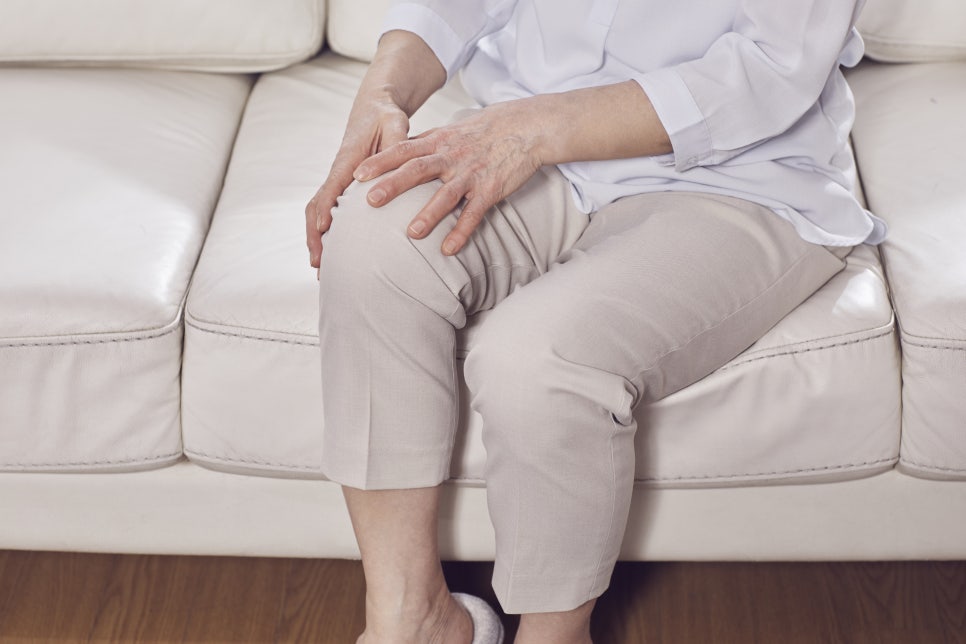
The main causes include overuse of the knee in daily life,
or trauma such as a sudden cruciate ligament rupture or meniscus damage.
As a result, symptoms of knee effusion appear,
and if the symptoms become more severe, pain may occur when bending the knee or putting weight on it.
If the pain continues for a long time, it can lead to cartilage damage and develop into degenerative arthritis and rheumatoid arthritis,
so early treatment is important.
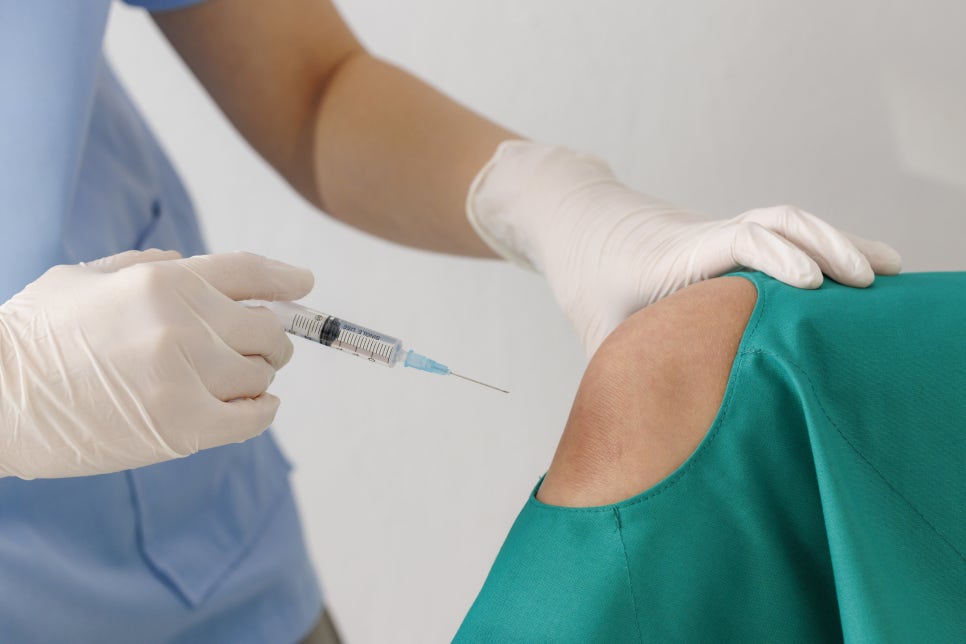
If treatment is started early, symptom improvement can be expected through sufficient rest,
anti-inflammatory medication, physical therapy, and similar approaches to reduce the inflammatory response.
If it is a simple symptom, recovery may be possible through conservative treatment such as hot and cold compresses and medication to reduce inflammation,
and if the cause is infection, antibiotics will be prescribed.
If the condition is chronic or keeps recurring, synovectomy using arthroscopy should be considered,
which is a method of removing the synovium while monitoring with an endoscope.
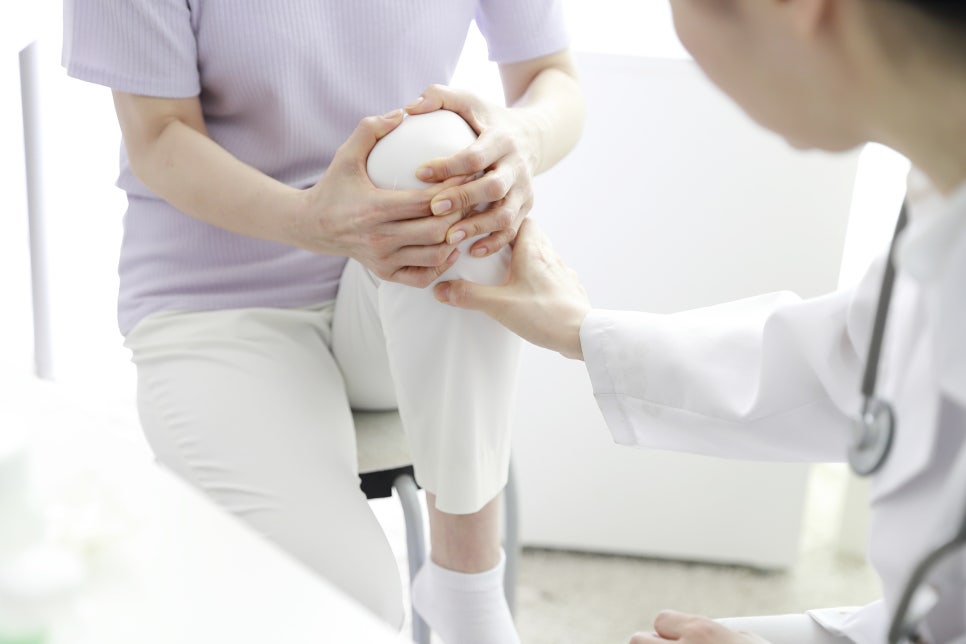
Many people may wonder whether the fluid in the knee must always be drained.
The phenomenon of fluid in the knee is actually something that protects the affected joint.
However, if this protective function leads to other complications or has a counterproductive effect,
appropriate treatment should be carried out depending on the patient's level of symptoms.
If knee effusion symptoms appear, it is important to identify the cause of the fluid accumulation in the knee clearly through 충분한 consultation with the relevant medical staff.
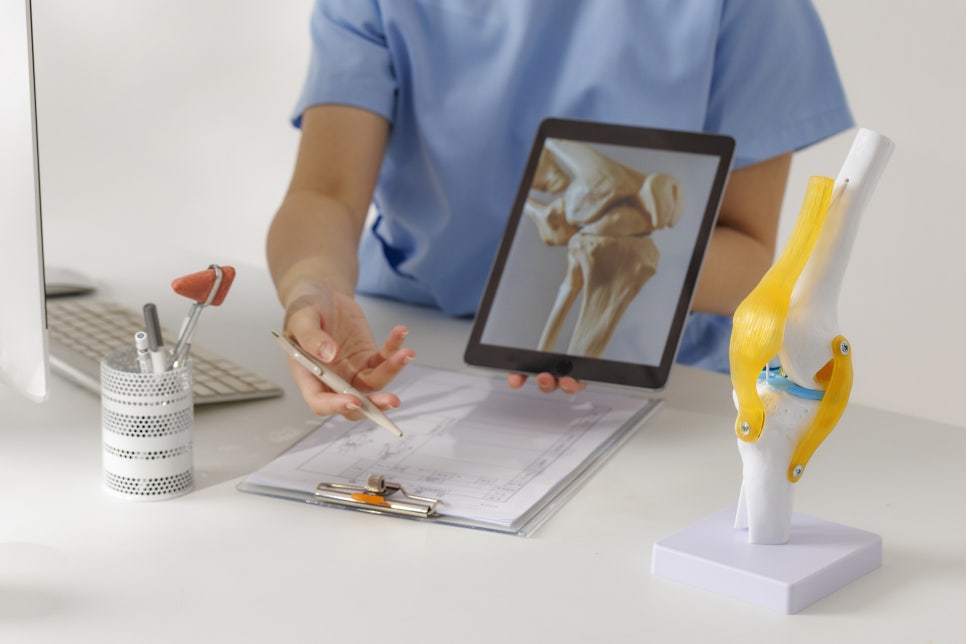
Because the knees are used a lot in daily life, they are a body part that improves our quality of life,
but they are also often neglected when it comes to care.
Before and after starting exercise, it is good to loosen up the body with proper stretching,
and it is best to avoid postures that put strain on the knees as much as possible.
Also, on days when you have done actions or taken postures that place a lot of strain on the knees,
I hope you develop the habit of relieving the burden on the knees through ice packs and massage.