Causes and Symptoms of Diver’s Disease
What Is the Proper Treatment?
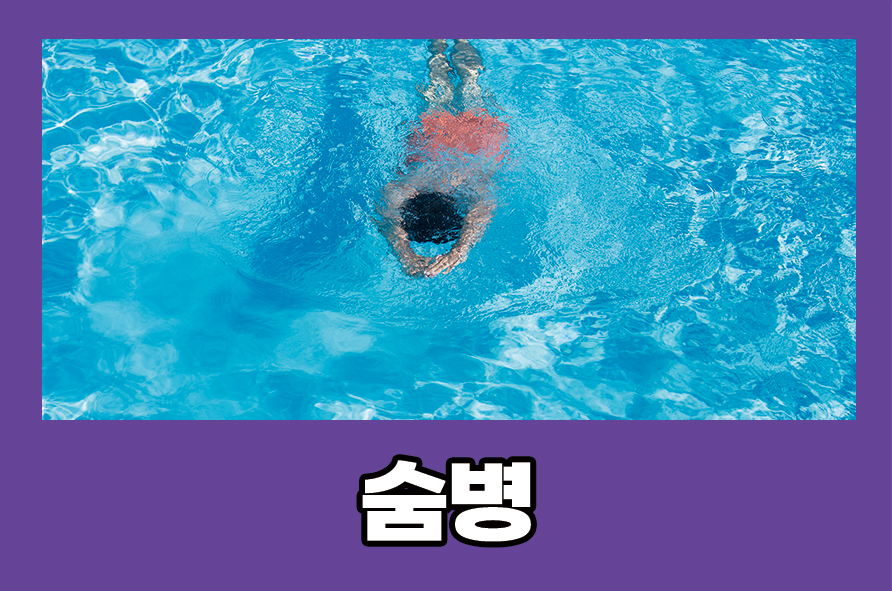
Among Jeju women divers, the term 숨병 refers to a variety of physical abnormalities caused by repeated diving.
In other words, it refers to symptoms of decompression sickness that can occur not only in women divers, but also in scuba divers, divers, and others who frequently work in deep water.
Today, I’ll explain in detail the causes and symptoms of 숨병 and decompression sickness, as well as proper treatment methods, diagnostic methods, and prevention methods.

숨병 is a condition caused when the body cannot properly adapt to a sudden change in atmospheric pressure while moving from a high-pressure environment to a lower-pressure one.
When ascending to the surface after diving, the body experiences a rapid drop in pressure, which prevents gases dissolved in the blood from being expelled through the lungs.
These gases form bubbles inside blood vessels, blocking them, and as the bubbles accumulate, they obstruct capillaries and interfere with blood flow, leading to decompression sickness.

Typical symptoms appear within 24 hours after entering the water and include headache, dizziness, hearing loss, fatigue, and itching.
If problems develop in the central nervous system, loss of consciousness, paralysis of part of the body, or lung rupture can occur, which may lead to chest pain or shock.
Even after symptoms appear, lingering effects may include speech and motor impairments, so even if you have extensive diving experience, special caution is necessary.

Also, if someone with a long diving history has frequently experienced the symptoms mentioned above, they should immediately visit a related hospital for examination and then receive prompt treatment.
The primary treatment method is recompression therapy, in which a higher-than-atmospheric-pressure environment is created and oxygen is continuously inhaled for a certain period of time.
This method is called hyperbaric oxygen therapy. If the patient continues to report the symptoms mentioned above, they should be quickly transported to a facility equipped with a hyperbaric oxygen treatment chamber.

During transport, to minimize damage to the nervous system as much as possible, the person should lie on their left side so that bubbles that have entered the heart do not move throughout the body.
In addition to recompression treatment, steroid administration and intravenous heparin may be considered as adjunctive therapies.
It is very dangerous for a patient who has received proper treatment to dive deep again, and preventing the condition in advance is important in everyday life.

Rather than using an oxygen tank containing nitrogen, it is better to use one containing helium. Unlike nitrogen, helium does not dissolve well in the blood.
Therefore, the condition does not occur even when pressure changes, and when working at depths of 40 meters or less and then ascending, it is important to reduce your speed gradually.
Since this remains a common accident in diving settings, whether you are going out to enjoy a summer getaway or belong to a profession that involves diving, I hope you avoid excessive diving.