How to Eat Jicama
and Its Benefits and Side Effects

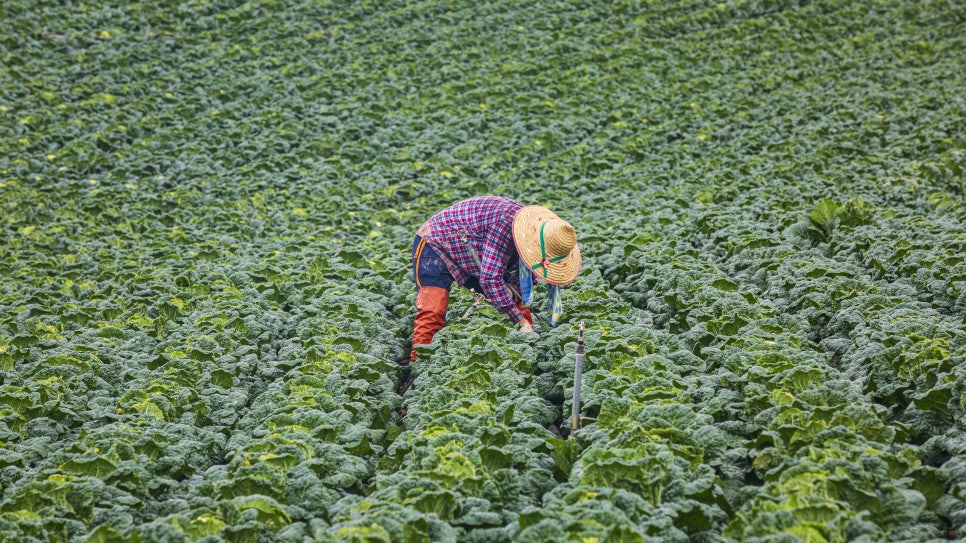
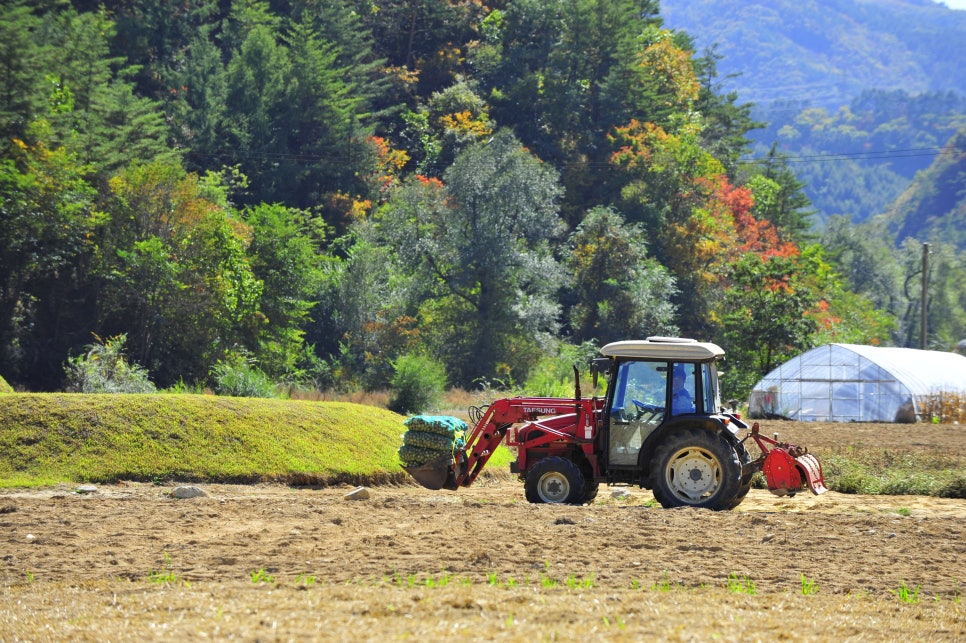
Jicama was first introduced to Korea as a pilot crop in preparation for the next generation of climate change,
and cases of cultivation have gradually increased.
It is said that the soil temperature needs to be around 20 degrees Celsius for proper germination,
and it is generally planted in May and harvested around October.
Today, I will explain in detail the benefits of jicama, how to eat it, how to store it, and more,
as it is considered one of the world’s top 20 health foods.
Jicama, also called Mexican potato, is a leguminous vine plant native to Mexico and Latin America.
Its skin is yellow and peels easily, and it has a cream-colored flesh similar to a pear or potato, with a crisp texture.
Although its flesh is fairly crunchy, it is not very hard, so even older adults with weak teeth can chew and eat it.
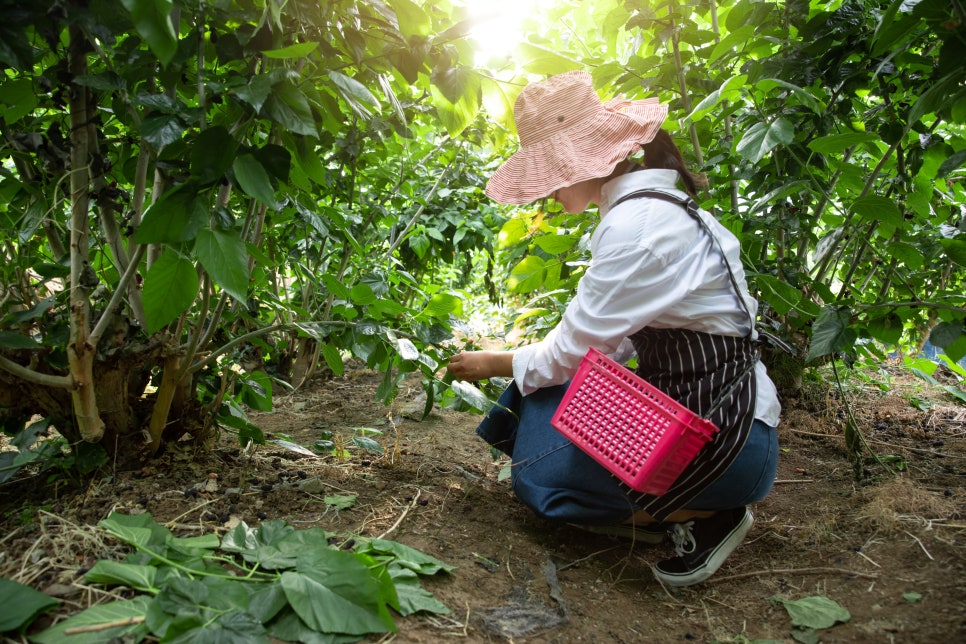
It has a savory yet slightly sweet taste, and only the root is used as food; the rest is used as pesticide.
The leaves and stems are toxic, but it is resistant to pests and diseases and grows well in almost any environment.
It also contains a variety of nutrients, to the point that it is counted among the top 20 health foods.
One cup of jicama contains half of the daily required amount of vitamin C,
and it also contains antioxidants such as selenium and beta-carotene.
In addition, it contains inulin, known as a natural insulin, which helps prevent blood sugar from rising sharply
and improves cholesterol.
It also contains a lot of fiber and is relatively low in calories, so it is often consumed as a health and diet food.
In addition, because it is high in dietary fiber, it can be beneficial for people suffering from constipation,
and it can be a good choice when fruit intake feels burdensome because of blood sugar levels.

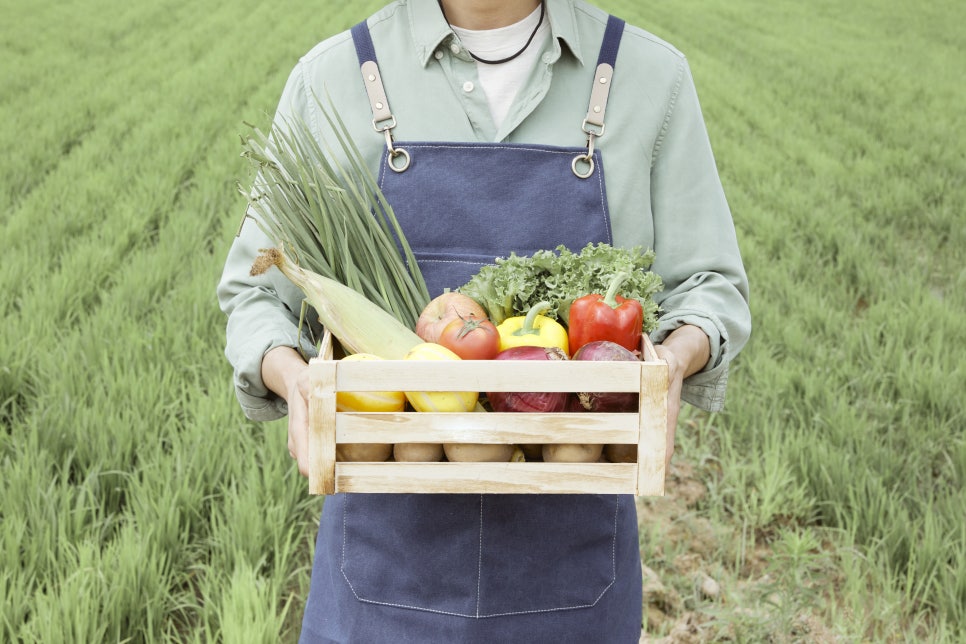
Because it pairs well enough to be used in Korean dishes, it is used in various kimchi dishes, seasoned side dishes,
tempura, salads, and other foods as a way to eat it.
It is also good to drink as juice, and if you blend it with lemon and pineapple according to your preference,
it can be helpful.
In addition to eating it, it can help brighten the skin, so slicing it thinly and placing it on the face
can provide noticeable skin-brightening effects.
For storage, it is helpful to wrap it tightly in newspaper and keep it in a cool place that does not get much sunlight,
away from direct sun.
If you ordered it online, there may be cracked or blackened spoiled areas, so if there are broken parts or damaged areas,
it is better to remove them first.
If it was harvested recently, it may not have much flavor at first, but as it gradually ripens, its sweetness increases little by little,
so consider giving it a try.