Measles Symptoms in Adults and Babies
Causes, Treatment, and Prevention
In the warm spring season, regardless of age, whether adult or baby,
the measles incidence rate increases, and to prevent it,
community immunity is important.
If herd immunity of about 95% or higher is maintained, the spread of the disease
can be prevented, but if it falls below that, the disease is likely to spread.
Today, I will explain in detail measles symptoms, causes and diagnosis methods in adults and babies,
treatment methods, and vaccination.
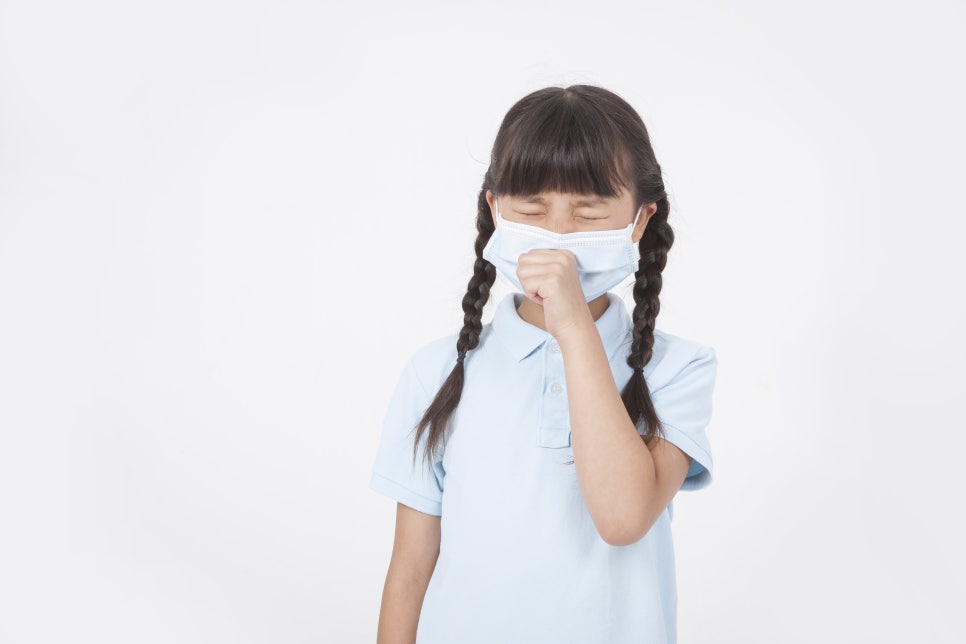
Measles is a highly contagious respiratory infection in which the virus enters the body through the air
via coughing, sneezing, and similar routes.
It is among the more contagious diseases, with a basic reproduction number of about 12 to 18,
which refers to the number of people an infected person can transmit the disease to during the contagious period.
Therefore, most people who do not have immunity to measles become infected, and cases imported
from overseas travel and brought into the country are reportedly increasing.

Regardless of whether the patient is an adult or a baby, early measles symptoms such as fever and cough,
which are similar to a cold, appear gradually after an incubation period of about two weeks,
and are often mistaken for something else.
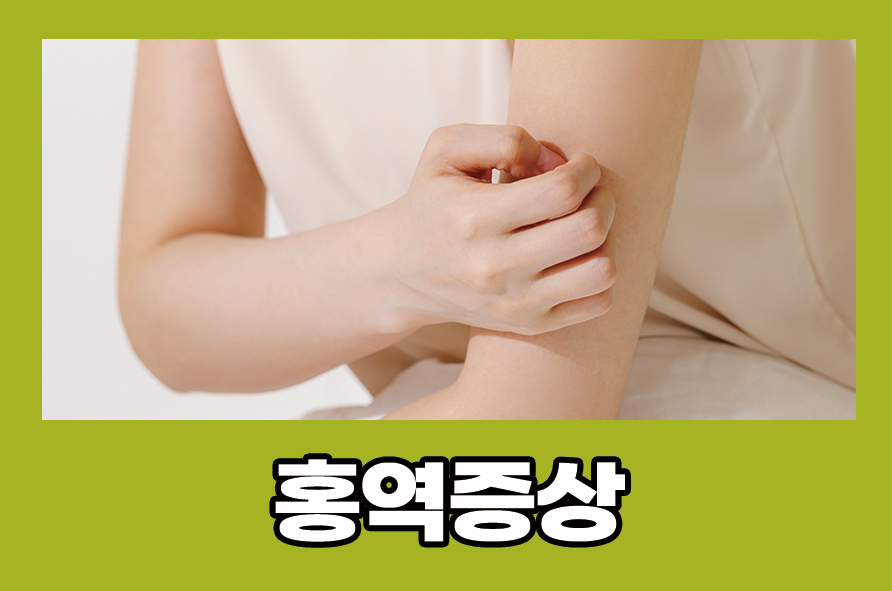
The typical measles symptoms are small grayish-white spots that appear inside the mouth and a red skin rash
that spreads over the body.
Afterward, when the rash subsides, the skin may turn brown or peel, and in severe cases,
complications such as pneumonia or encephalitis may occur, so caution is needed.

Common complications include pneumonia, encephalitis, and croup.
Croup in babies causes swelling of the larynx, making breathing difficult.
If encephalitis occurs, about 10% of cases may lead to death, so appropriate treatment should be provided as soon
as possible before such complications develop.
Most deaths from disease-related complications occur in babies under 12 months old and adults in their 40s,
which is why measles vaccination is recommended.

In general, the disease often improves over time without any special treatment by getting enough rest,
fluids, and nutrition.
When in contact with a patient, management is carried out by monitoring vaccination, antibody administration,
and the appearance of suspected symptoms in real time.
There is no treatment that completely eliminates the measles virus, but in general, fluids are given and antibiotics
are administered to prevent secondary infection.
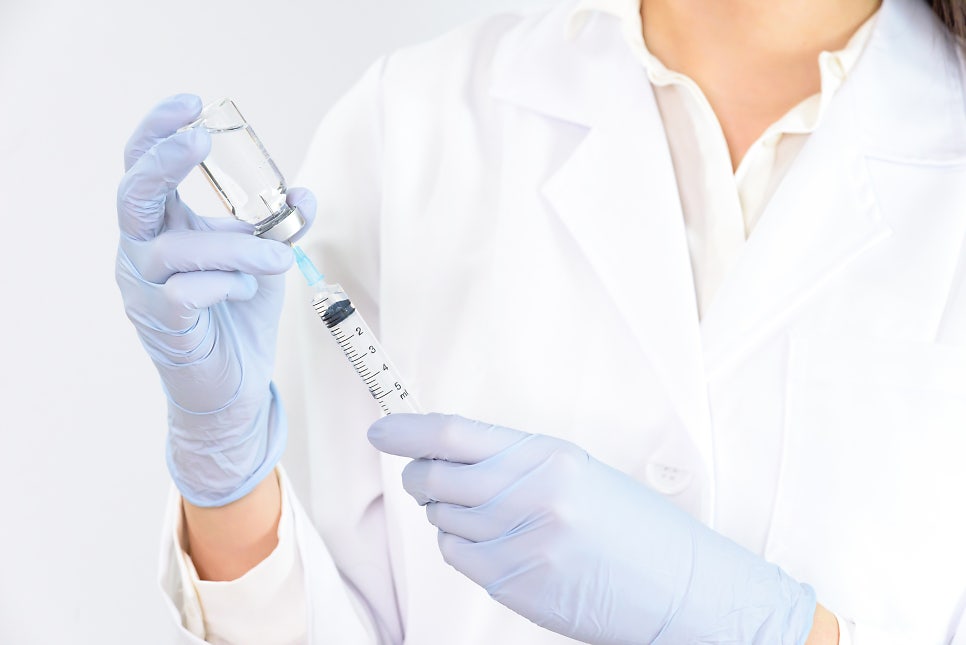
If measles vaccination is given a total of two times, immunity can be maintained for a long period,
so babies should receive one dose at 12 to 15 months of age and a second dose at 4 to 6 years of age.
Even if the two-dose vaccination has been completed, the disease can rarely occur,
but symptoms are milder than in people who were not vaccinated.
Teenagers and adults should receive at least one vaccination if possible, but since adults in their 30s and 40s are currently considered a vulnerable group,
please check whether you have antibodies and proceed with an additional vaccination.