Chickpea Benefits, Calories,
Side Effects, and How to Eat Them

In Middle Eastern and Arab countries, chickpeas, which contain a variety of nutrients, are often called a superfood,
and people who follow a vegetarian diet can also enjoy them.
They are said to have excellent chickpea benefits because they are high in protein and contain large amounts of dietary fiber and antioxidants.
Today, I’ll explain the various benefits of chickpeas, their side effects, how to eat them,
precautions, and calories in detail.
The representative benefit is improved blood sugar response. Because they have a low glycemic index,
they help suppress sudden spikes in blood sugar.
A glycemic index of 70 or higher is classified as a high-glycemic food,
56–69 as a medium-glycemic food, and 55 or lower as a low-glycemic food, but chickpeas are around 28.
In a study conducted in the UK, people who ate bread containing chickpea flour had a blood sugar response that was 40% lower than those who ate other bread.
They also contain a lot of calcium, protein, and dietary fiber, giving them highly nutritious chickpea benefits.
They contain about 45 mg of calcium per 100 g.
They also contain plenty of dietary fiber, so even if you eat a small amount, you can stay full for a long time,
and because they are low in calories, they can easily be used as a diet food.
The calories are about 170 kcal per 100 g, so people who want to maintain a healthy diet or aim to lose weight can expect beneficial effects if they eat them consistently.
Compared with other types of beans, they are rich in calcium, protein, and dietary fiber, helping strengthen weakened bones
and also aiding in the prevention of osteoporosis.
They contain a lot of iron, a component of hemoglobin, the pigment protein in red blood cells,
so chickpeas have the benefit of helping produce new blood.
They also contain vitamin E, which is good for antioxidant activity,
and plays a role in neutralizing harmful free radicals in the body and helping prevent hair loss.
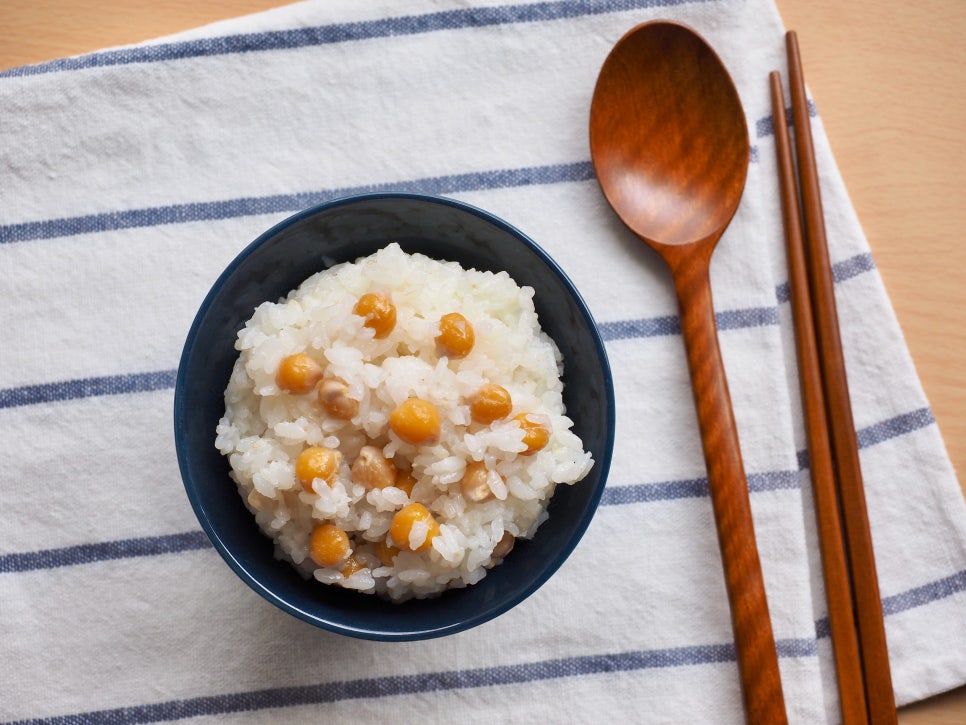
To maximize the nutrients they contain, you can add them to rice,
mash them and mix them with other foods, or make hummus.
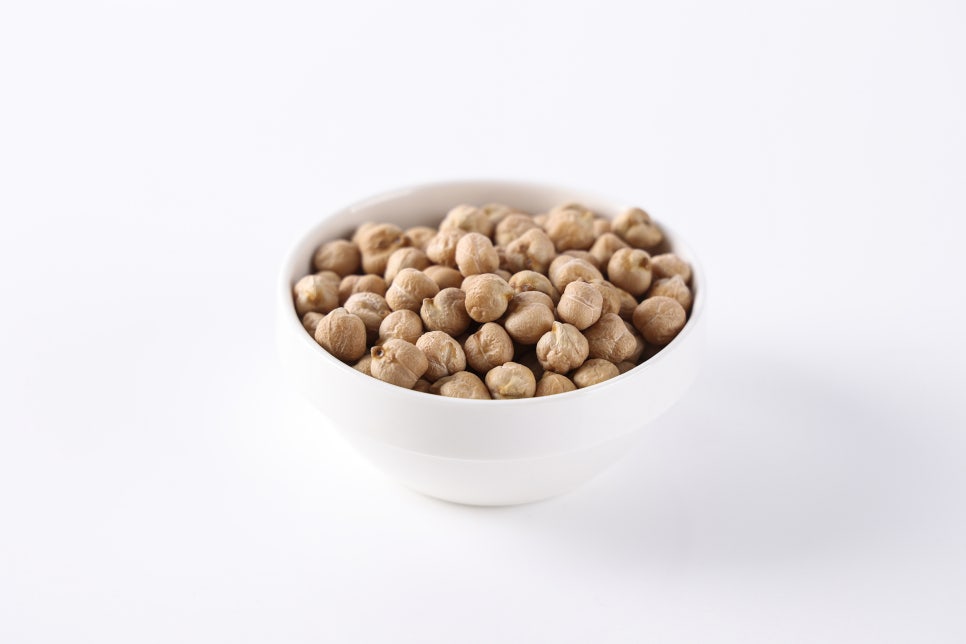
Because they are very hard to eat raw, it is better to soak them first,
then boil or roast them thoroughly before eating them.
You can enjoy them more deliciously this way.
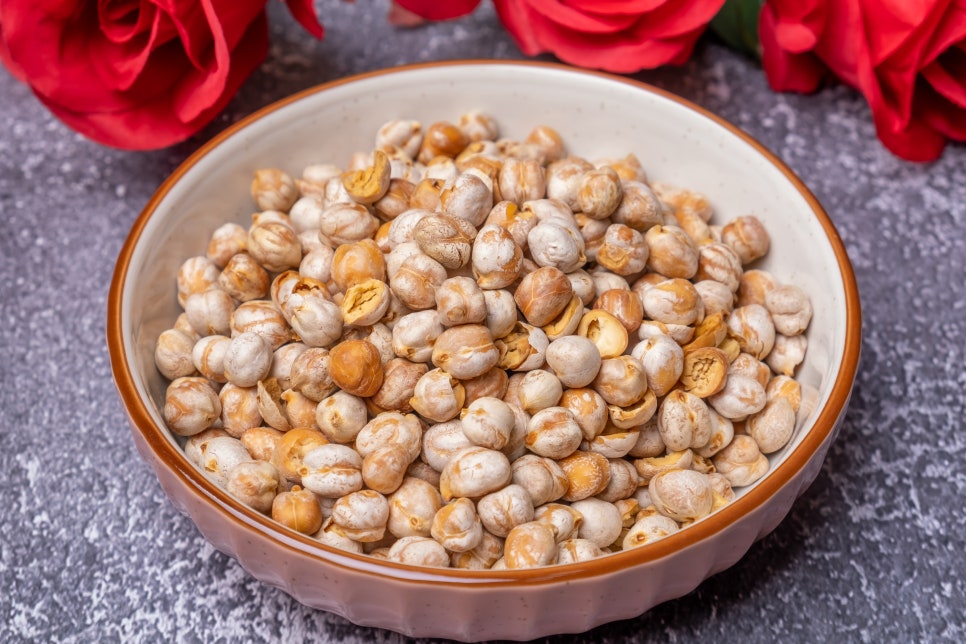
If you roast chickpeas that have been boiled once and eat them as a snack,
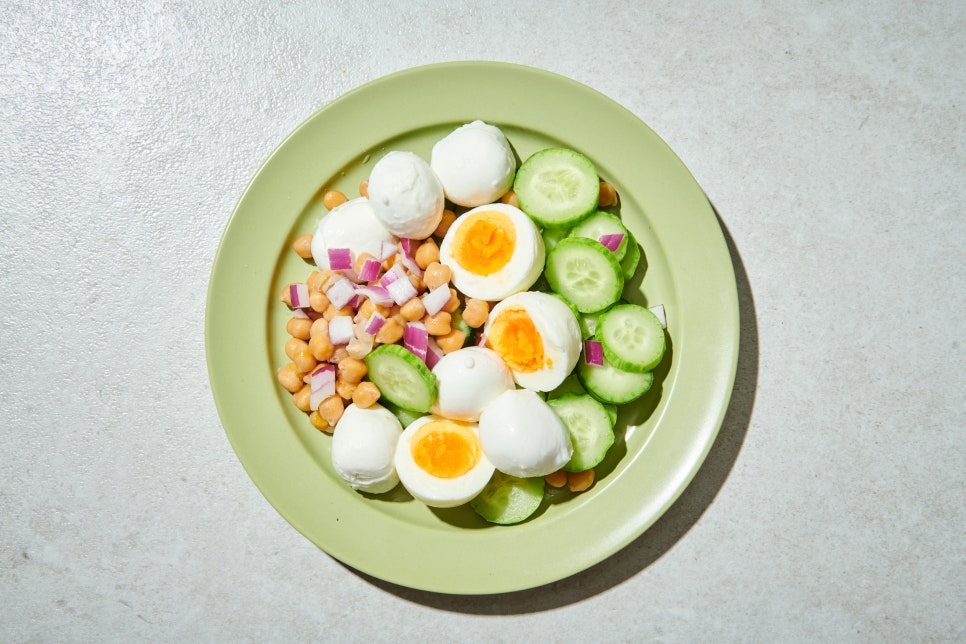
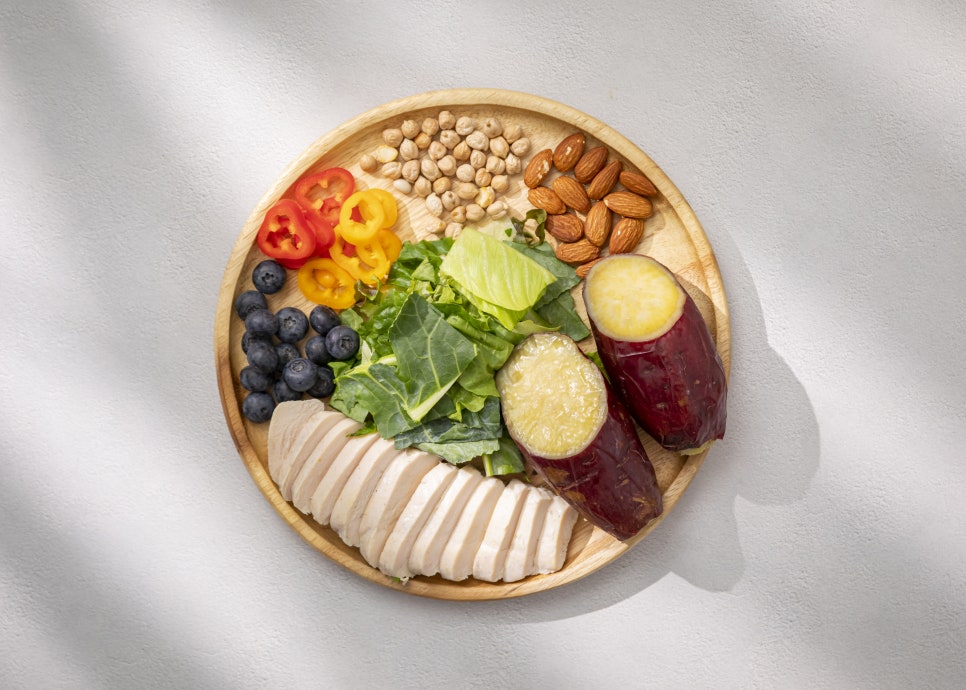
cook them with rice, or add them to salads, you can easily replenish lacking protein.
However, even if they have excellent benefits, eating them in large amounts increases the risk of side effects, so you should not exceed the recommended daily intake of 300 g.
Because they are a food high in dietary fiber, eating too much may cause abdominal bloating and a feeling of increasing gas.
Also, due to a component called oxalate, they can interfere with calcium absorption in the body and gradually build up in the kidneys, which may lead to kidney stones, so please keep this in mind.