Effects of Gyeongokgo, How to Take It,
and Differences from Gongjin-dan
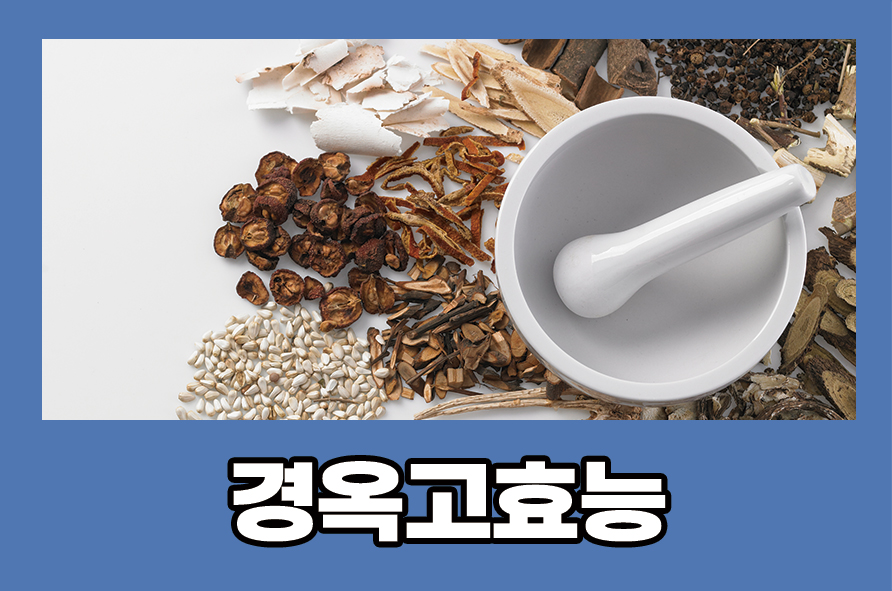
During seasons when immunity can easily decline, the risk of various respiratory illnesses increases. At times like these, it is important to strengthen physical stamina and immunity.
In traditional Korean medicine, Gyeongokgo is prescribed as a representative tonic that can replenish energy, and it is also often chosen as a health gift for older adults.
Today, we will take a proper look at the effects of Gyeongokgo, how it is made, side effects, and how to take it.
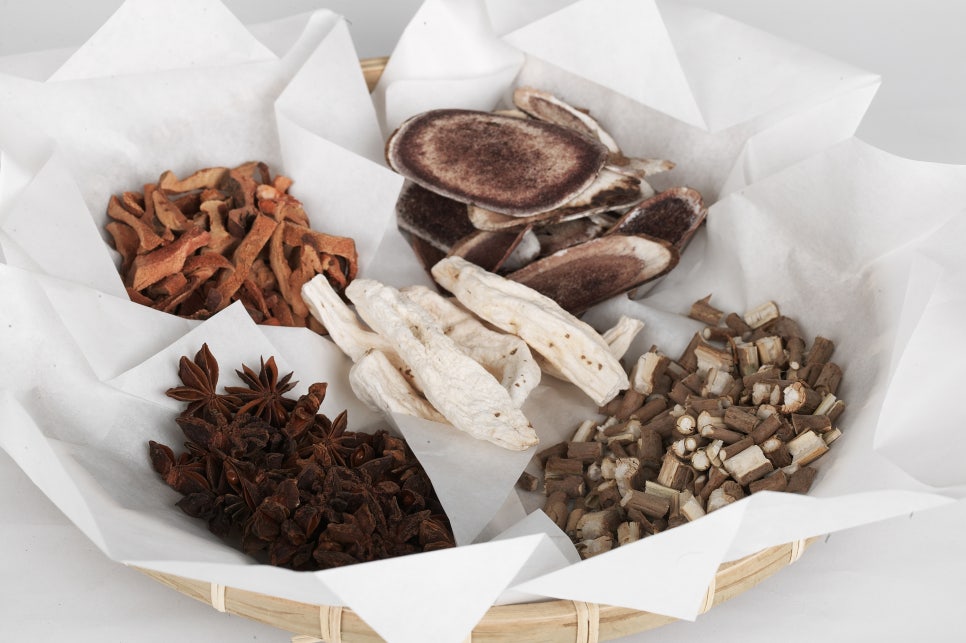
In Donguibogam, it is recorded that Gyeongokgo helps prevent illness and is a medicine that helps people live healthily for a long time.
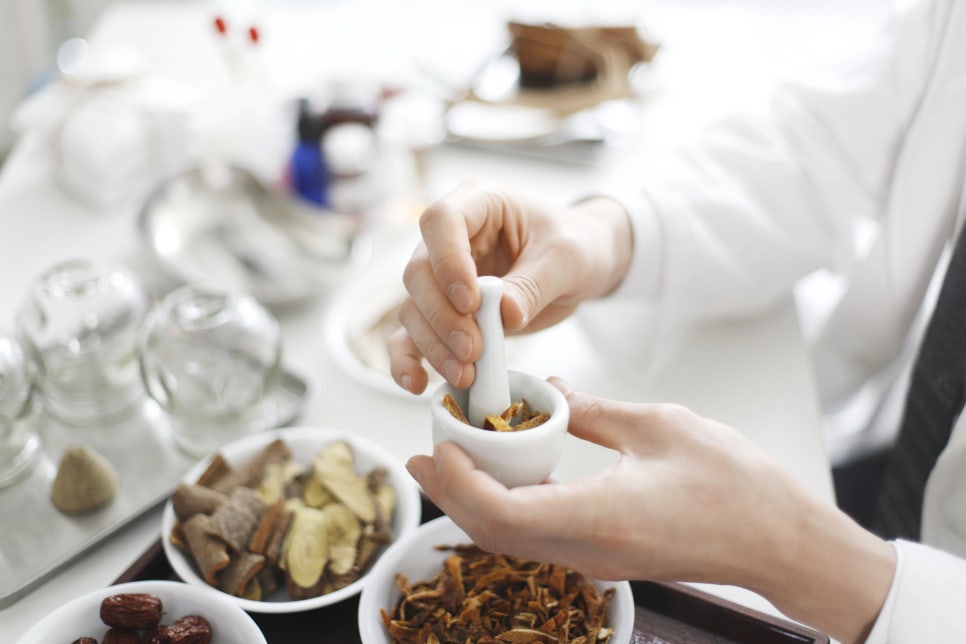
Gyeongokgo, which is regarded as one of King Yeongjo’s secrets to longevity during the Joseon Dynasty, is made from four medicinal ingredients: ginseng, rehmannia root, Poria, and honey.
Rehmannia root is known as a cooling medicinal ingredient. It helps relieve heat and protects yin. Ginseng is an ingredient also used in foods people enjoy, such as samgyetang.
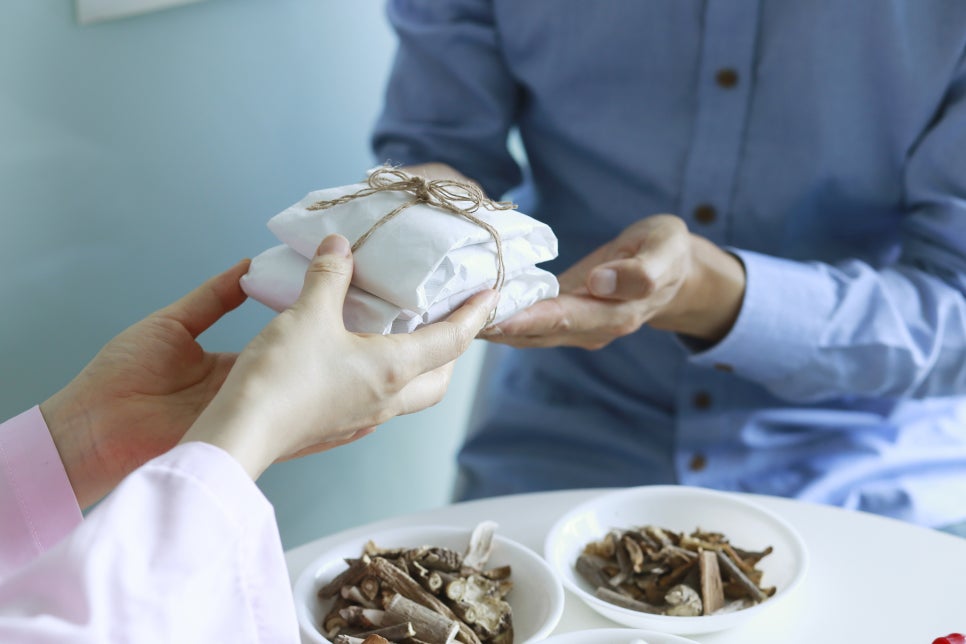
It helps restore vitality, has antioxidant effects, and can improve physical stamina and immunity. Poria helps strengthen the digestive system and is good for removing dampness that is unnecessary for the body.
It is also among the medicinal ingredients that can stimulate appetite, help maintain a clear mind, and support restful sleep.
The effects of Gyeongokgo made with these ingredients include restoring energy and boosting immunity. It may also be helpful when lung health is poor and a dry cough persists.

Gyeongokgo can be helpful even in cases of dry cough, but it may also help if you catch colds often or are managing aftereffects following a cold.
It can also be helpful to take a spoonful when digestive function is weakened and appetite has dropped. It may also be good for menopausal fatigue, depression, and children with delayed growth.
There are research findings suggesting that it helps alleviate various symptoms that appear during menopause, so middle-aged and older adults with menopausal symptoms may want to consider it.
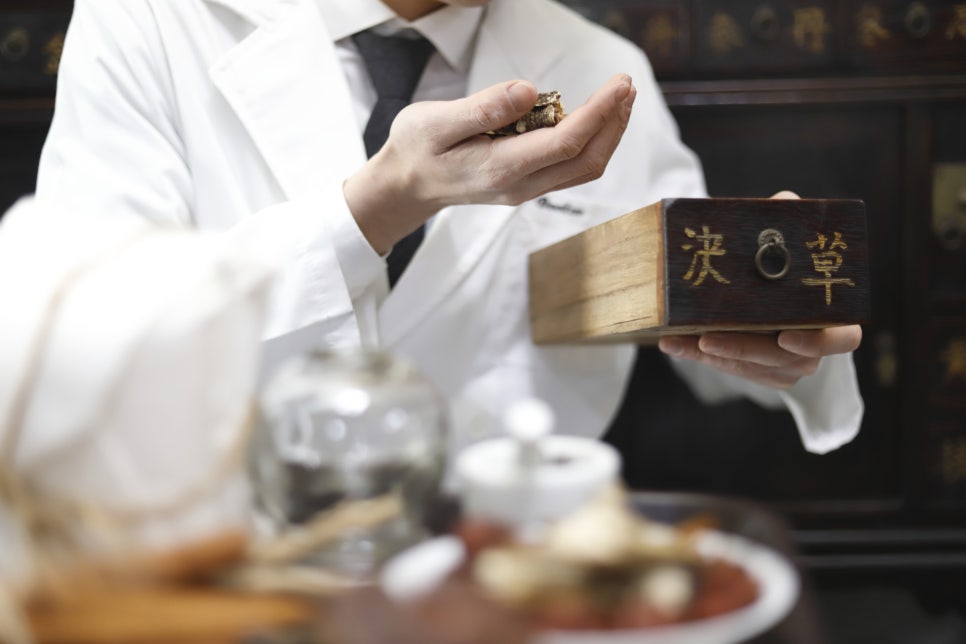
It is also effective for improving the depression and cognitive function that are typical symptoms of menopause, and it helps preserve memory and judgment, making it useful for anti-aging.
The difference between Gyeongokgo and Gongjin-dan, another herbal medicine known to help supplement immunity, is that Gyeongokgo is good for menopausal women and older adults to take.
Gongjin-dan focuses on strengthening physical vitality and kidney function, so it is good to take before an important interview or when physical strength has significantly declined.
Gyeongokgo and Gongjin-dan should be taken consistently for a long period to maximize their effects, so it is best to take them for at least 1 to 2 months if possible.
There are no particularly well-known side effects, but if heat sensations appear in certain parts of the body, or if the formula does not suit your constitution, sleep disturbances or pimples on the face may occur.
Therefore, if you are considering taking it, please carefully check your constitution and symptoms with a relevant medical professional before taking it.