Symptoms of Poor Kidney Function,
Treatment and Prevention Methods
The kidneys play an important role in filtering waste and excess fluid from the body, but once they are damaged, they do not regenerate.
Because they are also involved in electrolyte and blood pressure regulation, when kidney function is poor, the balance of the body begins to break down, and various symptoms can appear.
Today, let’s look at the causes of poor kidney function, the symptoms, diagnostic methods, treatment methods, and prevention methods.
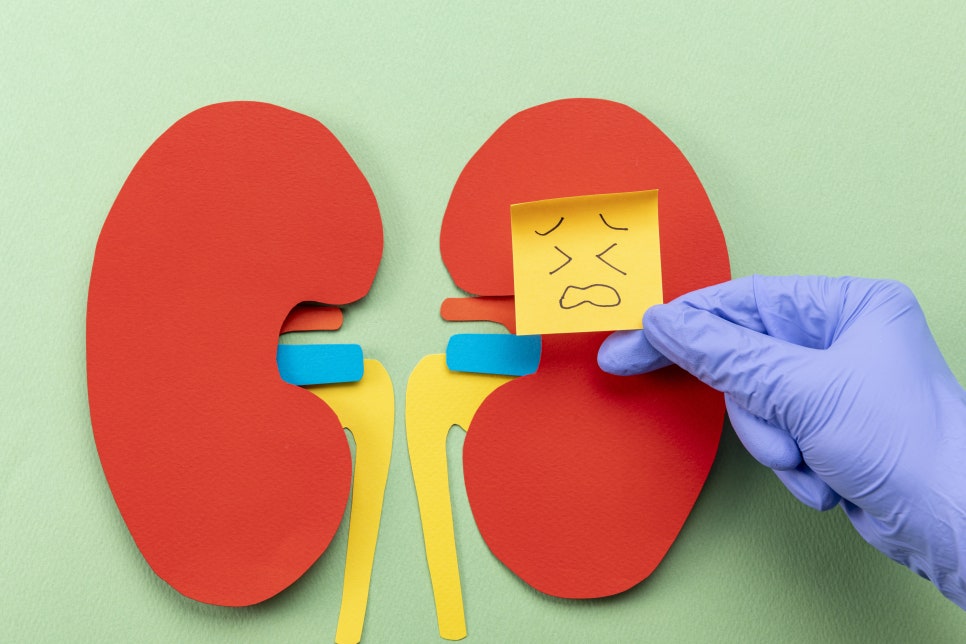
In the early stages of poor kidney function, there are often almost no noticeable symptoms, so many people do not notice anything unusual until the condition has progressed significantly.
Typical symptoms of poor kidney function include swelling in the face or legs, chronic fatigue, and itchy skin, and it can accelerate the aging of the body.
Because many uremic substances and toxic substances that should be excreted through urine gradually accumulate in the body, physical aging can also be accelerated, and urine output decreases sharply.
People who have chronic kidney disease often also have other complications such as diabetes and high blood pressure.
In such cases, immunity is lowered, making the body more vulnerable to infection, and bone mineral metabolism is also adversely affected, which can be accompanied by osteoporosis.
When all of these factors work together, aging can progress more quickly, so if you are diagnosed with chronic kidney disease, you should improve it through medication and lifestyle changes.

In particular, if proteinuria is detected or the color of the urine becomes cloudy, it is helpful to visit a hospital promptly and undergo related tests.
Also, an important way to protect kidney health over the long term is to build eating habits that control salt and protein intake.
Sodium raises blood pressure and puts a burden on the kidneys, so people who frequently eat salty foods, processed foods, or instant foods should make improvements.
Protein intake can also put too much of a burden on the body if consumed excessively, so it is helpful to adjust the amount according to the guidance of the relevant medical staff.
Providing enough fluids is also necessary, but if swelling is already severe or excretion function is reduced, fluid intake may need to be restricted.
From a lifestyle perspective, quitting smoking, avoiding alcohol, and doing aerobic exercise regularly help maintain good kidney function.

In particular, people with diabetes, high blood pressure, or hyperlipidemia have a higher risk of kidney damage, so they need even more thorough management and appropriate medication.
The kidneys do not cause pain on their own even when damaged, so they can be easily overlooked, but their impact on overall health is extensive.
Even if symptoms are mild, if you have a family history or belong to a high-risk group, please have a kidney function test once a year.