Symptoms of an Ankle Sprain
Treatment and prevention methods
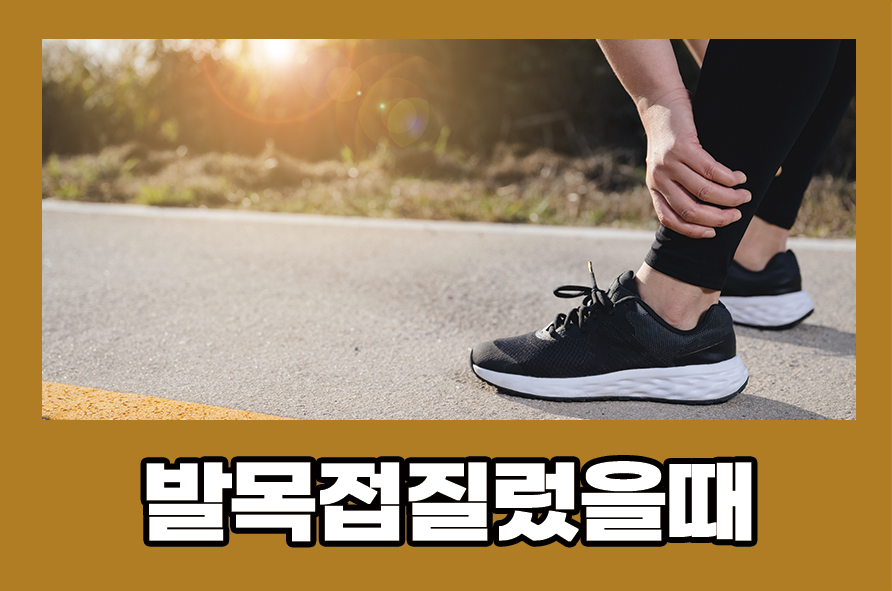
During the hot season, outdoor activities become more active, and as a result,
an ankle twist or ankle sprain can happen all at once.
Even if it seems like a simple sprain, in severe cases the ligaments
may be torn, making even light walking difficult,
and pain and swelling may occur.
Today, we will take some time to look in detail at the symptoms of an ankle sprain,
diagnosis methods, treatment methods, and prevention methods.
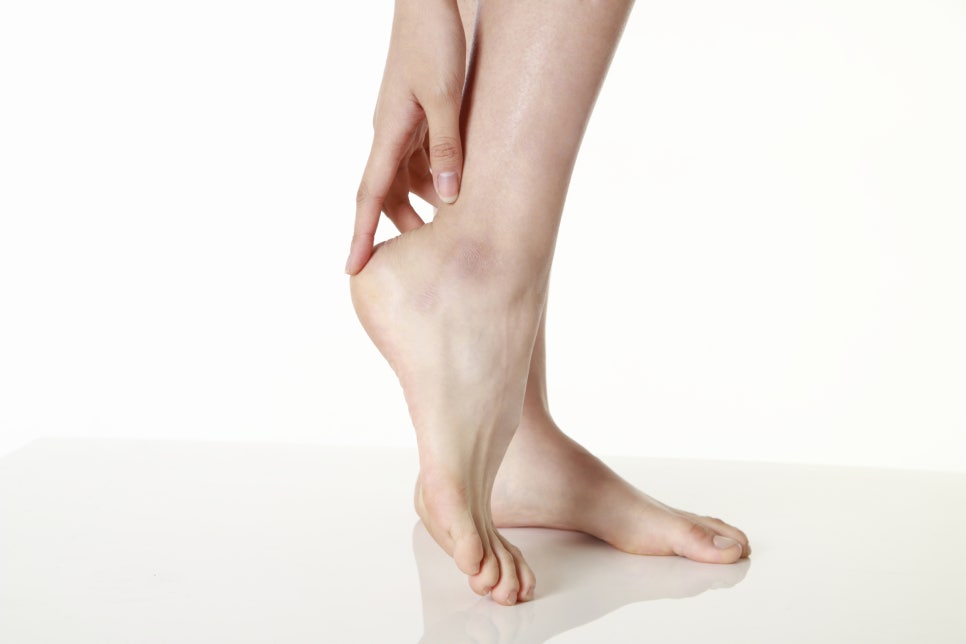
An ankle sprain refers to an injury in which the ligaments supporting
the ankle are damaged. The ankle consists of outer ligaments
and inner ligaments.
Most ankle injuries are damage to the anterior talofibular ligament,
which is one of the outer ligaments, and depending on how much the ligament
is damaged, it is classified as a first-, second-, or third-degree sprain.
It usually occurs while exercising or when you misstep while walking on level ground,
and it can also happen easily when wearing high shoes or shoes with heels.

In the early stages of an ankle sprain, swelling or bruising often appears first,
but if the injured area does not fully recover, the ligaments can gradually loosen.
If damage to the ligaments causes the ankle’s stability to collapse,
cartilage inside the joint can be damaged, and over time this can lead to deformity
and result in ankle arthritis.
This condition goes beyond making the joint stiff; it can also make basic movements difficult,
so it is important not to take it lightly.

Therefore, if the pain is severe, or if bruising and swelling persist for 2 to 3 days or more,
a clear diagnosis through an ultrasound or X-ray is necessary.
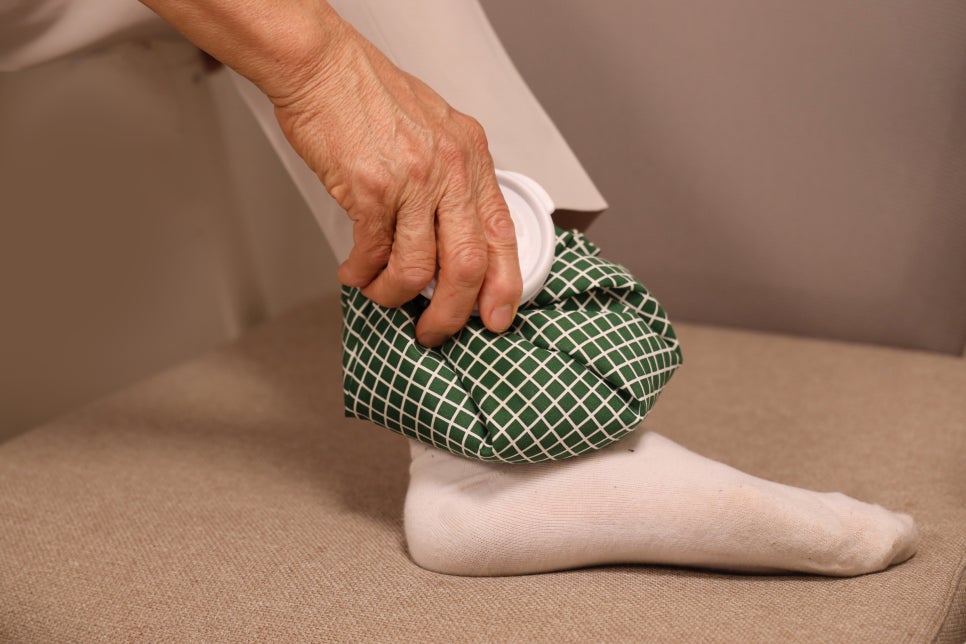
If the sprain is accompanied by a ligament tear, recovery may be slow even with simple cold compresses
or 충분한 휴식을 취해도 회복이 더뎌 깁스 고정이 필요해질 수 있습니다.
Even if there is no fracture, repeatedly occurring sprains can cause joint instability
and lead to chronic ankle pain or arthritis, so caution is needed.

Therefore, after the first injury, treatment should be carried out in an appropriate way,
and you should avoid overusing the ankle and allow sufficient time for recovery.
Recovery should begin with light stretching and balance exercises, then gradually increase weight-bearing,
and if necessary, physical therapy and taping therapy can also be considered.
If you return to daily life immediately without properly carrying out rehabilitation,
the likelihood of recurrence is high, so it is best to establish a thorough step-by-step recovery plan.
To prevent this situation, it is helpful to frequently do stretches that strengthen
ankle flexibility and muscle strength in everyday life.
Be careful when walking on uneven terrain or wet floors, and wearing shoes with anti-slip features
can help protect ankle health.
If you exercise regularly, make sure to do enough warm-up before exercising,
and avoid changing direction too abruptly during activity.