Heart Attack Warning Signs: Causes and
Treatment and Prevention
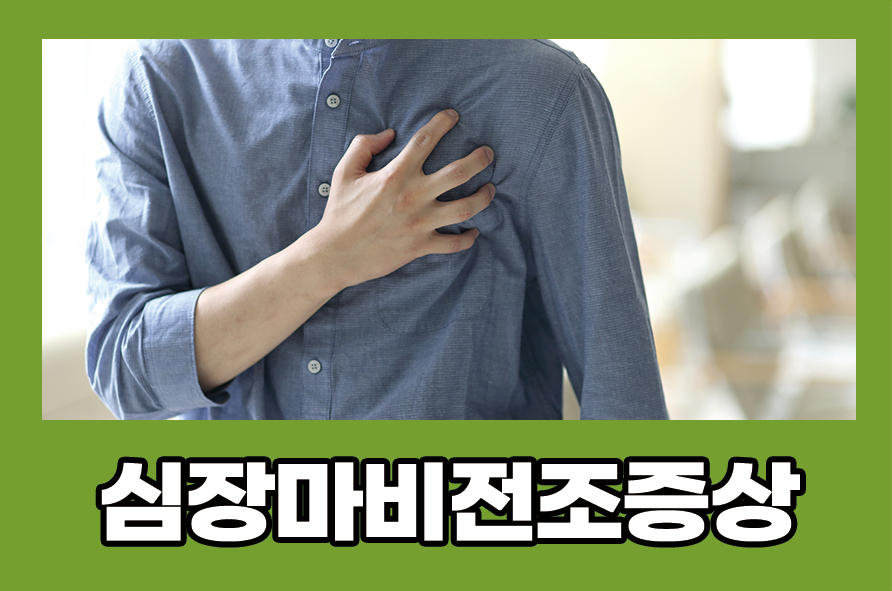
Recently, it was revealed that a celebrity who had no known illness
passed away suddenly from an unexpected heart attack.
A heart attack is an emergency condition caused by a sudden
blockage of blood flow to the heart, and it is characterized by
arriving without warning.
However, most cases show specific warning signs before onset,
so let’s look at how to recognize and respond early to protect life.

If more than 4 minutes pass after a heart attack, brain damage begins,
and if more than 5 minutes pass, the mortality rate rises sharply,
so it is good to know the warning signs in advance.
A common warning sign is a pressure or squeezing pain in the center
of the chest, and this pain may last for several minutes
or recur.
The pain can spread not only to the chest but also to the shoulders,
arms, neck, and jaw. In particular, pain radiating to the left arm
can indicate a problem with the heart.

Some patients describe heart attack warning signs as feeling like
indigestion or as a tightness in the upper abdomen, so it can be
easily mistaken for simple fatigue or stress.
Therefore, careful observation is needed in daily life, and if you have
risk factors such as high blood pressure, diabetes, smoking, or a
family history, even mild symptoms should not be overlooked.
Shortness of breath is also a representative warning sign of a heart
attack. If you become breathless more easily than usual, or if you feel
uncomfortable breathing while lying down, it may be a cause for concern.
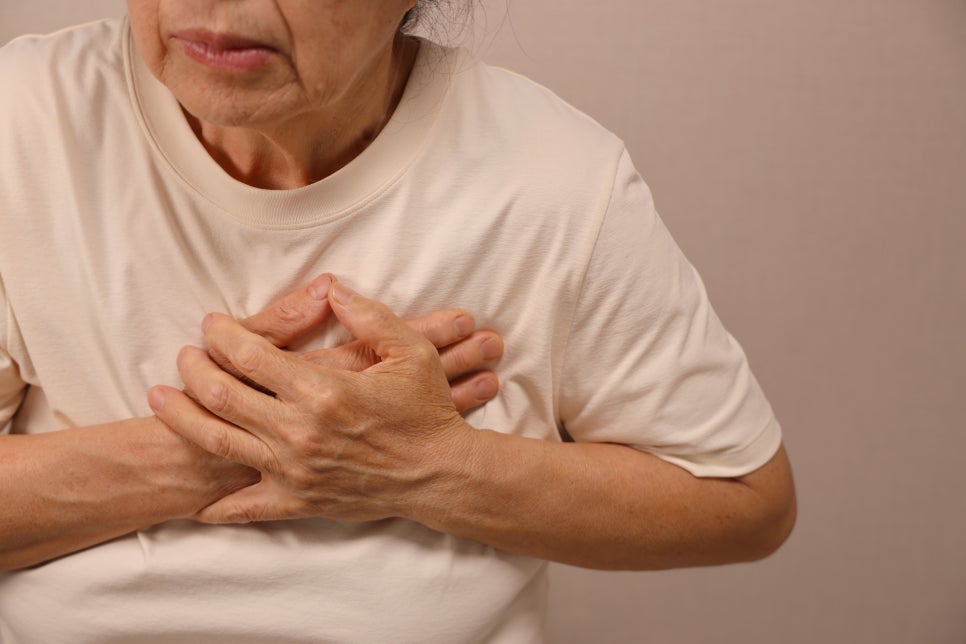
If your chest feels heavy or tight when breathing, and you suddenly
feel like you are not getting enough air, there is also a high chance
of reduced heart function.
When heart function declines, fluid builds up in the lungs, leading to
difficulty breathing. In particular, if the heart attack is accompanied
by heart failure, shortness of breath may appear early.
Fatigue and lethargy are also important warning signs, and a feeling
of being drained persists even without doing much activity.

Because the heart is the key organ that supplies blood to the entire
body, if its function declines, the first response may appear as overall
fatigue.
Therefore, if the symptoms mentioned above continue for several weeks,
do not assume it is just mild fatigue; it is helpful to undergo a proper
medical examination.
If there is a patient suspected of having a heart attack, brain cell
damage begins 4 to 5 minutes after the heart stops, so until emergency
personnel arrive, rescue breathing and CPR should be performed.

Also, for people who have risk factors in daily life, prevention is
important through ECG testing, blood pressure and cholesterol
management, smoking cessation, and regular exercise.
If symptoms recur or gradually become more severe, do not delay;
you should promptly receive an examination from the relevant medical
professionals.
Because the survival rate for this condition varies greatly depending
on whether it is treated within the golden time, please be sure to
know how to respond quickly.