Is It Okay to Eat Green Onion Flowers?
Blooming Season and Side Effects
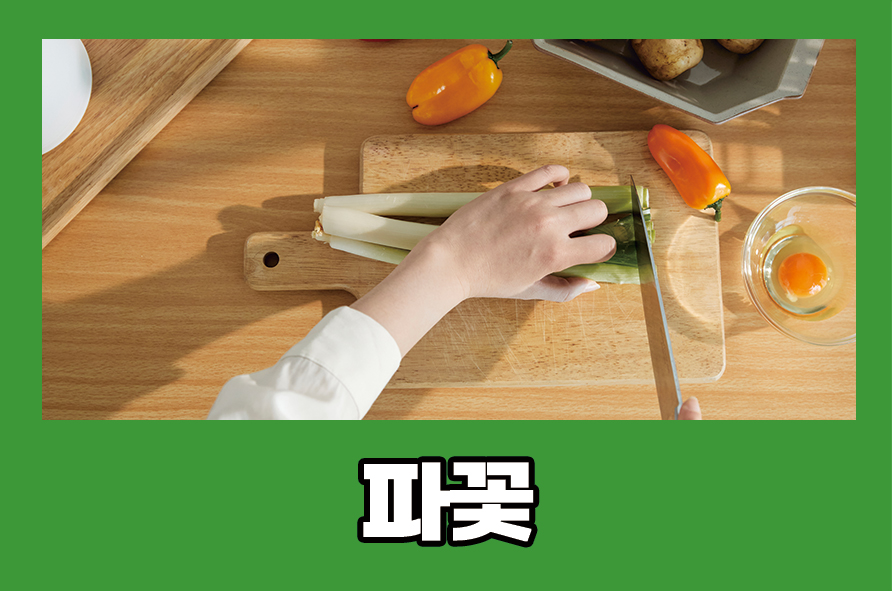
Green onion flowers refer to the round, white, ball-shaped flowers that bloom on green onions commonly eaten as food, such as large green onions or scallions.
They usually bloom in early summer.
In general, they are harvested before flowering and sold on the market, but after a certain period, a flower stalk rises from the end of the stem and the flowers bloom.
Today, we will take a closer look at whether green onion flowers can be eaten, along with basic information, the blooming season, side effects, and more.
The blooming period is usually between mid-May and early June, and the timing varies depending on temperature and sunlight. Depending on how they are stored, you may even be able to see green onion flowers at home.
When the flowers bloom, all of the plant’s nutrients are directed toward flower and seed production, so the roots and leaves no longer grow.
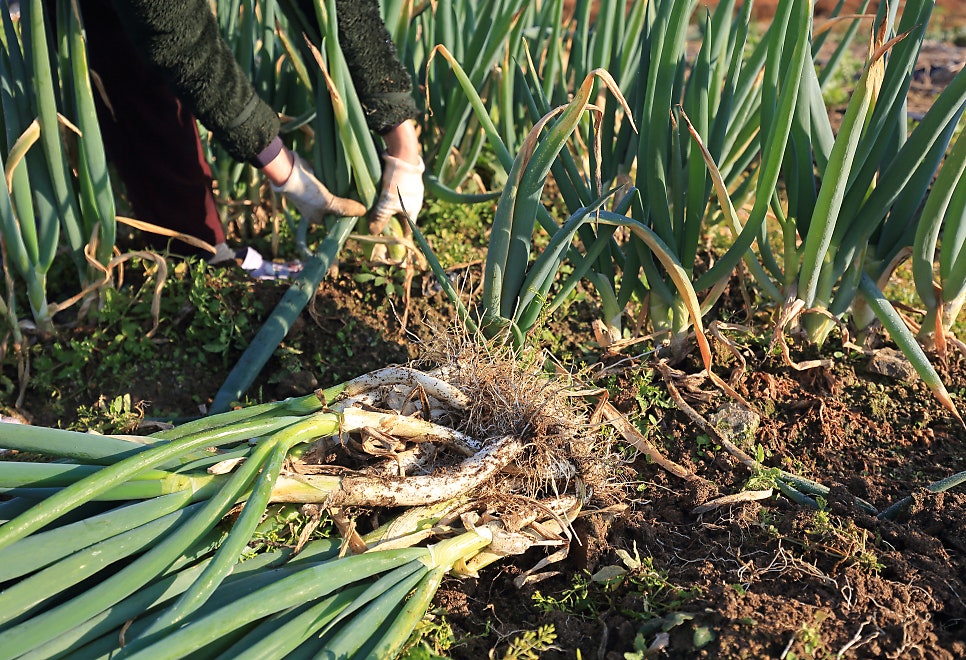
That is why farms harvest green onions before they flower when they are meant for eating, and if the goal is to collect seeds, they leave them to bloom.
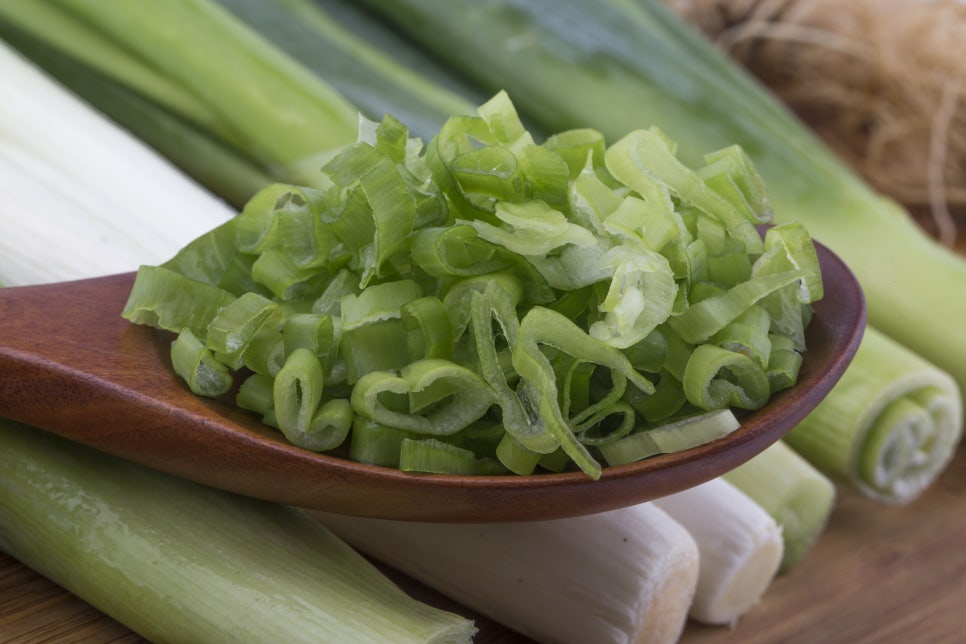
Depending on the region, green onion flowers may be eaten as food, or the tender flower stalks may be blanched and eaten as a seasoned side dish, or added to soups as an aromatic vegetable.
Because the flowers are less pungent than green onions and have a fragrant aroma, they can be eaten, are good for stimulating the appetite, and are better eaten cooked than raw.
However, if they bloom too much, the tissue becomes tough and eating them can feel unpleasant, so it is helpful to eat only the young flower stalks when they first begin to grow.
They also contain nutritionally meaningful components. Green onions’ characteristic sulfur compounds are also present in the flowers, helping with antibacterial and anti-inflammatory effects.
In addition, blanched flower stalks contain a large amount of dietary fiber, which helps promote intestinal movement, and they are also rich in minerals, making them a useful ingredient for recovery from fatigue.
Water boiled with the flower stalks can also be used as a folk remedy to warm the respiratory tract when you feel like you are coming down with a cold.
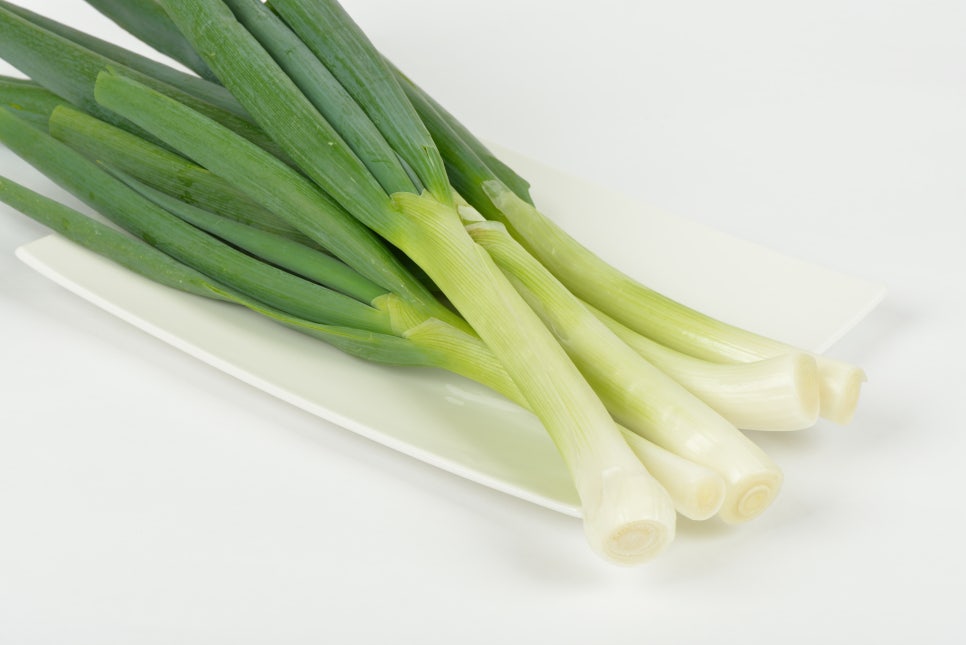
However, if you consume too much, it may cause stomach discomfort or irritate the stomach lining, so it is better to cook and eat it in moderate amounts.
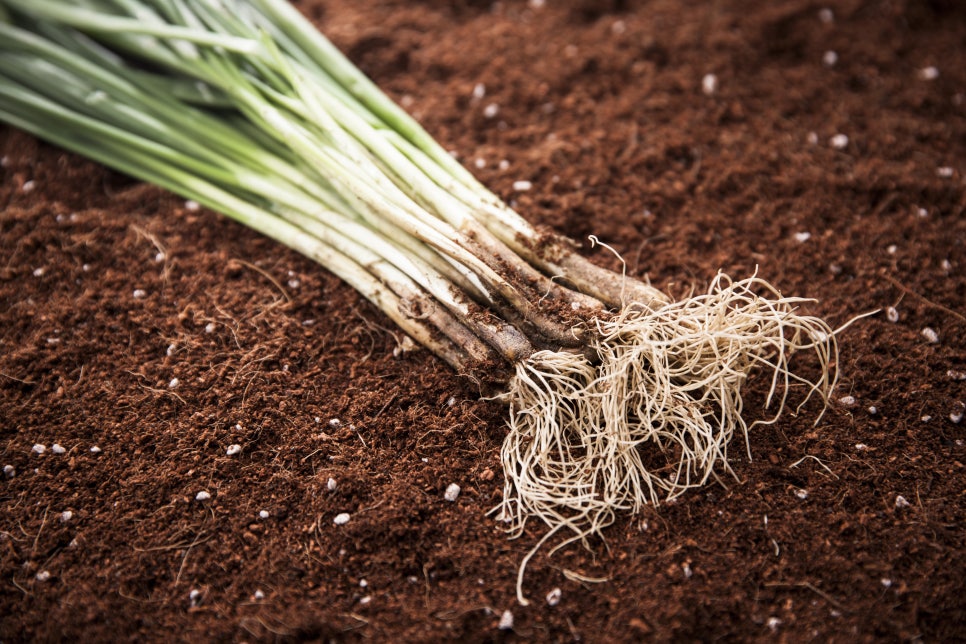
The seeds that form after the flowers fall are small and black, and if they are properly dried and stored, they can be used as seeds for planting green onions again the following year.
For households that grow green onions themselves, after the flowers fall, the flower stalks can be dried well, the seeds collected, and used for growing them in a kitchen garden or pot.
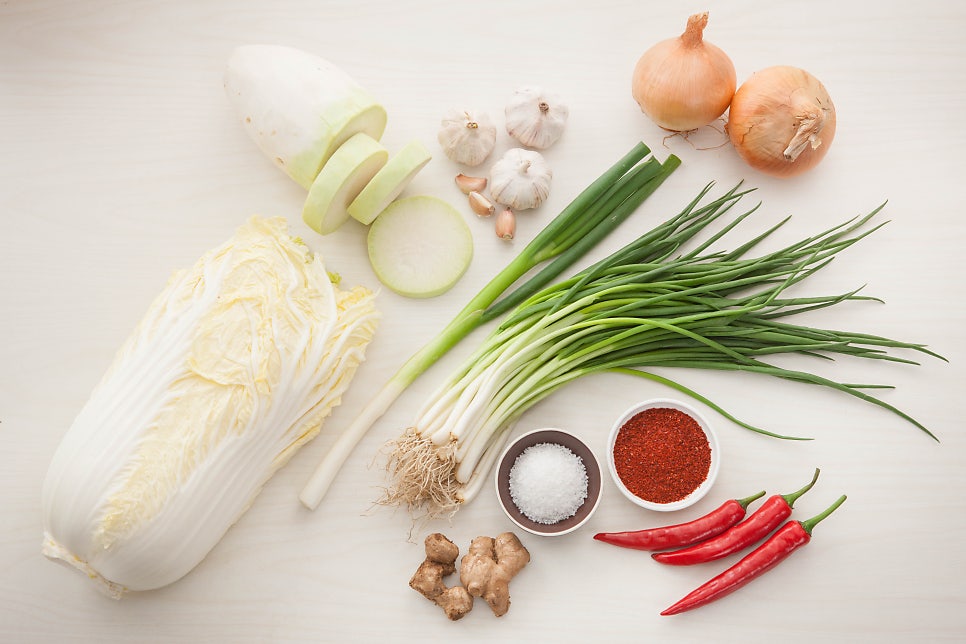
The flowers, another form of the edible vegetable green onion, are a plant that has value in many ways, both ecologically and as a food ingredient.
Rather than simply throwing them away after they bloom, they can serve multiple purposes, including seed collection, ornamentation, and medicinal uses, so it is good to make appropriate use of them according to your purpose.
They are surprisingly easy to see in everyday life and are a plant that is easy to overlook, but I hope you will think about the cycle of nature and the meaning of self-sufficiency through these flowers.