How to Choose a Watermelon: Benefits,
Side Effects, Storage

One of the 대표적인 fruits of summer is watermelon, and when people go to the supermarket, many want to choose one easily by sight without tapping it first.
If you know the proper way to choose a watermelon, you are less likely to pick one with low water and sugar content, and you can enjoy a sweeter one.
Today, we will clearly look at how to choose a watermelon, its benefits and side effects, storage methods for keeping it fresh for a long time, calories, and more.
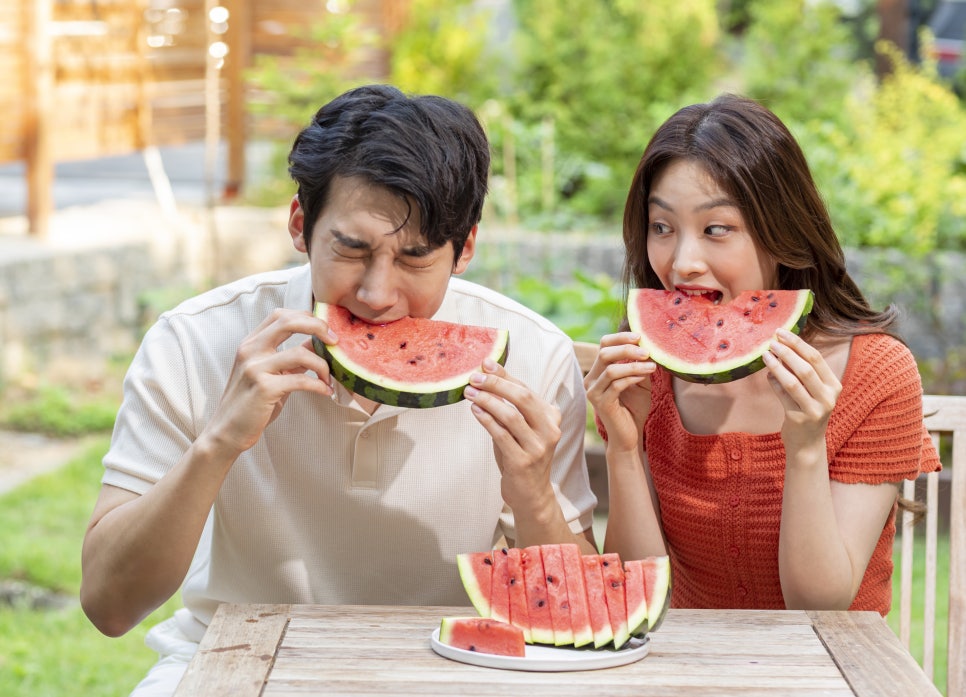
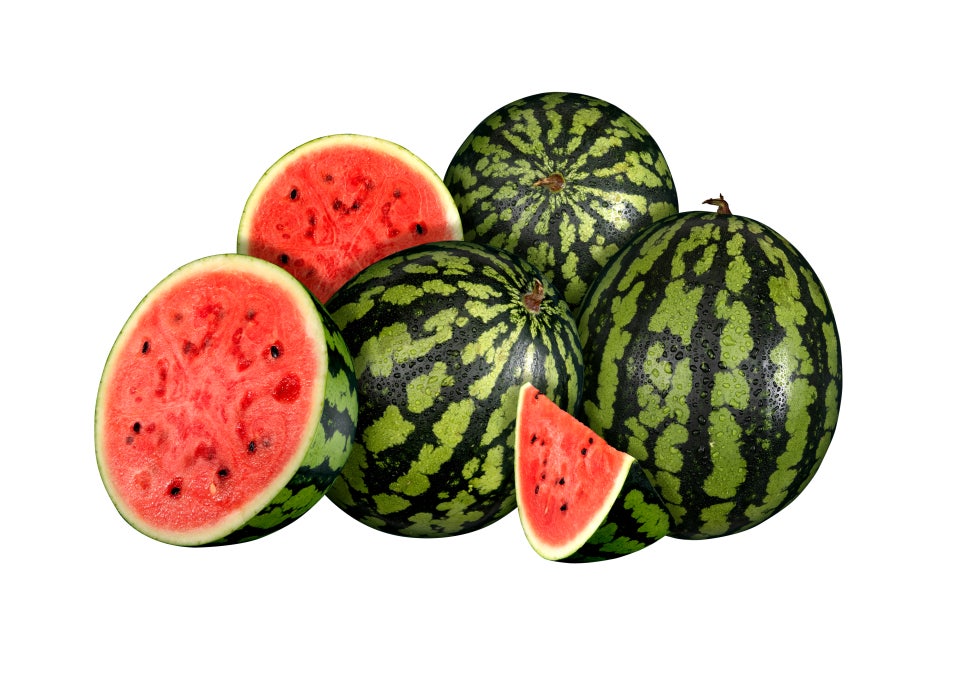
The first way to choose a watermelon is to carefully check its appearance. It is best to pick one with a smooth surface, vivid color, and a glossy finish.
A watermelon with clear, evenly spread stripes and a yellow resting spot on the bottom is also a sign of good sweetness.
Also, the bottom part, called the belly button, is small and firm, which is likely to indicate a high-quality watermelon with a lot of moisture and a full interior.
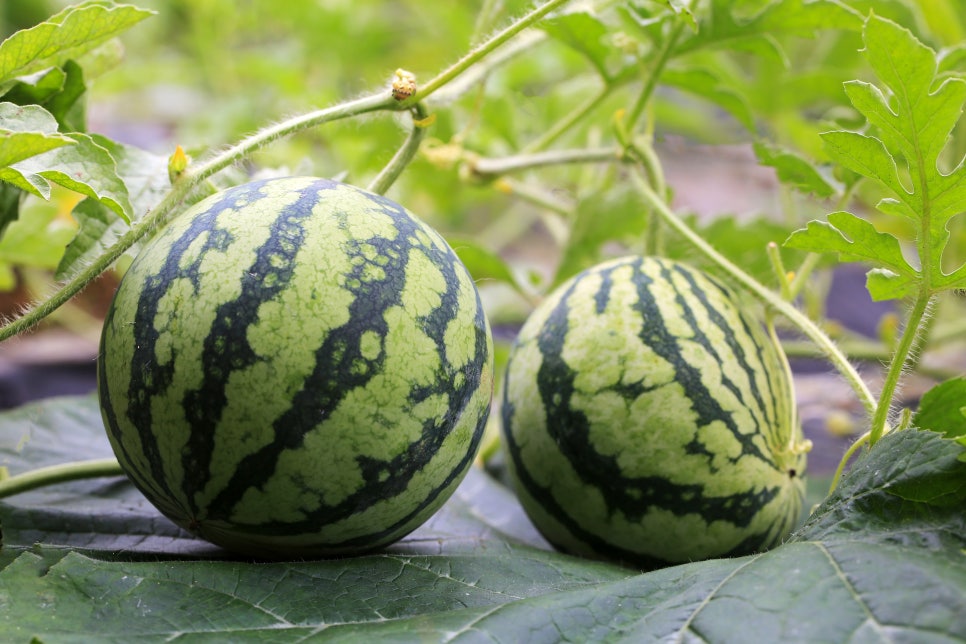
The second way to choose a watermelon is to pay attention to the sound it makes when tapped lightly. A clear, bouncing sound means the fruit is full inside.
When the size is the same, a heavier watermelon tends to have a higher water content and a stronger sweetness, so it is a good idea to lift it before buying.
However, if the surface is uneven or has many sunken spots, it may have had problems during growth, so it is best to avoid it if possible.

This fruit is made up of more than 90% water, so it helps quickly relieve thirst during the hot summer months and is excellent for hydration.
It also contains large amounts of lycopene, beta-carotene, and vitamin C, which help with antioxidant action and contribute to anti-aging and improved immunity.
In addition, it contains an amino acid called citrulline, which helps improve blood circulation and has a positive effect on blood pressure control.
Although it is a fruit with various health benefits, consuming too much can increase the likelihood of digestive issues such as abdominal pain and diarrhea.
In particular, because it is a fruit with a cooling nature, people with weak digestive health or sensitive intestines should avoid eating too much.
It is also high in sugar, so if you have diabetes or need to manage your blood sugar, it is safer to limit the amount per serving.
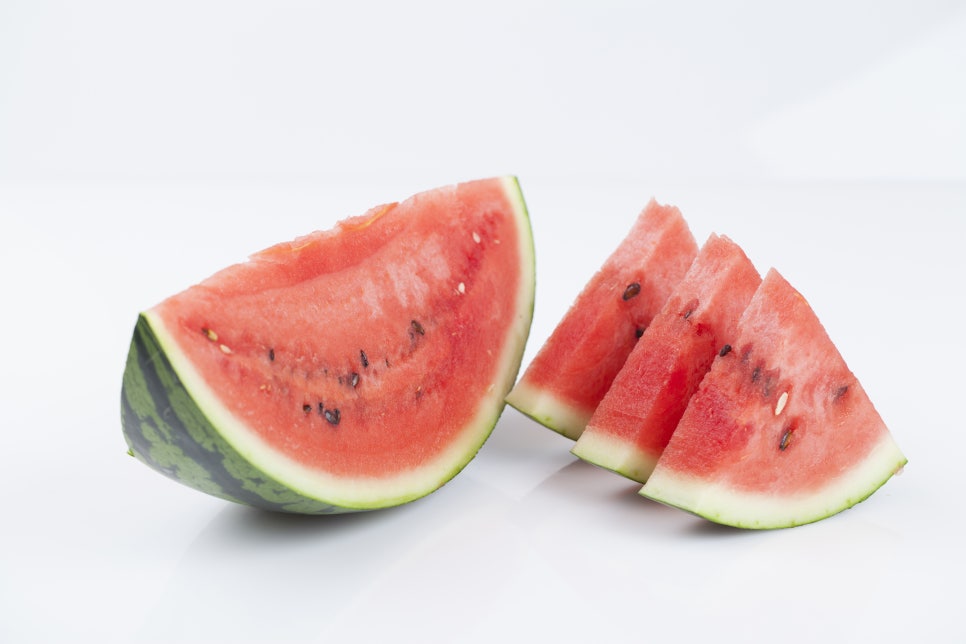
If storing the whole fruit, keep it away from direct sunlight and place it in a cool, well-ventilated space to help it stay fresh longer.
For cut watermelon, wrap it tightly with plastic wrap or place it in a container and refrigerate it, ideally eating it within 2–3 days.
Be careful because the cut surface loses moisture easily and bacteria can grow quickly. Also, at about 30 kcal per 100 g, it is relatively low in calories, so you can enjoy it without much burden.