Symptoms of heat exhaustion,
coping and prevention methods for drinks and foods

Last year, the intense summer heat that neared 40°C also arrived without fail this year, and news has been reported that the heatwave that began in May could continue until November.
In situations of heat exhaustion, various symptoms can appear and lead to many inconveniences in daily life, so it is best to know in advance how to respond quickly.
Today, we will take a detailed look at the main symptoms of heat exhaustion, how to respond, drinks and foods that help recovery more quickly, and precautions.

The first symptoms that appear when you are overheated include lethargy, headache, dizziness, and reduced concentration, and they can happen to anyone in summer, so caution is needed.
As body temperature regulation becomes difficult, the face may suddenly turn red, cold sweat may appear, and in severe cases this can lead to vomiting, fainting, and clouded consciousness.
In addition, a rapid heartbeat, shortness of breath, and a feeling of sudden swelling throughout the body are major symptoms of dehydration affecting the whole body.
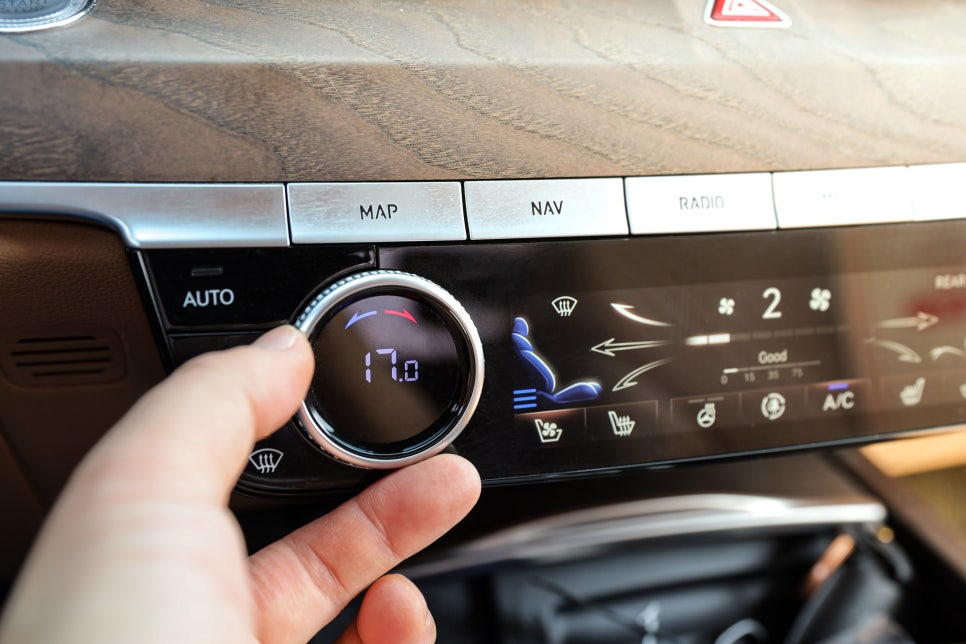
If the person is a young child, an elderly person, or someone with a chronic illness and has a weak immune system, the situation is even more dangerous, so it is important to recognize the symptoms early and respond quickly.
Heat exhaustion is triggered because the breakdown of body temperature regulation causes sweat, water, and electrolytes to be rapidly lost.
When exposed to high temperatures for a long time or under the sun for an extended period, body water evaporates quickly and circulation declines, so caution is needed.
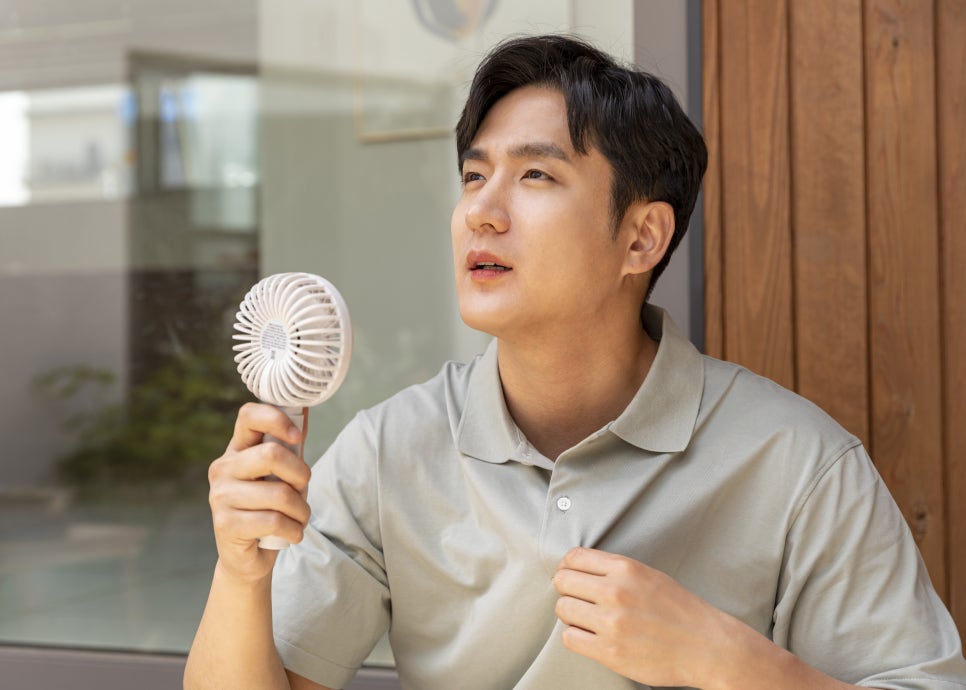
In severe cases, it can develop into heat stroke or heat exhaustion, leading to an emergency situation that can threaten life, so you need to stay alert.
If you have been overheated, first move to a cool shaded area or indoors, then stabilize your body and lower your temperature.
You should also replenish water and electrolytes sufficiently through water or a sports drink, and cooling the neck and underarms with an ice pack or a cold wet towel helps.

If possible, do not lie flat on the floor; slightly raise your legs to help blood flow smoothly to the heart, which helps prevent dizziness.
If the symptoms are severe or accompanied by vomiting or decreased consciousness, it is safer to go to the emergency room immediately or call 119 for help.
Therefore, outdoor activities during extreme heat should be avoided as much as possible, and if you must go বাইরে, it is best to block the sunlight with a parasol, hat, sunscreen, and so on.

Foods that help with quick recovery should be able to replenish water and electrolytes together; representative examples include watermelon, cucumber, Korean melon, and cold seaweed soup.
Salted glucose and electrolyte drinks also help with faster recovery, and for meals, soft, non-irritating foods such as rice porridge, porridge, and soups are helpful.
In addition, fruits that contain large amounts of potassium, such as lemons, bananas, and tangerines, help balance electrolytes in the body, but iced coffee and carbonated drinks, for example, can actually speed up water loss, so it is best to avoid them as much as possible.