마누카꿀효능 뉴질랜드
수치, 부작용, 보관 방법은?
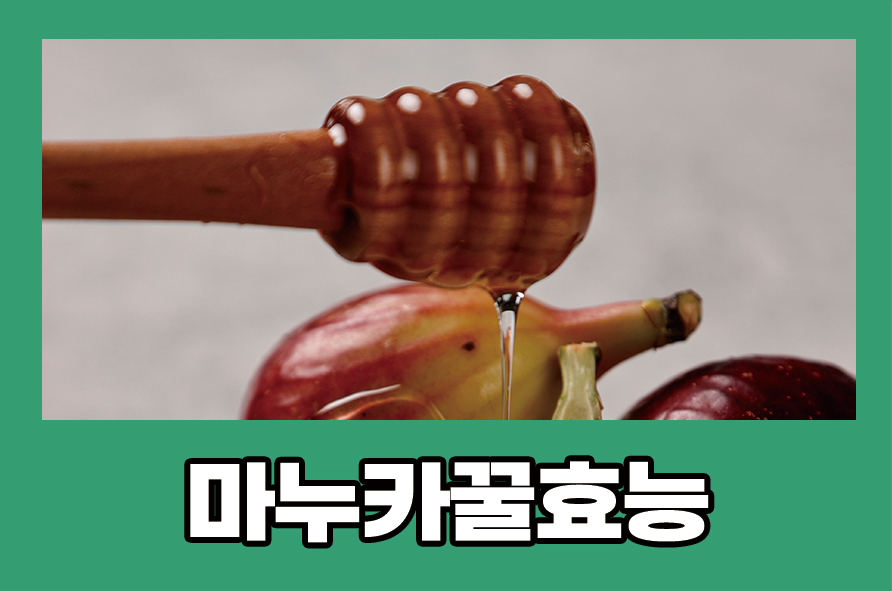
Manuka honey, which is harvested from the flowers of the manuka tree that grows naturally in parts of New Zealand and Australia, is considered a premium natural honey of a higher grade than regular honey.
The manuka tree has the characteristic of growing only in environmentally clean areas, and because the honey itself contains a large amount of antibacterial components, it is known for its excellent benefits.
Today, we will take a detailed look at the benefits, side effects, how to eat it, storage methods, and precautions for manuka honey from New Zealand and Australia.
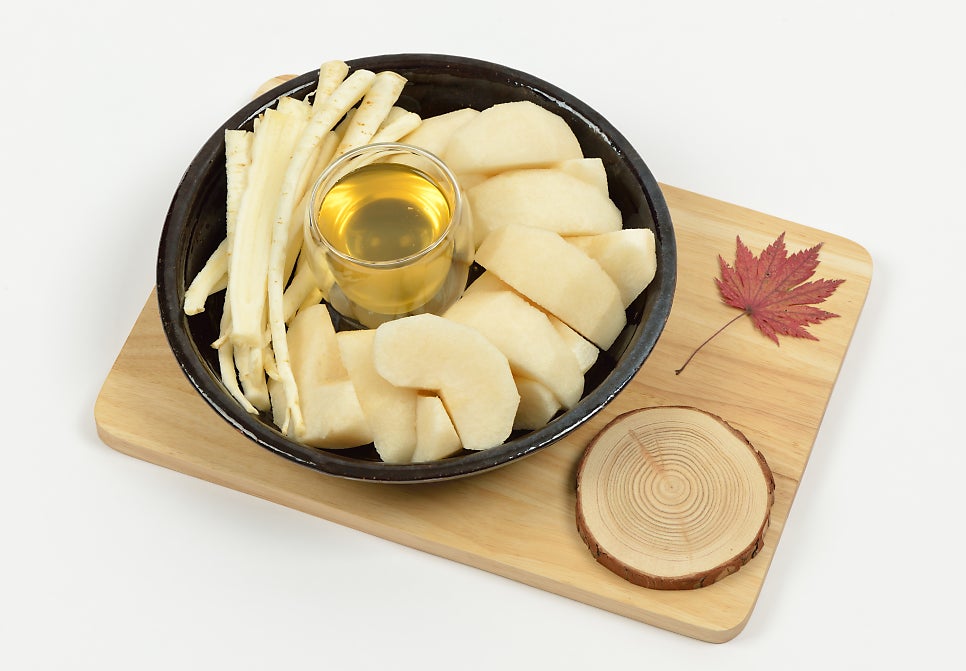
In the case of New Zealand, it is a representative production area for this honey, and it operates a management system that applies the UMF index to guarantee quality.
UMF is an indicator that expresses the antibacterial component content of manuka honey as a number, and the higher the number, the stronger the antibacterial benefits of manuka honey.
New Zealand honey generally ranges from UMF 5+ to 20+, and for therapeutic purposes, using 1+ or higher is common.
On the other hand, the tree also grows naturally in Australia, but MGO values are often used more than UMF, and the quality management system is operated in a similar way.
Representative benefits of manuka honey include antibacterial action, relief of gastritis, improvement of oral health, recovery from skin wounds, and improved immunity.
In particular, when Helicobacter pylori bacteria are present in the stomach, the antibacterial power of this honey may be helpful, and it helps protect the stomach lining and quickly relieve symptoms of gastritis.
It is also excellent at suppressing bacterial growth in the mouth, and has outstanding effects in removing bad breath, preventing gingivitis, and relieving inflammation in the mouth.
Taking it on an empty stomach is beneficial for protecting the stomach, and you can enjoy it by taking about 1 to 2 spoonfuls a day on its own or with food.
If you mix it with warm water and drink it in the morning, it gently coats the stomach and is also useful for boosting immunity, so it is a suitable food for a regular health management routine.
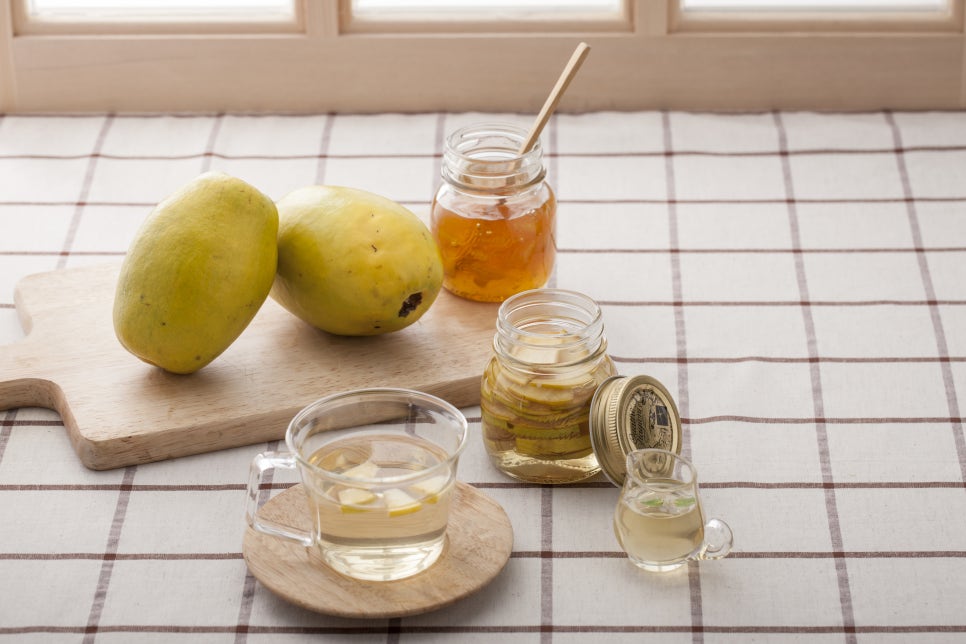
However, if it is added to boiling water, the active ingredients are highly likely to be destroyed, so it is safest to consume it at a temperature below 40°C or simply eat it as is.
Even so, if you have a honey allergy or have a specific medical condition, caution is needed before consuming it, and infants under 1 year old and people with diabetes should also be careful.
If you have diabetes, there is concern about a rise in blood sugar, so you need to have a thorough discussion with the relevant medical professional before eating it, and excessive intake may cause gastrointestinal discomfort such as diarrhea and abdominal pain.
This honey should be kept away from direct sunlight, and when storing it, it is best to keep the lid tightly closed and store it at room temperature; refrigeration should be avoided if possible.
Because of its high sugar content, it can be stored at room temperature for a long time, but you should be careful because quality deterioration can progress quickly if it comes into contact with moisture and air.
Therefore, store it in a dry, cool place, and after use, please be careful to use a clean spoon so that foreign substances do not come into contact with the contents.