How to Stop Diarrhea: Water, Gastroenteritis
Causes, Helpful Foods, and Medicines?

During the hot summer months, stomach pain or watery diarrhea
can occur from time to time, and many people search for ways to
stop diarrhea quickly so they can respond fast.
Most cases are caused by food poisoning,
but diarrhea can also happen frequently due to other causes,
so it is a good idea to know how to respond in advance.
Today, we will take a detailed look at various cases of gastroenteritis,
ways to stop watery diarrhea, causes,
symptoms, helpful foods, medications, and precautions.

Diarrhea can be caused by inflammation or problems in the intestines,
or by bacterial or viral infection, stress, or reactions to certain medications.
In particular, watery diarrhea often appears with acute gastroenteritis,
food poisoning, or problems in gastrointestinal function,
and you should be careful because water may not be properly absorbed in the intestines.
If water absorption does not proceed smoothly, loose and large amounts of stool are passed,
which increases the risk of dehydration,
so it is important to respond quickly.
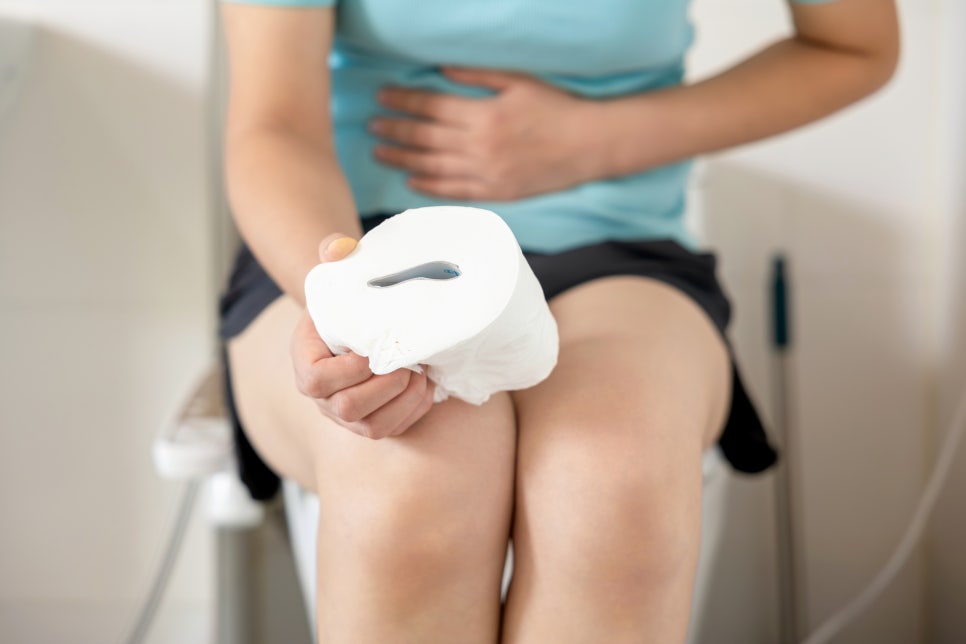
When symptoms occur, the first thing that can help is to stop diarrhea by
replenishing enough fluids and electrolytes.
Many people mistakenly think it is better not to drink much water when symptoms appear,
but rather, it is better to drink small amounts frequently to prevent dehydration.
In particular, for young children and older adults,
dehydration progresses faster than in other people,
so they should keep taking fluids even before the diarrhea stops.

If the diarrhea is caused by gastroenteritis, it is better to avoid greasy,
spicy, or salty irritating foods and let the intestines rest fully.
Among ways to stop diarrhea, temporarily stopping eating and creating a diet
that provides soft foods such as porridge and rice gruel can help recovery.
It is also good to provide meals in small amounts,
ease the burden on the damaged intestines,
and temporarily reduce the secretory activity of the gastrointestinal tract.

Helpful foods in this situation include bananas, white rice porridge,
pumpkin porridge, boiled potatoes, and maesil, and bananas in particular
contain a lot of potassium.
Because of the large amount of potassium, they help replenish electrolytes,
and maesil helps stimulate the appetite and strengthen the stomach and intestines.
However, milk, dairy products, caffeine, and greasy foods are foods that irritate the intestines,
so they should be avoided as much as possible,
and it is better to temporarily avoid raw vegetables and fruit as well.

Medications can actually worsen symptoms if taken in situations such as bacterial gastroenteritis
or when toxin elimination is needed, so you should avoid judging on your own.
If symptoms continue for more than 2 to 3 days, or if fever, bloody stool,
vomiting, or similar symptoms are accompanied,
you should quickly visit a relevant clinic or hospital to receive an accurate diagnosis and prescription.
Make it a habit to wash your hands thoroughly in daily life,
and be sure to eat food fully cooked rather than raw,
and follow food poisoning prevention guidelines carefully.