Causes, Symptoms,
Treatment, and What to Do When Consciousness Drops in Hypoglycemic Shock
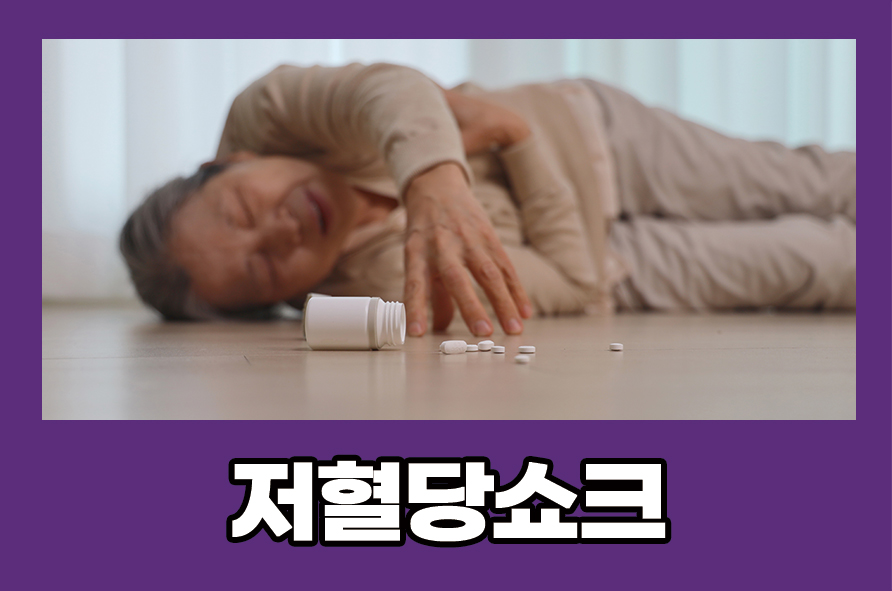
Hypoglycemic shock refers to an emergency condition that occurs when blood sugar levels drop sharply and the brain and
body can no longer be properly supplied with energy.
It can mainly occur when a patient with diabetes takes too much insulin,
skips a meal, does intense exercise, or continues fasting after drinking alcohol.
So today, we will take a closer look at the causes and symptoms of hypoglycemic shock,
diagnosis, treatment, and what to do when someone loses consciousness.

If you use insulin injections or blood sugar-lowering medications
for diabetes treatment, blood sugar can suddenly drop below normal,
which may even lead to loss of consciousness.
It can also occur due to excessive dieting, nutritional deficiencies, chronic liver
disease, hormonal abnormalities, and other causes, so the cause must be clearly understood and managed.
Early symptoms of hypoglycemic shock include autonomic nervous system
symptoms such as hunger, palpitations,
cold sweats, trembling hands, dizziness, and anxiety.

If symptoms worsen, you may experience clouded consciousness, reduced concentration,
blurred vision, slurred speech, and other signs of declining brain function,
so caution is needed.
If you do not respond quickly, it can lead to fainting, seizures,
or even coma. Because symptoms progress rapidly,
immediate action is needed even at the first signs.
In particular, children, older adults, and people with diabetes have lower awareness of hypoglycemia,
so caregivers and family members should know the symptoms well to reduce risk.

If the condition is suspected, it is best to quickly diagnose it through blood sugar measurement.
In general, a blood sugar level of 70 mg/dL or lower is considered hypoglycemia.
At the hospital, in addition to blood tests, the patient’s symptoms, medication
history, meal contents, and whether they exercised are comprehensively considered
to determine whether hypoglycemia is present and what caused it.
In particular, if it happens repeatedly, more detailed testing may be needed to closely check for endocrine abnormalities or insulin-secreting tumors.
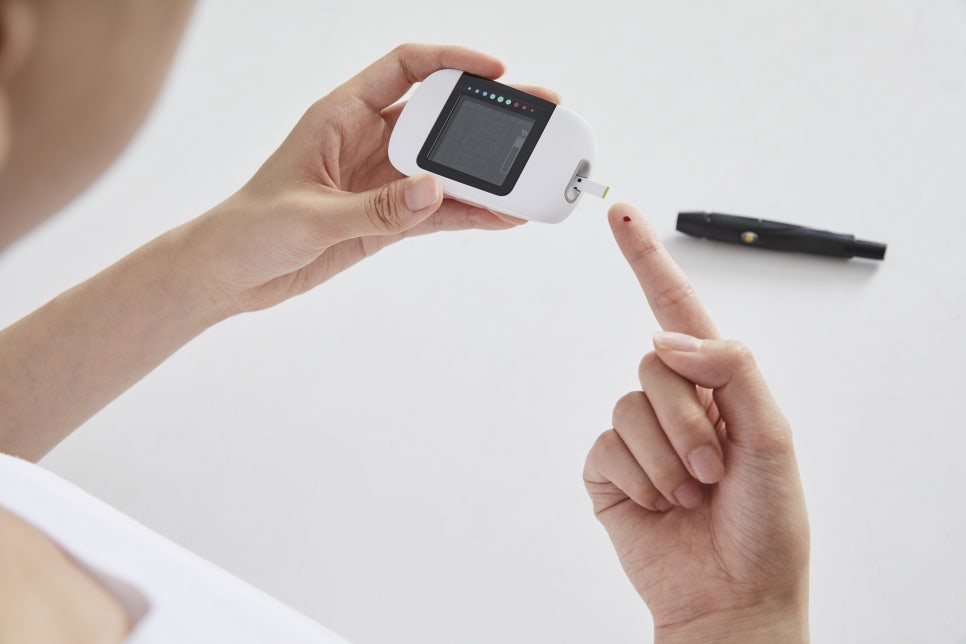
If diagnosis is delayed, aftereffects such as brain damage may remain,
so it is safer to make blood sugar checks a regular part of daily life and measure blood sugar whenever possible.
When symptoms appear, the first emergency measure is to consume sugar.
If the person is conscious, it is safest to immediately consume candy, juice, honey, and the like.
If blood sugar does not recover within 15 minutes, additional sugar should be taken,
and if symptoms are severe, glucose injection treatment may be needed at a hospital.
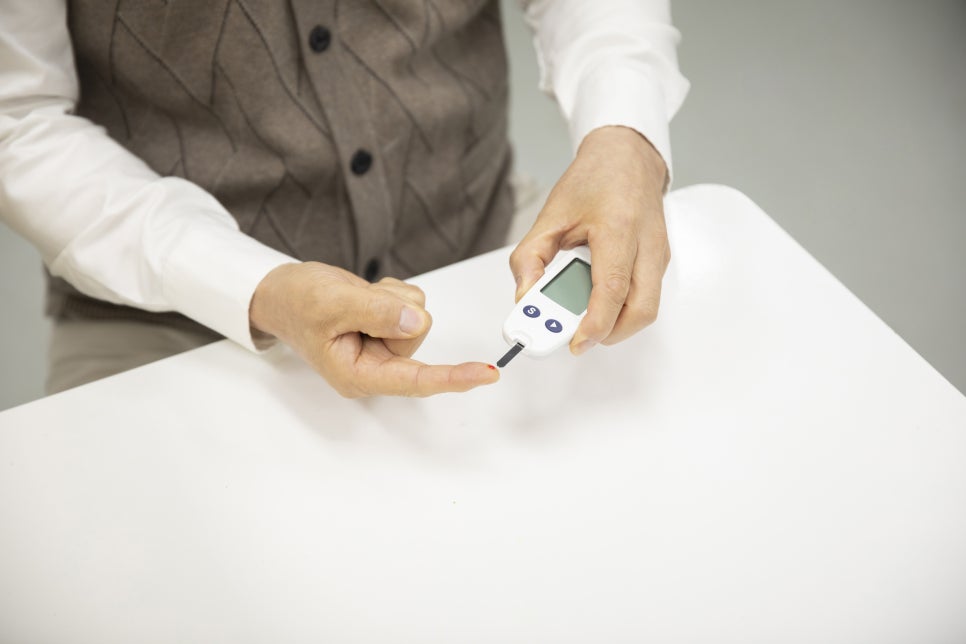
For people with diabetes, it is important to carry glucose tablets or candy in preparation for hypoglycemic shock,
and for people around them to also know how to respond.
To prevent it, the basics are to maintain a balance among meals, exercise, and medication use.
You should not skip meals, and you should keep blood sugar stable through snacks if needed.
If the person loses consciousness, you should never try to force food or drink into their mouth, and please remember that this is a dangerous action that can cause choking.