Morton's Neuroma in the Sole of the Foot
Causes, Symptoms, and Treatment for a Complete Cure
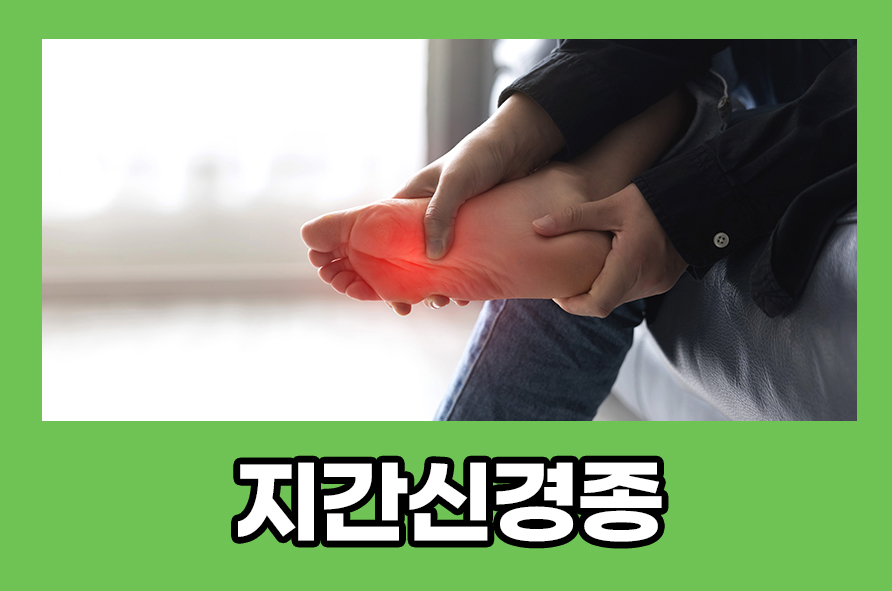
Morton's neuroma is a nerve condition that commonly occurs between the toes, especially between the third and fourth toes,
and it causes pain when the nerves in the foot are compressed.
It is more common in women, and wearing high heels or tight
shoes for long periods of time can increase the risk, so caution is needed.
Today, we will take a detailed look at the causes of Morton's neuroma, its typical symptoms, diagnosis,
treatment methods, and preventive measures for recovery.

The cause of this condition is mainly repeated pressure and irritation at the base of the toes,
with narrow shoes and high heels being risk factors.
The nerve leading to the toes is continually compressed by the ligament between the metatarsal bones,
and the surrounding tissue becomes thick and hard, leading to various symptoms.
Flat feet and weight gain can also be causes, and if repeated impact and weight-bearing accumulate, the nerve
becomes more sensitive, making pain more likely to occur.

Typical symptoms include a stabbing pain or an electric-shock-like
sensation in the front part of the sole when walking.
You may also feel as if grains of sand or small stones are stuck between the toes, and in severe cases the toes
may tingle or become numb.
In the early stages, it can be mistaken for simple fatigue, but if the pain gradually worsens over time and does not improve
even with rest, Morton's neuroma should be suspected.
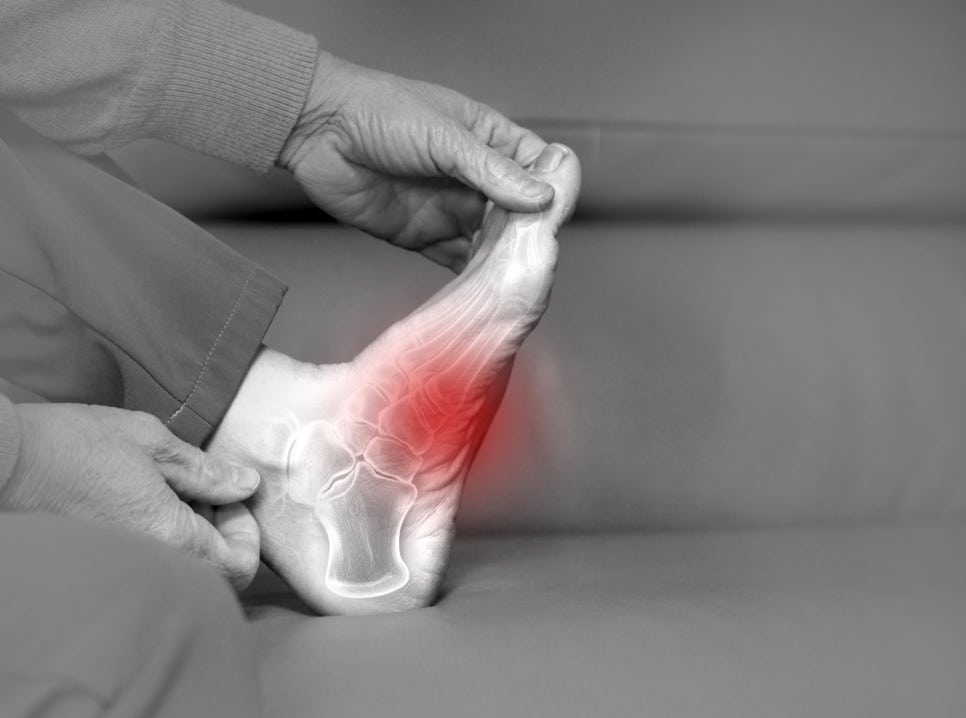
Diagnosis of Morton's neuroma is usually made through a medical history and
physical examination by the relevant healthcare provider, and imaging tests such as ultrasound or MRI
can be helpful.
Checking whether pain is reproduced by pressing the toes is also
an important method, and because early diagnosis is crucial for this condition,
if symptoms are suspected, you should visit a hospital quickly.
For an accurate diagnosis, it must also be distinguished from other conditions,
and if necessary, the cause can be identified through detailed tests such as foot pressure distribution testing.
Treatment is generally divided into non-surgical and surgical methods, and in the early stages, shoe changes, use of foot
pads, anti-inflammatory medication, and physical therapy are options.
However, if symptoms persist for a long time or the nerve becomes severely
thickened, surgical treatment such as neurectomy may be necessary.
Fortunately, with proper treatment, the chance of recurrence is low, and since it is a condition that can be cured,
early treatment and correction of everyday habits are important.
To recover quickly, post-treatment care should also be carried out alongside treatment, and it is important to choose shoes
with a wide toe box that feel comfortable for your feet.
Avoid high heels or shoes with narrow toes, and sneakers that comfortably
encase the foot are helpful. It is also good to maintain a proper body weight,
so regular exercise is recommended.
Also, when you have time or before going to bed, stretching the sole of the foot and doing toe exercises can help
strengthen the muscles and ligaments in your feet.