Benefits and Side Effects of Faro Grain,
How to Eat It, Storage, Calories
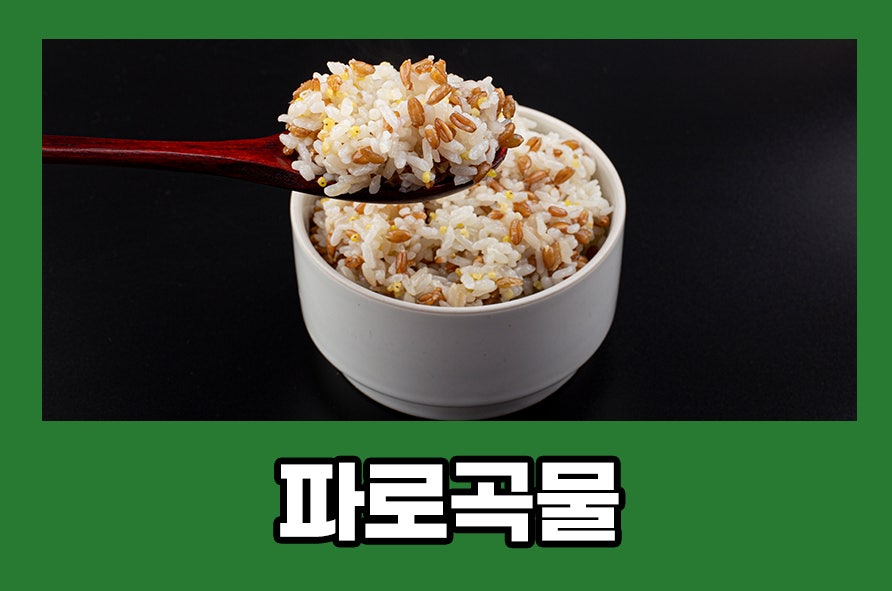
Recently, as interest in wellness and healthy foods has increased,
more and more people are adding grains that are rich in nutrients
to rice and ready-to-eat meals.
Faro grain is a grain with a long tradition in the Tuscany region of Italy,
and when added to rice, it helps provide well-balanced nutrition.
Today, we will take a detailed look at the benefits of faro grain,
how to cook it, how to eat it,
how to store it, its calories, side effects, and more.
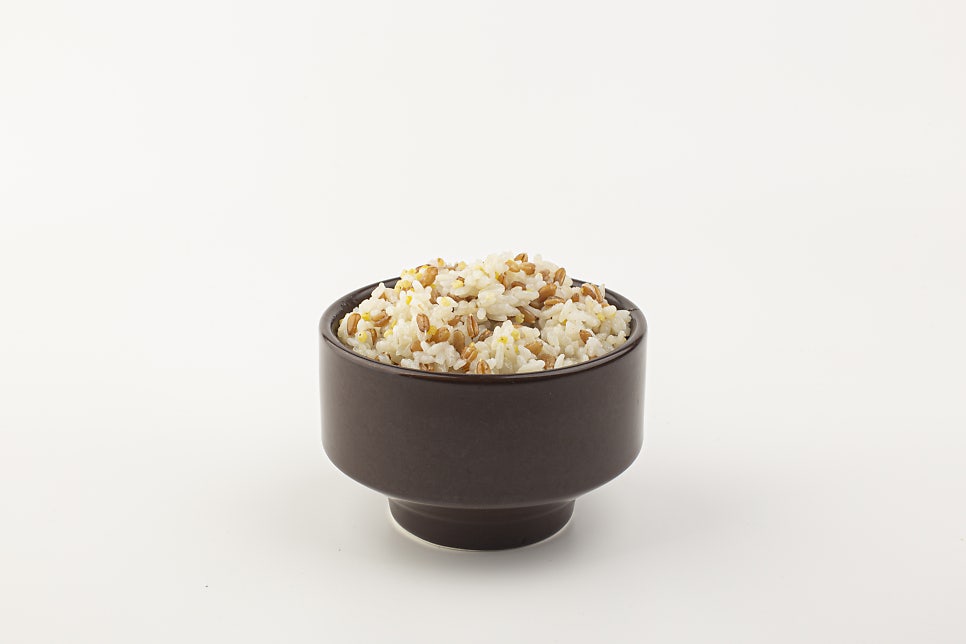
One of the main benefits of faro grain is that it contains a large amount
of dietary fiber, which helps support gut health over time and is
also positive for preventing constipation.
It also contains less sugar than other grains,
and because it has a lot of resistant starch, which is not absorbed
immediately in the small intestine and is digested slowly,
it helps prevent blood sugar from rising.
For this reason, it is also good for people who are trying to lose weight,
and because it contains protein and minerals,
it is beneficial for bone health and strengthening immunity.
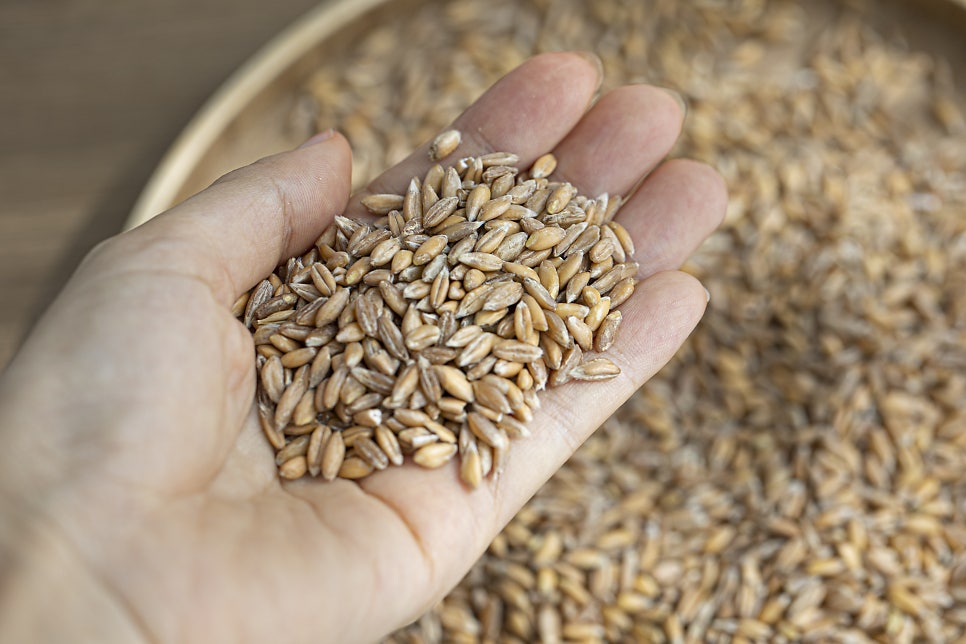
The way to eat faro grain is simple. It is commonly cooked as mixed-grain rice
instead of plain white rice, and it can also be consumed as porridge,
dried grain powder, or misutgaru.
It is good to use as a substitute for a busy breakfast or as a snack,
and to keep eating it regularly for health,
you should adjust the ratio according to your own preference and digestion.
If you mix in too many mixed grains from the start, it can put a burden
on digestion, so it is better to start with a ratio of about 7:3
for white rice and mixed grains.
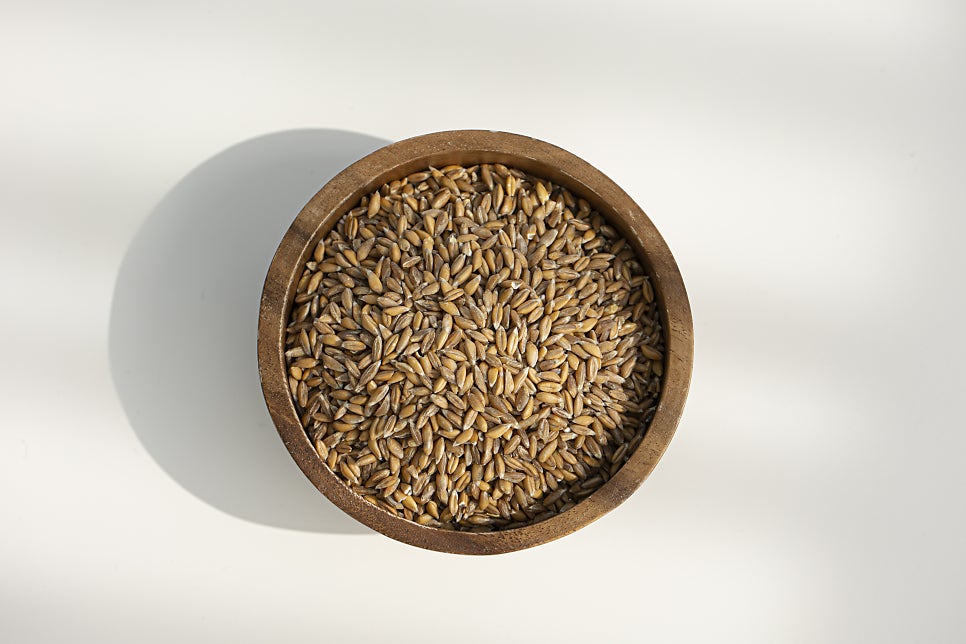
Compared with regular white rice, mixed grains are harder, so they need
to be soaked long enough for digestion and absorption to go smoothly.
Usually, they should be soaked for about 30 minutes to 1 hour.
You can put them in an electric rice cooker with white rice and cook them,
and if many hard grains such as brown rice or oats are mixed in,
it is better to soak them for more than 2 hours in advance.
When cooking, you should add a little more water than usual so that the rice
cooks moist and soft, and adding a little extra salt when cooking
can bring out the flavor more.
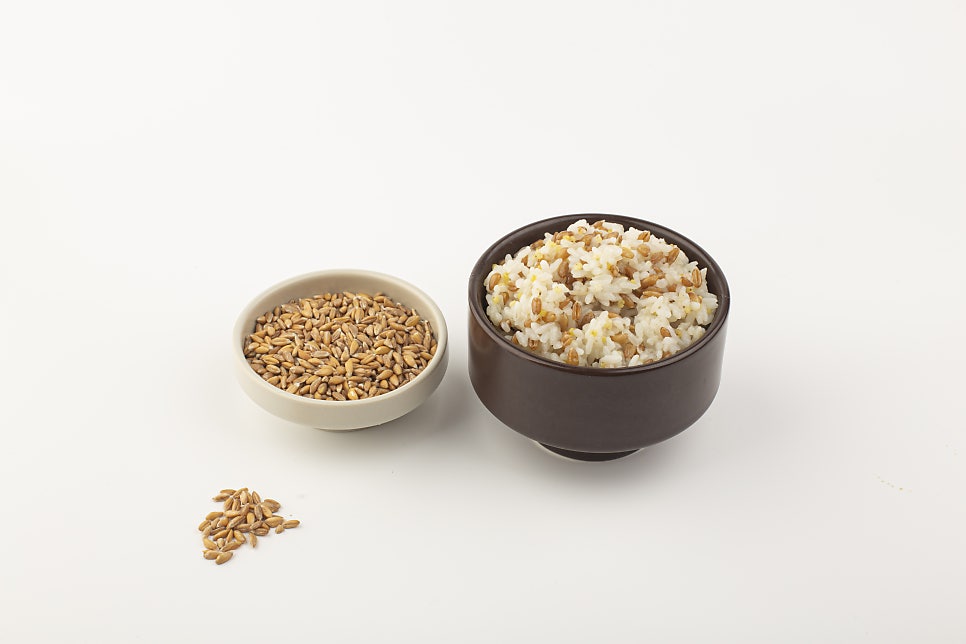
When storing this grain, the basic rule is to keep it in a dry, cool place,
and during seasons with high humidity and high temperatures,
such as summer, it must be refrigerated.
Storing it in an airtight container can help prevent insects and mold,
and if you plan to keep it for a long time,
it is good to portion it out and freeze it.
Also, after opening, it is best to consume it as quickly as possible
so that freshness can be maintained for a long period without nutritional loss.
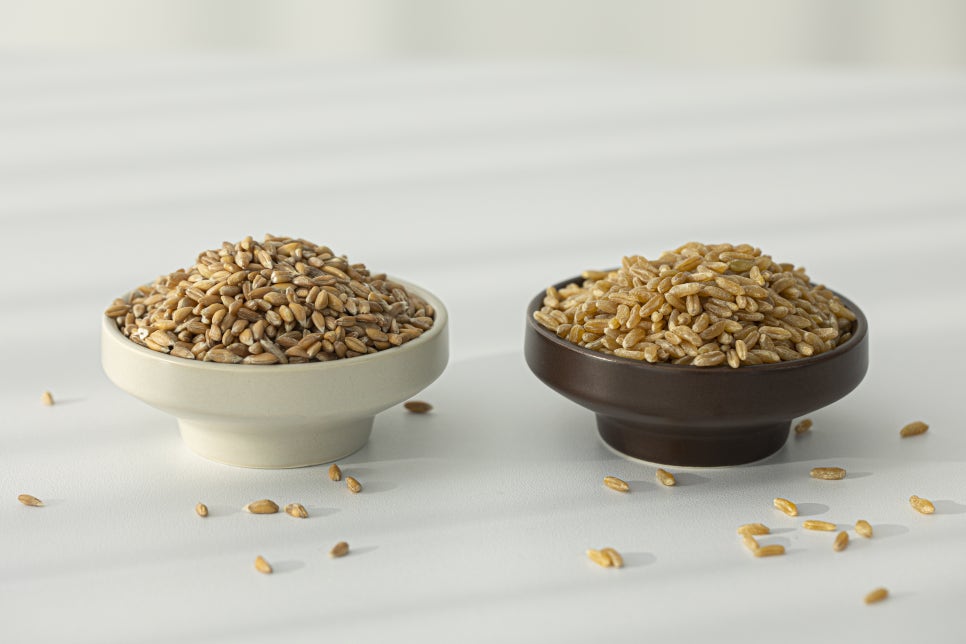
Calories vary by type, but most are about 350–400 kcal per 100 g,
and compared with white rice, they contain more dietary fiber and nutrients,
which helps you feel full for a longer time.
However, if you consume too much at once, symptoms such as indigestion,
bloating, and gas may occur, so it is better to consume an appropriate amount.
In particular, for children or older adults with weak digestion,
you should start with a lower ratio of mixed grains,
and if you have a specific grain allergy,
please check the ingredients before eating.