CPK Levels: Causes of High and Low Values,
Exercise, and Management Methods

Among people who are dieting, if they enjoy high-intensity exercise,
there are often cases where severe muscle soreness appears the next day.
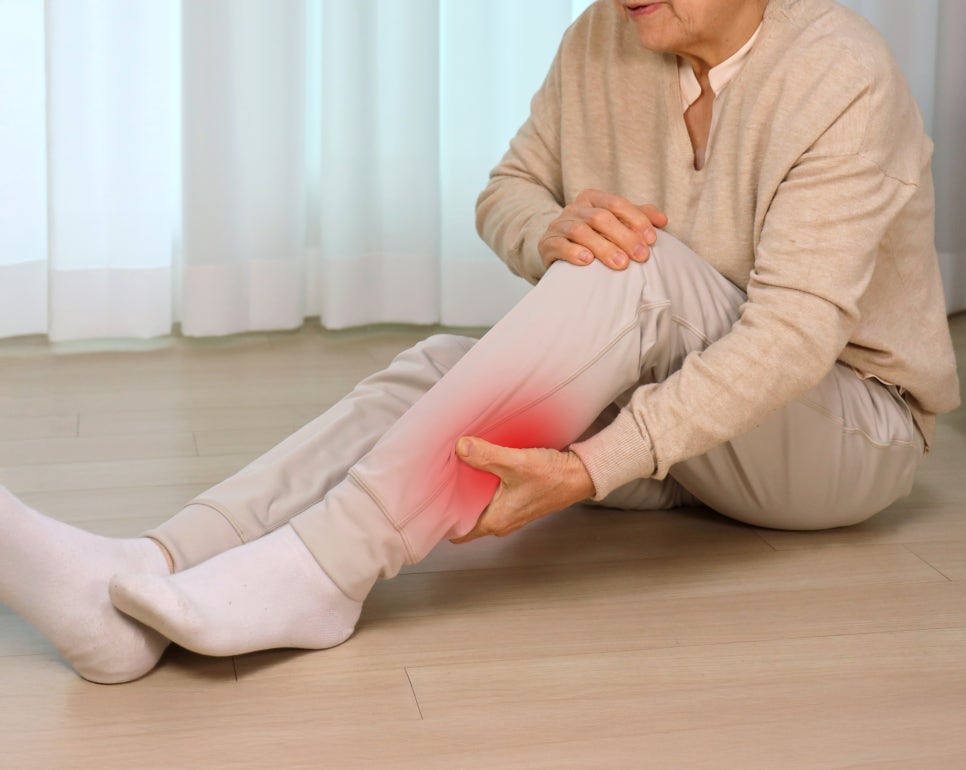
If you often feel muscle pain after exercise, you should keep in mind the possibility of abnormal CPK levels, and if the level is high or low, various abnormal symptoms may appear.
Today, we will take a detailed look at the causes, symptoms, diagnosis, exercise, and management methods when CPK levels are high or low.
It is an abbreviation for Creatine Phosphokinase, an enzyme found in muscles,
the heart, and brain cells, and it is characterized by producing energy during many physical
activities.
If cells in the body are damaged or the muscles are overstrained,
it is released into the blood and the level rises, and it is used as an important indicator
in diagnosing various diseases.
Because it is a value that shows how much of the enzyme related to cellular energy metabolism is present in the blood,
if it increases or decreases, you should suspect a health condition.

Normally, CPK levels are present in very small amounts in the blood, but when tissue is damaged or an inflammatory disease occurs, they increase rapidly.
In general, the normal range for CPK levels is 55–170 U/L for men and 30–150 U/L for women.
However, the reference range may vary slightly depending on the testing institution or method, so being a little outside the normal range does not necessarily mean a related disease.

If this level is high, muscle damage or heart disease should be suspected, and it may increase after vigorous exercise, after a traffic accident, or if there is a muscle disease or myositis.
Conversely, if the level is low, it is often not a major problem, but it may be related to insufficient muscle mass, aging, or thyroid dysfunction.
Therefore, a change in the level should be seen not as a simple number, but as a signal showing various situations occurring inside the body.

Exercise and this level are closely related, and if you perform strength training more strenuously than usual or engage in strenuous activity, muscle cells may be damaged.
As a result, the level may temporarily rise, and even if you exercise regularly, the level can increase when the intensity is raised, so adjustment is necessary.
If you have severe body aches and muscle pain after exercise, and a blood test shows an increase in the level, you should get enough rest and drink plenty of water.

To prevent the level from rising, above all, you should avoid exercising or being active too strenuously and be careful to prevent injuries.
You should build a balanced diet, maintain an appropriate intake of water, and regularly have blood tests to check for changes in the level.
Also, if you are taking certain medications, they may have an effect, so be sure to talk thoroughly with a medical professional and keep checking your physical condition consistently.