안녕하세요.
I’m Ogana, a dermatologist with 16 years of experience.
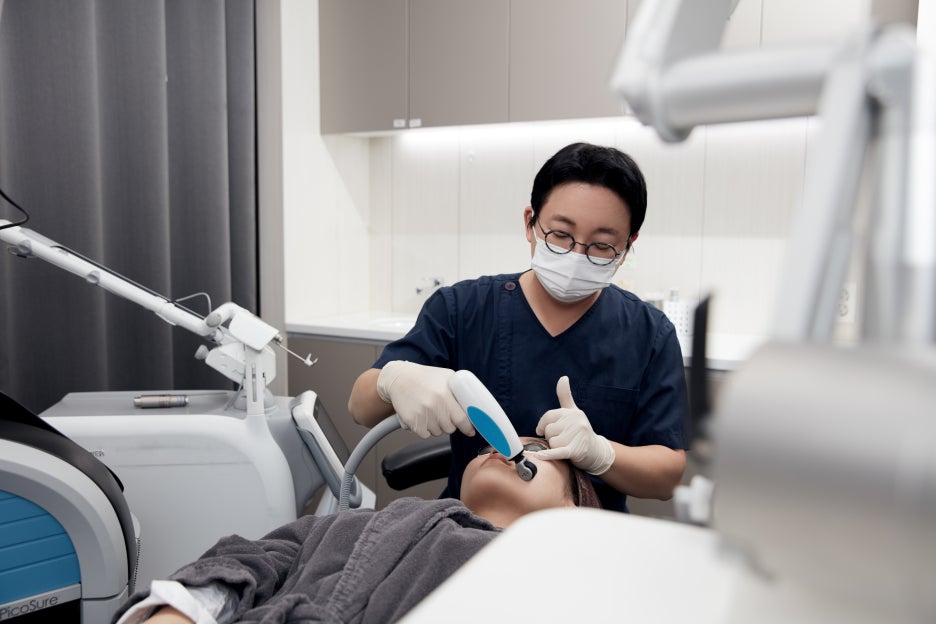
What is the foundation of skincare?
It’s cleansing!
However, your skin condition can vary greatly
depending on how you cleanse your face.

This time, I’d like to take a lighter approach~
and introduce, here on the blog,
the cleansing method I use as a dermatologist,
which I’ve also covered on our Offride (Ogana)
YouTube channel.
So, how does a dermatologist actually
wash their face,
and how do they care for their skin?
Let’s find out now!
Table of Contents
-
Ogana’s cleansing routine, director of Oganacell
-
What do you apply after cleansing?
-
What is important in skincare?
16-Year Dermatologist Ogana’s Cleansing Routine

My cleansing method is truly
as simple as it gets.
Especially in the morning,
I prefer a method that protects the skin barrier
without spending too much time cleansing.
Basically, I minimize my use of cleanser
and focus on maintaining
the skin’s natural balance
with just a water rinse.

Of course, if my skin feels oily
or depending on what is needed,
I use a cleanser,
but I cleanse briefly, focusing on areas
with more sebum, such as the T-zone
and around the nose.
The areas I focus on cleansing
are those that produce more sebum.
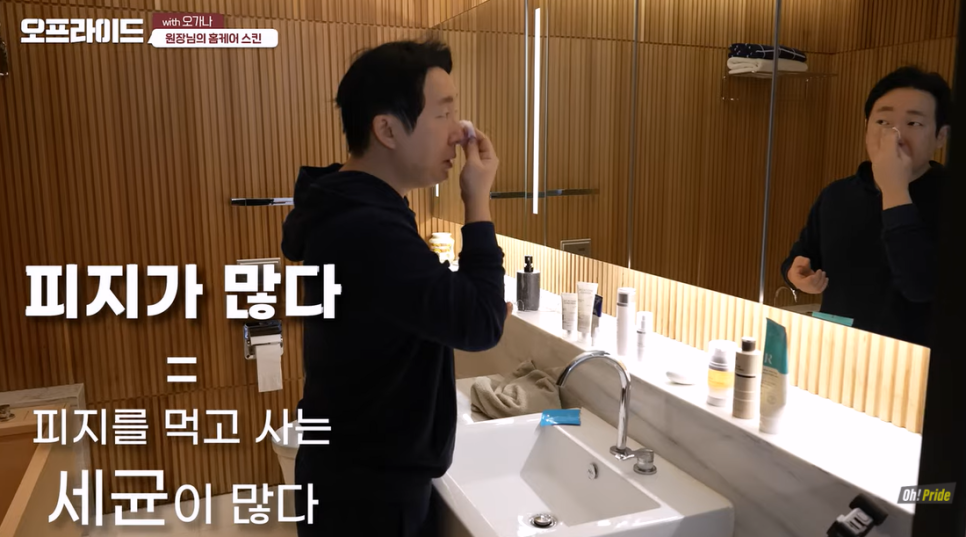
“More sebum = more bacteria
that feed on sebum.”
That’s what it means.
Many people visit the clinic
because this balance is disrupted,
with conditions such as seborrheic dermatitis,
blocked pores that can lead to folliculitis,
or acne.
For people with more severe concerns,
there are first-step cleansing pad products
that wipe away impurities.
However, excessive cleansing alone
can weaken the skin barrier.
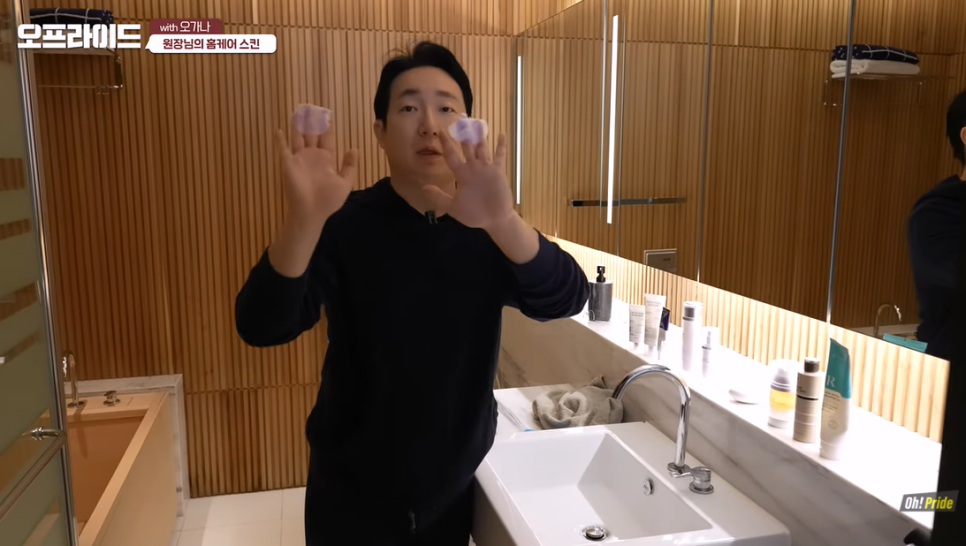
There are also second-step cleansers
formulated to neutralize the first-step product,
reinforce nourishment,
and help rebuild the skin barrier.
After finishing this step,
it also smooths the skin texture
and feels soft, so I like it very much.
(This isn’t an advertisement, haha.
I’m introducing a product I actually use^^)
When using a regular cleanser
rather than a wiping product,
I squeeze out only a very small amount,
create a lather,
and then cleanse my face.
I work up plenty of foam in my palms
and immediately rinse my face with water.

I focus on the T-zone,
then lightly cleanse the sides of my face
at the end.
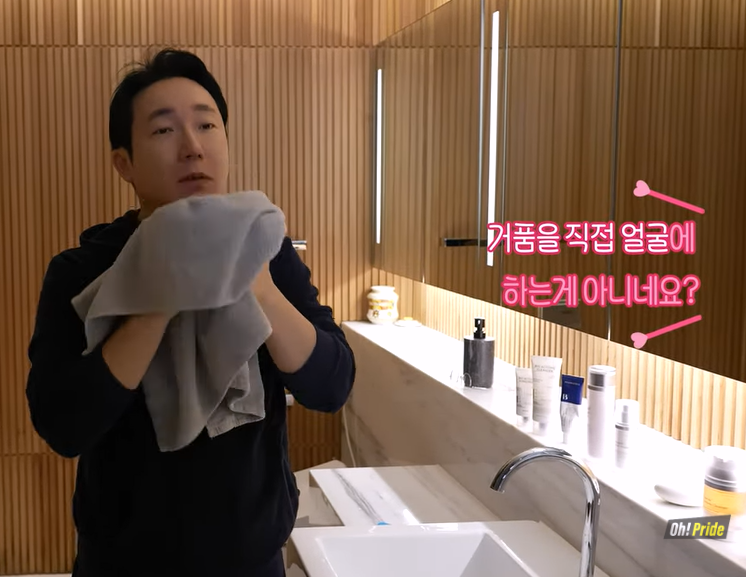
When cleansing, I rinse in a way
that keeps the foam from directly touching
the face.
The biggest advantage of doing this
is that less cleanser residue remains,
and it is convenient because
you do not need to wash repeatedly.

At the same time, it removes a little excess oil
while preserving the lipid structure
our skin needs.
For people whose skin is not severely troubled—
in other words, those with a reasonably balanced
oil-and-moisture level
and not many blackheads—
cleansing the way I do
can help protect the skin barrier.
What Do You Apply After Cleansing?
Cleansing is important,
but replenishing moisture
in skin that quickly becomes dry
is also a very important routine.

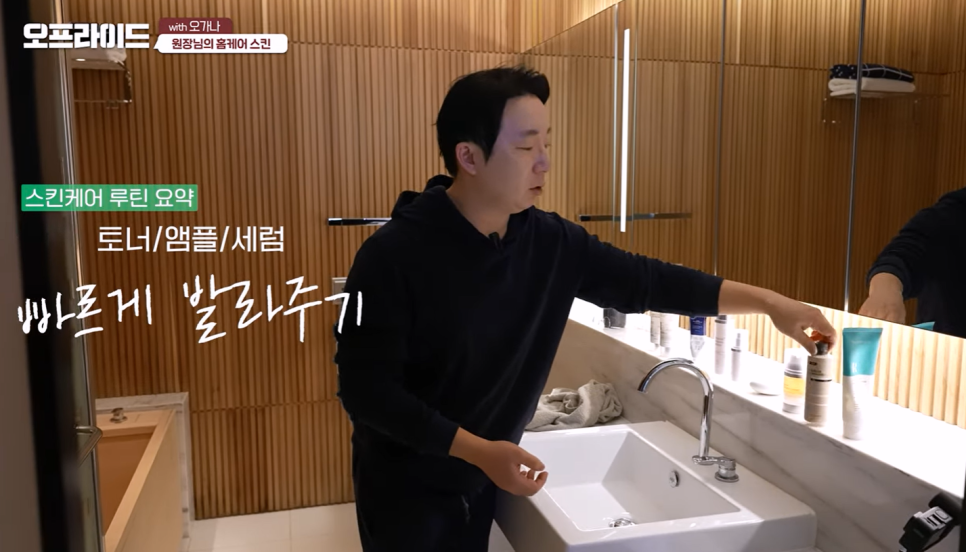
First, I apply toner or ampoule
and gently pat it in to help it absorb.
If there are a lot of impurities,
I wipe them away with toner;
otherwise, I skip this step as well~
Because my skin is thin and the ampoule dries quickly,
I always apply a regenerative cream afterward.
Here, you may want to try
the way I apply cream.
I layer it on using my palms.
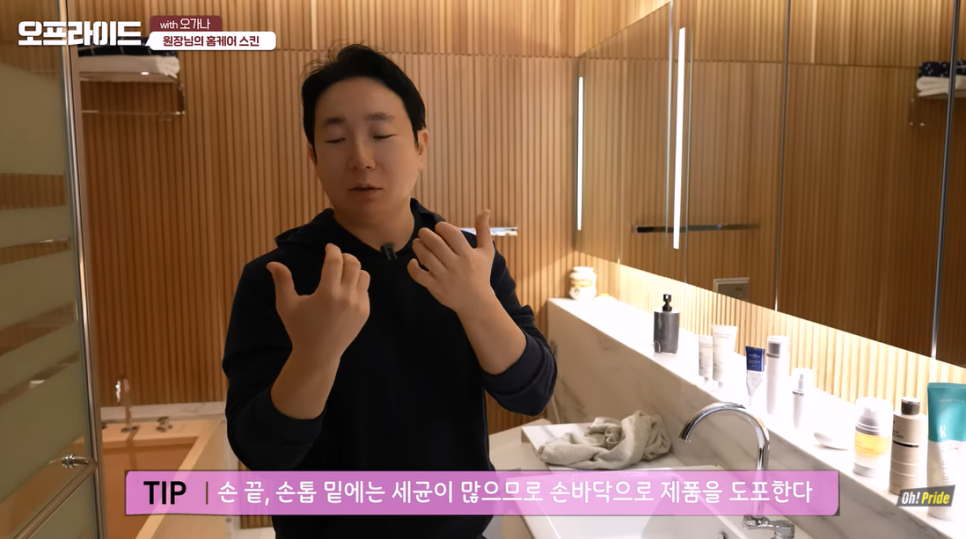
The reason is that, no matter how well you wash your hands,
bacteria can easily develop on your fingertips or under your nails
after a while,
so I make a habit of using my palms.
After applying the cream,
I apply sunscreen if I plan to spend time outdoors.
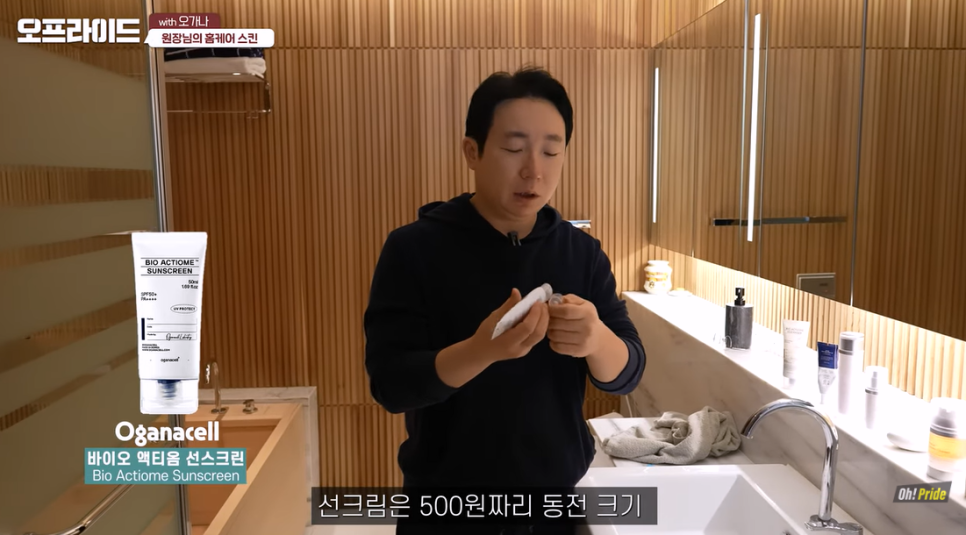
Dispense an amount about the size of a 500-won coin,
apply it thinly in several layers,
and make sure to cover areas such as the ears and neck
that are easily exposed to ultraviolet rays.
This helps prevent missed areas
when protecting the skin from ultraviolet rays.
What Is Most Important in Skincare?
The key to skincare
is an appropriate routine
that is not excessive.

Overly strong cleansing
can weaken the skin barrier,
so I want to emphasize cleansing lightly
while continuing to provide
an appropriate amount of moisture and nourishment.
In addition, consistency
is the most important part of skincare.
Rather than seeking short-term improvement,
it is important to continue appropriate care
for long-term skin health.
Minimizing skin irritation while cleansing
and following the use of good cosmetics
can be helpful,
but depending on your skin condition,
it may also be necessary to receive appropriate treatment
before it is too late.
<Related Posts>
Best 1.
At-Home Care Recommended by a Dermatologist with 16 Years of Experience
Best 2.
Can Horizontal Neck Lines Be Managed with At-Home Care?
Best 3.
Be Sure to Learn About Dermatology Treatments Before Receiving Them!


Click the photos above to receive a consultation right away.
#Oganacell
#OganacellDermatology
#CheongdamDermatology
#CheongdamDermatologyOganacell
#DirectorOgana
#Dermatologist
#JamsilDermatology
#DongdaemunDermatology
#ApgujeongRodeoDermatology
#RecommendedLaserHairRemovalForMen
#RecommendedDermatologyForMen
#RecommendedHairRemovalForMen
#GangnamDermatology
#SkinCorrection