'10 Ways to Reduce Pores and
Practical Tips for Everyday Life'
Hello, this is Jamsil Gounsesang Dermatology!
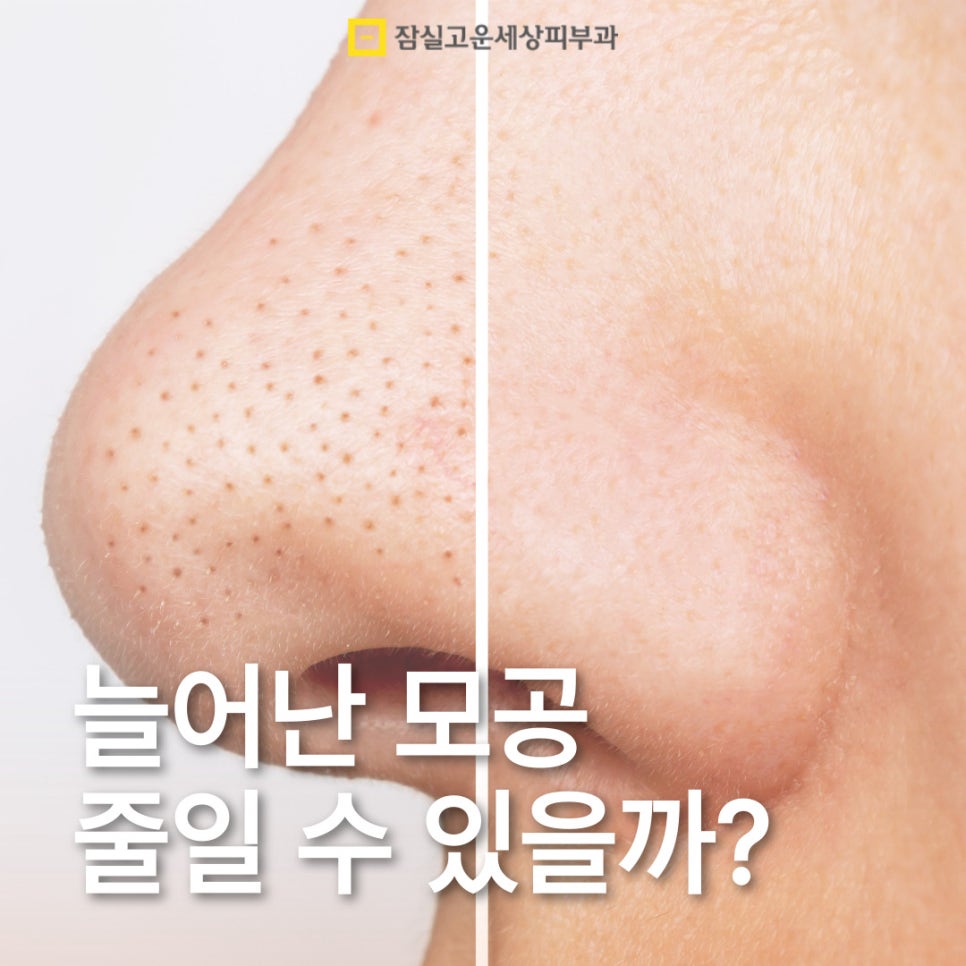
It is no exaggeration to say that the first impression of clean skin begins with pores.
In the summer, when sebum production becomes more active, pores are especially noticeable, and when leftover sebum or blackheads are added in, even the best makeup can easily look cakey and shiny.
However, pores are not simply a surface-level skin issue; they are a complex result influenced by things like sebum production, skin elasticity, and lifestyle habits.
Today, let’s look together at the main causes of enlarged pores and 10 practical ways to reduce them.
- Control Excess Sebum Production
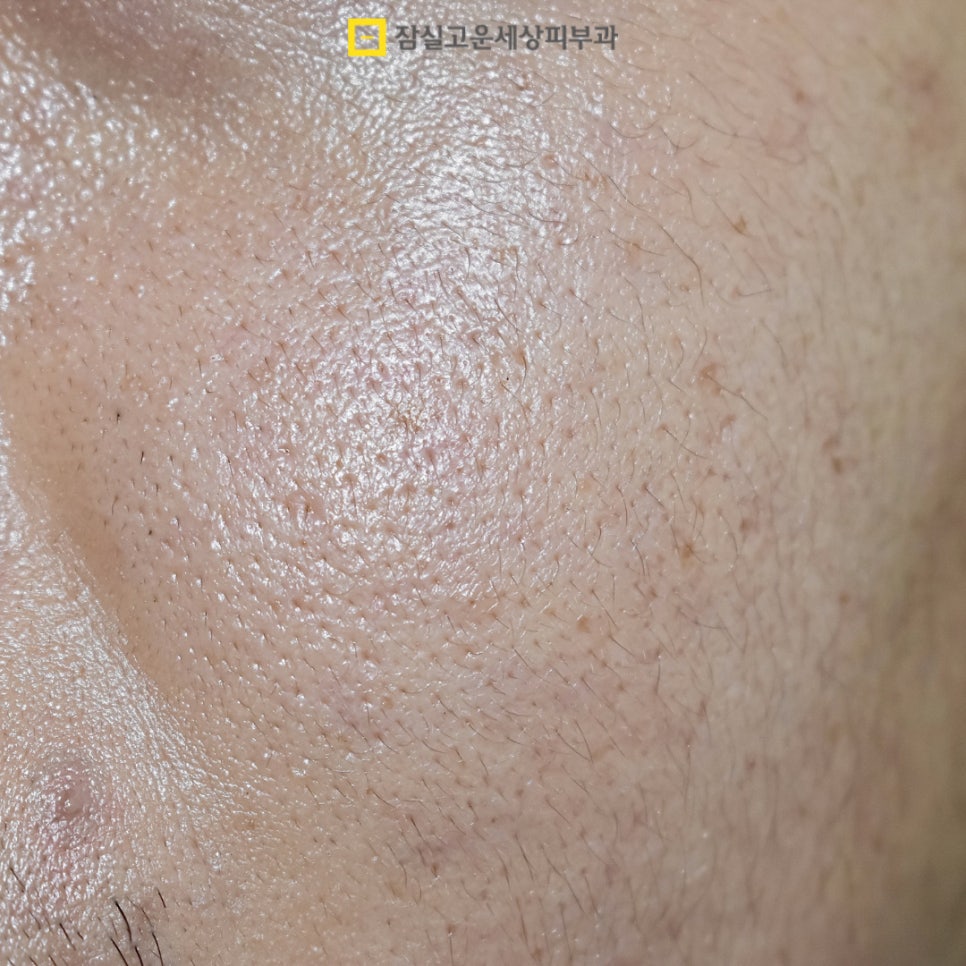
Every time you look in the mirror, the area around your nose or forehead seems especially shiny, and no matter how diligently you wash your face, oil quickly comes back. Many of you have probably experienced this at least once. In particular, for oily skin or skin after puberty, sebum production becomes active, and pores often appear noticeably larger.
Having a lot of sebum is also a kind of defense response in which our skin tries to protect itself from moisture loss or irritation. But when this sebum becomes excessive, the pores that release it gradually expand, and if waste and debris build up there, it can lead to blackheads or breakouts.

That is why efforts to regulate sebum production in daily life are needed. Reduce overly greasy foods and foods high in sugar, and it is important to maintain adequate hydration by drinking at least 1.5 liters of water a day. Also, since stress can stimulate sebaceous gland activity, it helps to manage your condition with enough rest and sleep, light exercise, and similar habits.
- Wash Twice a Day Without Irritation

For skin care, the first thing many people pay attention to is cleansing. But did you know that cleansing diligently and cleansing well are not the same thing?
Washing your face twice a day, morning and evening, is a basic routine that removes sebum, dust, and waste left on the skin. However, if you wash with very hot water or repeatedly use products with strong cleansing power, the skin’s oil-water balance can be disrupted and it may produce even more sebum. When this happens repeatedly, pores inevitably expand and the skin barrier can weaken.
The best method is to use a gentle, mildly acidic cleanser suited to your skin type, wash gently with lukewarm water, and finish by rinsing with cool water to help tighten the pores. After creating a lather, gently cleanse by lightly rubbing with your fingertips, and after washing, it is also helpful for skin health to pat the skin dry with a towel rather than rubbing it.
Think again of the phrase, “Skin is sensitive.” If your daily cleansing is done gently and correctly, you could say that half of pore care is already a success.
- Exfoliate 1–2 Times a Week
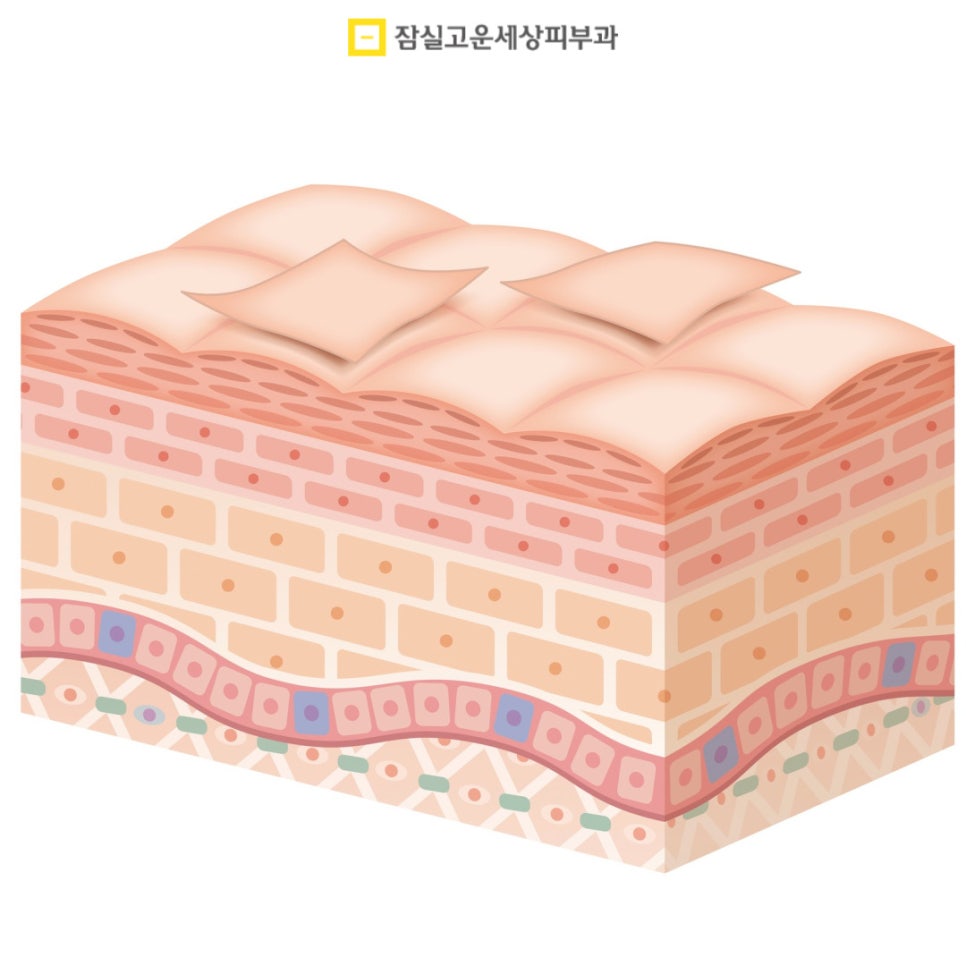
Although the skin has a natural renewal process that sheds dead skin cells on its own, busy daily life and external environmental stressors often interfere with this process. As a result, dead skin cells accumulate on the surface, and sebum does not drain properly. This buildup of dead skin cells eventually blocks pores and can cause blackheads or breakouts.
That is why exfoliation is an essential part of pore care. But the important thing here is not “how often,” but “how” you do it.
Chemical exfoliating ingredients such as salicylic acid (BHA) or glycolic acid (AHA) can help gently remove unnecessary dead skin cells while minimizing skin irritation.
If you have sensitive skin, choosing a gentle alternative such as an enzyme cleanser instead of these products can also be a good option.
However, exfoliation should not be done every day. Doing it too often can weaken the skin barrier and make your skin even more sensitive. About 1–2 times a week, adjusting appropriately while observing your skin’s condition, is the most ideal approach.
- Replenish Moisture and Strengthen Hydration
There is one thing many people misunderstand.
"I have oily skin, so maybe I don’t need as much moisturizing?"
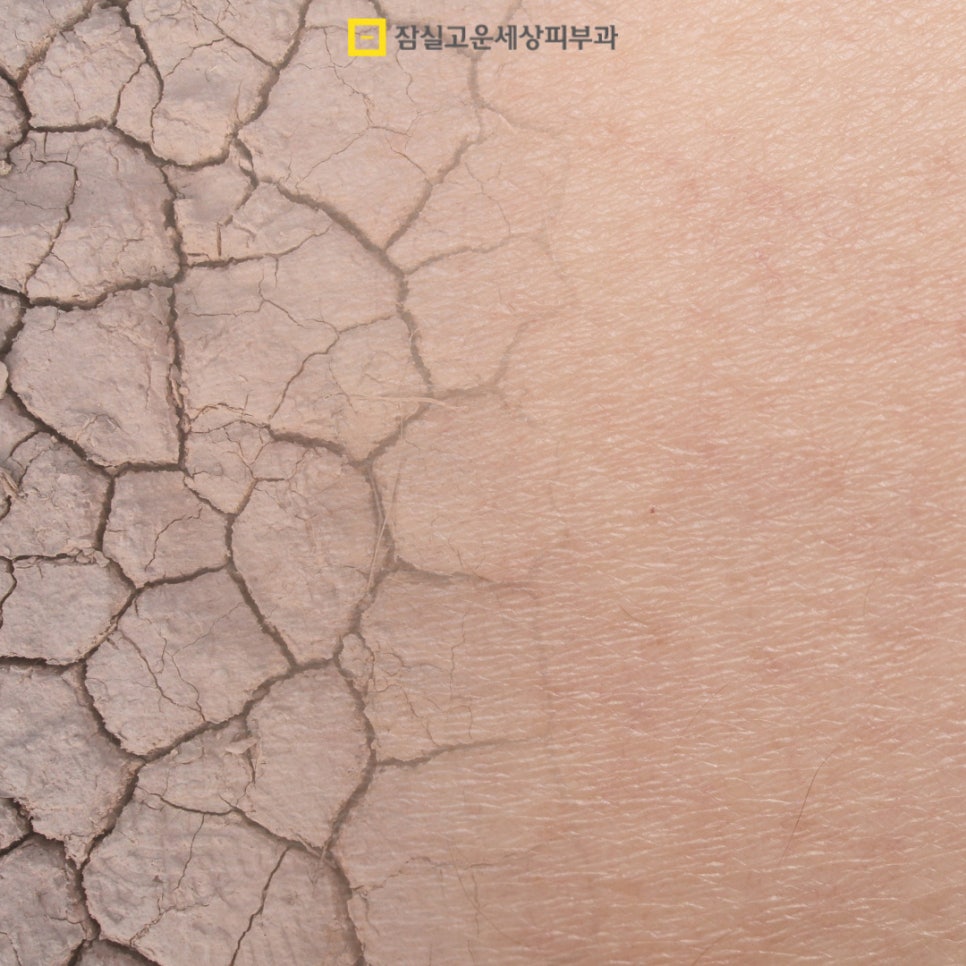
But in fact, having a lot of sebum does not mean the skin has enough moisture inside. On the contrary, skin that lacks moisture may produce even more sebum to compensate, creating a vicious cycle that ultimately makes pores look larger.
To prevent this, it is important to provide enough moisture without burdening the skin.
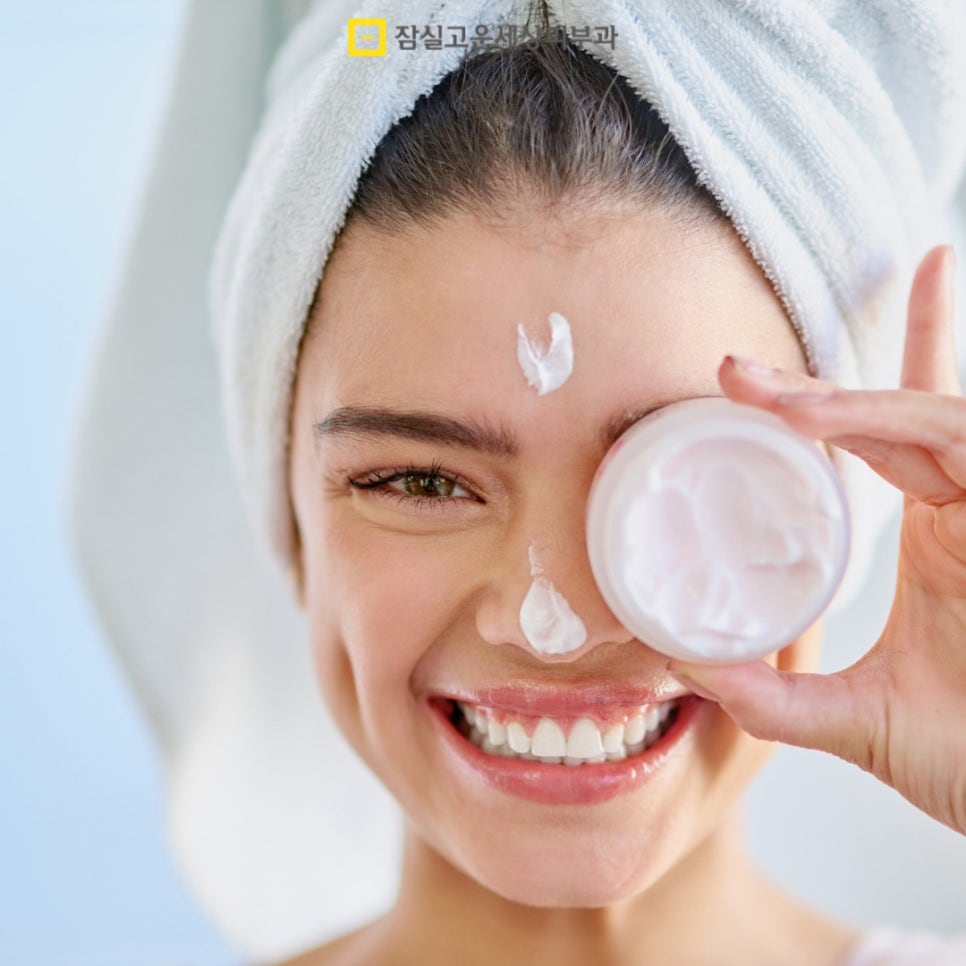
In particular, a lightweight gel-type moisturizing cream with little oiliness is suitable even for oily skin and forms a fresh layer of moisture on the skin. In addition, you should also maintain the habit of drinking at least 1.5–2 liters of fluids a day to hydrate the skin from within.
The more moisture the skin holds, the less noticeable pores naturally become, and the overall skin texture may become smoother.
- Use Toner and Astringent Packs
After cleansing, the skin is briefly in a state where its oil-water balance is disrupted. At this time, it is important to quickly restore balance with appropriate skin care.

The first step is a toner.
A toner helps clear away remaining impurities on the skin’s surface, stabilize the skin’s pH, and aid absorption of the next step’s products.
In particular, toners containing natural astringent ingredients such as witch hazel can help control excess sebum and tighten pores.
However, if your skin is sensitive, be sure to check the alcohol content, and it is better to choose an alcohol-free product.
Additionally, using an astringent mask pack or soothing pack 1–2 times a week can also be a helpful supplement for pore care. Before using a pack, it is more effective in terms of absorption to smooth the skin with toner first and then place the pack on the face.
If your skin stings or becomes red, stop using it immediately and calm the skin sufficiently.
- Use Retinol and Vitamin A
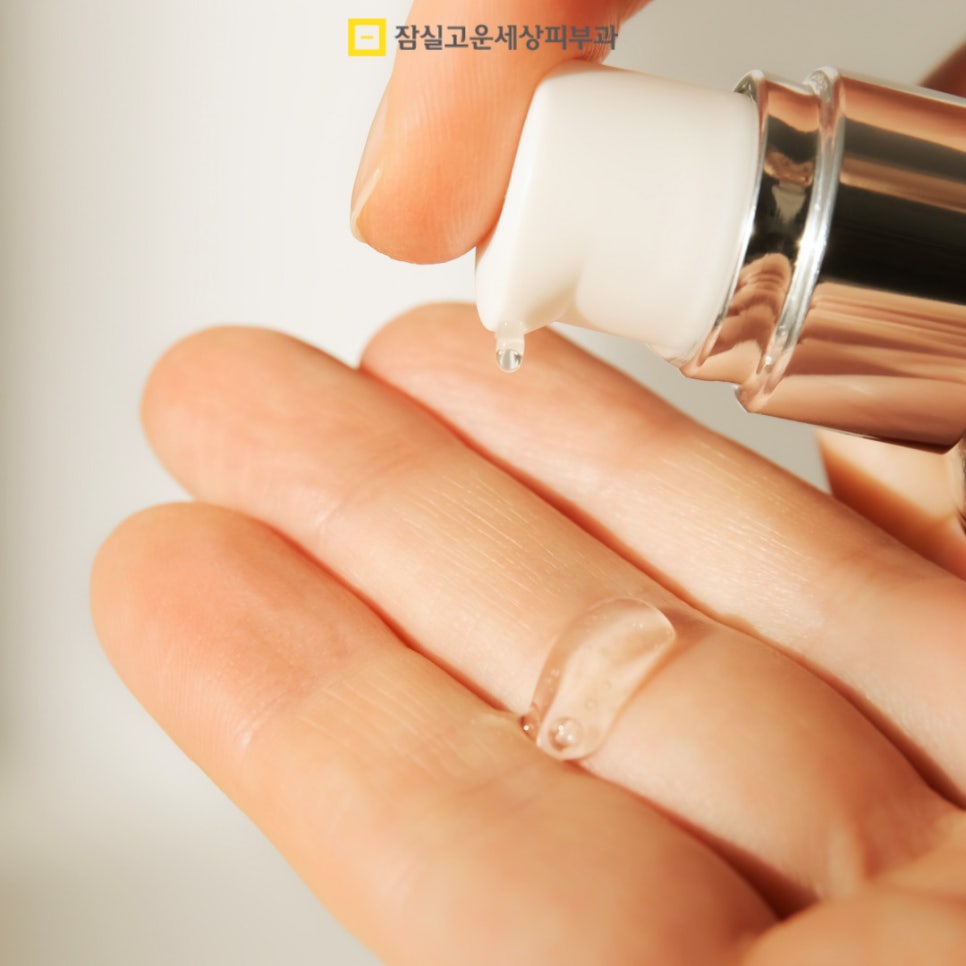
When you look in the mirror and feel that your pores have enlarged and your skin texture is not what it used to be, it tends to happen more often as you get older.
At times like that, one ingredient worth paying attention to is retinol.
Retinol is a derivative of vitamin A and a representative functional ingredient that promotes collagen production in the skin and helps cell renewal. Because of this, it may play a positive role in giving elasticity to the skin around enlarged pores and making the overall skin texture smoother.
However, how you use retinol is more important than anything else. It should be used only at night, and because skin can become very sensitive to sunlight during the day, you need to apply sunscreen containing SPF carefully to reduce skin irritation. When using it for the first time, your skin may sting, so it is better to start with a low-concentration product 2–3 times a week and gradually adjust the frequency while observing your skin’s condition.
- Be Thorough with Sunscreen
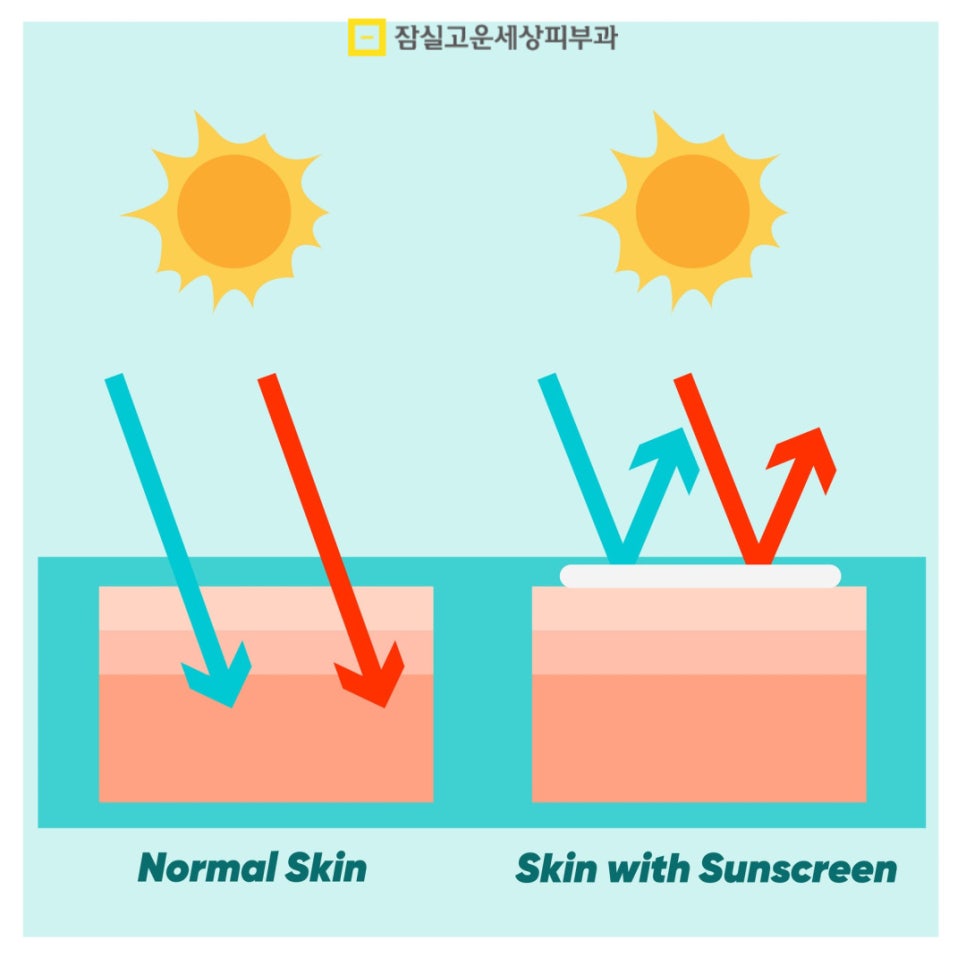
You may have heard the saying that more than 80% of skin aging comes from ultraviolet rays.
In reality, UV rays penetrate deep into the skin, destroy collagen, reduce elasticity, and are one of the main causes of pores becoming larger and deeper. If you care about pore management, sun protection is not optional—it is essential.
Using a product with SPF 30 or higher and PA++ or higher every day is the basics, and you should also develop the habit of applying it 30 minutes before going outside and reapplying every 2–3 hours to get proper results. Many people neglect sunscreen because they are indoors, but UVA rays that come through windows can still affect the skin indoors, so it is best to use it carefully both indoors and outdoors.
- Improve Your Diet

The skin is directly affected by the food we eat. No matter how good your cosmetics are, if you frequently eat greasy and sugary foods, sebum production can increase, inflammatory responses can occur, and pores can easily become clogged and enlarged.
On the other hand, foods rich in antioxidants such as tomatoes, broccoli, spinach, and blueberries help slow skin cell aging and assist in recovering damaged skin.
Also, B vitamins help regulate sebum, vitamin C promotes collagen production, and vitamin E is effective for strengthening the skin barrier. Because each nutrient in food directly affects skin health, simply paying a little more attention to each meal can change your skin.
As the saying goes, “If the inside is healthy, the outside will be healthy too,” diet is one of the most basic and longest-lasting ways to care for skin.
- Ice Packs or Cooling Care
When you wake up in the morning and look in the mirror, there are days when puffiness makes enlarged pores appear even more pronounced. At times like this, many people turn to ice packs.
Directly placing ice on the skin can be irritating, so it is better to wrap it in a soft cloth and gently roll it over the skin. This can temporarily tighten pores, and lowering the skin temperature may also have a soothing effect.
For a more convenient option, cooling care such as soaking a chilled toner on a cotton pad and placing it on the skin is also good. In summer, you can use cooling sheet masks to help lower skin heat and tighten pores, but since these methods have immediate effects that are difficult to sustain, it is better to use them as short-term support.
The important thing is to avoid irritating methods for pore tightening and to approach it by gradually lowering the skin temperature.
Proper Habits and Consistency
We often want immediate changes. Especially for something visible like skin, that is even more true.
But pores do not become enlarged in just one or two days, so reducing them also requires the two words “time” and “habit.”
Many people have the habit of pressing and squeezing blackheads or sebum with their hands, but this can actually widen pores even more and leave irritation and scars on the skin. It is better to manage sebum naturally through proper cleansing, exfoliation, and balancing oil and moisture.
It is also important to keep a routine consistently. If you do it one day and skip it the next, it will be difficult to see changes in your skin.
Following a basic routine every morning and evening of cleansing, moisturizing, sunscreen, and soothing care suited to your skin, and repeating this process consistently, is the real power that changes your skin.

Skin remembers habits.
The most reliable way to reduce pores is to organize your lifestyle habits and skin basics.
When these five things are balanced—cleansing, moisturizing, sun protection, diet, and enough sleep—your skin gradually recovers, and enlarged pores can slowly become smaller.
Don’t worry even if you don’t see noticeable changes right away!
Consistency is ultimately the most powerful way to change your skin!
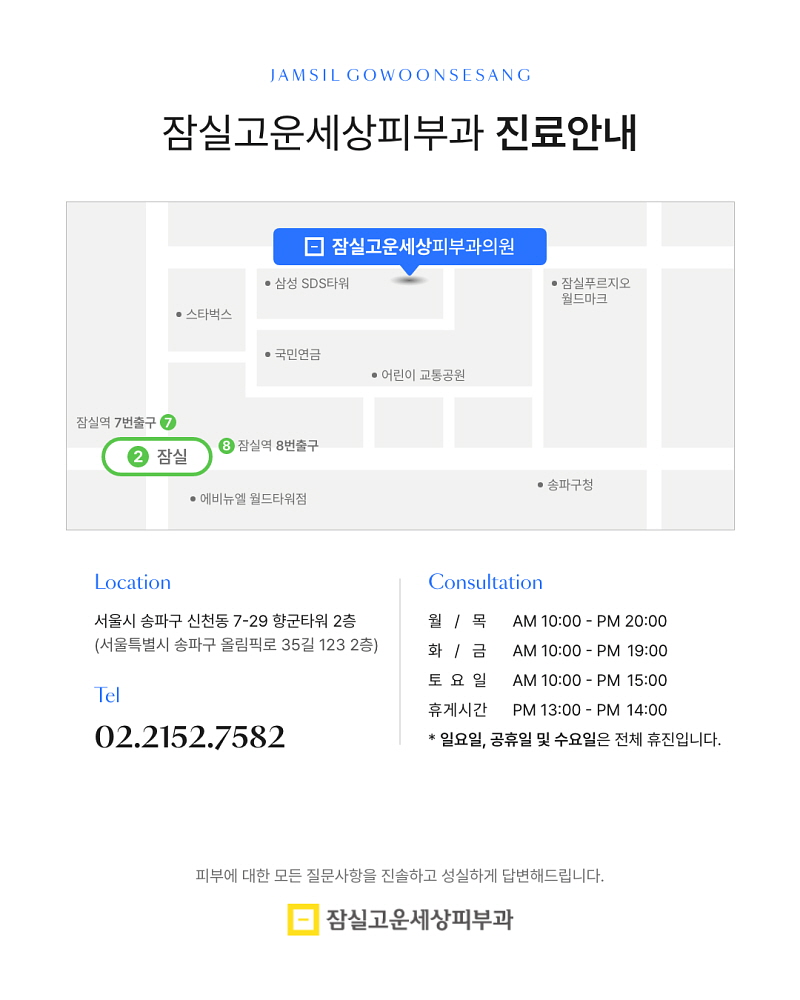
☘ Directions to Jamsil Gounsesang Dermatology ☘
☘ Jamsil Gounsesang Dermatology Treatment Information ☘
☘ Jamsil Gounsesang Dermatology Website ☘
This article, provided by Jamsil Gounsesang Dermatology for the purpose of offering medical information in accordance with Article 56, Paragraph 1 of the Medical Advertising Act, is intended to provide medical information. All procedures/surgeries carry the risk of side effects such as bleeding, infection, and nerve damage, so please proceed carefully after sufficient consultation with medical professionals.