Hot and humid summer
6 Ways to Manage Acne
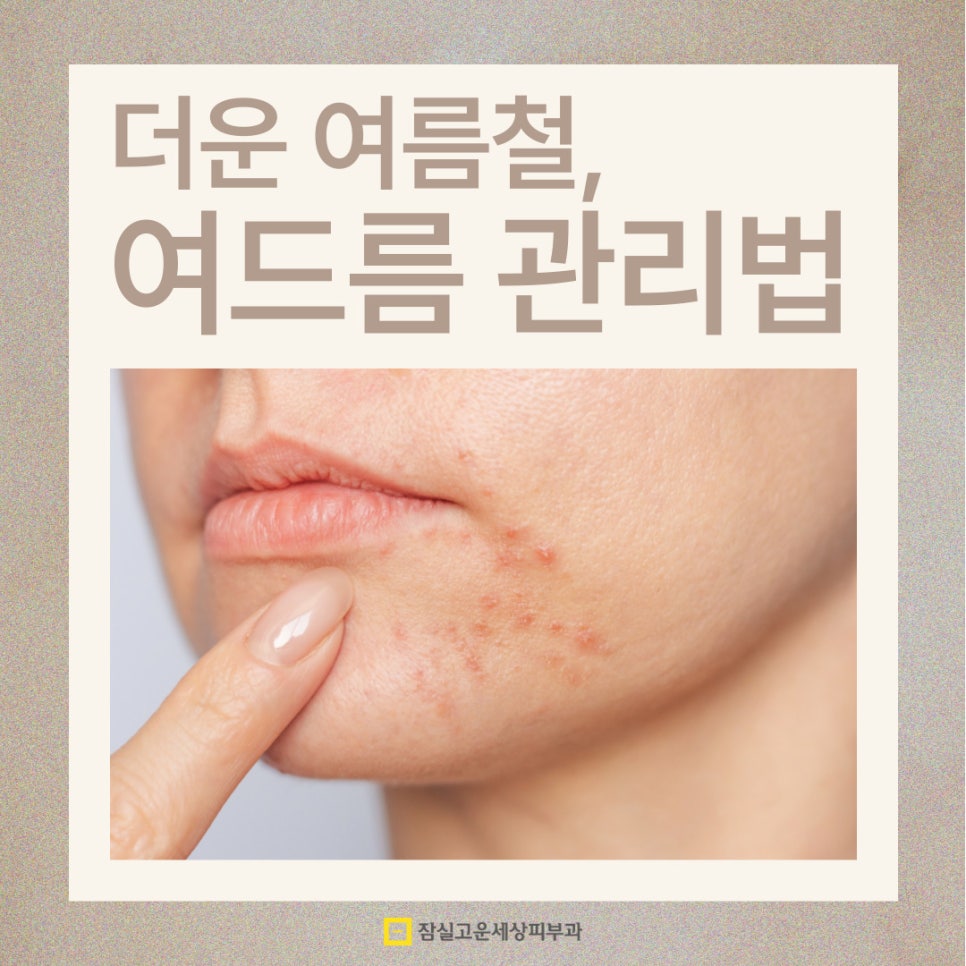
Hello! This is Jamsil Gounsesang Dermatology.
As the weather gets hotter and more humid, people with acne-prone skin often worry even more.
There are also many cases where people suddenly develop acne that they did not have before and visit a Korean medicine clinic or dermatology clinic. It is not simply because sebum production increases. Summer acne gets worse because sunscreen is applied, people sweat a lot, and the skin is irritated by high humidity.
So how should acne be managed in the hot and humid summer?
From the causes to solutions and everyday practices, let’s organize them step by step.
- Why acne worsens in summer
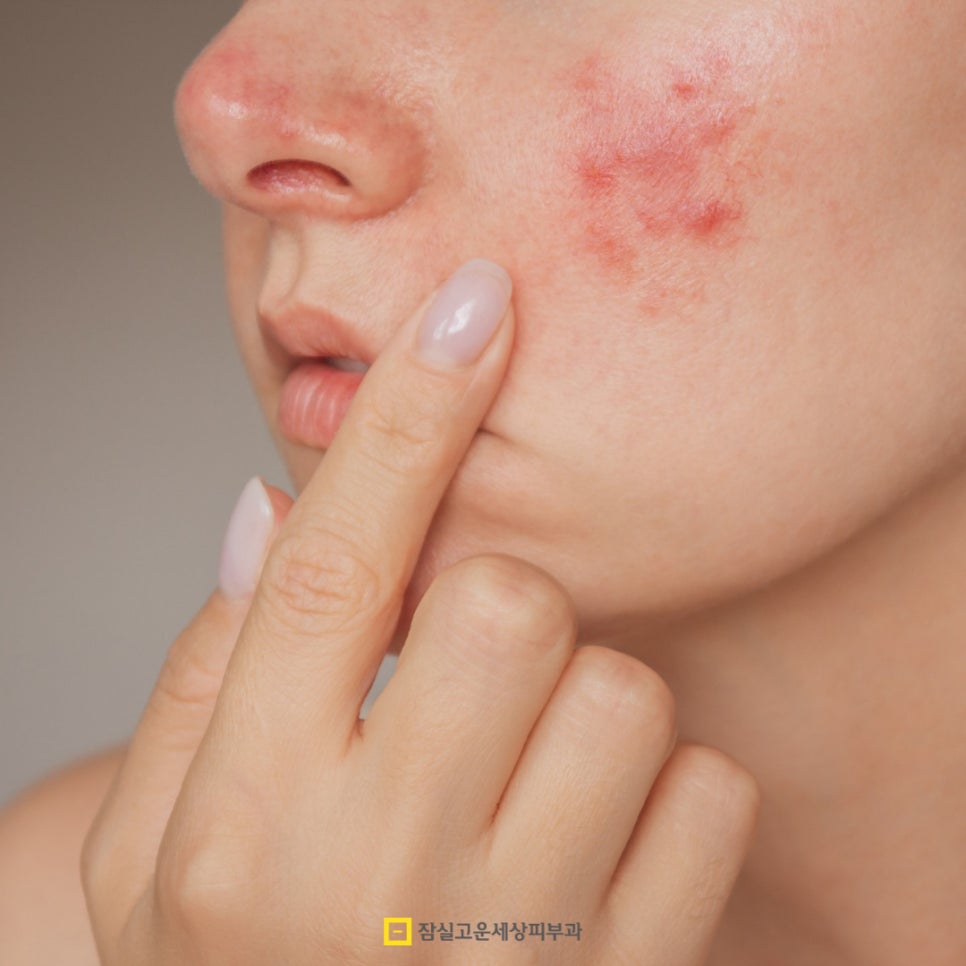 In the hot and humid summer, several factors work together to worsen acne.
First, as the surrounding temperature rises, the skin temperature increases and sebum and sweat are naturally secreted in excess. If the sebum and sweat produced at this time cannot be discharged properly, the pore openings become blocked, making it easy for everything from whiteheads to inflammatory and pustular acne to occur.
Second, if you frequently rub your face with your hands or a towel when wiping away sweat, bacterial infection can occur. This is because as the moisture in sweat evaporates, the waste left on the skin surface becomes good food for bacteria.
Third, some studies show that ultraviolet rays themselves increase sebum production and promote the activity of acne-causing bacteria. Prolonged exposure to strong sunlight weakens the skin barrier, creating an environment in which acne-causing bacteria can multiply more actively.
Fourth, when excess moisture forms on the skin surface due to high humidity, pores become wider and sebum and waste are more likely to get trapped inside them.
As a result of these four factors combined, acne in summer tends to appear more frequently, last longer, and become deeper than in other seasons.
Proper cleansing and skin temperature management
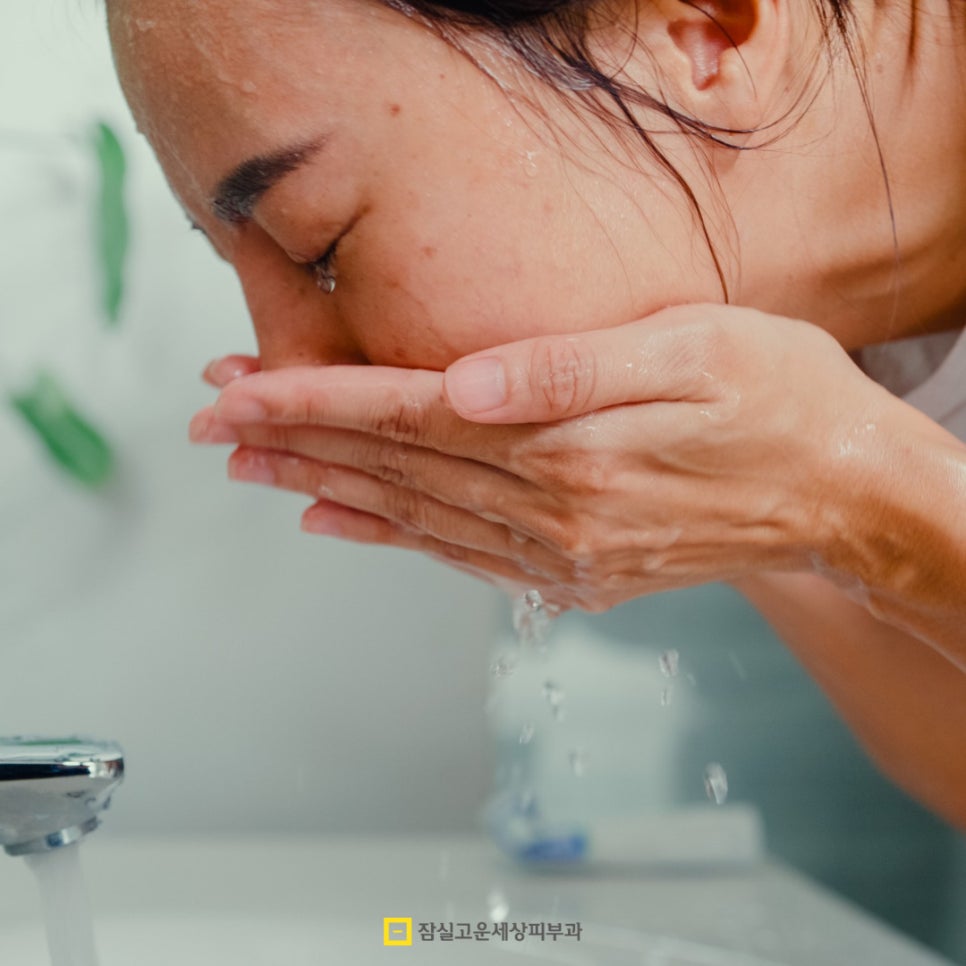 The first thing to pay attention to for summer acne care is a cleansing method that keeps the skin clean without causing excessive irritation.
Twice a day, morning and night, it is good to thoroughly wash away sebum and waste on the skin surface using a gentle, non-comedogenic cleanser.
Cleansers containing salicylic acid (BHA) or benzoyl peroxide can help regulate sebum production and suppress acne-causing bacteria, but after cleansing, it is better to rinse thoroughly with lukewarm water and finish with cool water to help tighten pores so the skin does not become excessively dry.
After sweating, shower or rinse your face with water as soon as possible to remove sweat, waste, and bacteria. However, excessive cleansing can remove the skin’s natural oils and may actually increase sebum production, so please avoid cleansing more than three times a day.
To lower skin temperature, directly exposing your face to a fan or air conditioner can rapidly dry the skin surface and instead become irritating, so it is better to control skin temperature appropriately by placing a cool towel on the face or using a cooling pack stored in the refrigerator for about 10 minutes.
- Choosing sunscreen and how to use it correctly
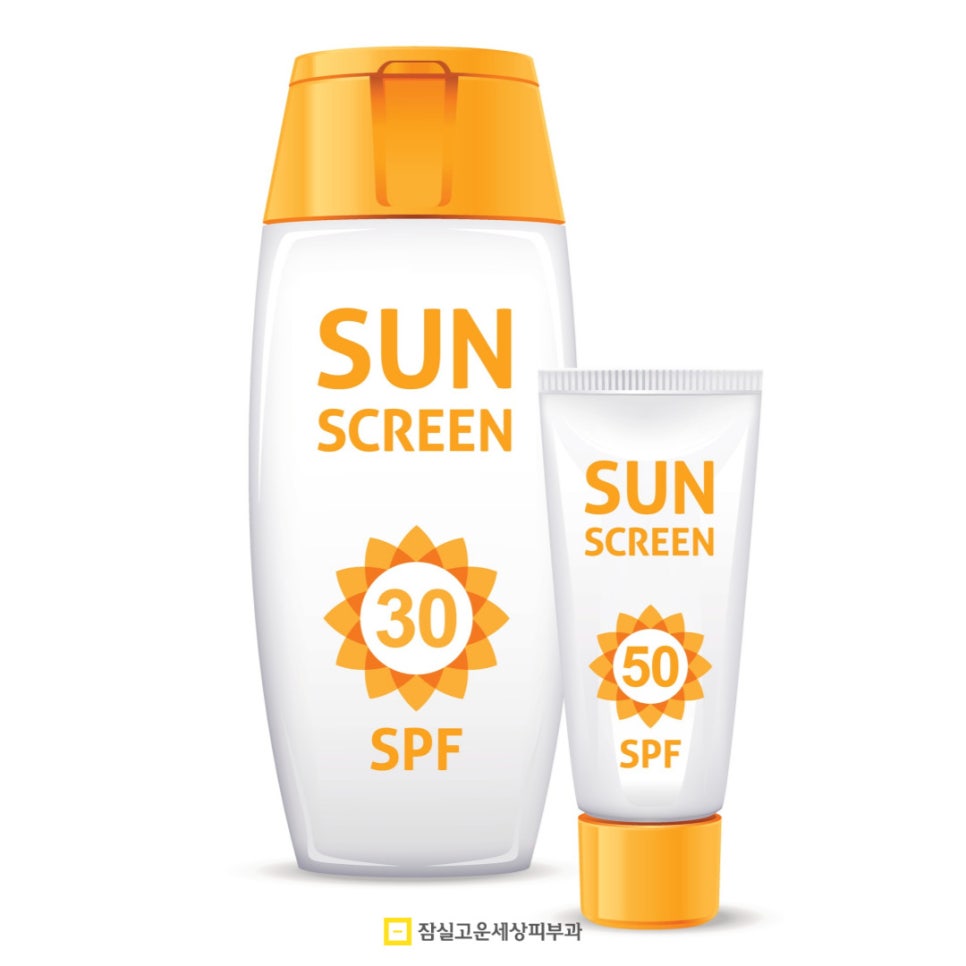 Using sunscreen is essential in summer, but using the wrong product can actually clog pores and worsen acne.
Physical sunscreens (sunlight scattering agents) contain white inorganic UV filters that reflect light, but particles that are large and heavy can sometimes clog pores. On the other hand, chemical sunscreens (UV absorbers) absorb ultraviolet rays and prevent them from penetrating into the skin, but chemical ingredients can irritate sensitive skin and trigger acne.
Therefore, choose a product that is suitable for your skin type and has a label such as oil-free and non-comedogenic, with minimal irritation.
SPF (Sun Protection Factor) indicates the degree to which UVB is blocked. SPF 15 blocks about 93% of UVB, SPF 30 about 97%, and SPF 50 about 98%. Therefore, choosing SPF 30 or higher provides sufficient protection for everyday life, and SPF 50 or higher offers slightly better blocking, but because more ingredients remain on the skin, it can cause discomfort or breakouts. Generally, products between SPF 30 and 50 are recommended.
The PA rating indicates the level of protection against UVA, and the more “+” symbols there are, the stronger the protection. PA+ blocks about 40% of UVA that causes skin aging based on SPF standards, PA++ about 60%, PA+++ about 80%, and PA++++ about 95% or more.
Especially in summer, you may be exposed to UVA for long periods even during everyday activities, so it is better to choose at least PA++ and, if possible, a product with PA+++ or higher.
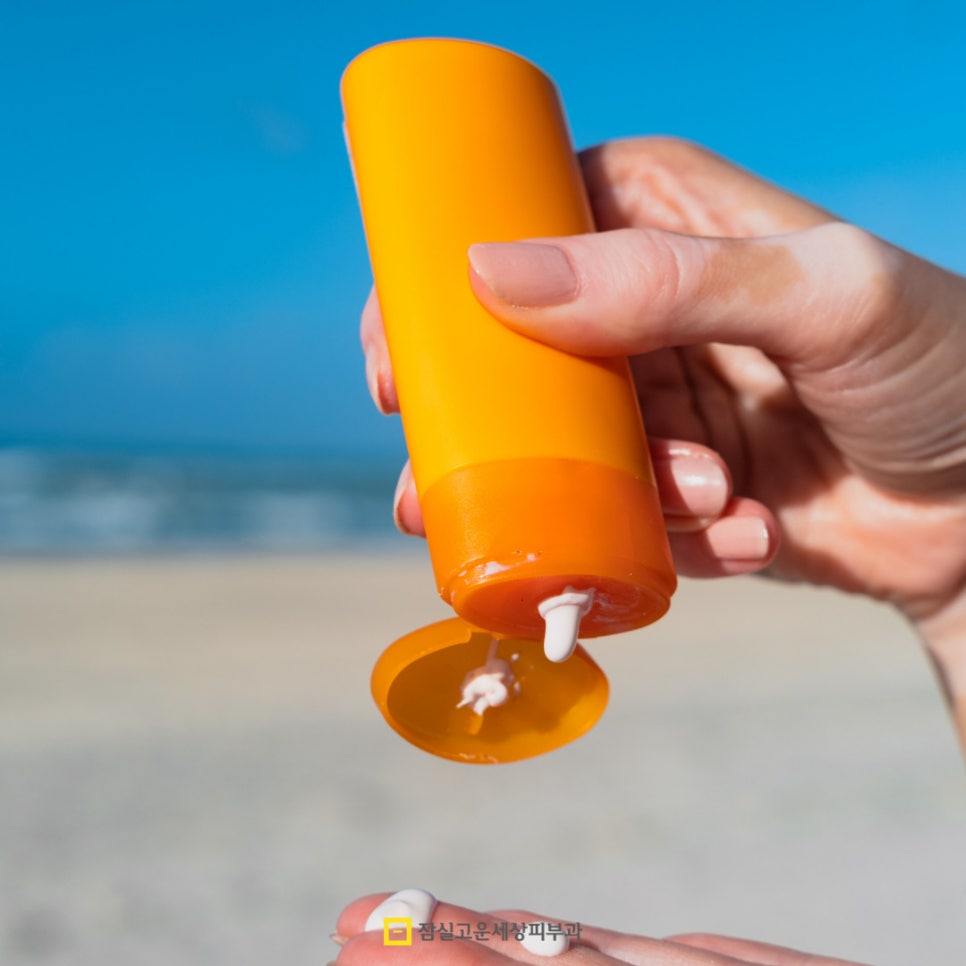 Since sunscreen needs about 15 to 30 minutes to be absorbed into the skin, it should be spread evenly over the face and exposed areas 20 to 30 minutes before going বাইরে to achieve proper protection.
After one application, the sunscreen film can be disturbed by skincare products or sweat and sebum, so when outdoors it must be reapplied every 2 to 3 hours. In particular, after sweating a lot or swimming, you should wipe it off and apply it again right away to maintain its effectiveness.
Also, to apply enough sunscreen to the face, it should meet the standard of “2 mg/cm² for the entire adult face,” which usually requires the amount of one dropper full, about 1/4 teaspoon, or 1.2 ml. If the amount is insufficient, it will not provide the level of protection indicated by the SPF and PA values, so please be sure to use the proper amount.
When engaging in long activities under strong sunlight, it is helpful to lightly apply oil-blotting paper or a powder pact (non-comedogenic, oil-free product) over the sunscreen to absorb oil and reinforce the protective layer.
In this case, powder alone cannot block ultraviolet rays, so be sure to apply sunscreen properly first and then layer powder on top.
Lifestyle habits to improve skin immunity
Diet, sleep, and stress management are closely related to acne development. Excessive drinking, greasy foods, and snacks high in sugar can trigger inflammation in the body and promote sebum production, so it is better to avoid them. Instead, eat enough anti-inflammatory foods rich in omega-3 fatty acids, such as salmon, walnuts, and flaxseeds, and fruits and vegetables rich in vitamins C and E to strengthen skin immunity.
Drinking enough water (at least 8 glasses a day) helps balance moisture in the skin and suppress excessive sebum production. Also, if sleep deprivation or stress continues, cortisol hormone secretion increases and acne can worsen, so keep in mind the time between 10 p.m. and 2 a.m., when growth hormone is secreted, get at least 7 hours of sleep, and develop the habit of relieving stress through yoga, meditation, or a light walk.
If you develop acne on the trunk, avoid overly tight underwear or workout clothes, and after exercise, change out of sweat-soaked clothes immediately to prevent the skin from being in a poorly ventilated state.
Using skincare products that reduce acne triggers
 For acne-prone skin in summer, it is essential to use lightweight skincare products made with oil-free, non-comedogenic ingredients. Instead of using heavy, oil-rich moisturizers, choose a gel-type moisturizing cream or moisturizing essence with a light hydrating feel to balance oil and moisture.
Limit exfoliation to about once or twice a week, and using chemical exfoliants containing AHA (alpha hydroxy acid) or BHA (beta hydroxy acid) can be helpful. Excessive physical scrubbing should be avoided because it can irritate the skin and worsen inflammation. After exfoliating, protect the skin barrier with sufficient hydration and soothing care.
If whiteheads or blackheads appear frequently, you may consider oral or topical benzoyl peroxide products, but for mild acne, it is better to use acne-specific lotions or toners to suppress sebum production and bacterial growth.
Considering professional help and medical treatment
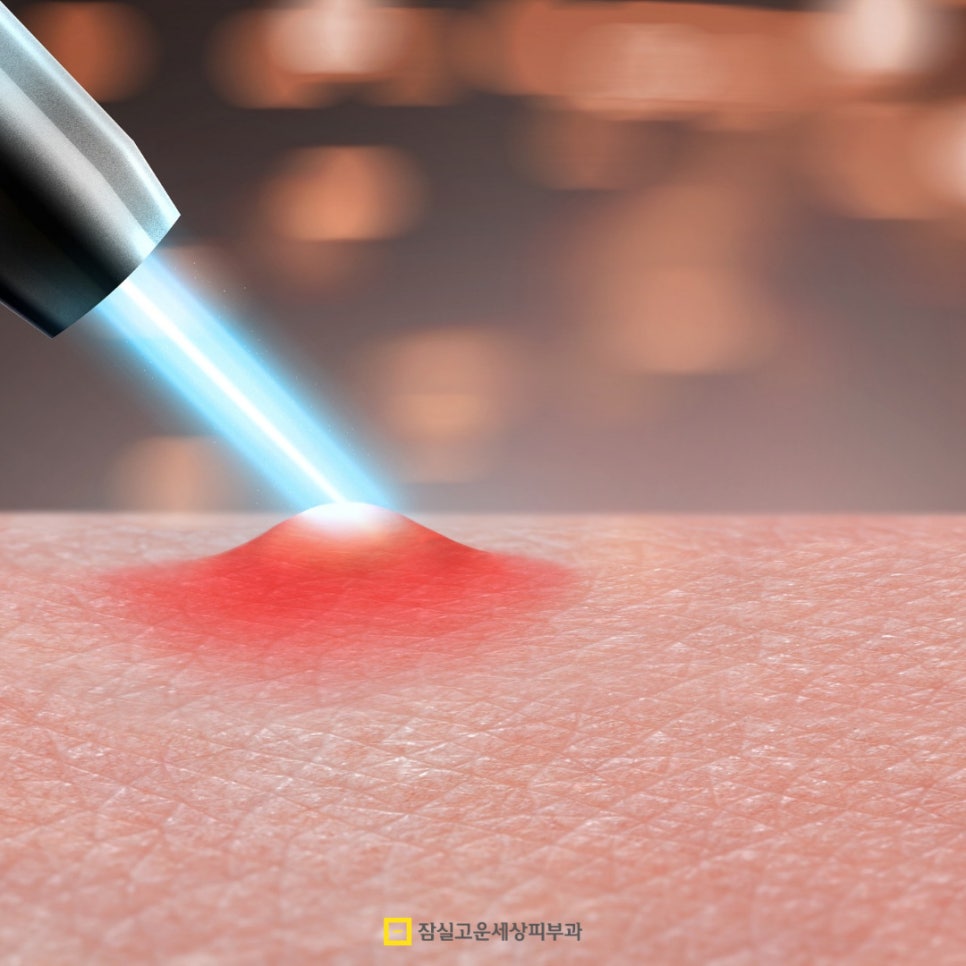 Summer acne is a season that requires active care.
If it does not improve even after changing your skincare and lifestyle habits at home, or if painful pustular or inflammatory acne continues, medical treatment is necessary. When you visit a dermatologist, you can receive customized treatment after an accurate diagnosis of the cause of acne (hormones, bacteria, genetics, etc.) from among various options such as medication treatment (oral antibiotics, hormone therapy, etc.), laser treatment, phototherapy (blue light, etc.), and chemical peeling.
In particular, during the summer, there is a lot of UV exposure in public places, so when receiving laser or light therapy, it is important to apply sunscreen and to use a low-irritation recovery cream after the procedure.
By consulting with medical staff and combining the right home care routine during the acne treatment period, you can improve treatment effectiveness and help prevent recurrence.
A closing guide for clear summer skin
 Managing acne in summer cannot be solved simply by washing your face diligently.
Because hot weather, high humidity, ultraviolet rays, and lifestyle habits all work together, you need to understand the causes accurately and take appropriate measures.
Managing acne in summer cannot be solved simply by washing your face diligently.
Because hot weather, high humidity, ultraviolet rays, and lifestyle habits all work together, you need to understand the causes accurately and take appropriate measures.
Only when proper cleansing, sunscreen use, choosing lightweight skincare products, regular eating habits, enough sleep, and appropriate treatment from a specialist come together little by little can healthy summer skin be maintained.
If you consistently practice the six methods introduced today, you will be able to regain clear skin that does not become greasy even in the hot summer.
Thank you.
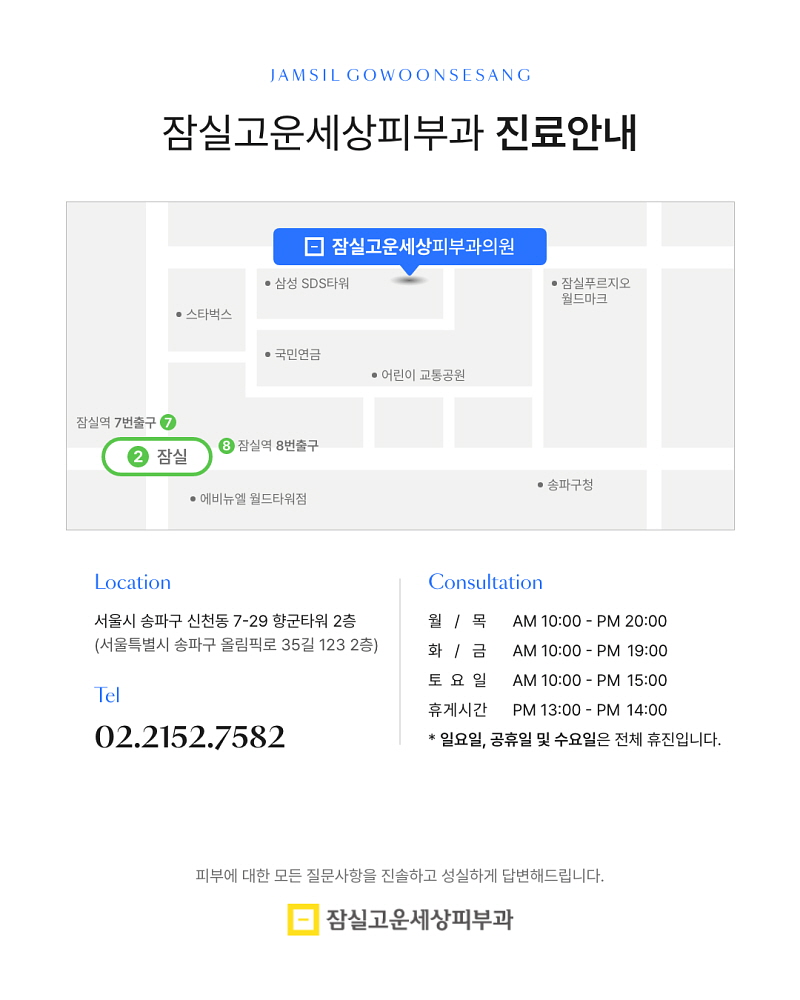
🎀 How to Visit Jamsil Gounsesang Dermatology 🎀
🍀 Jamsil Gounsesang Dermatology Information 🍀
🍀 Go to the Jamsil Gounsesang Dermatology website 🍀
In accordance with Article 56, Paragraph 1 of the Medical Service Act, this article is provided by Jamsil Gounsesang Dermatology for the purpose of providing medical information. All procedures/surgeries carry the risk of side effects such as bleeding, infection, and nerve damage, so please proceed carefully after sufficient consultation with medical staff.