Summer,
7 strategies to protect skin elasticity!

Hello, this is Jamsil Gounsesang Dermatology Clinic!
Summer is the season when skin elasticity declines the fastest.
Strong UV rays, hot and humid weather, and outdoor activities such as beach trips and swimming damage the skin barrier and accelerate the breakdown of collagen and elastin.
As a result, problems such as wrinkles, sagging, pigmentation, and dryness worsen, so simple aftercare alone is not enough. To keep summer skin strong and firm, a “strategic approach” for prevention and recovery is essential. Try these 7 strategies step by step.
- Suppress collagen breakdown with thorough UV protection
To protect skin elasticity in summer, the most important thing is to properly block UV rays.
Think of UV rays as an invisible “cloak” worn over the skin.
If this cloak is not strong enough, the small flames called UV rays will slowly wear away the collagen and elastin fibers in our skin one by one. As a result, the skin sags and wrinkles form, causing it to lose firmness.
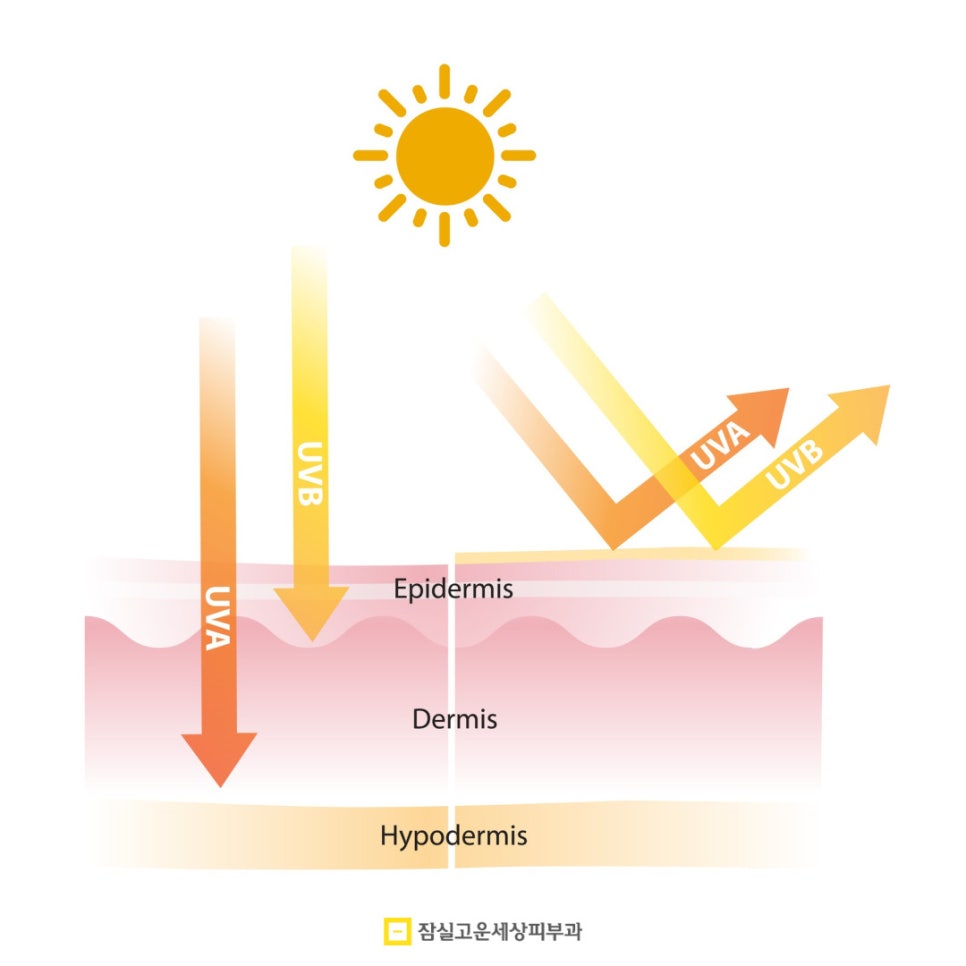
- SPF and PA: the story behind the numbers
- SPF (Sun Protection Factor)
: Indicates the degree to which UVB is blocked.
For example, SPF 30 blocks about 97% of UVB, and SPF 50 blocks about 98%. In other words, the higher the SPF number, the more UVB (the type of UV that causes skin to turn red and burn) it can block, but SPF 30 or higher provides sufficient protection for everyday exposure.
- PA (Protection Grade of UVA): The rating for blocking UVA.
As the number of “+” symbols increases, the UVA-blocking power becomes stronger.
PA+ : Low blocking power
PA++ : Moderate blocking power
PA+++ : High blocking power
PA++++ : Very high blocking power
In summer, you need to block UVA, which penetrates deep into the skin and breaks down collagen, so we recommend using products with at least PA+++.
- When, where, and how much should you apply it?
: Apply sunscreen evenly about 20 minutes before going outside on areas that are easily exposed to the sun, such as the face, neck, behind the ears, and the backs of the hands. Twenty minutes is the time needed for the sunscreen ingredients to absorb well into the skin and complete the protective barrier.
: In general, it should be reapplied every 2 to 3 hours to maintain effectiveness. In particular, after sweating heavily or after water activities, wipe off any sweat or moisture left on the skin surface and apply fresh sunscreen.
: For an adult’s entire face, you should use about 1/4 teaspoon (about 1.2 mL) for the SPF and PA ratings to work properly. It may look like a small amount, but squeeze it onto the back of your hand and spread it as if you are reapplying it two or three times to cover thoroughly. Be especially careful with areas that are easy to forget, such as behind the ears, the sides of the neck, the upper forearms, and the backs of the hands.
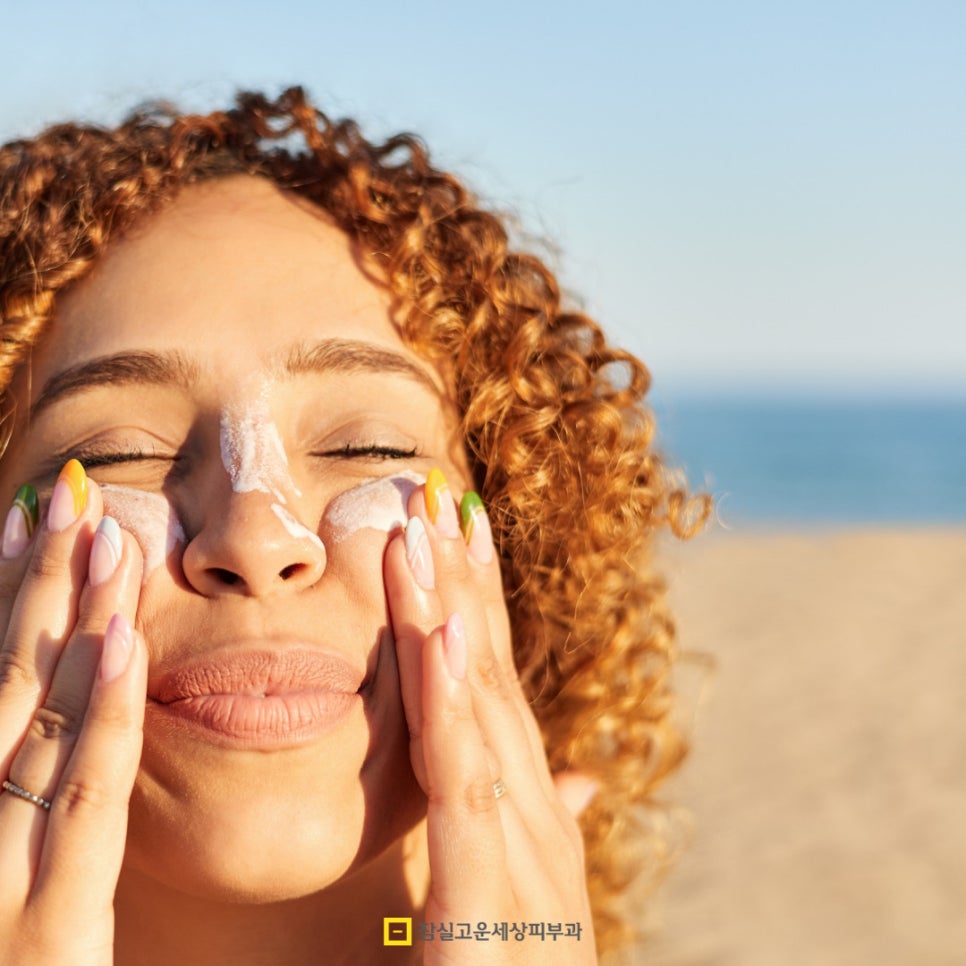
- Practical tip: sunscreen + physical protection as a “double-layer cloak”
Sunscreen alone is not enough.
Use a wide-brimmed hat, sunglasses, and breathable long-sleeved clothing to physically block the sun.
For example, a wide-brimmed hat shades the entire face and neck, creating a much stronger barrier than not applying sunscreen at all.
During outdoor activities, especially between 10 a.m. and 3 p.m. when the UV index is highest, it is a good idea to stay in the shade or use a portable parasol.
- Don’t forget to reapply sunscreen
Use your smartphone alarm. Set it to a “reapply every 2 hours” reminder so you won’t forget.
Keep a small travel-size tube in your pouch, or place small tubes in several spots such as on your desk, in your car, or in your handbag and use them often.
If the back of your hand looks noticeably brighter after applying, you have applied an extra layer. If it absorbs well enough that you can’t see a thin white film, it has been applied sufficiently.
- Be sure to take care of it after swimming or sweating
After beach trips or swimming, seawater (salt) or pool water (chlorine) can dry out the skin and wash off sunscreen. Gently shake off or lightly pat away moisture, then apply fresh sunscreen.
After exercise, sunscreen may be removed by sweat, so you should lightly wipe away the sweat with a towel and reapply to maintain effectiveness.
If you prepare your sun-protection cloak this thoroughly, you can minimize collagen breakdown and protect skin elasticity even under the strong summer sun. In addition, if you also practice the next steps—barrier recovery, antioxidant care, and cooling soothing care—you can keep your skin firm and healthy all summer long. Starting today, try building these small habits one by one.
- Combine physical protection methods

Sunscreen alone may not be enough,
so physical protection methods should be used together.
Wearing a wide-brimmed hat, UV-protective sunglasses, and breathable long-sleeved clothing can effectively reduce UV exposure not only on the face, but also on larger areas such as the neck and shoulders. In particular, since the UV index is highest from 10 a.m. to 3 p.m., it is better to minimize outdoor activity during this time or stay in the shade.
- Quickly rebuild the damaged skin barrier
When the skin barrier is damaged by UV rays, seawater, chlorine, sweat, and so on, moisture evaporates easily and the skin becomes sensitive to external irritation.
At times like this, you need to use products with “barrier recovery” ingredients rather than simple moisturizers.
- Ceramides, panthenol, beta-glucan
: Strengthen the lipid barrier in the epidermis and prevent moisture loss.
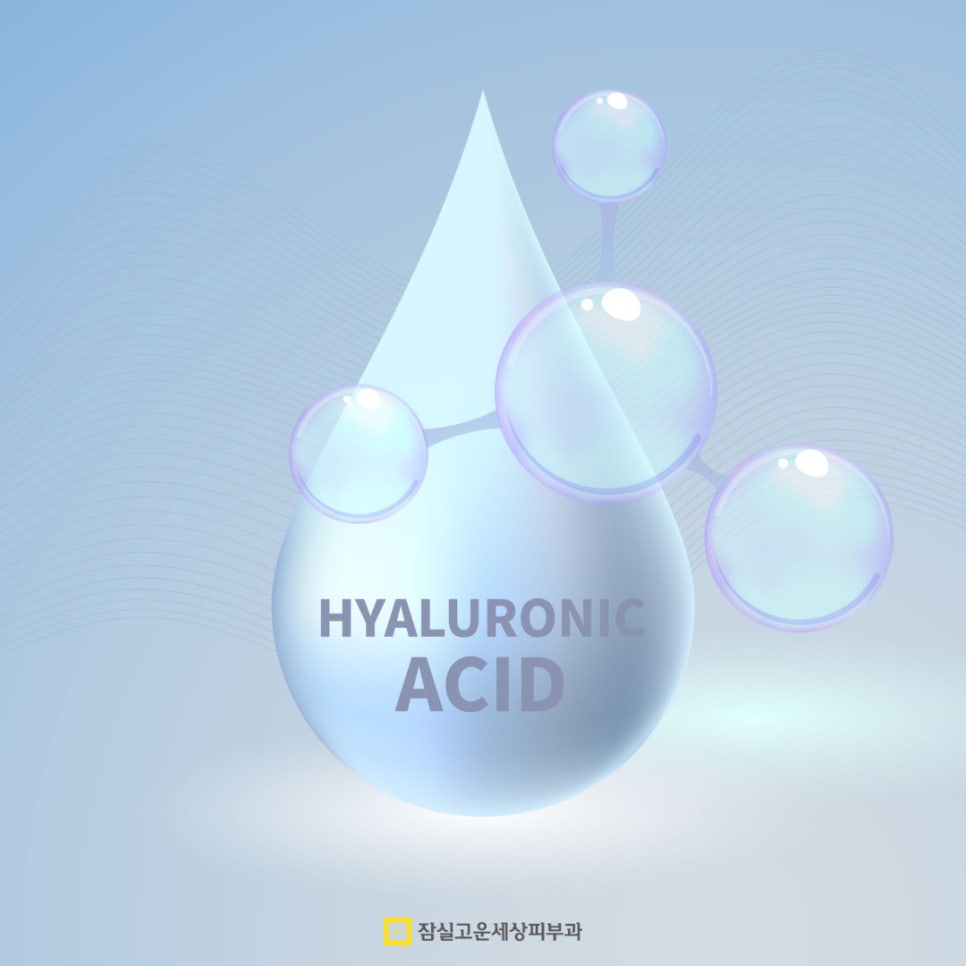
- Low-molecular (nano) hyaluronic acid
: Absorbs into the dermal layer, replenishes moisture deep in the skin, and helps collagen synthesis.
After beach trips or swimming, lower the skin temperature first (use a cold towel or cooling gel for 10 minutes), then apply a serum, lotion, or cream containing the ingredients above to rebuild the protective barrier from within the skin.
Promote collagen synthesis through antioxidant and regenerative care
UV exposure increases reactive oxygen species (ROS), which activate collagen-degrading enzymes and cause inflammation and pigmentation. To help prevent this, use the following ingredients.
-
Vitamin C, glutathione, niacinamide
: Powerful antioxidants that help recover cells damaged by acne or UV exposure and promote collagen synthesis. Apply a small amount at the toner or serum stage so it can be delivered deeper into the skin.
-
PDRN (polydeoxyribonucleotide), exosomes
: High-performance ingredients used in regenerative dermatologic procedures, with excellent effects in cell regeneration, inflammation reduction, and pigmentation suppression. When you need intensive recovery during summer, undergoing a procedure at a dermatology clinic can help the damaged dermal layer regenerate more quickly.
Cooling and soothing care to minimize aftereffects of inflammation
In summer, skin that becomes inflamed from the sun, salt, and sweat can lead to pigmentation and breakouts if it is not soothed quickly.
-
Cooling gels and soothing ampoules
: Cooling gels containing soothing ingredients such as madecassoside, aloe vera, and azulene can be applied to the face for about 10 minutes to reduce skin heat.
-
Low-temperature laser and cryo soothing care
: Low-temperature regenerative lasers or cryo (low-temperature) devices provided at dermatology clinics can quickly calm inflammation and help prevent pigmentation.
When the skin has become sensitive, home care alone has its limits, so if summer breakouts get worse, it is effective to receive professional soothing treatment.
Strengthen collagen with procedures for slow aging
To maintain skin elasticity for a long time in summer, you can consider procedures that promote collagen growth over time rather than temporary volume improvement.
-
Collagen injections
: By injecting PLLA (poly-L-lactic acid) into the dermal layer, collagen production in the skin is stimulated. Three to six months after the procedure, volume and elasticity improve naturally, and you can expect a slow-aging effect.
-
Additional regenerative ingredient care
: If regenerative ingredients such as PDRN and exosomes are used together after collagen injection procedures, collagen production and maintenance duration can increase, accelerating structural skin improvement and helping improve elasticity in a stable way without side effects.
Protect skin elasticity from both inside and out through lifestyle habits
Summer skin elasticity is not the result of short-term care, but of daily habits. Make sure to consistently practice the following three items.
-
충분한 sleep and stress management
Get enough quality sleep (at least 7 hours) during the time when growth hormone secretion is active, between 10 p.m. and 2 a.m. Stress increases cortisol secretion and promotes collagen breakdown, so relieve stress through meditation, light walking, yoga, and similar activities.
-
A balanced diet and adequate water intake
Eat plenty of omega-3 fatty acids (salmon, nuts) and antioxidant-rich fruits and vegetables (berries, oranges, kiwi, etc.) to reduce inflammation and support collagen synthesis. Also, drink 1.5 to 2 liters of water a day to supply moisture deep into the skin.
-
Promote circulation with appropriate exercise
Intense exercise in summer can cause excessive sweating and irritate the skin, so do light aerobic exercise or stretching when it is cool in the morning or evening, and keep blood circulation smooth. Adequate oxygen and nutrient supply are essential for collagen synthesis.
Firm skin that doesn’t fade, even in the heat,
through strategic care!

To protect skin elasticity in summer,
aftercare alone is not enough.
Starting with strong UV protection, you need to comprehensively practice seven strategies that include barrier rebuilding, antioxidant and regenerative care, cooling and soothing care, collagen-strengthening procedures, and proper lifestyle habits to achieve true slow aging.
Especially in summer, when exposure to UV rays, seawater, sweat, and sand is more likely, you should prepare the strategies shared today in advance to minimize external irritation and strengthen the skin’s internal structure. This summer, maintain firm skin elasticity that does not falter even in the heat and humidity.
Thank you.
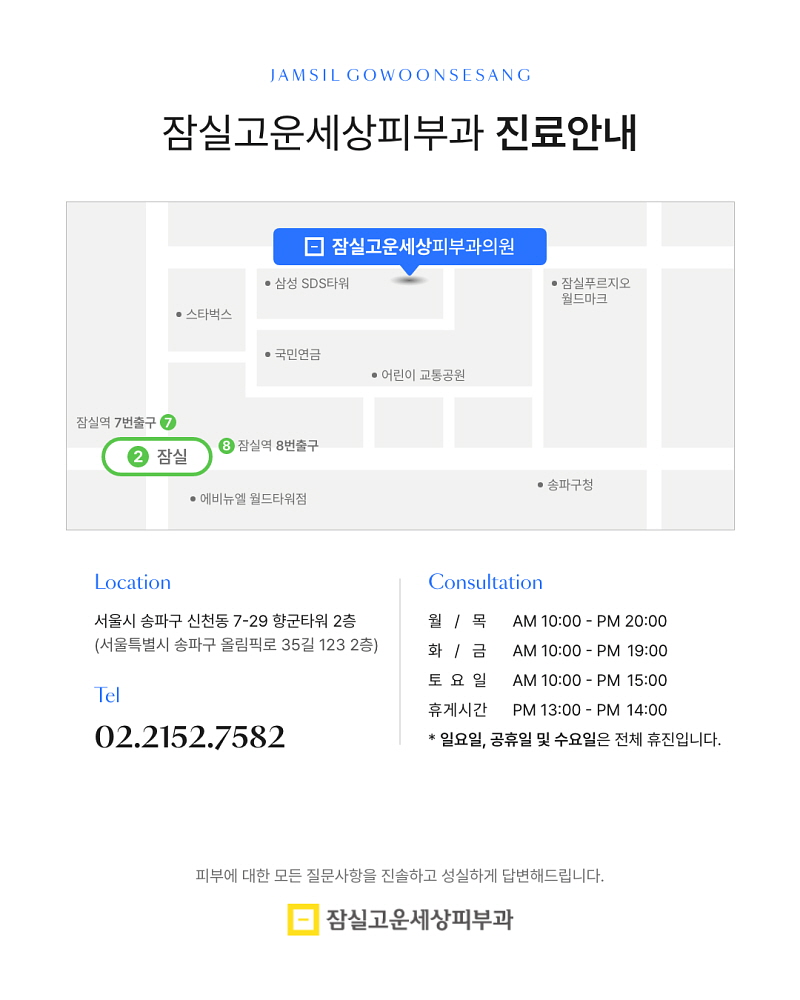
🧡 Directions to Jamsil Gounsesang Dermatology Clinic 🧡
🧡 Jamsil Gounsesang Dermatology Clinic Hours 🧡
🧡 Jamsil Gounsesang Dermatology Clinic Homepage 🧡
This post is provided by Jamsil Gounsesang Dermatology Clinic for the provision of medical information in accordance with Article 56, Paragraph 1 of the Medical Service Act. All procedures and surgeries carry the risk of side effects such as bleeding, infection, and nerve damage, so please proceed carefully after sufficient consultation with medical professionals.