“Even drinking cold water makes my teeth ache.”
“Even brushing my teeth makes them feel sharp and painful, so I avoid it.”
These are things I hear very often in the clinic.

Many people tend to regard sensitive teeth
as just a minor inconvenience or a temporary symptom
and let it go.
But ‘tooth sensitivity’
is never something to take lightly.
Hello.
I am Director Lim Jong-woo
of Gwanghwamun The Square Dental Clinic.
Today, I’d like to talk in detail about the symptom of ‘tooth sensitivity,’
which anyone may have experienced at least once,
based on real cases from the clinic—
why it happens, how it should be managed,
and what can happen if it is left untreated.
The causes and treatment of tooth sensitivity,
and common misconceptions

· What is the real reason teeth feel sensitive?
In most cases, tooth sensitivity occurs when the enamel,
the outer surface of the tooth, becomes damaged and
the dentin underneath is exposed to outside stimuli.
Because this dentin is connected to the nerves,
it can easily react to cold water, sweets, wind, and more.
Many people think the cause of tooth sensitivity is only
“brushing too hard,” but in reality, it can be divided into the influence of the following two forces.
① Sensitivity caused by wear (U-shaped wear)
– strong brushing, rough bristles, excessive pressure
② Flexural fracture caused by chewing force (V-shaped wear)
– clenching, bite imbalance, temporomandibular joint problems, and more
In most cases, these two factors work together,
gradually wearing away the side of the tooth
and causing sensitivity.

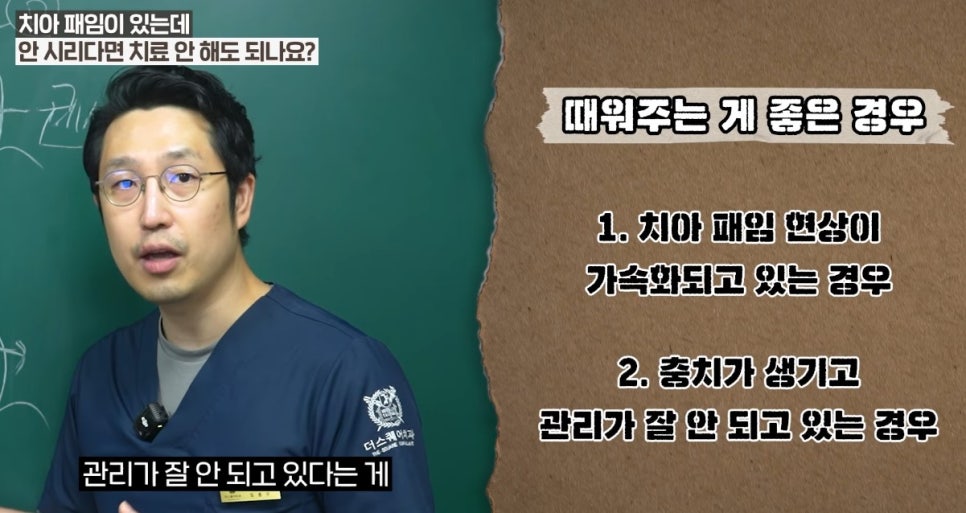
· What if the tooth is worn down but doesn’t feel sensitive?
Some people have teeth that are visibly worn down
but feel no pain at all.
There are two possible explanations for this.
① The body has activated its own defense mechanism
– a protective layer called ‘sclerotic dentin’ has formed well inside the dentin.
② The nerve is already dead
– this can be a very dangerous sign,
and it means the pulp (the tooth’s nerve tissue) has necrosed
and is no longer able to feel sensation.
In the latter case, inflammation can spread without the nerve,
which can develop into a serious problem,
so a dental examination is absolutely necessary.
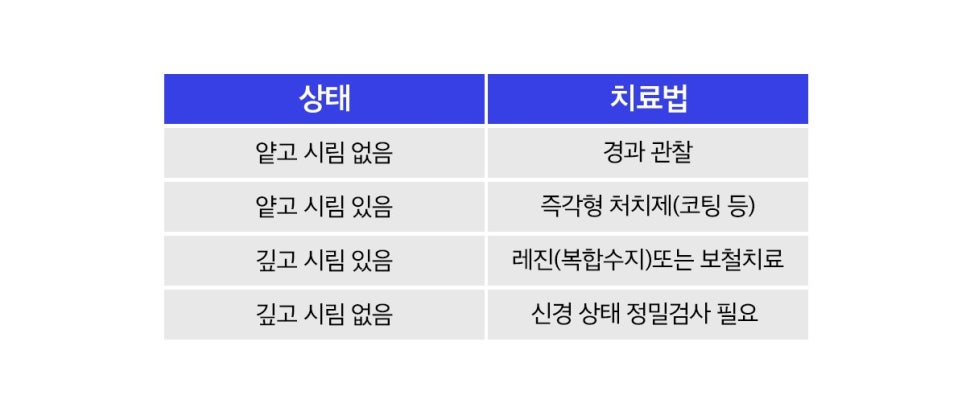
Sensitive teeth,
sometimes treatment is definitely needed.
The following cases require
active treatment.
-
When the sensitivity is severe and the worn area is deep
-
When food frequently gets stuck in the worn area
-
When tooth decay is suspected to be progressing
-
When a previously treated area repeatedly falls out
The treatment method varies depending on the condition.
Why does treatment keep falling out?
“After treatment, it fell out again..."
In such cases, there may be the following reasons.
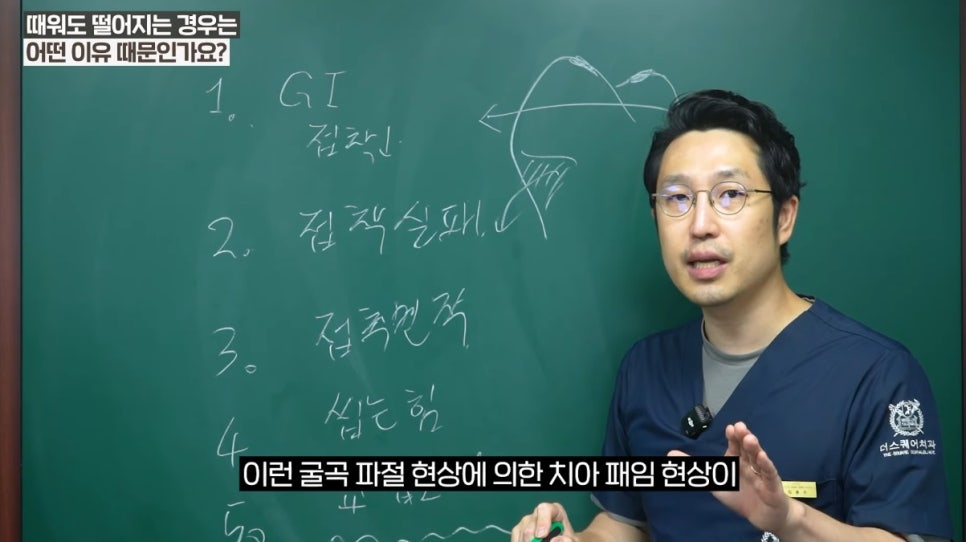
- Insufficient bonding area
If the worn area is too shallow,
the bonding strength is weak and it falls out often.
- Material selection issues
GIC (glass ionomer cement) is covered by insurance,
but its bonding strength is relatively weak.
- Procedure-related issues
Resin is a material for which the clinician’s technique
has a very sensitive effect.
- Harmful habits
If teeth grinding or clenching continues,
no treatment will last for long.
- Bite problems
If excessive lateral force is applied to a particular tooth,
continuous damage can occur.
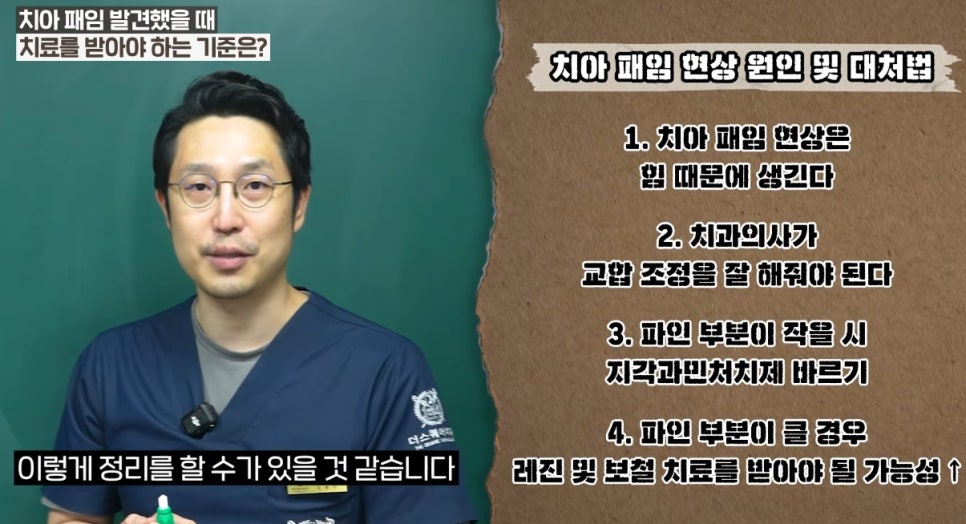
In such cases, the issue can be addressed through bite adjustment,
wearing a night guard, or switching to prosthetic treatment.
Tooth sensitivity,
early detection and customized treatment are the answer.
“Sensitive teeth are a red flag for dental health.”
Sensitivity may be a SOS signal from your teeth.
At first it may seem like simple sensitivity, but if left untreated, it can lead to cavities,
nerve damage, inflammation, and even extraction.
Regular dental checkups, self-observation,
and determining the right time for treatment are more important than anything else.
Please do not ignore even a small inconvenience,
and be sure to receive a diagnosis from a professional dentist.
▶ Advice for those with the same concerns
· Brush gently, and also care for the spaces between your gums and teeth
with interdental brushes and dental floss.
· Avoid cold foods or overly acidic foods,
and consider a night guard if you grind your teeth.
· If the sensitivity keeps coming back, do not judge it on your own;
please be sure to consult a professional.
Tooth sensitivity is a common symptom
that anyone may experience at least once, but it is never a ‘minor issue.’
Protecting your precious teeth while the problem is still small
is the best treatment.
So that you can always smile with a healthy smile,
I will always be here as your dental primary doctor.
Thank you.
_
Gwanghwamun The Square Dental Clinic
From Director Lim Jong-woo