Hello.
I am Lim Jong-woo, Chief Director of Gwanghwamun The Square Dental Clinic.
When a tooth feels loose, most people
start by wondering,
“Do I have to get this pulled?”

If you notice that it moves more than before when looking in the mirror,
or if it feels slightly loose while chewing,
it is natural to feel worried.
But not every case of looseness
means extraction right away.
In my clinical practice, I divide loose teeth into cases that can be saved
and cases where extraction should be considered.
Today, I will explain those criteria and causes,
as well as the direction of treatment.
Degree and classification of tooth mobility
Tooth mobility is divided into grades 0 to 3
based on the criterion called “mobility.”
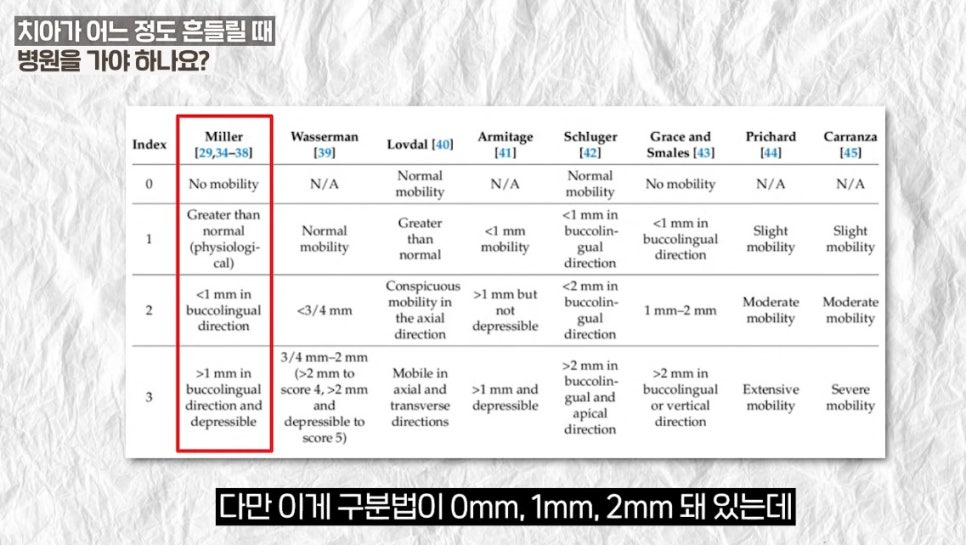
· Grade 0~1: If management and treatment are combined, there is a high chance of stabilization.
· Grade 2 or higher: The movement is noticeable even by sight,
and if it is progressing quickly, early treatment is needed.
Looseness caused by temporary gum inflammation or poor physical condition may recover,
but if the supporting structure has collapsed,
it worsens over time.
Main causes of looseness
The causes of a loose tooth
can be broadly divided into three categories.
- Periodontitis

Tartar and bacteria damage the gums and alveolar bone,
weakening the supporting structure.
As it progresses, the “foundation” that holds the tooth in place itself
collapses, making the looseness worse.
- Trauma (excessive force)

Sudden impact such as falling or chewing hard foods,
or long-term teeth grinding and clenching,
continuously push on the tooth and cause looseness.
- Apical inflammation
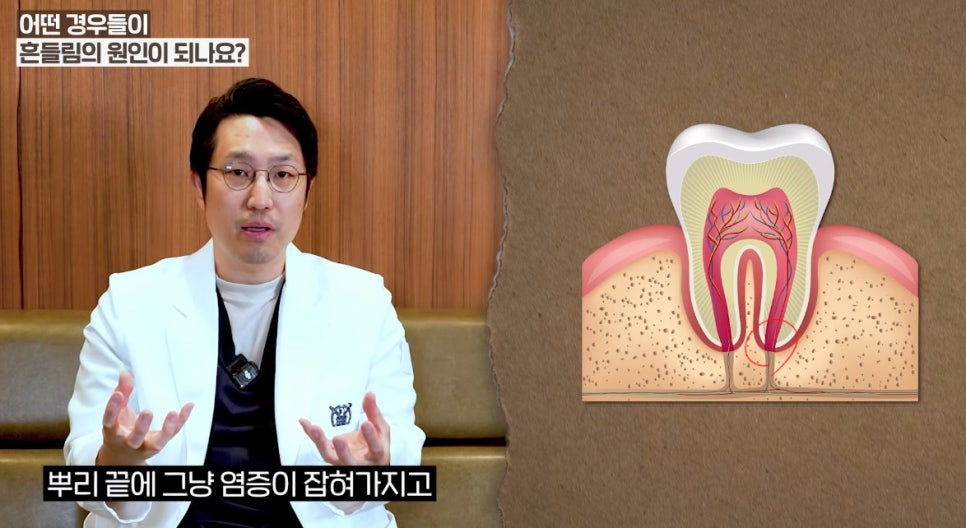
This is when pressure builds up due to inflammation of the tooth’s internal nerve,
causing the tooth to feel wobbly.
In many cases, it can improve with root canal treatment.
Warning signs you can check at home
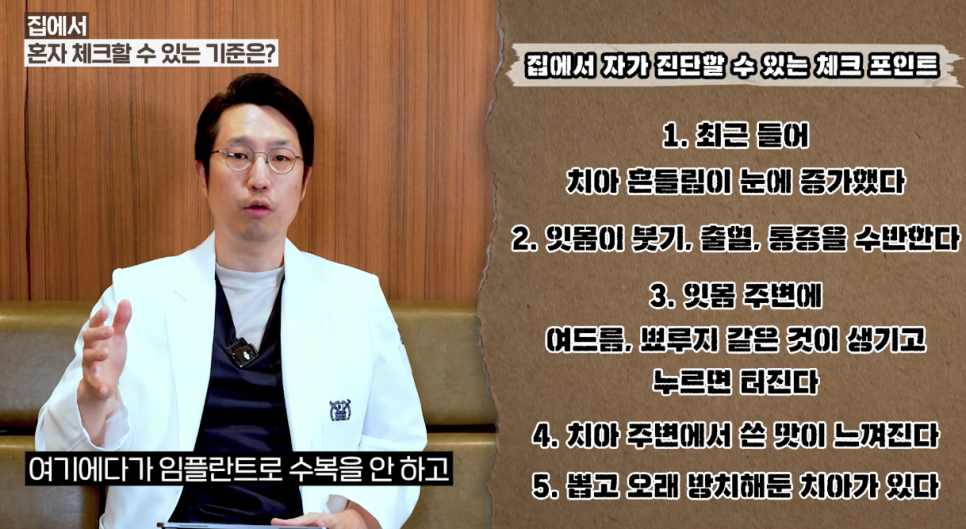
If any of the following apply, a dental visit is recommended.
· The looseness has recently increased and has not improved after 1 to 2 weeks of care
· Gum swelling or bleeding continues
· A pus pocket on the gums (pimple-like) keeps recurring
· You notice a bitter taste around the tooth
· A tooth that was extracted long ago was not restored with an implant,
causing nearby teeth to become loose as well
Cases that can be saved vs. cases where extraction should be considered

· When periodontitis is grade 2 or below:
Long-term use is possible with gum treatment and thorough maintenance
· When the tooth is loose from trauma without root damage:
Recovery is possible with splint fixation and habit correction
· Apical inflammation:
Stabilization is possible after removing inflammation through root canal treatment
- Cases where extraction should be considered
· When periodontitis has progressed and the alveolar bone has been severely lost
When there is a crack in the root (root fracture)
When the gum structure is not manageable and inflammation keeps recurring
The key to treatment and management
Accurately diagnosing the cause of the looseness is the first step.
If the cause is force, you should improve habits such as excessive chewing
and teeth grinding.
If it is a gum disease, tartar removal and
gum treatment should be performed together.
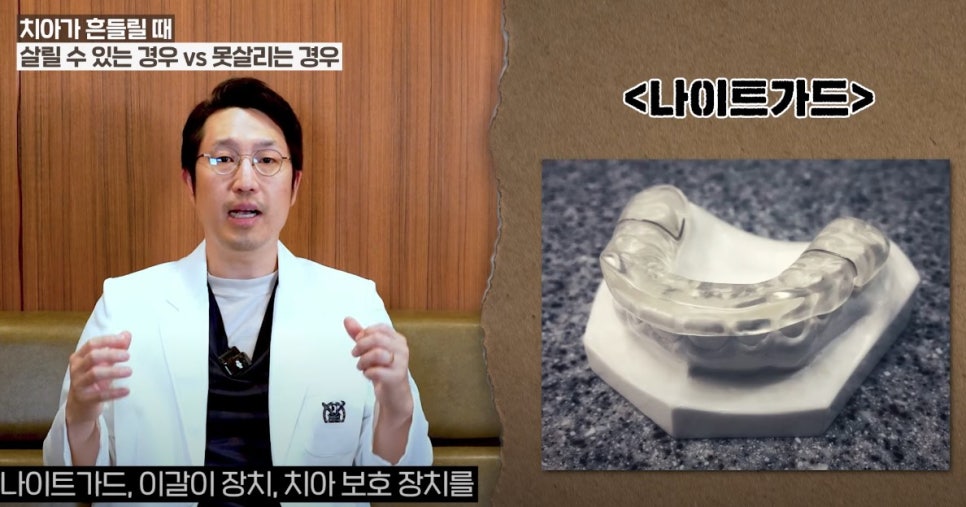
In addition, it is important to use protective devices such as a night guard
to reduce the force applied to the teeth,
and to check the condition through regular examinations.
Early detection and management are the answer
A loose tooth does not always need to be pulled.
However, if you miss the window when it can still be saved,
it becomes difficult to avoid extraction in the end.
“Early diagnosis, early treatment, and consistent management”
These three are the surest way to protect your natural teeth
for a long time.
If you are currently worried about a loose tooth,
I recommend getting a diagnosis from a specialist
rather than deciding on your own.
_
Gwanghwamun The Square Dental Clinic
From Lim Jong-woo, Chief Director