During pregnancy, the entire body goes through major changes.
But many people
carefully pay attention to the baby’s health,
while putting their own teeth and gum health
after everything else.
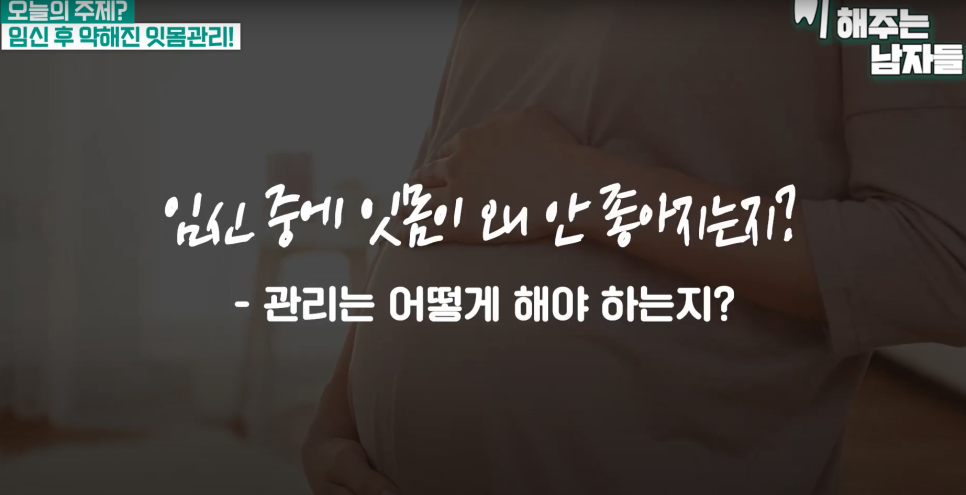
One of the things I often hear in the treatment room is
�a0
�a0
“I'm pregnant, but my gums keep swelling and bleeding.
Is that okay?”
�a0
�a0
This is a question I hear a lot.
In fact, more than half of pregnant women experience these symptoms.
�a0
�a0
Hello.
I’m Im Jong-woo, the chief director of
Gwanghwamun The Square Dental Clinic.
�a0
�a0
Today, let’s talk about why gum disease is more likely to occur during pregnancy
and how to manage it.

�a0
�a0
Why gum disease is more likely during pregnancy
�a0
�a0
During pregnancy, hormonal changes make
the gums very sensitive.
Even plaque that would normally not be a big deal can
cause inflammation and easily lead to swelling and bleeding.
This condition is called “pregnancy gingivitis.”
�a0
�a0
Patients often say,
“I'm only brushing my teeth, but it bleeds,”
but in fact, it is the result of hormonal changes causing the blood vessels in the gums to expand
and the inflammatory response to become more sensitive.
In other words, the gums react strongly even to minor irritation.
�a0
�a0
In dentistry, this kind of situation is seen
not as a simple symptom, but as a warning sign for prevention.
When the gums are swollen, it means they need more care right now.

Additional issues caused by vomiting and morning sickness
�a0
�a0
If vomiting from morning sickness is added on top of already sensitive gums,
care becomes much more difficult.
When stomach acid directly touches the teeth, the enamel weakens,
and if brushing is not timed well,
the tooth surface can be damaged further.
�a0
�a0
In fact, in the early stages of pregnancy,
some patients say, “Even the smell of toothpaste is hard to tolerate,” and avoid brushing altogether.
In such cases, using fragrance-free toothpaste or
an oral rinse can be helpful.
What matters is not brushing hard immediately after vomiting,
but rinsing with water first and brushing 30 minutes later.
�a0
�a0
In other words, morning sickness in early pregnancy weakens not only the gums but also the teeth,
so more careful care is needed.

Care that can be practiced at home
�a0
�a0
It is not easy for pregnant women to visit the dentist often.
So I’d like to introduce care methods that can be practiced sufficiently at home as well.
● Use a soft toothbrush and brush thoroughly two or three times a day
● Make it a habit to use dental floss and interdental brushes for the spaces between teeth
● On days when the gums are swollen, gargle with warm water or a non-alcoholic oral rinse
● Reduce sugary foods and sticky snacks
If you manage these basic habits well, you can greatly reduce gum swelling and pain.

Dental treatment is possible during pregnancy as well.
�a0
�a0
Swollen gums during pregnancy are not uncommon.
But if you simply let it pass as a minor discomfort,
it can lead to bone loss in the gums or periodontal disease,
so caution is needed.
If you are in the planning stage of pregnancy,
it is best to get a dental checkup in advance and
finish any necessary treatment safely.
�a0
�a0
If you are already pregnant, it is safest to receive a checkup or basic care such as scaling during the second trimester,
when you have entered the stable period.
Taking care of gum health even during this special time of pregnancy
is also a choice for the baby’s health.
I sincerely hope your efforts will clearly lead to a healthy delivery and a happy smile.
_
�a0
�a0
From
Gwanghwamun The Square Dental Clinic
Im Jong-woo, Chief Director
�a0
�a0


�a0
 �a0
�a0