“My wisdom tooth isn’t even visible,
and it doesn’t hurt, so do I really need to have it removed?”
Hello,
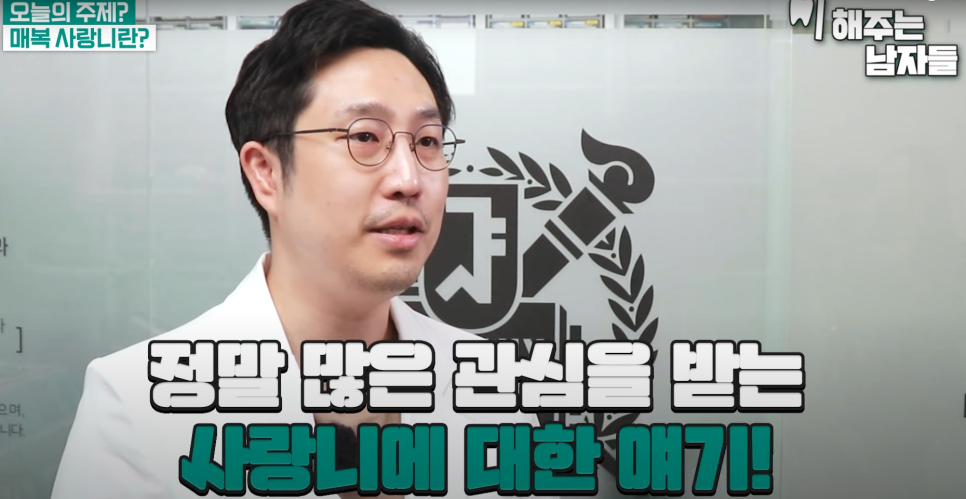
I’m Lim Jong-woo, the chief director of
Gwanghwamun The Square Dental Clinic.
If it looks fine on the outside,
it’s natural to think
that it should be okay.
But wisdom teeth that are not visible on the outside
often end up causing bigger problems.
Today, I’ll explain the key things
patients should know about hidden wisdom teeth,
that is, impacted wisdom teeth.
What are hidden wisdom teeth?
Wisdom teeth are the last molars,
typically erupting in the late teens to early 20s.
But if there isn’t enough space,
or if the angle is tilted,
they may not come up into the proper position
and become trapped in the gums or bone.
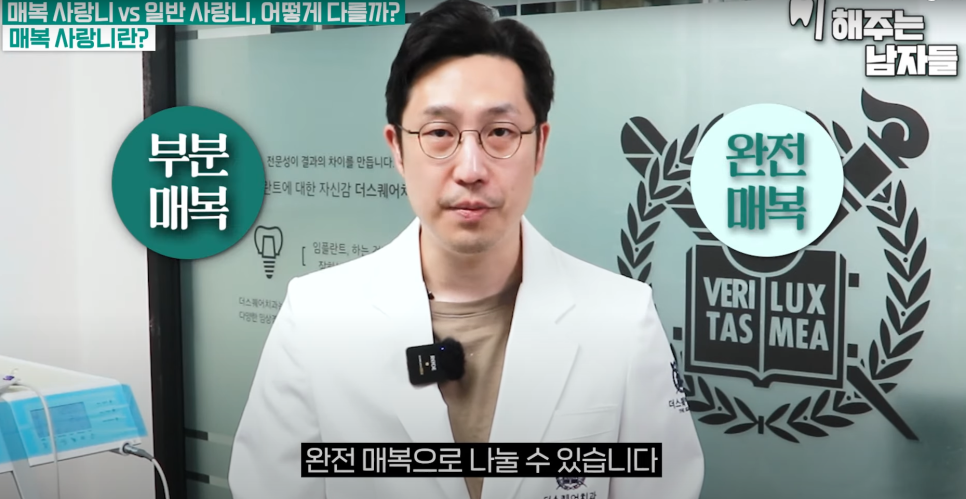
This is called an impacted wisdom tooth.
● Partially visible: partial impaction
● Completely hidden: complete impaction
You may think,
"If it isn’t visible, what problem could it cause?"
but in reality, it can affect the surrounding teeth and gums
and gradually create problems.
Problems that can occur if left untreated
So what kinds of problems can happen
if a hidden wisdom tooth is left alone?
I’ll focus on cases commonly seen in clinical practice.
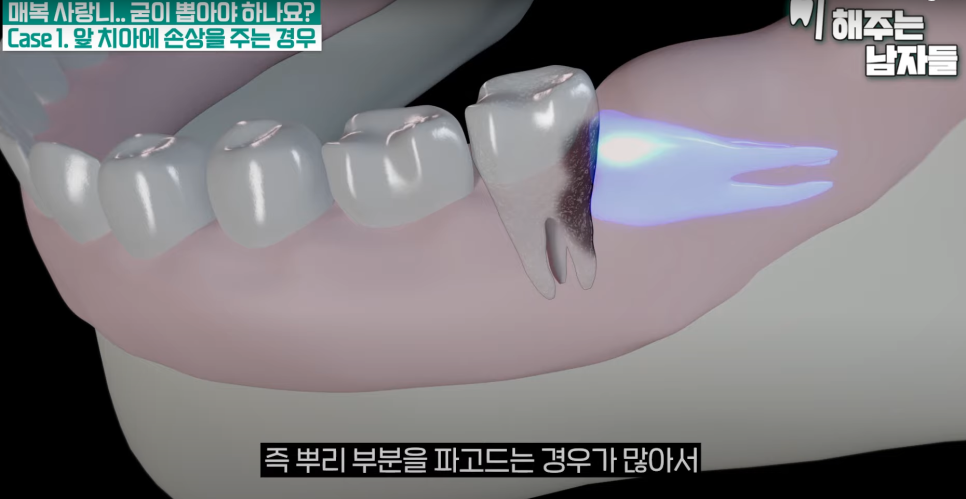
● Decay in the front molar
A wisdom tooth can push against the adjacent tooth
and cause decay near the root.
If it progresses to the root, there may be situations
where not only the wisdom tooth but also the front molar
must be removed.
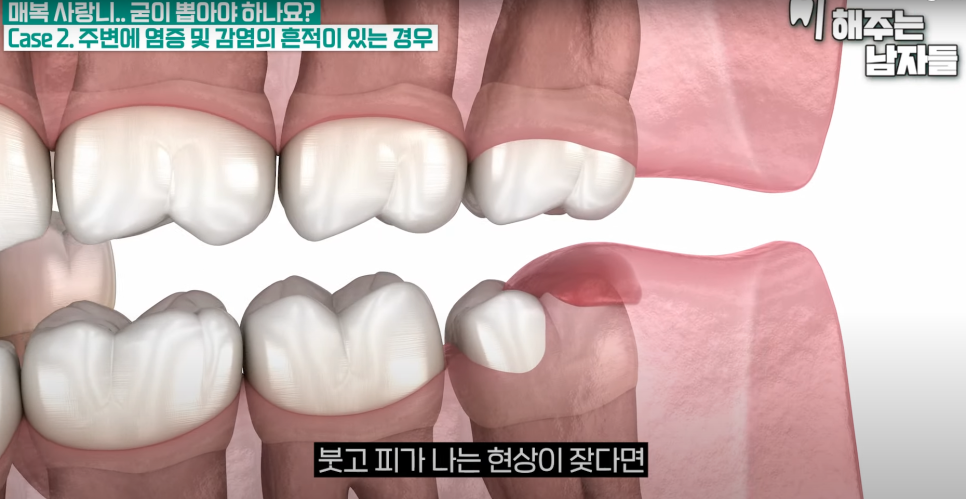
● Gum inflammation and infection
Partial impaction often traps food and bacteria,
causing the gums to swell and hurt repeatedly.
If it recurs, it can spread to the entire jaw,
such as in cellulitis, which is dangerous.
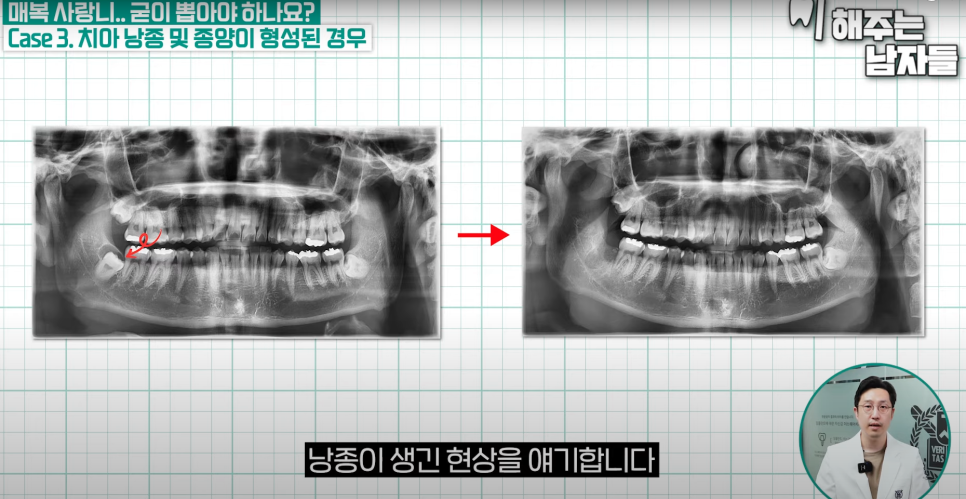
● Cyst and tumor development
If a cyst forms around a hidden wisdom tooth,
it can dissolve bone and damage nearby teeth.
It may also be discovered as a dark lesion on an X-ray.
● Interference with orthodontics or implants
It can interfere with tooth movement during orthodontic treatment,
or if it overlaps with the position for a molar implant,
the treatment outcome may worsen.
In this way, an impacted wisdom tooth is not just a matter of
"a tooth being hidden."
It can affect oral health in various ways.
Therefore, in some cases,
it is best to consider extraction without delay.
Cases where removal is definitely needed
So in what cases must it be removed?
● When the front molar root has been damaged by decay
● When the gums repeatedly swell and bleed
● When a cyst or pathological change is confirmed
● When orthodontic treatment or implants are planned
In these cases, the situation can worsen over time,
so early extraction is the safest option.
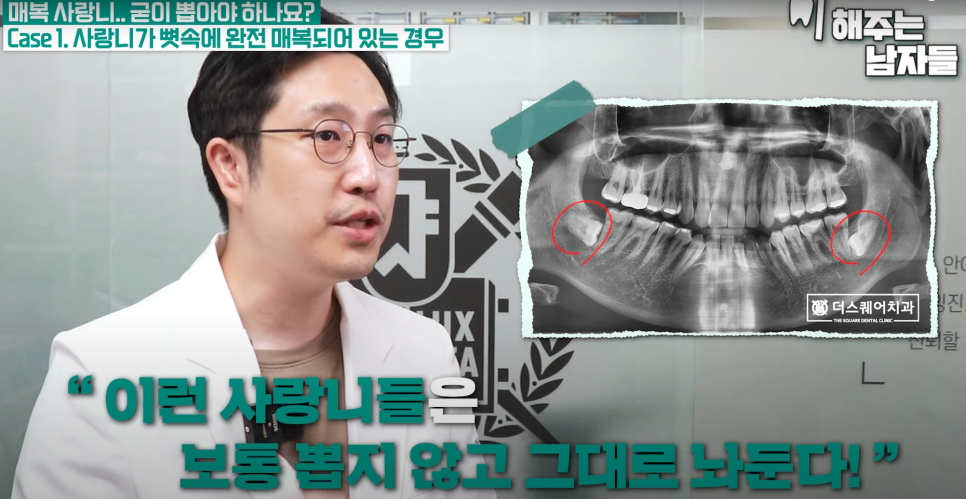
Cases where it can be left alone
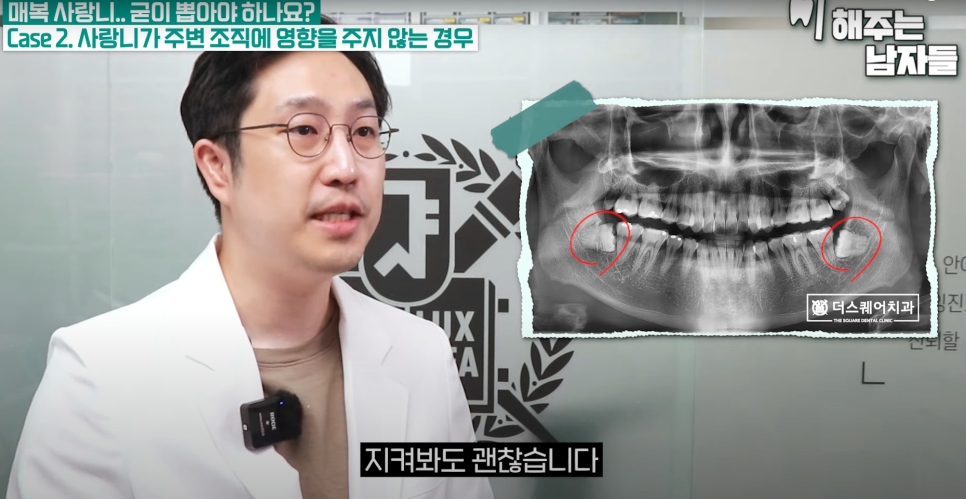
Not all impacted wisdom teeth need to be removed.
If it is deeply buried in the bone
and has no effect on the surrounding teeth or gums,
it does not necessarily need to be extracted.
However, the important point here is that
"leaving it alone" and "neglecting it" are not the same.
In other words, even if there is no problem,
it should be checked for changes through regular X-ray examinations.
This is because hidden wisdom teeth can suddenly develop symptoms,
and if they are found late,
treatment can become more difficult.
Wisdom teeth: What patients ask most often
① Do wisdom teeth always have to be removed?
❌
As mentioned above, it depends on the situation.
Wisdom teeth that are causing problems must be removed,
but wisdom teeth that are quietly dormant can be observed.
② If it doesn’t hurt, is it fine?
❌
In some cases, there are no outward symptoms,
but decay has already progressed near the root.
Thinking "it doesn’t hurt, so it must be fine"
can be dangerous.
An X-ray examination and a specialist’s opinion are essential.
③ Does wisdom tooth extraction really hurt a lot?
Many people are afraid of this part,
but pain control is fully possible these days.
If you take pain medication in advance before the extraction,
wait until the anesthesia has taken full effect,
perform the surgery quickly with minimal incision,
and take pain medication again before the anesthesia wears off,
patients often say it was "better than expected."
If that still feels frightening,
it is also a good idea to look for a clinic
that can perform the procedure under conscious sedation.

The answer to today’s topic is
"It depends on the situation."
Even if there are no symptoms, problems can develop if it is left alone,
and conversely, it can be monitored for a lifetime without any issue.
What matters is not how it looks on the surface,
but an accurate diagnosis confirmed by X-ray.
Most importantly, it is necessary to check regularly
and not miss the right time for extraction.
If you have not yet had a wisdom tooth checkup,
I recommend confirming it through a regular dental examination.
Gwanghwamun The Square Dental Clinic
Chief Director Lim Jong-woo