Hello,
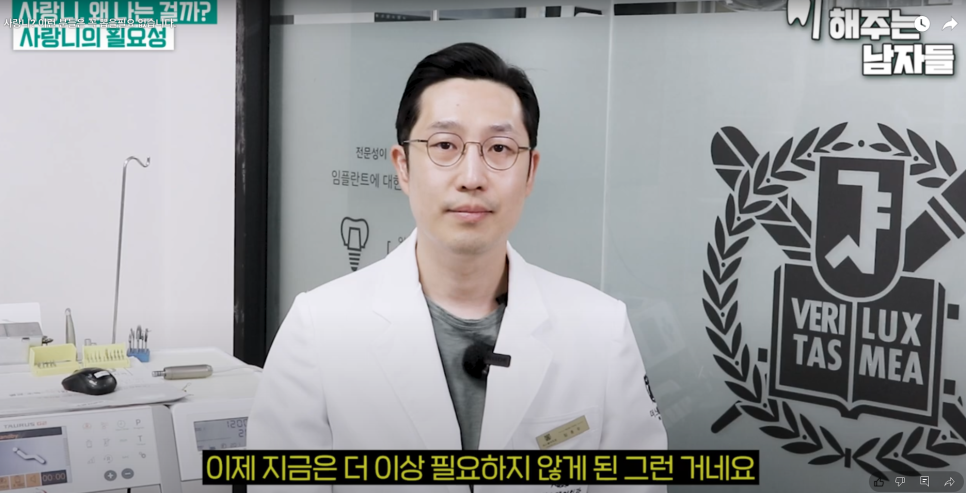
I am Jongwoo Lim,
Director of Gwanghwamun The Square Dental Clinic.
Wisdom teeth are present in everyone,
but they do not cause the same problems
for everyone.
“From why wisdom teeth exist to the standards for managing them,”
I have organized the things
I most want to tell my patients
as a dentist.
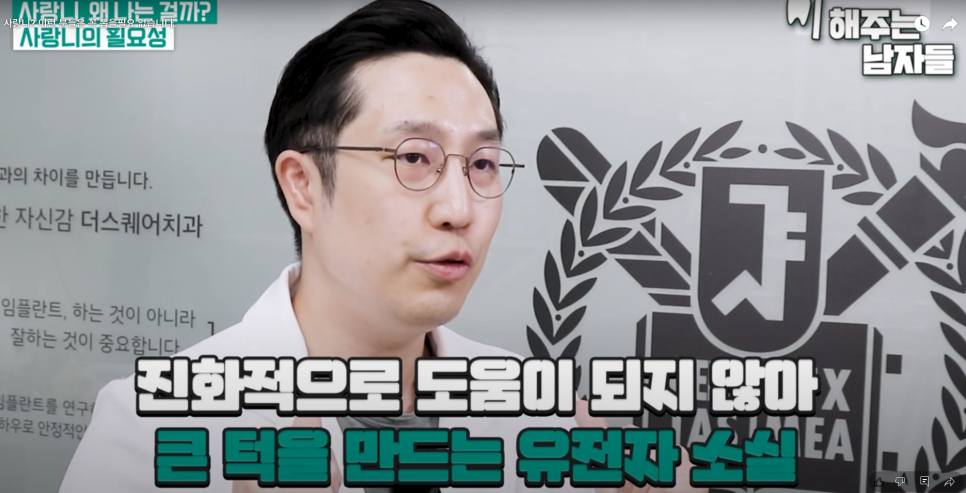
Why Humans Still Have Wisdom Teeth
Wisdom teeth are, in fact, “traces of evolution.”
During the time when humans had larger jaws
and needed to chew tough foods,
wisdom teeth were essential.
However, as humans began using fire
and cooking their food,
their jaws gradually became smaller,
leaving less room for teeth to emerge.
Even so,
the genes responsible for creating wisdom teeth
still remain.
Because they try to grow in jaws with insufficient space,
wisdom teeth may emerge tilted or sideways,
push against adjacent teeth,
or grow within the gums and bone
in an “impacted” form.
This is the beginning of wisdom tooth problems today.
Why Impacted Wisdom Teeth Can Be Quiet but Serious
Because impacted wisdom teeth
cannot be seen from the outside,
patients often do not notice
even when problems develop.
Partially impacted wisdom teeth in particular
create an environment where bacteria can multiply easily
as food becomes trapped in the gaps between the gums.
As a result, the gums become swollen and bleed,
and bad breath may begin.
Once a wisdom tooth starts to swell,
the intervals between episodes become shorter,
and the pain becomes more intense.
Eventually, decay or inflammation may spread to the surrounding molars,
leading to the unfortunate situation of
“having an adjacent molar extracted because of a single wisdom tooth.”
Wisdom Teeth That Must Be Extracted
vs. Wisdom Teeth That Can Be Monitored
It is not always better to extract wisdom teeth,
nor is it always safer to leave them in place.
Cases in Which Extraction Is Necessary
● When a wisdom tooth pushes against an adjacent tooth
or causes decay
● When inflammation, swelling, or pain recurs
● When a cyst or infection develops around the wisdom tooth
● When it interferes with orthodontic or implant treatment
In these cases,
the longer the condition is left untreated,
the greater the risk of bone damage and nerve compression.
Cases That Can Be Monitored
● A completely impacted tooth buried deep in the bone
with no inflammation in the surrounding area
● A tooth that has emerged above the gums
but can be kept clean effectively
Even in these cases,
regular X-ray examinations are essential.
Unexpected Problems Caused by Wisdom Teeth
Wisdom teeth are not simply
a “problem involving pain.”
If left untreated,
they can affect entirely different areas as well.
● Relapse after orthodontic treatment due to disrupted tooth alignment
● Swelling along the jawline caused by the spread of inflammation within the jawbone
● Bone damage caused by a dental cyst
● A cause of bad breath or infection in the mouth
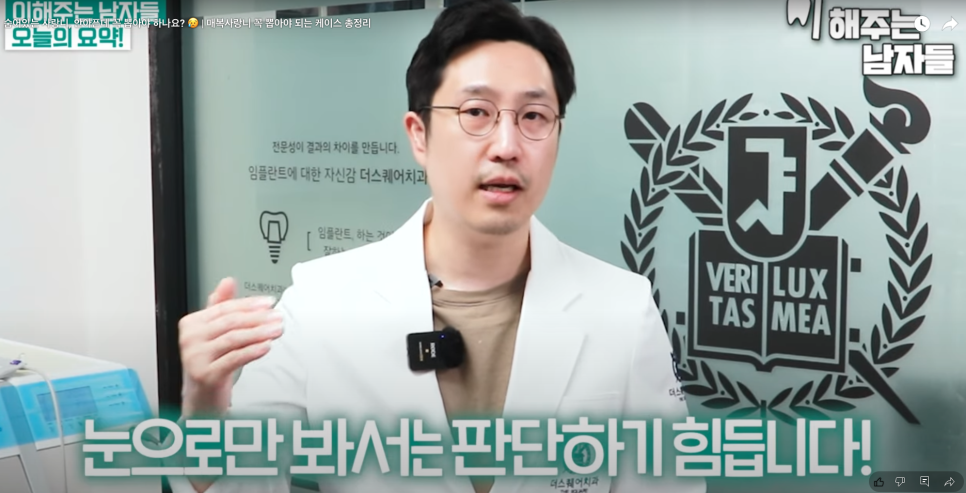
How to Manage a Wisdom Tooth Extraction
Wisdom tooth extraction
may sound like a simple procedure,
but care to reduce pain and swelling
after the procedure is important.
- Take a pain reliever in advance before the extraction
Blocking the pain pathway before surgery
can significantly reduce pain after surgery.
- Minimize the incision and shorten the procedure time
Treatment by an experienced practitioner
can greatly reduce swelling and recovery time.
-
Take another pain reliever before the anesthesia wears off
-
Avoid smoking and alcohol
When blood flow is disrupted,
inflammation may not heal properly,
and severe pain such as “dry socket” may occur.
- Take prescribed medication accurately and on time
If you follow these basic principles,
most patients return to their daily activities
within 3–5 days.
Everyone has wisdom teeth,
but the results are different for each person.
Ultimately, what matters is
“knowing the condition of your own wisdom teeth.”
Accurate diagnosis and consistent care
are the surest ways to prevent
unnecessary pain and regret related to wisdom teeth.
I hope today’s post
has helped answer the questions
of those who have been curious about wisdom teeth.
Sincerely,
Jongwoo Lim,
Director of Gwanghwamun The Square Dental Clinic