Hello.
We are The Square Dental Clinic,
committed to reliable treatment based on
specialized knowledge grounded in the latest findings,
multidimensional diagnoses based on scientific evidence,
and adherence to established principles.

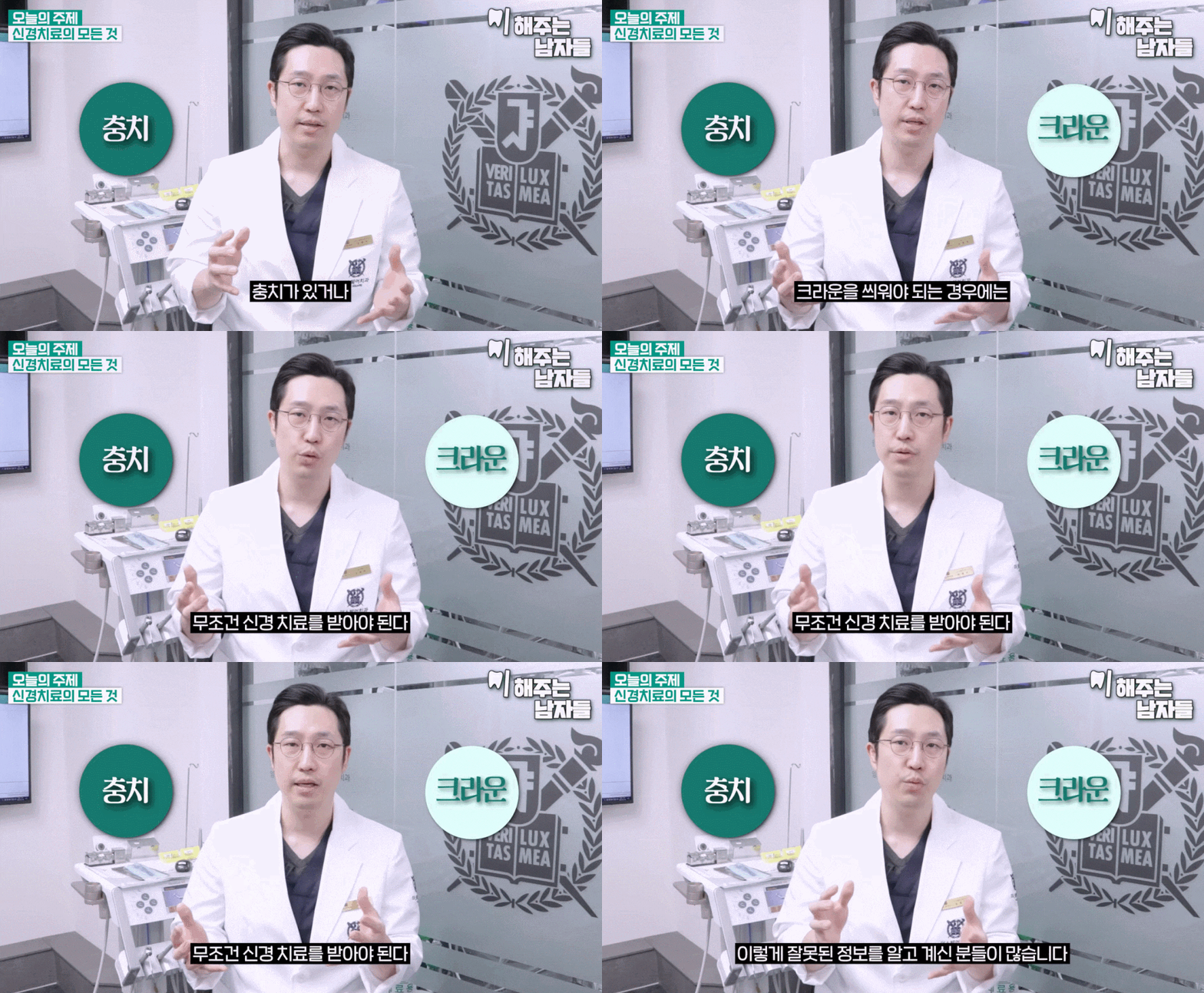
I was told that if I have a cavity,
I need root canal treatment...
How long does
root canal treatment take?
This is one of the questions we hear most often from patients.
Some people are afraid of root canal treatment itself,
while others find it burdensome to visit the dentist multiple times, so this is an entirely natural question.
To give you the conclusion first,
root canal treatment generally takes at least 3–4 visits at intervals of approximately 4–7 days.
Depending on the state of the inflammation, treatment may be completed more quickly or may take longer.
However, there is an important fact that many people overlook...
Having a cavity or needing a crown does not necessarily mean
that root canal treatment is required.
In other words, you may not need to undergo root canal treatment at all.
That is why, in today’s post,
- The concept of root canal treatment
- Whether root canal treatment is necessary
- How to choose a dental clinic to avoid overtreatment
we will examine these three topics in detail. :)
What is the concept of “root canal treatment”?
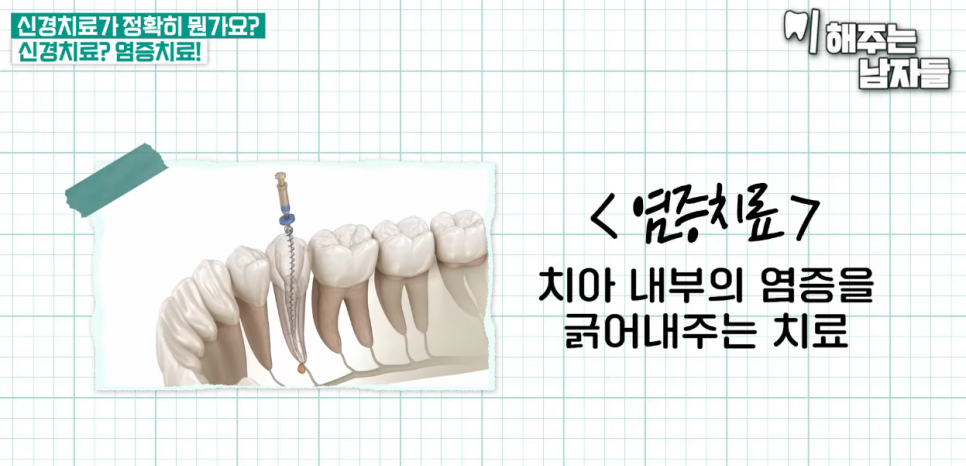
Root canal treatment is a process of removing and disinfecting inflammation inside a tooth.
Let me explain in a little more detail.
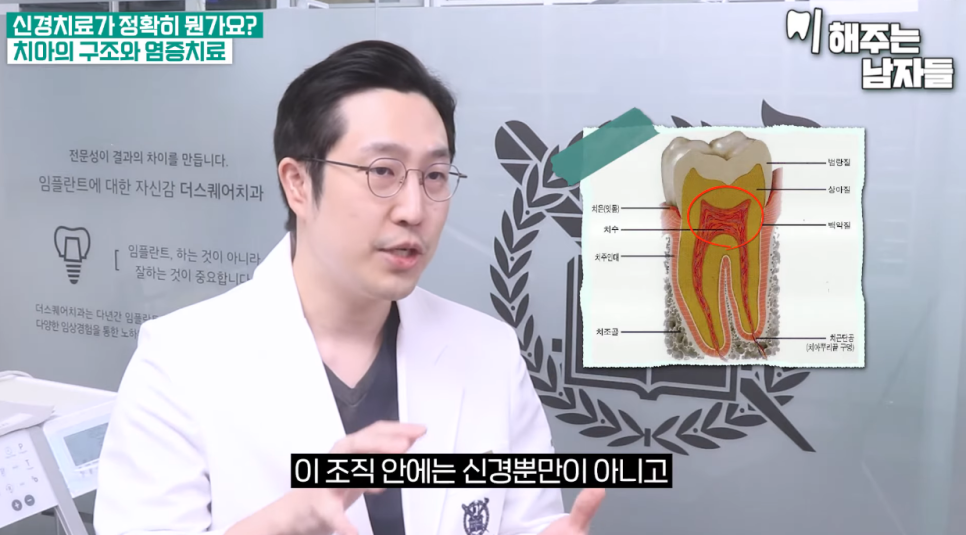
Although teeth are the hardest tissue in the human body,
the inside of this hard outer shell contains nerves and blood vessels and is very delicate.
When this internal tissue is damaged by cavity-causing bacteria or external trauma,
and the damage progresses to an irreversible stage,
inflammation builds up inside the tooth and can even destroy the jawbone around the tooth.
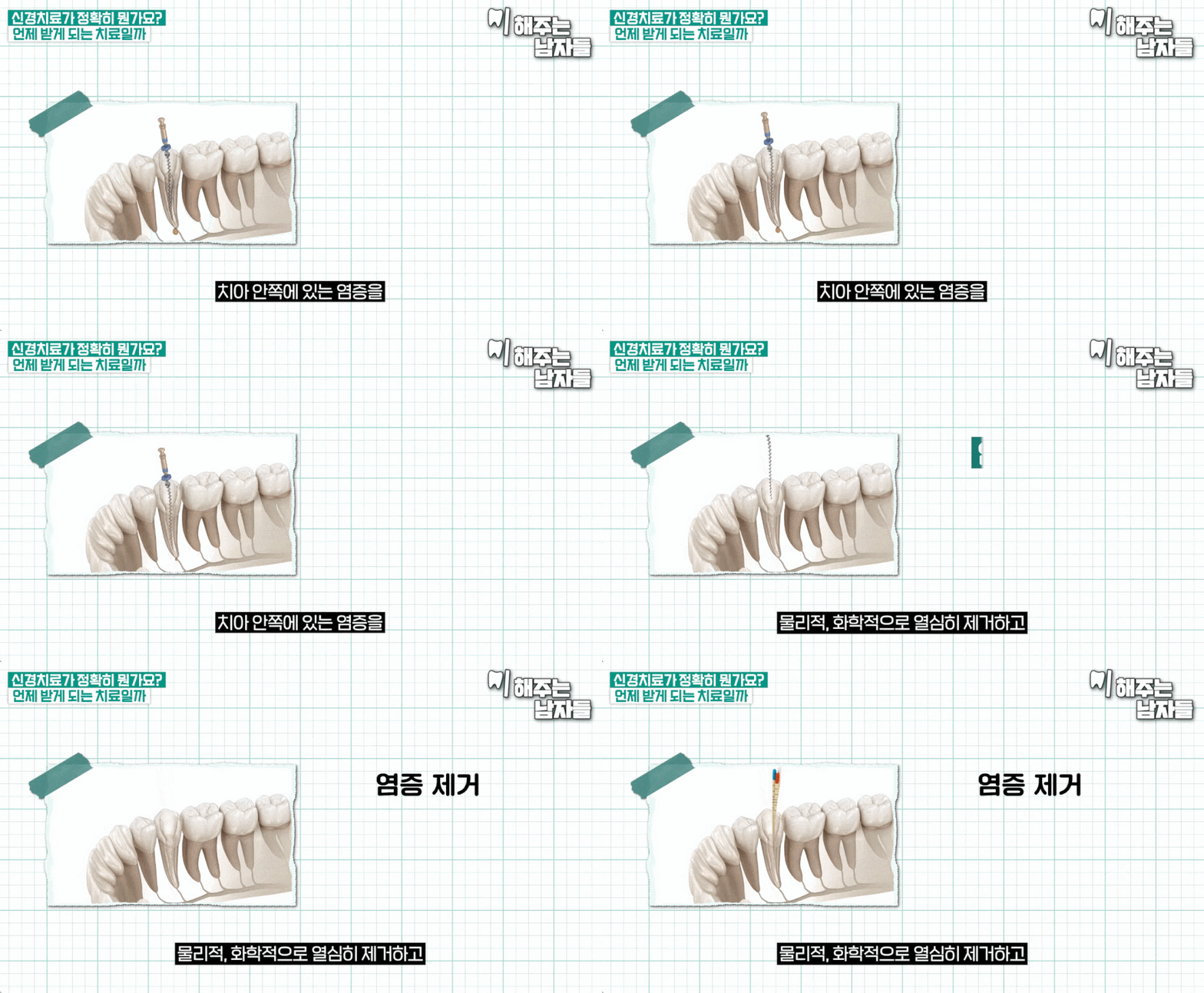
To save the tooth,
the inflammation inside the tooth is removed physically and chemically and the area is disinfected,
after which it is sealed with an artificial material to prevent reinfection.
This series of procedures is called “root canal treatment.”

Root canal treatment is not always “necessary.”
As described above, many people mistakenly believe that
root canal treatment is mandatory whenever they have a cavity or receive a crown.
Let’s look at the need for root canal treatment at each stage.
| Stage 1 Cavity |

This is an early cavity in which white or brown spots have just begun to appear on the outer layer of the tooth.
Immediate treatment is not necessarily required unless the area feels soft or sticky when probed with a pointed instrument.
This is because fluoride application and proper brushing can help stop the cavity from progressing.
| Stage 2 Cavity |
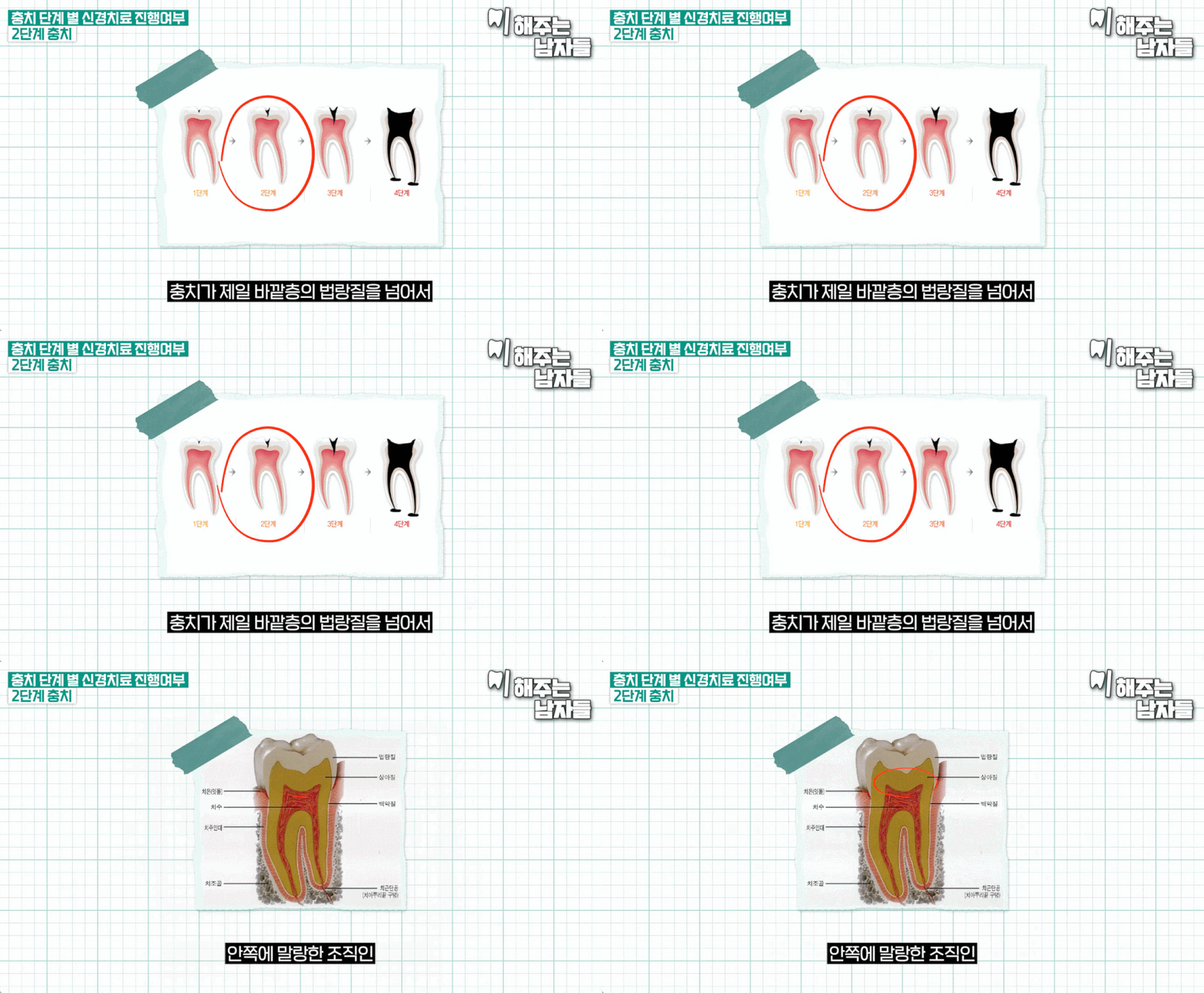
The cavity has reached the dentin but has not yet reached the nerve.
If the nerve is not exposed when the cavity is removed,
treatment can be completed by placing a protective material and then filling or covering the tooth.
If the nerve is exposed, root canal treatment is required.
However, if the inflammation is not severe, or if the nerve is only slightly exposed and the patient is young enough that root canal treatment would be an unnecessarily aggressive choice,
pulp capping may be considered as a way to preserve the nerve.

On the other hand, with a Stage 3 or more advanced cavity, bacteria have penetrated into the nerve and caused inflammation,
so root canal treatment is required.
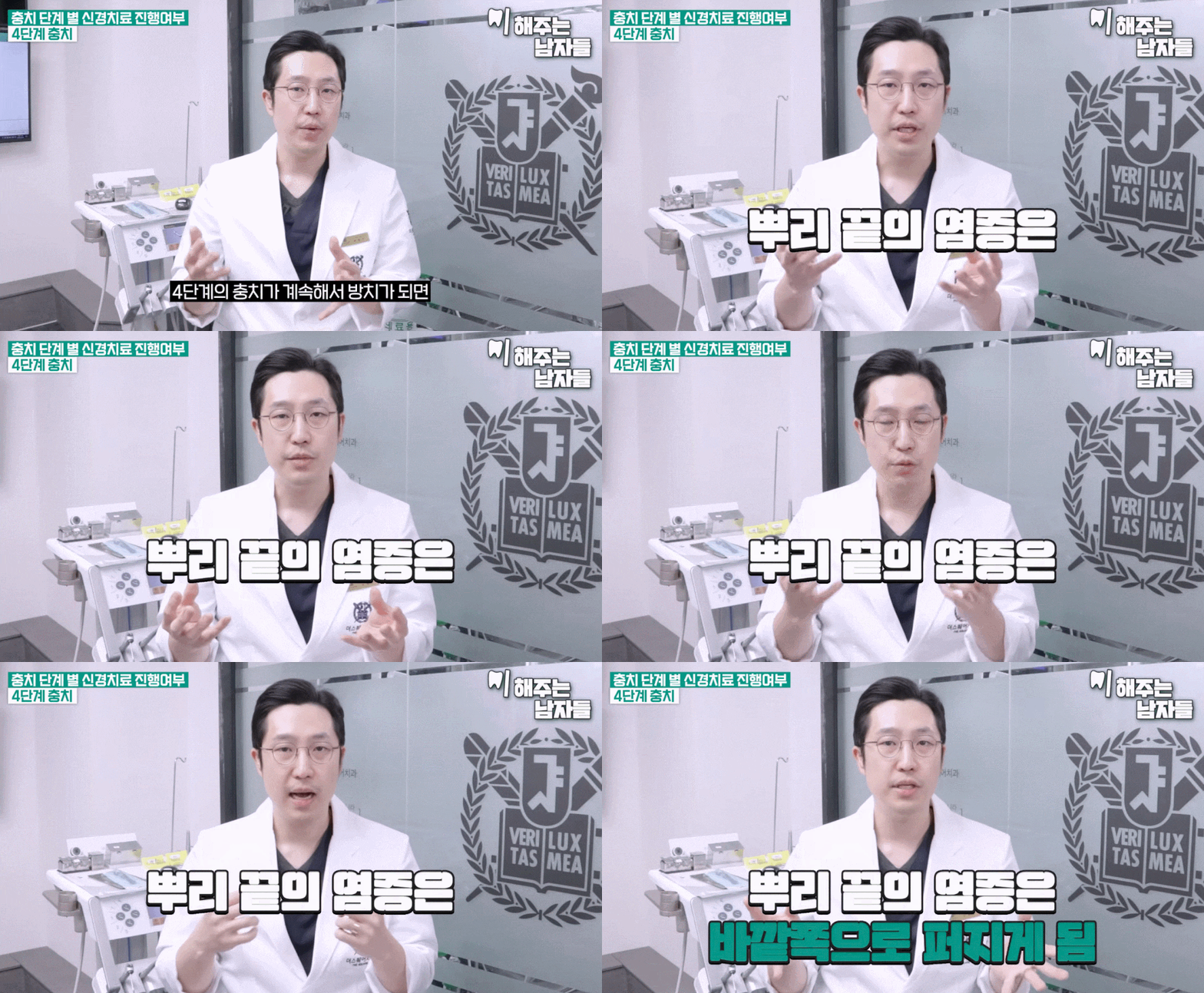
If the condition has progressed to Stage 4, in which the nerve has decayed, pus has formed, and an abscess is visible on an X-ray,
the jawbone may be destroyed to the point that extraction is necessary.
Root canal treatment should be started as soon as possible.
-
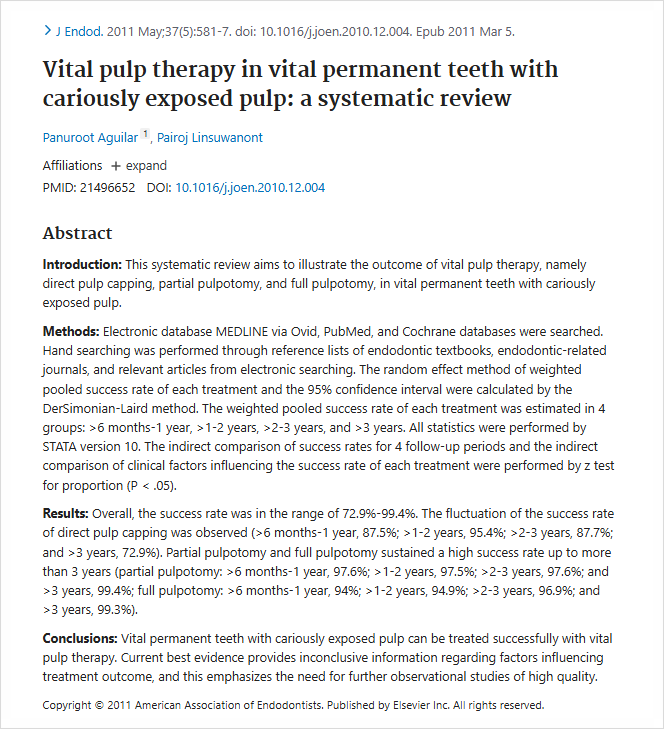
Key point: According to research published in JOE, the world’s leading academic journal in the field of root canal treatment,
even when a deep cavity has partially exposed the nerve,
the nerve can recover in more than 90% of cases
and the life of the tooth can be extended
if appropriate nerve-protection treatment is performed first.
-
Source: J Endod. 2011 May;37(5):581-7. doi: 10.1016/j.joen.2010.12.004. Epub 2011 Mar 5.
Furthermore, root canal treatment is not always required when placing a crown either.
If root canal treatment has been performed, a crown is necessary in most cases,
but placing a crown does not mean that root canal treatment is mandatory.
To preserve the life of the tooth, the best approach is to soothe and protect the internal tissues of the tooth
and place only a crown whenever possible, without root canal treatment.
How can you choose a dental clinic and avoid overtreatment?

As emphasized throughout this post,
root canal treatment should be the last resort for saving your tooth.
Because the treatment itself is a highly complex process that is difficult for both the dentist and the patient,
you should also be careful when choosing a dental clinic.

When choosing a clinic, rather than selecting one that simply tells you, “You need root canal treatment,”
| ✔️ What precise stage is the patient’s tooth condition currently at? |
|---|
| ✔️ Why is this treatment necessary, and what problems could arise if it is not performed? |
| ✔️ Are there any other alternatives for preserving the nerve? |
| ✔️ What side effects could occur from this treatment? |
| ✔️ What will the future course of treatment be? |
If you find a dental clinic that clearly explains this process in a way the patient can understand,
you may be able to avoid unnecessary overtreatment.
I wrote this post for those who have been concerned about the duration of root canal treatment.
The duration of root canal treatment is important,
but more importantly,
<the process of first considering
whether this treatment
is truly necessary for you>
should come first.

In particular, if you choose a dental clinic with specialists in various fields, including comprehensive dentistry, prosthodontics, and orthodontics,
it can provide a diagnosis and treatment method suited to the patient from multiple perspectives.
For information about treatment and appointments at The Square Dental Clinic, please refer to the link below. ^^
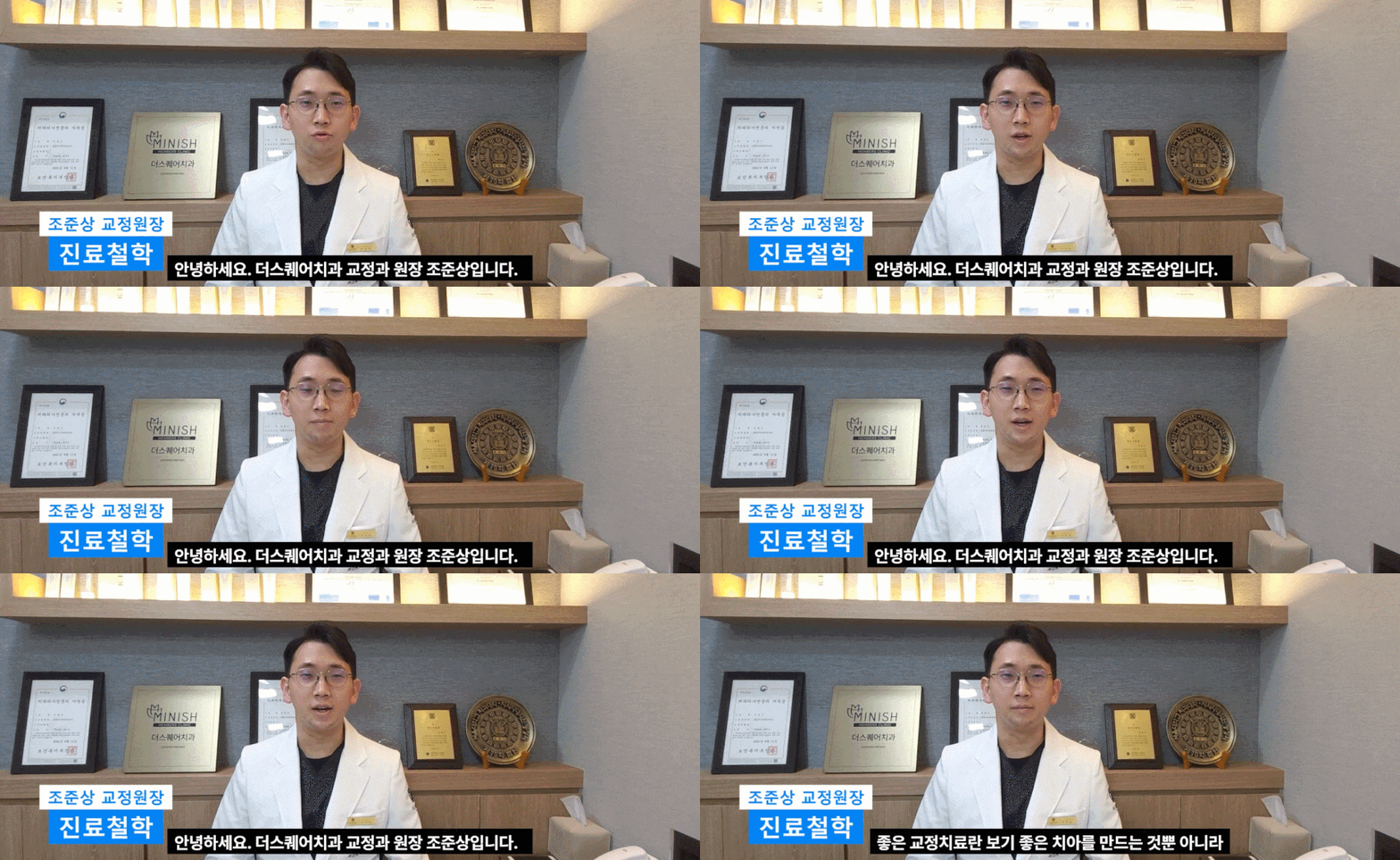
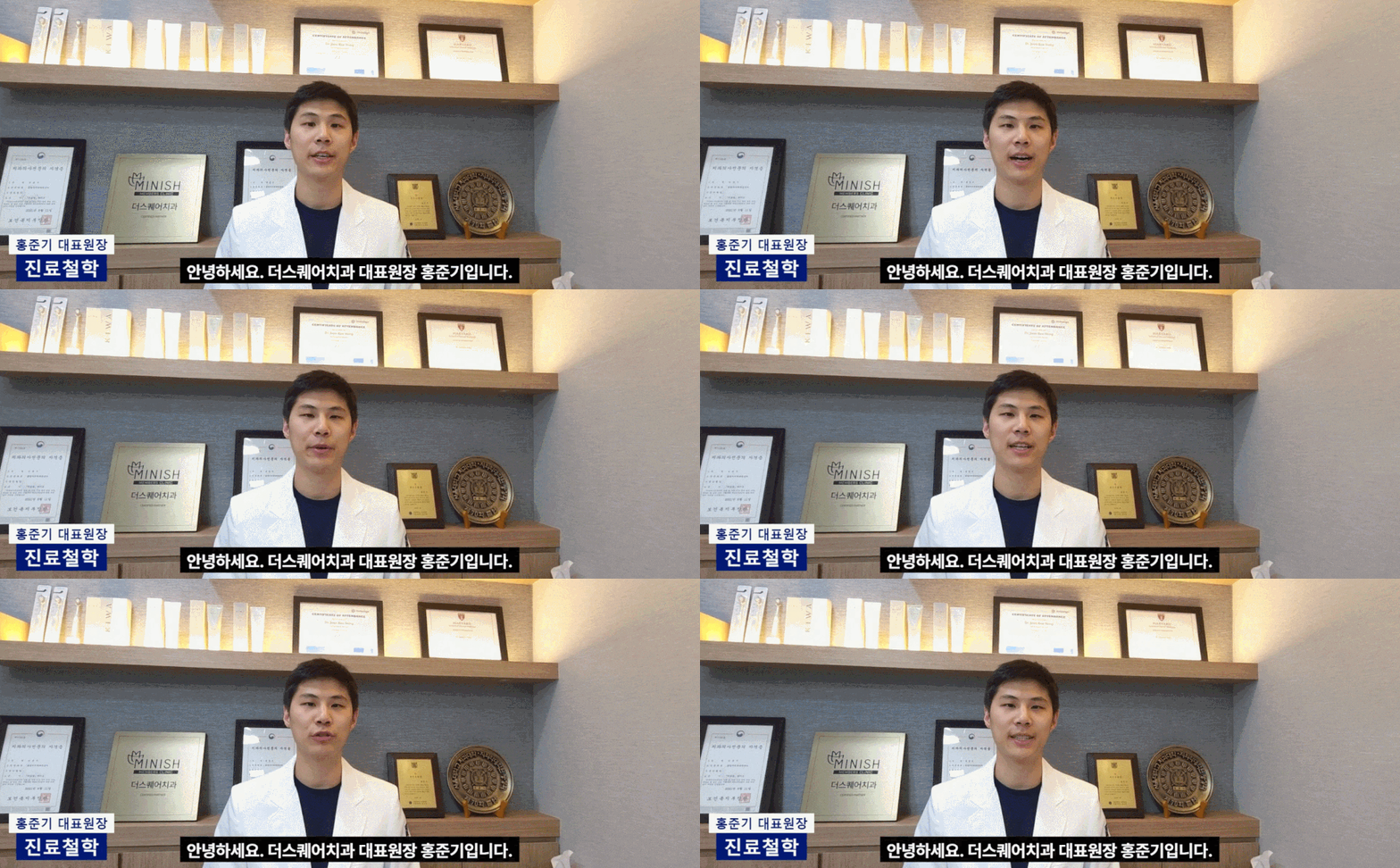
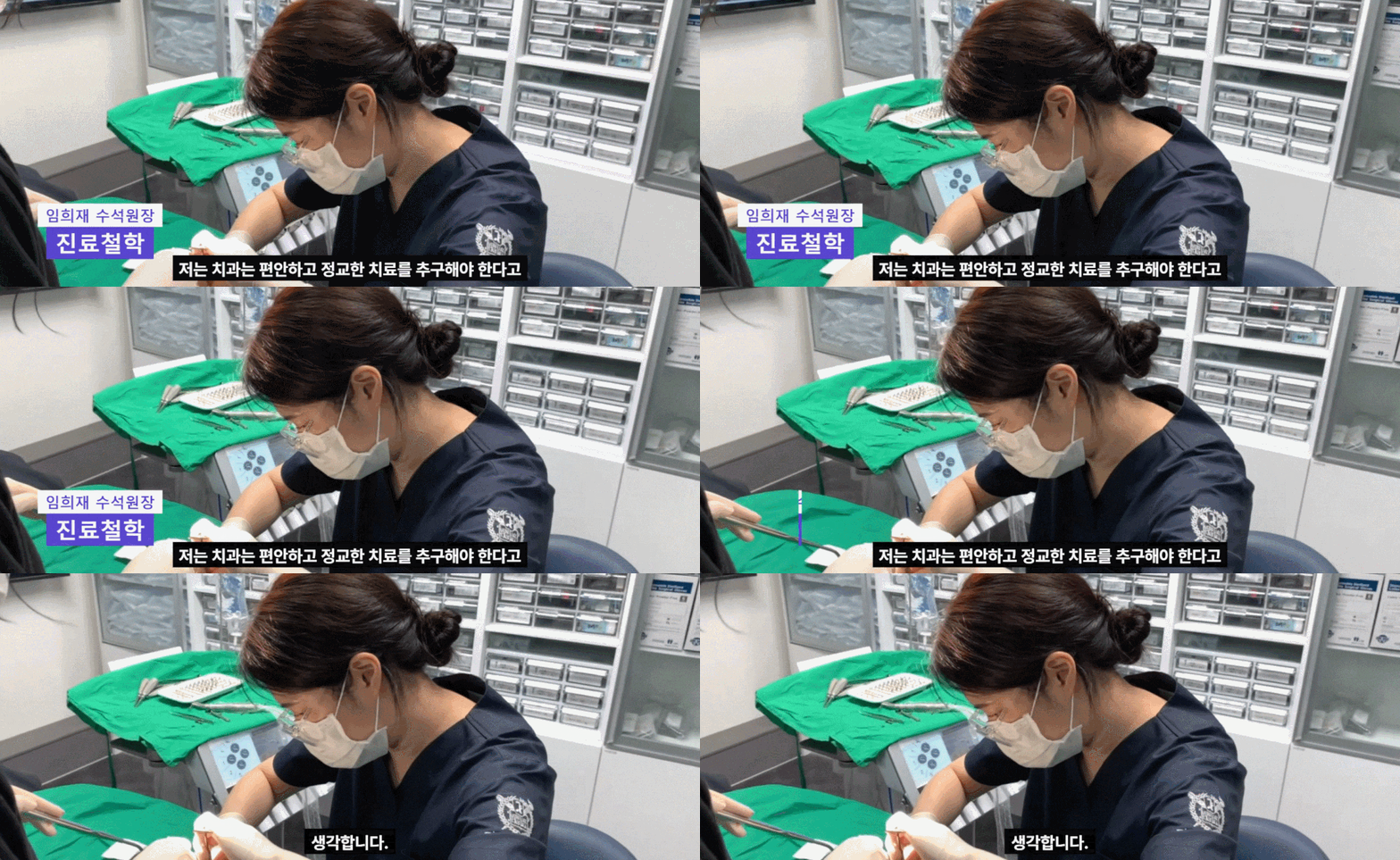
All of our medical staff, who are graduates of Seoul National University, are committed to providing high-quality care that harmonizes aesthetics and function,
based on tooth-preserving and restorative treatment.
This was The Square Dental Clinic.
[Want to see actual patient reviews?]
[Would you like to ask a one-on-one question?]
[Directions]
| This post was written by The Square Dental Clinic in compliance with Article 56, Paragraph 1 of the Medical Service Act to provide medical information. The content is based on general medical information, and diagnosis and treatment methods may vary depending on an individual’s oral condition; therefore, an in-person consultation is recommended. |
Root canal treatment duration
Root canal treatment duration