Hello.
This is The Square Dental Clinic,
which strives to provide conservative and restorative treatment.
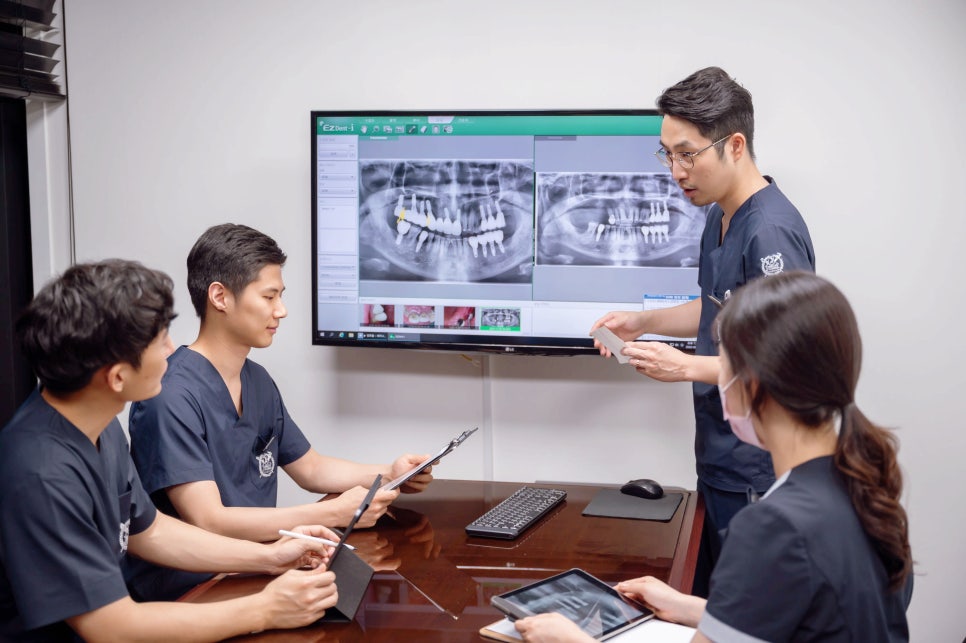
As we age, our gums gradually recede, exposing the roots of our teeth.
Not only can this cause sensitivity whenever we brush our teeth, but it can also be distressing because it affects our appearance.
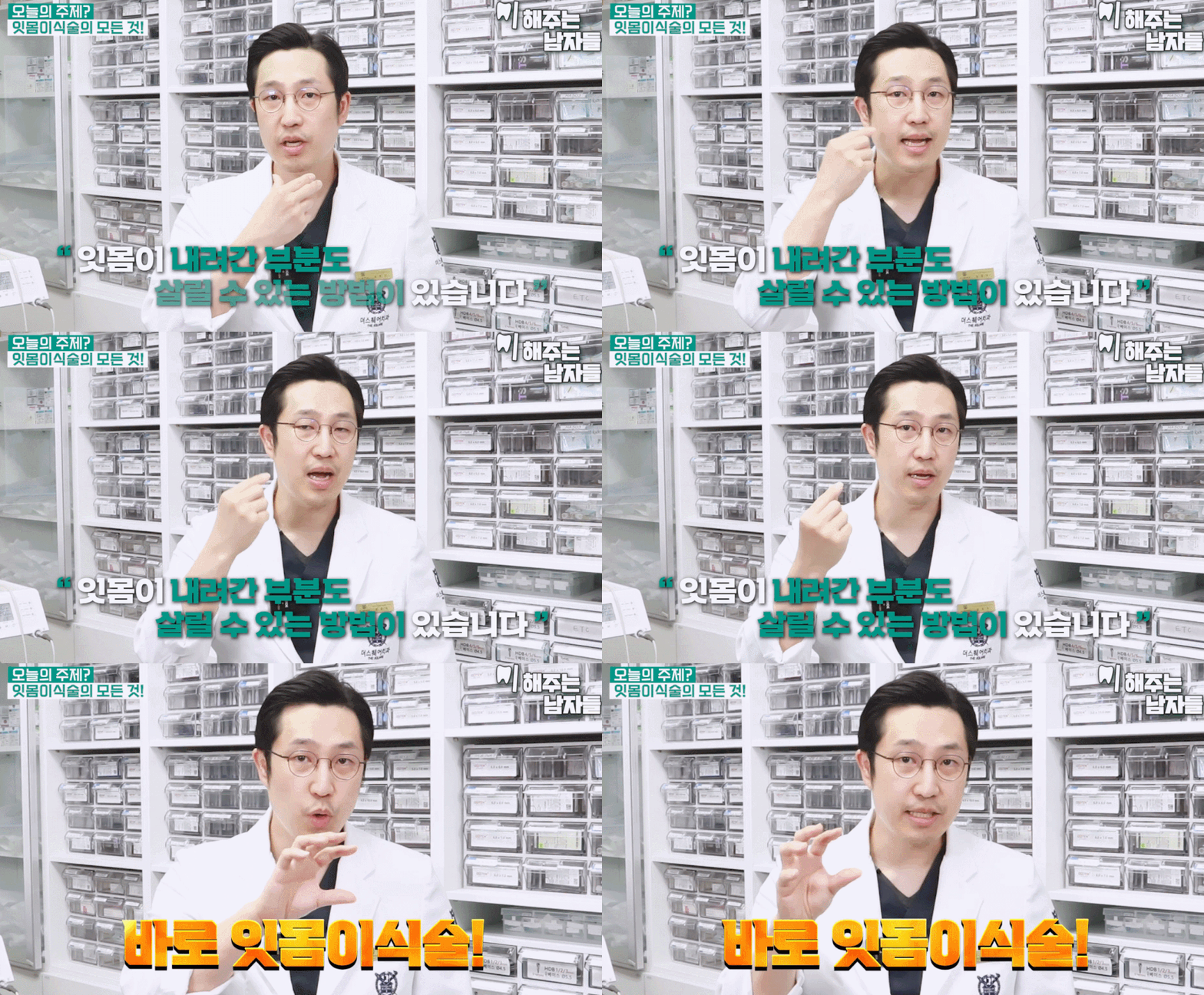
Unfortunately, once the gums have receded, they do not naturally grow back on their own.
However, there is some good news for those experiencing this problem.
There is a way to physically restore lost gum tissue through a procedure called “gum graft surgery.”
In this column, I would like to calmly discuss the following three topics:
-
The principles of gum graft surgery
-
Conditions for successful gum graft surgery
-
How to choose a dental clinic for gum graft surgery
I will discuss these three topics in turn. :)


What Is “Gum Graft Surgery”
for Restoring Receded Gums?
Gum graft surgery is a completely different procedure from bone grafting, which regenerates bone.
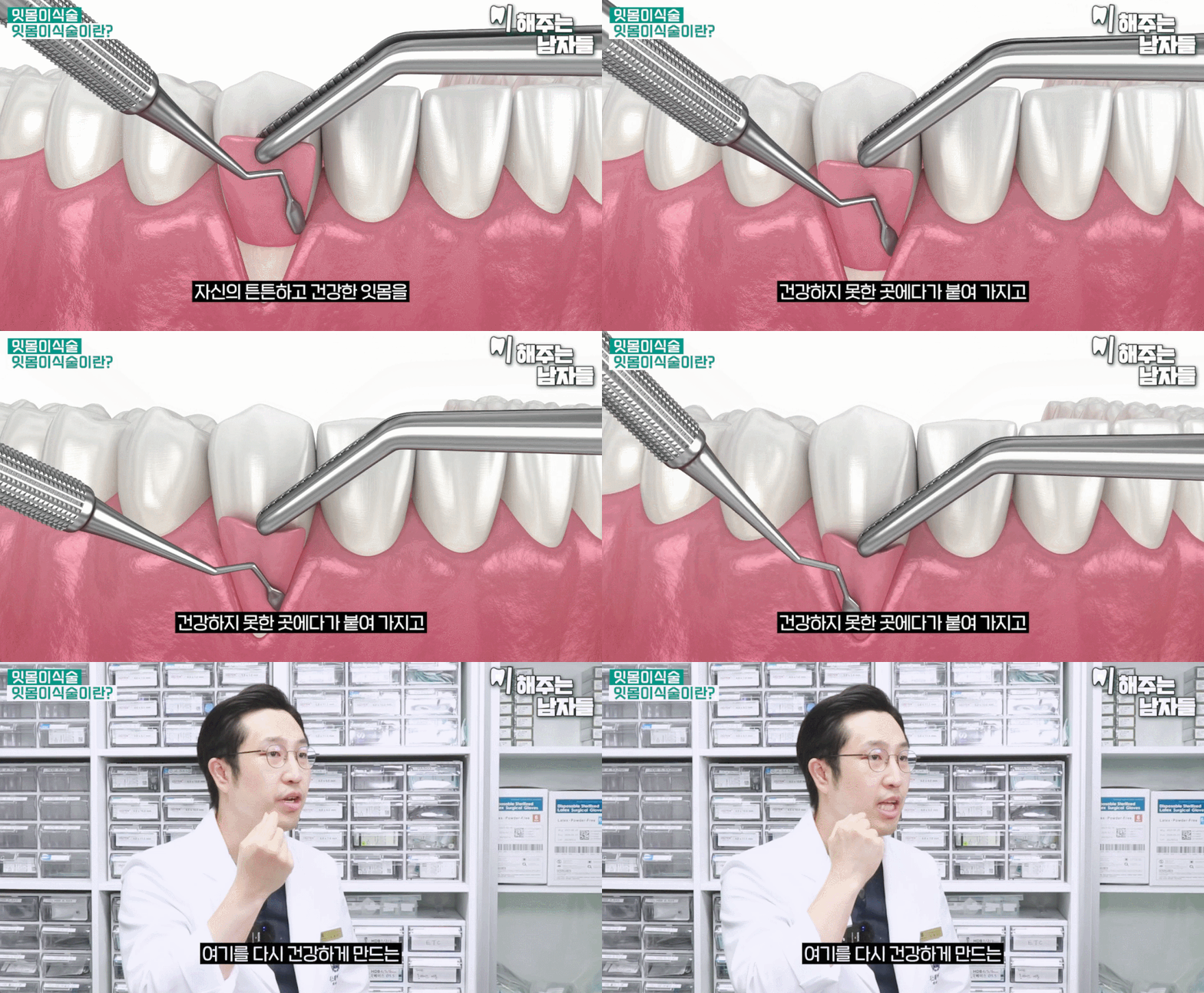
When the firm gum tissue surrounding the jawbone, known as “keratinized gingiva,” has become insufficient,
healthy gum tissue is harvested from another area and attached to the unhealthy area.
Gum grafting is broadly classified into the following two methods.
| 🦷 Free Gingival Graft (FGG) |
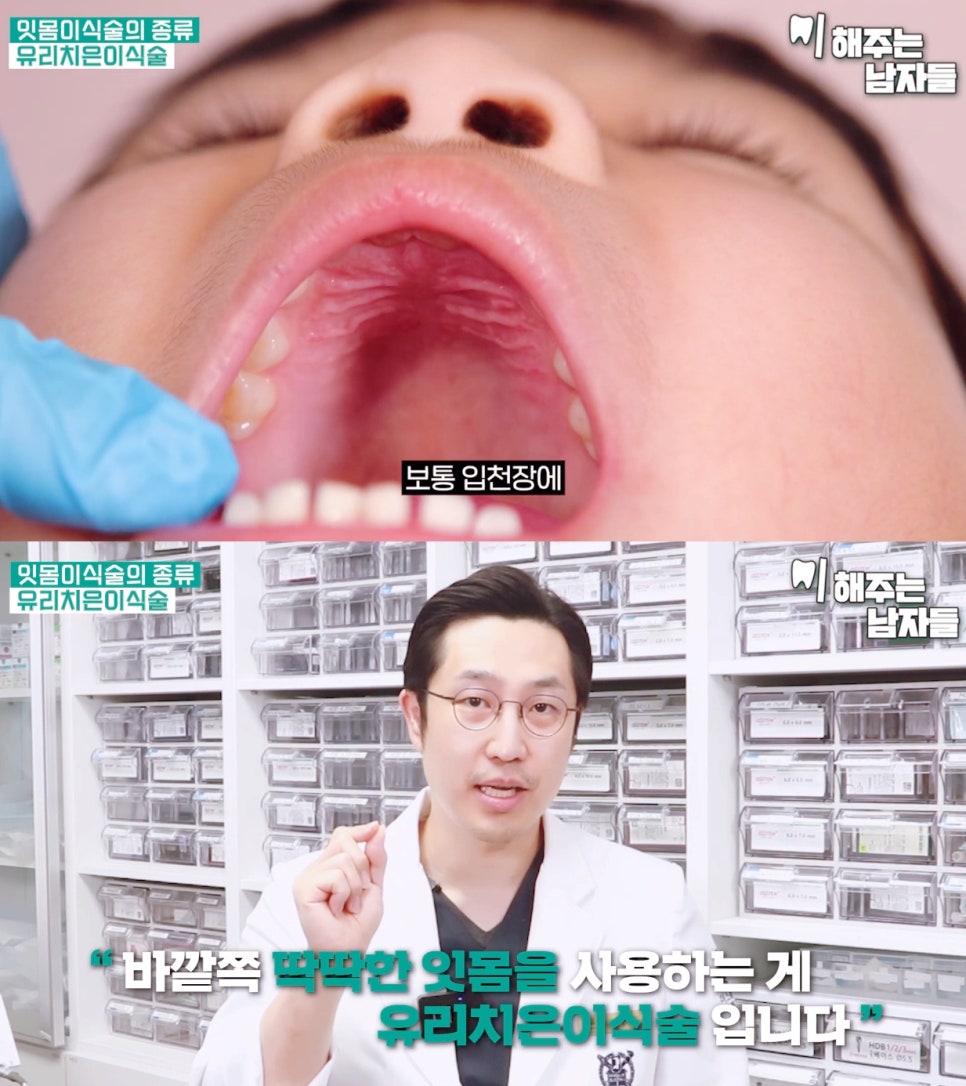
This method involves removing and grafting the outer layer of gum tissue from the palate.
It is highly effective for replacing soft, weak gum tissue with tougher gum tissue.
It can also be used when the jawbone supporting the gums has receded to some extent.
However, after grafting, some people may feel that the result is somewhat less aesthetically pleasing in terms of color and texture compared with the surrounding gum tissue.
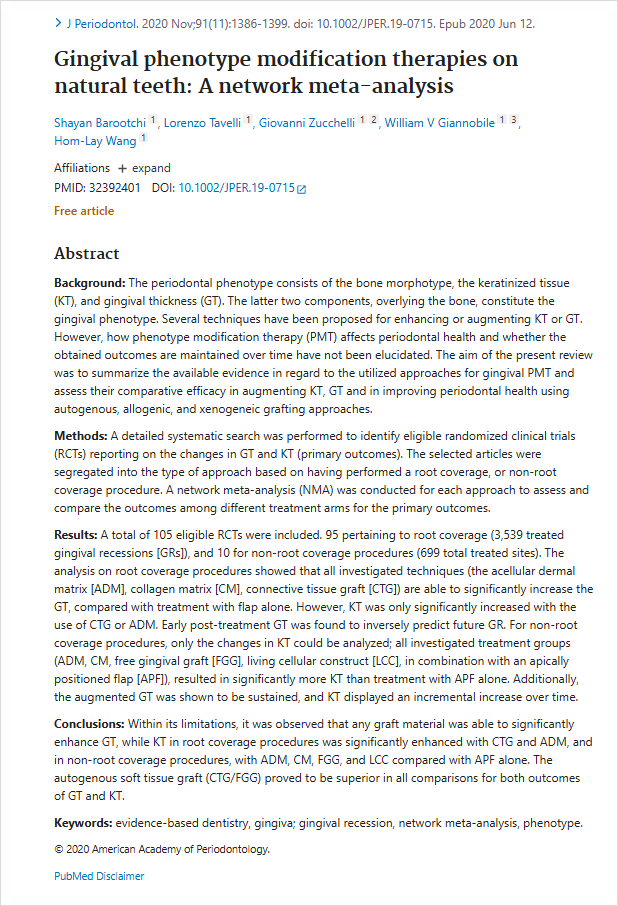
- Key point: According to a study published in a leading international periodontal journal,
surgical gum-grafting procedures,
including free gingival grafts and subepithelial connective tissue grafts,
have been shown to be highly effective
in strengthening thinned gum tissue
for restoring receded gums.
- Source: J Periodontol. 2020 Nov;91(11):1386-1399. doi: 10.1002/JPER.19-0715. Epub 2020 Jun 12.
| 🦷 Subepithelial Connective Tissue Graft (CTG) |
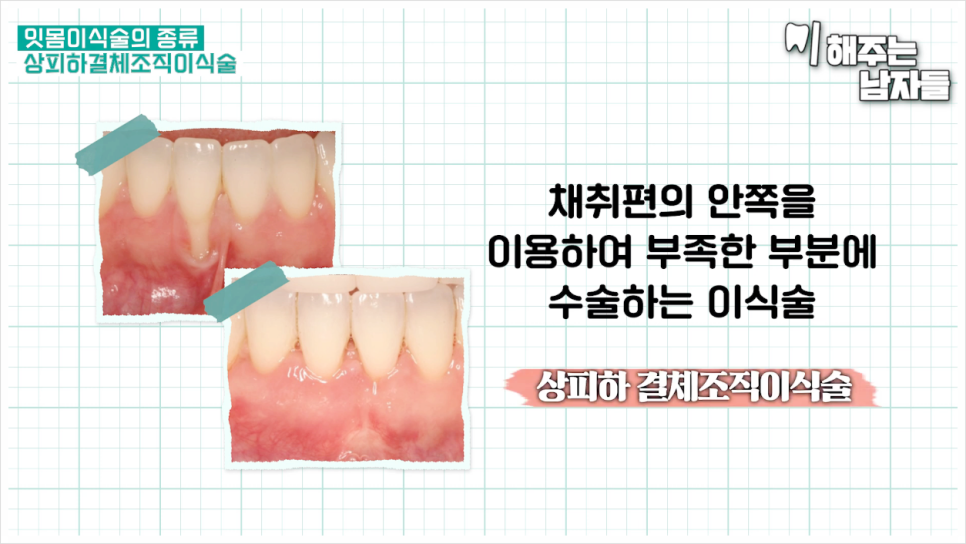
This method involves harvesting and grafting only the connective tissue beneath the surface of the gum tissue on the palate.
Compared with a free gingival graft, it provides better color harmony with the surrounding tissue,
is highly favorable aesthetically, and is particularly suited to covering exposed tooth roots.
However, it is generally performed when the surrounding jawbone supporting the gums has been preserved to some extent.
What Are the Conditions for Successful Gum Grafting?
One point you should keep in mind is that
gum grafting cannot be a universal treatment,
and its success rate can vary significantly depending on the patient’s gum condition.
For example,
-
if periodontitis has progressed severely throughout the mouth,
-
the surrounding jawbone and tissues have generally deteriorated, and
-
the roots are completely exposed,
there may not be enough tissue for the grafted gum to attach to and remain stable, so the likelihood of success is not high.
By contrast, if the surrounding bone and gums are healthy but only a specific area has receded locally, the success rate can be very high.
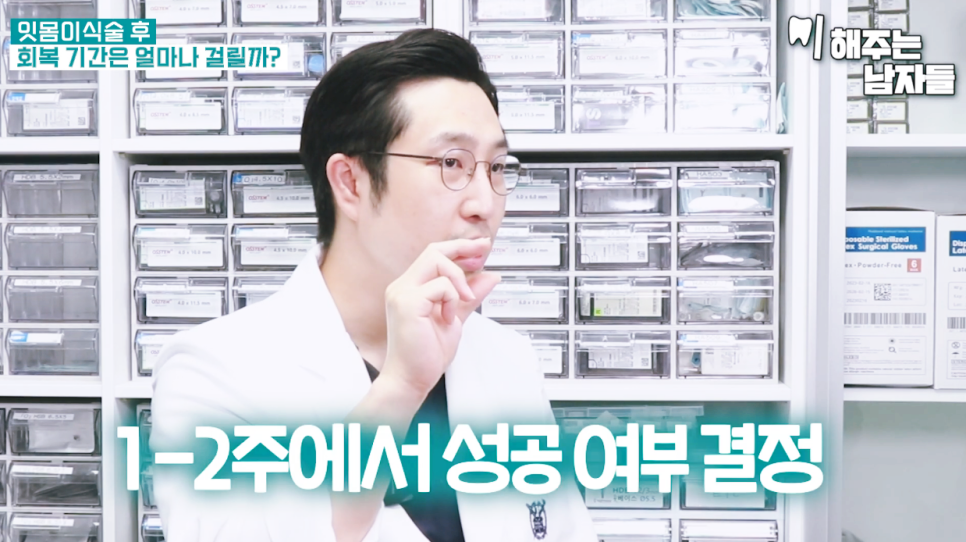
The first one to two weeks after gum grafting can be considered the most important golden period, as this is when it is determined whether the grafted tissue will successfully integrate.
Therefore, during this period, brush gently to prevent plaque buildup,
and do not pull on or irritate the gums by lifting them to inspect the area.
After approximately four to six weeks, minor discomfort disappears,
and the area on the palate where the gum tissue was harvested also fills in with new tissue.
In addition, because the patient’s own gum tissue is harvested and grafted,
special adverse effects such as rejection or severe immune reactions are not generally expected.

Why Don’t Many Dental Clinics
Offer This Treatment?
As described above, gum grafting carries very little burden in terms of adverse effects,
and, when successful, it is a highly useful procedure that can restore the gums.
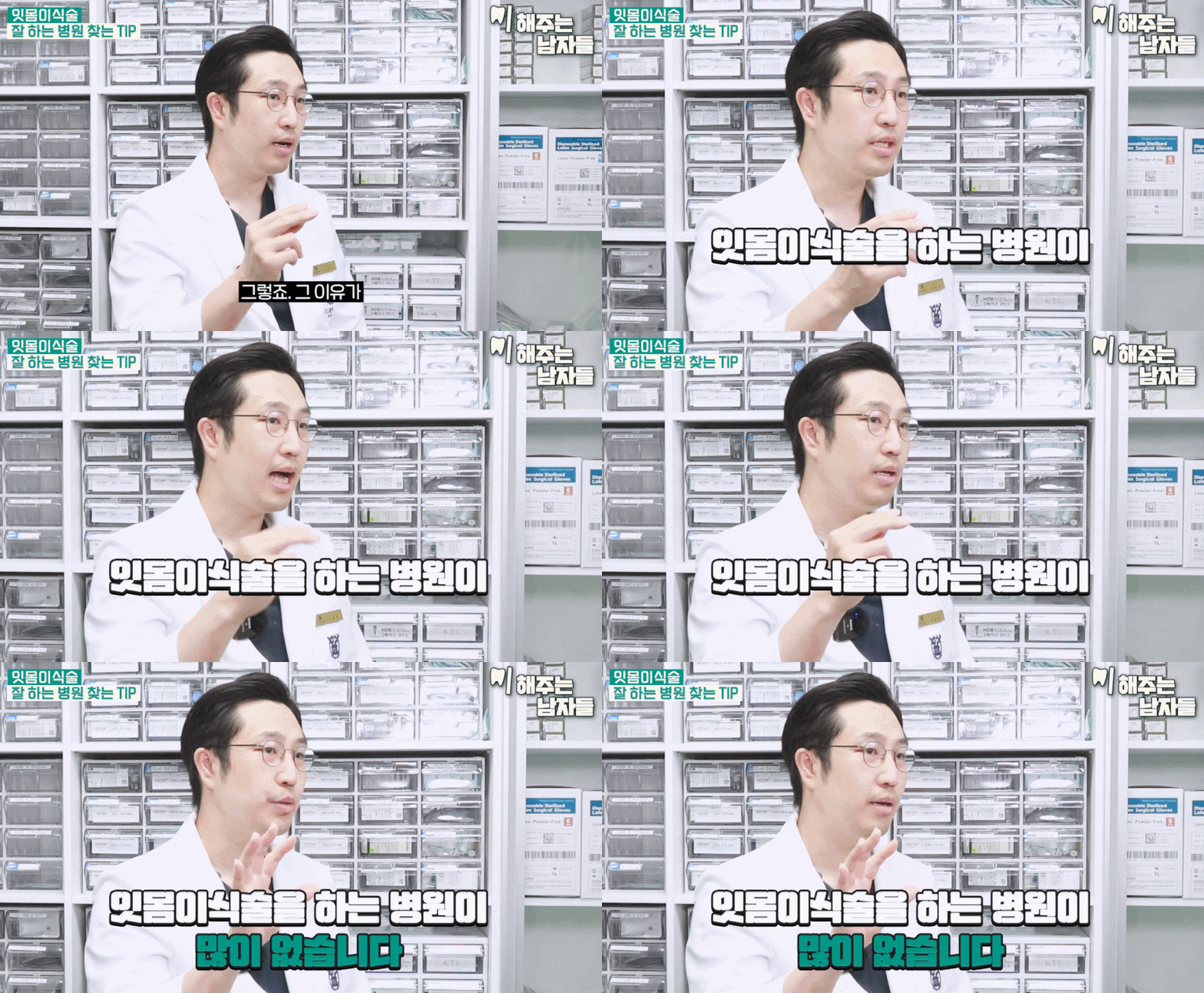
However, it is true that not many clinics actually perform this treatment.
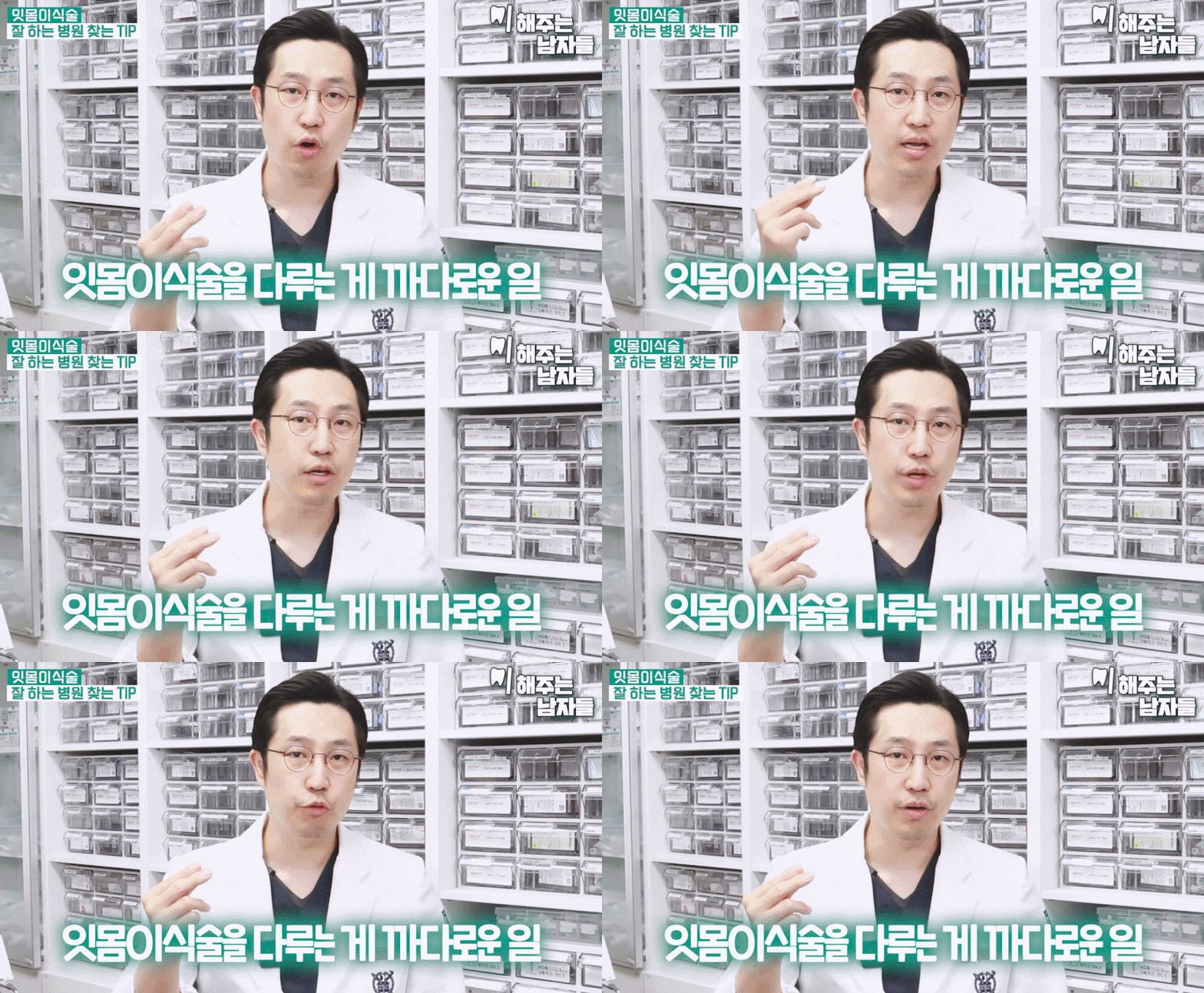
Even though gum tissue generally integrates well, it is quite difficult to handle.
The procedure must be performed precisely according to established principles, with extreme delicacy,
and even a single error can lead to failure.
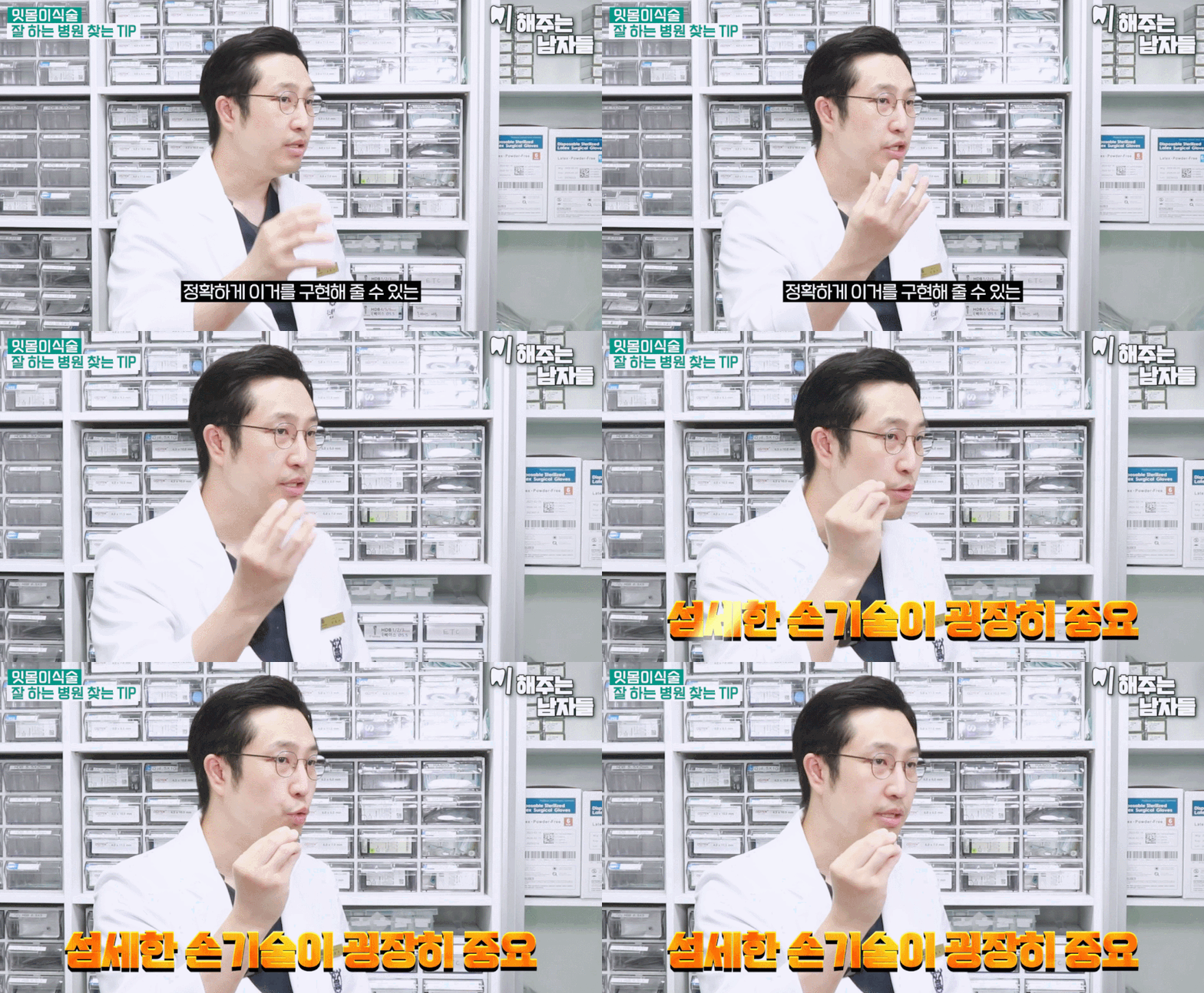
Therefore, in addition to extensive anatomical knowledge of this procedure,
it is especially important to have delicate technical skills and the ability to select appropriate cases.
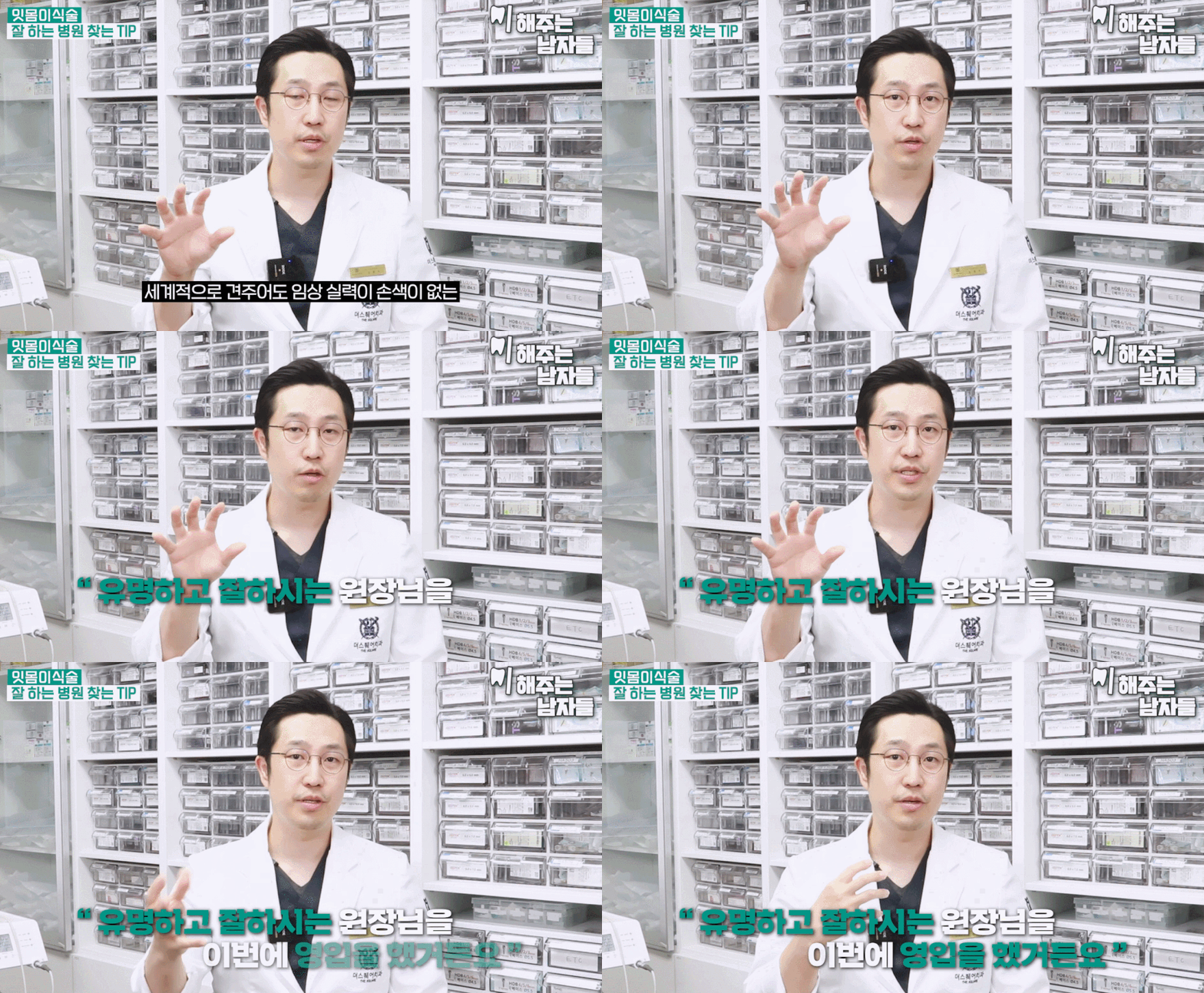
So, if you are interested in this treatment,
| ✔️ Whether the dental clinic you plan to visit performs gum graft surgery |
|---|
| ✔️ Whether this treatment is also suitable for you |
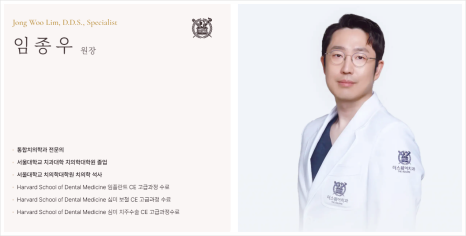
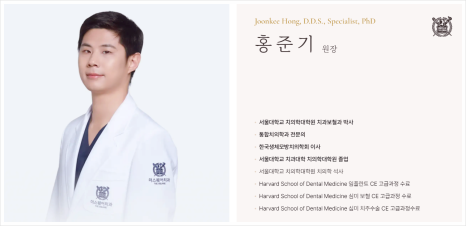
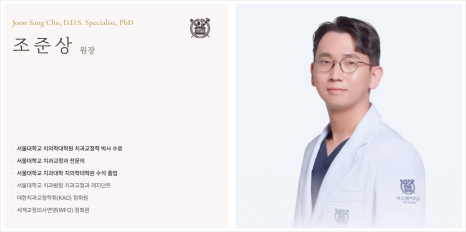
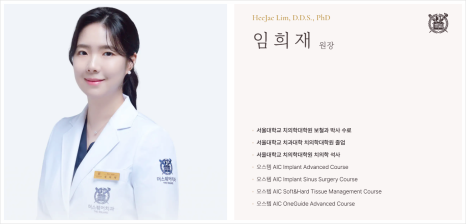
| ✔️ Whether experienced clinicians, such as specialists in comprehensive dentistry and orthodontics who accurately understand the integration mechanisms of microscopic soft tissue, are available at the clinic |
I recommend carefully checking these points.
[Recommended Related Reading]
I wrote this post for those who may have been troubled by receded gums.
Here is a summary of the key points.
| 1️⃣ Since receded gums do not recover naturally, you may consider grafting your own healthy gum tissue. |
|---|
| 2️⃣ Gum grafting is not a universal solution, and the success rate is lower if the overall condition of the gums and teeth is poor. |
| 3️⃣ Because this is a fairly demanding procedure, you should first check whether the dental clinic performs this treatment and whether a dentist with the necessary technical skills is available. |
If you have any other questions for us, you are welcome to leave a comment or contact us through Naver TalkTalk. ^^
Specialized knowledge based on the latest findings,
comprehensive diagnoses based on scientific evidence,
and treatment that follows established principles—
this was The Square Dental Clinic,
which strives to provide reliable care.
[Reviews]
[Naver TalkTalk]
[Directions]
| This post was written in compliance with Article 56, Paragraph 1 of the Medical Service Act to help you obtain accurate information. Rather than simply promoting our services, we wanted to transparently share what takes place in an actual treatment room. Instead of contacting us immediately after reading this post, it is perfectly sufficient to simply take away accurate information. |