Hello.
This is 더스퀘어치과,
committed to preservation and restorative treatment.
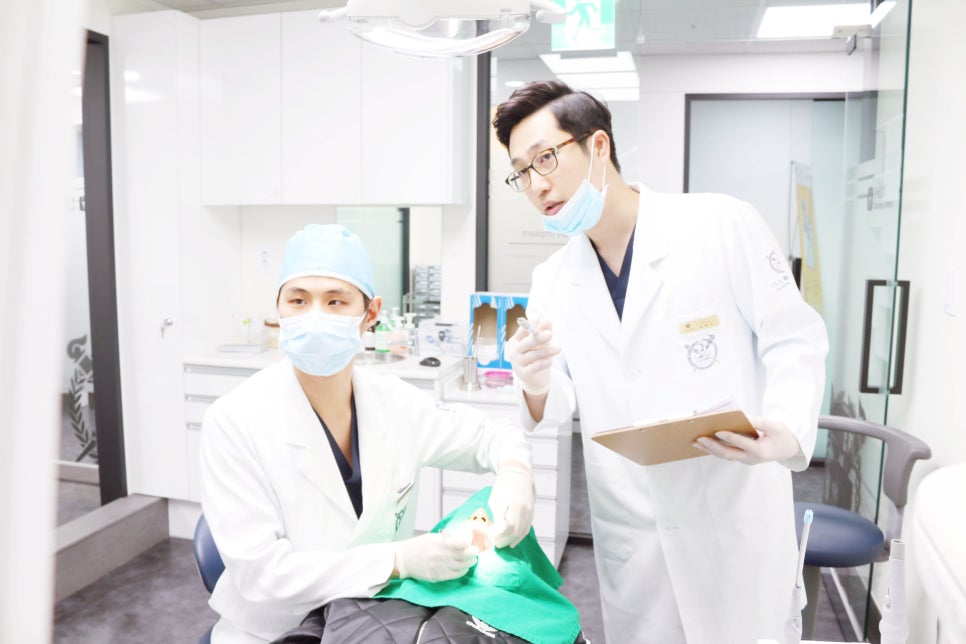
There is a disease affecting as many as 20 million people in Korea.
It is <periodontal disease>.

Many people assume that slightly swollen or bleeding gums are simply a sign of fatigue,
and try to manage the problem by taking vitamins or gum medication...
However, this is only a temporary measure and cannot provide a fundamental solution.
If the problem is left untreated, it may develop into chronic periodontitis or acute periodontitis,
and you could even lose your precious natural teeth.
In today's column,
-
Chronic Periodontitis VS. Acute Periodontitis
-
Treatment for Acute Periodontitis
-
Treatment for Chronic Periodontitis
we will discuss these three topics step by step. :)


Chronic Periodontitis VS. Acute Periodontitis
What Are the Characteristics of Each Condition?
Periodontitis that progresses chronically or occurs acutely can be considered a major cause of gum damage.
The characteristics of each condition are as follows.
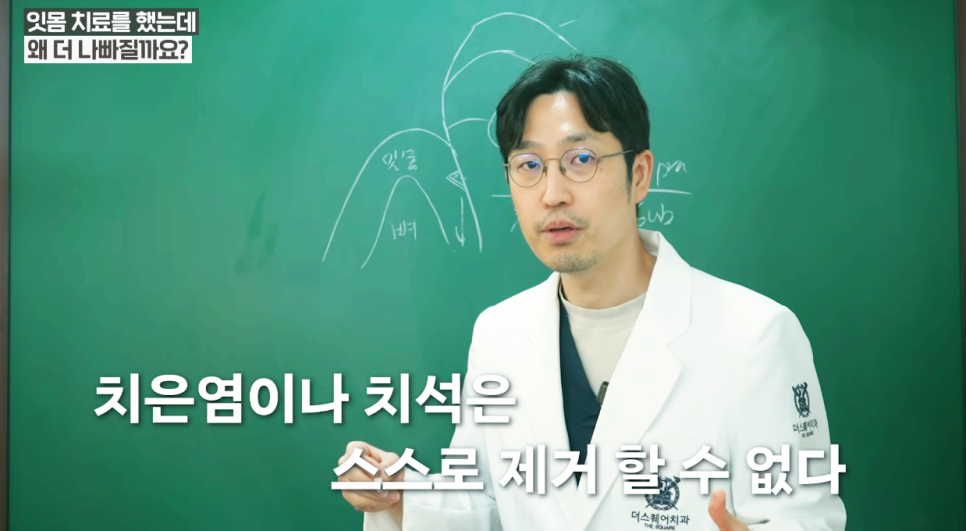
| 🦷 Chronic Periodontitis |
Chronic periodontitis is the form seen in most patients with periodontitis.
Plaque and tartar gradually penetrate the spaces around the gums, and symptoms progress slowly over several months to several years.
The frightening aspect of this condition is that there is little to no pain in the early stages.
Many people dismiss it because it may only cause bleeding when they are not feeling well or some gum swelling.
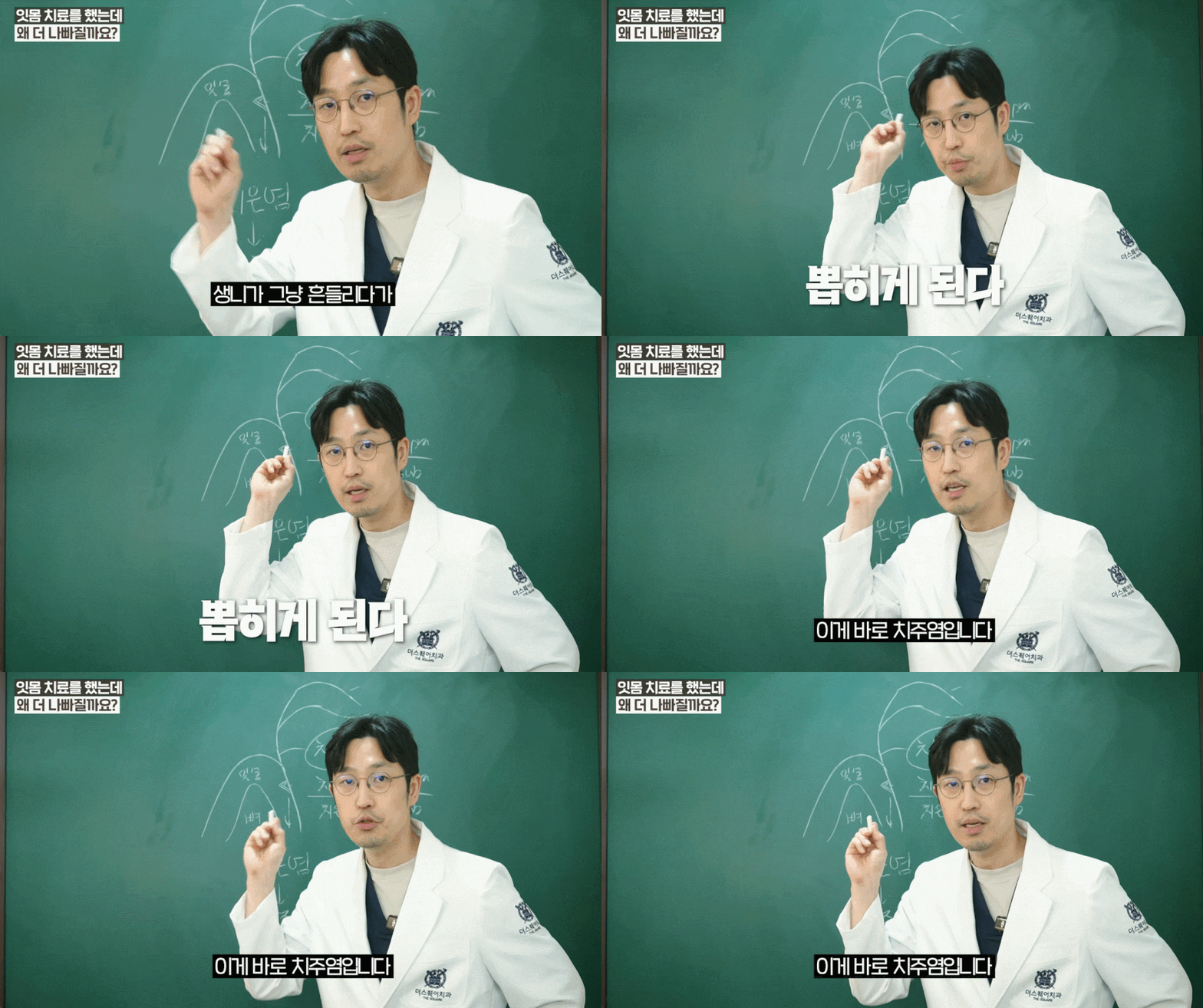
However, even when there are no major visible symptoms, the alveolar bone beneath the gums may gradually be resorbed.
If treatment is delayed, the teeth may eventually become loose, and in the worst case, extraction may be necessary.
| 🦷 Acute Periodontitis |
Acute periodontitis occurs when
pre-existing chronic periodontitis suddenly worsens because of reduced immunity or a specific stimulus,
or when a bacterial infection progresses rapidly.
You may wake up to find your gums severely swollen, accompanied by extreme pain even when they are touched.
Sometimes pus may also drain out.
The symptoms are so intense that patients can recognize them immediately.

How Is Acute
Periodontitis Treated?
Whether acute or chronic, periodontitis is fundamentally treated by
removing the plaque and tartar that cause it.
The priority and approach to treatment may differ, however.
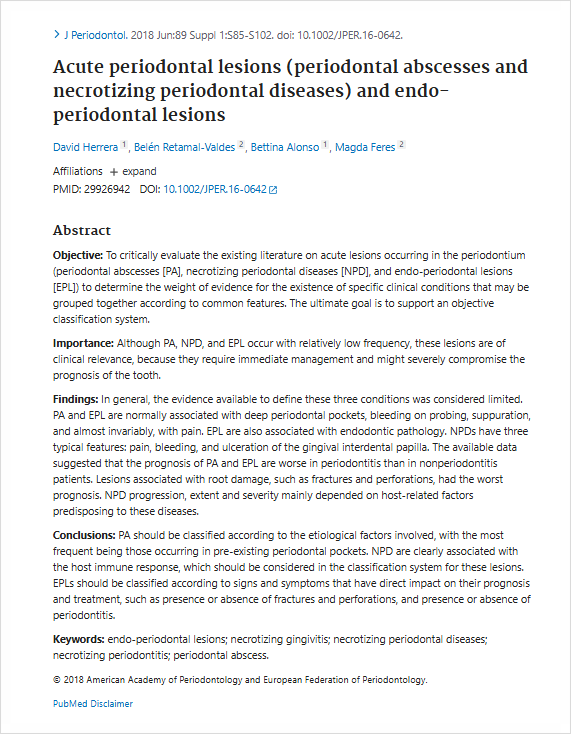
- Key point: According to a study published in the official journal of the American Academy of Periodontology,
acute periodontal abscesses accompanied by severe pain and pus
can rapidly damage the lifespan of a tooth, so
immediate treatment such as drainage should be the top priority.
After acute symptoms have subsided,
treatment to address the underlying cause
must be performed
to prevent the loss of natural teeth
and achieve a favorable prognosis.
- Source: J Periodontol. 2018 Jun:89 Suppl 1:S85-S102. doi: 10.1002/JPER.16-0642.
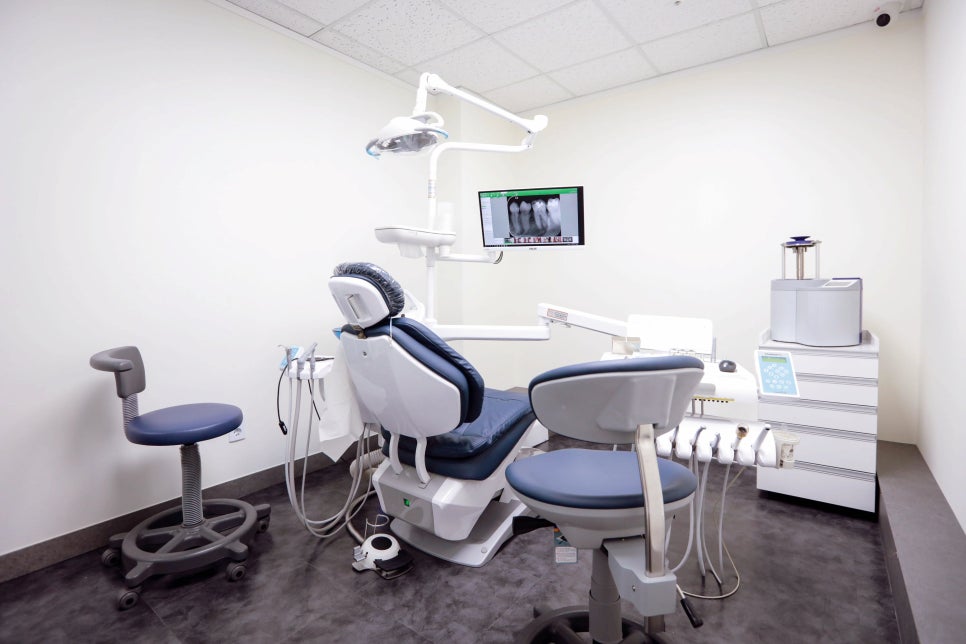
When acute periodontitis causes
pus to collect inside the gums, the pus must be drained first.
Removing the pus alone often rapidly relieves pain and swelling.
Depending on the situation, analgesic anti-inflammatory medication or antibiotics may also be used to control pain and inflammation.
How Is Chronic
Periodontitis Treated?
Following the points discussed above,
once chronic or acute inflammation has subsided, comprehensive periodontal treatment should begin.
Even if acute inflammation has subsided after pus has been drained or medication has been administered,
the underlying cause has not yet been resolved.
If periodontitis is in its early stages, inflammation may be significantly improved through scaling alone, which removes
plaque and tartar accumulated on the tooth surfaces.
If scaling alone is not sufficient, treatment is performed in the following stages.
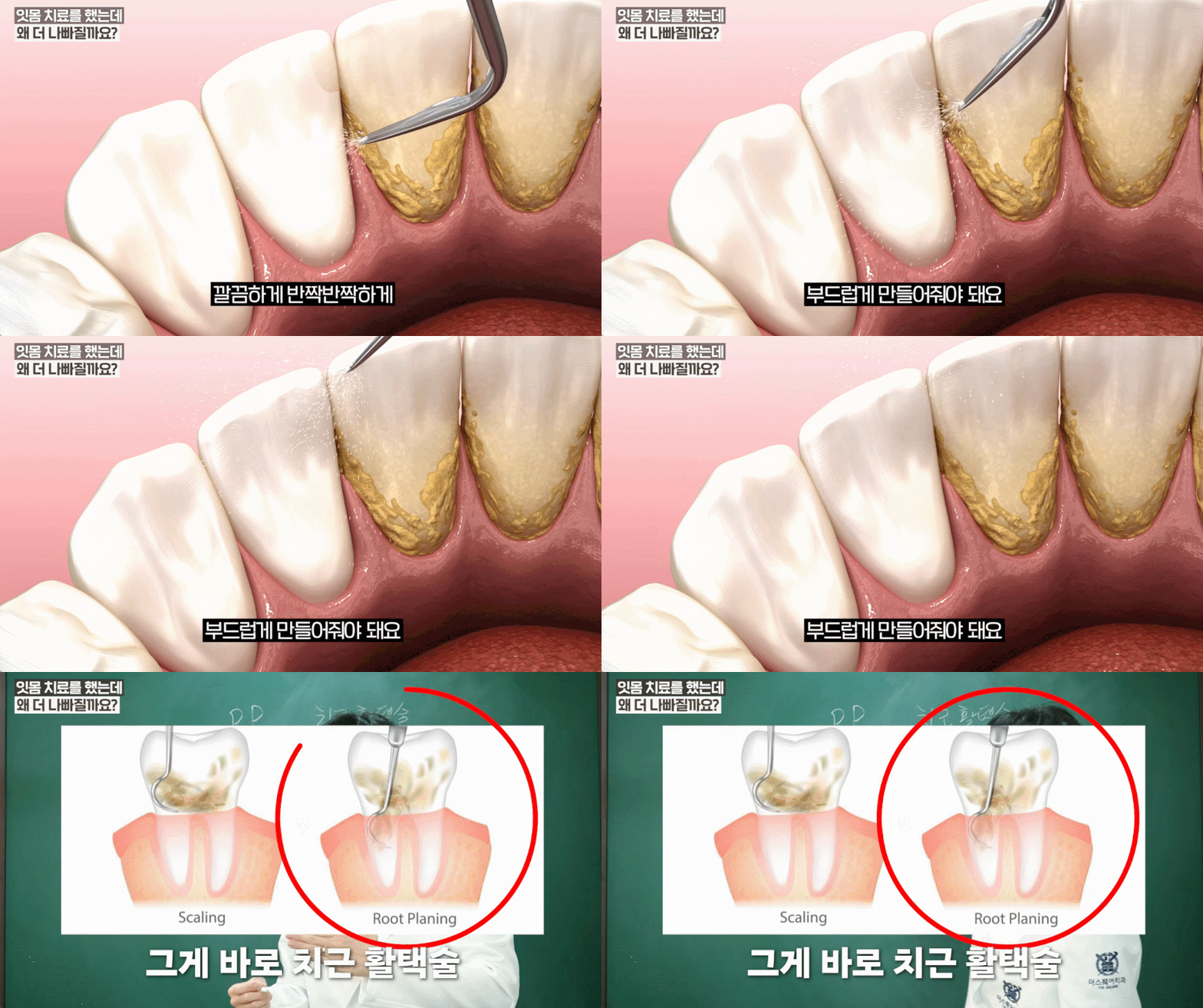
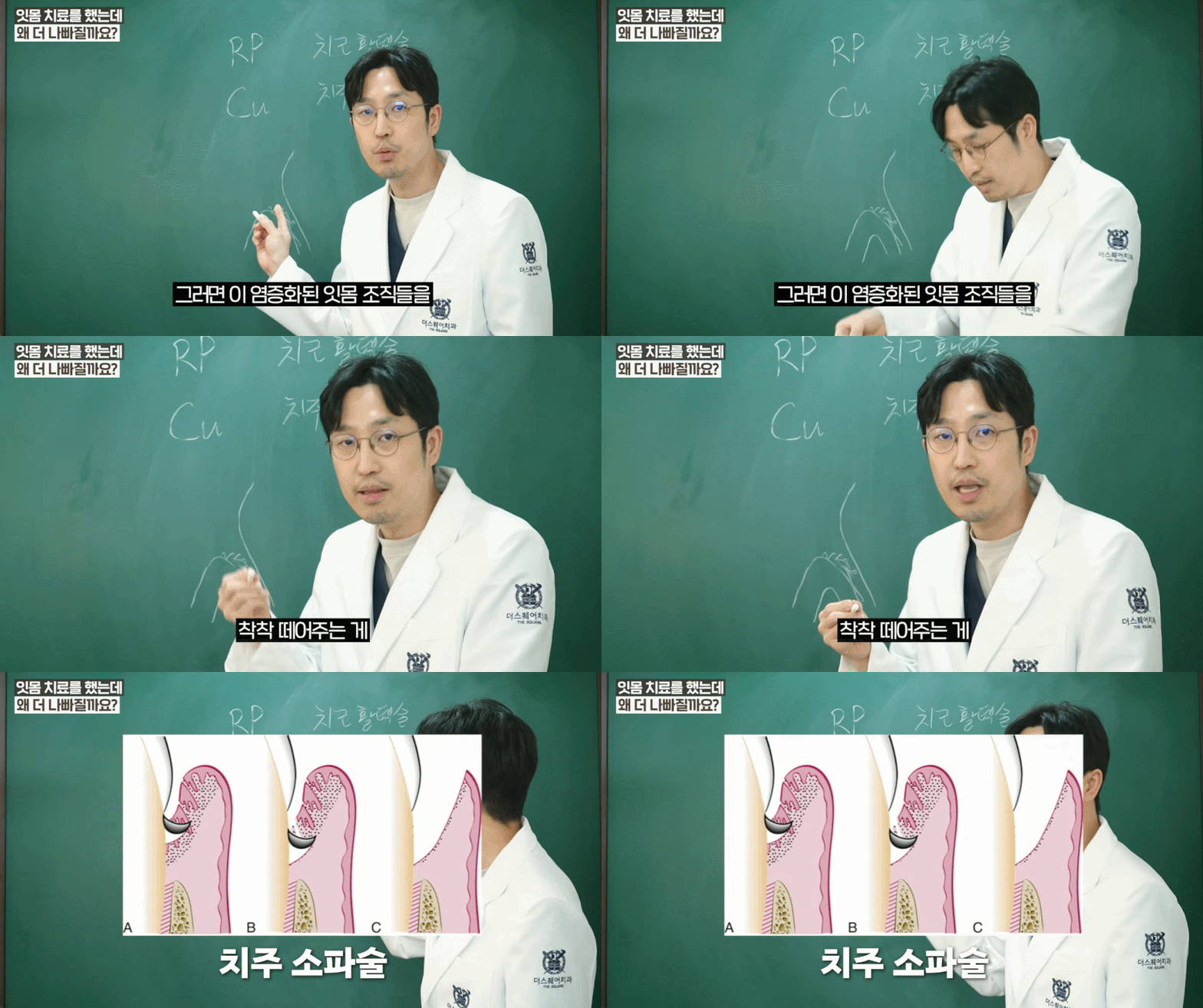
| 1. Root planing | A treatment that removes tartar attached to the root surfaces of teeth beneath the gums and smooths those surfaces. |
|---|
| 2. Periodontal curettage | Removes contaminated soft tissue from beneath the gums to promote the growth of healthy new tissue. |
| 3. Surgery | If the periodontal pockets are deep or alveolar bone destruction is severe, part of the gums is opened so that inflammation and tartar can be removed directly. |

One point to keep in mind is that the order of gum treatment cannot be changed.
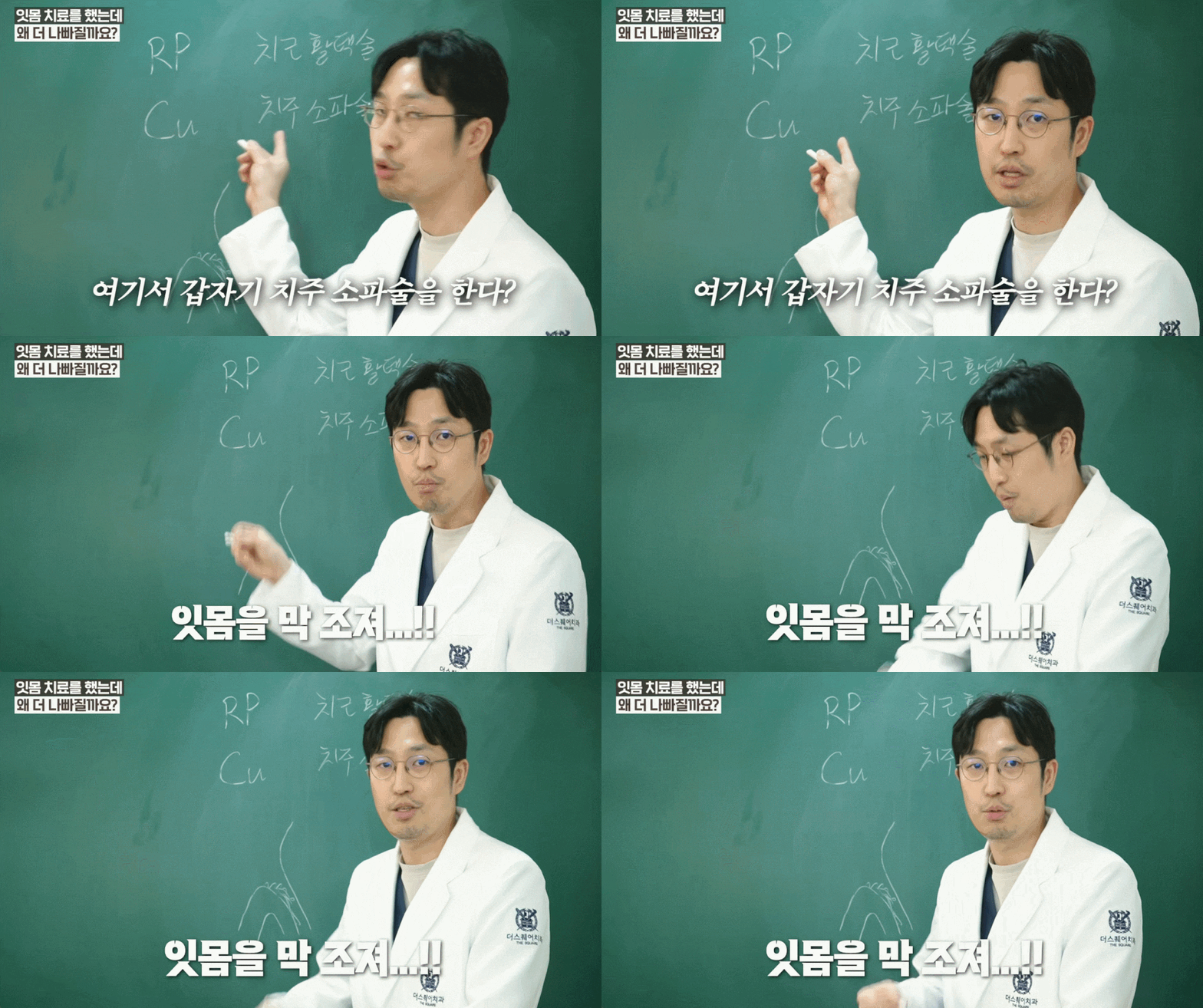
If the treatment order is reversed, the gums may instead become more damaged.
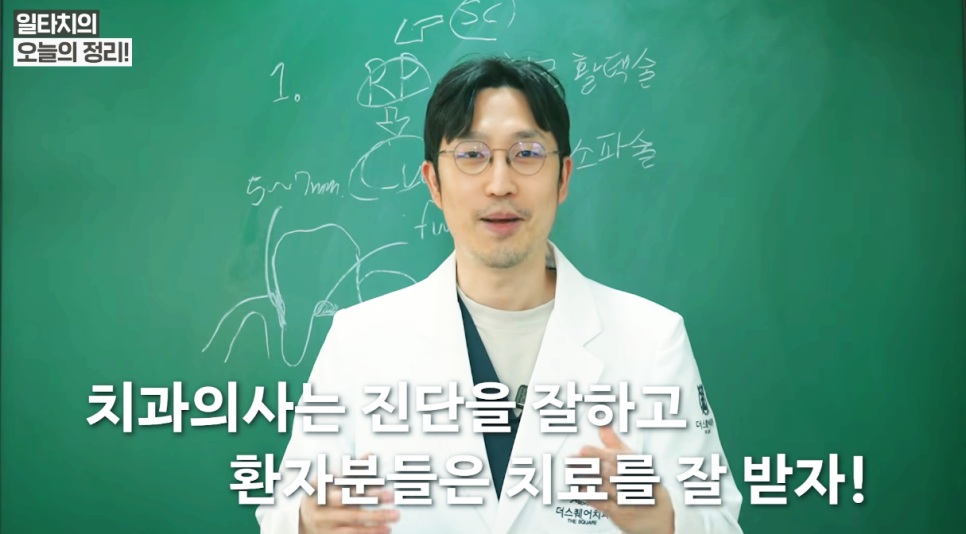
Therefore, to follow a textbook protocol and achieve a satisfactory prognosis,
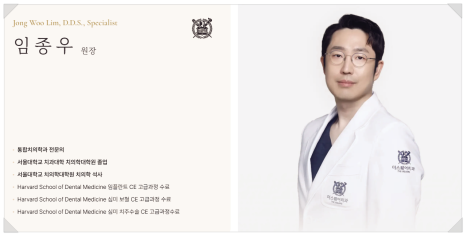
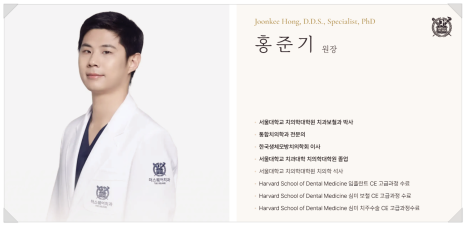
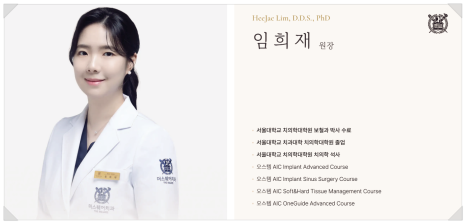
please check whether the clinic has specialists in each field, including prosthodontics and orthodontics, who are available on-site,
and provides treatment that comprehensively considers everything from the patient's gum condition to their age group.
[Recommended Related Reading]

This article explored periodontitis, which threatens dental health.
Here is a summary of the key points.
| 1️⃣ Chronic periodontitis can quietly destroy the jawbone, while acute periodontitis is accompanied by severe pain and swelling. |
|---|
| 2️⃣ When periodontitis occurs acutely, the inflammation should first be calmed, followed by periodontal treatment to address the underlying cause. |
| 3️⃣ Periodontal treatment begins with scaling and must proceed in the following order: root planing → periodontal curettage → surgery. |
If you have any further questions for us, you can leave a comment or send us a question through Naver TalkTalk. ^^
Our goal is to provide
specialized knowledge based on the latest findings,
three-dimensional diagnoses based on scientific evidence,
and
reliable treatment that adheres to standard protocols.
This was 더스퀘어치과의원.
[Reviews]
[Naver TalkTalk]
[Directions]
| This article was written in compliance with Article 56, Paragraph 1 of the Medical Service Act so that you can obtain accurate information. Rather than simple promotion, we wanted to transparently share the processes that take place in an actual treatment room. Instead of contacting us immediately after reading this article, it is sufficient simply to take away accurate information. |