At first, I thought maybe I was just tired. The gum on one side of my mouth, behind my molar, felt a little uncomfortable, but I brushed it off. When my toothbrush brushed against it while I was brushing my teeth, it felt slightly sharp, and it would throb a little when I chewed food, but I thought it would get better in a day or two.
But then it started happening again and again. When the gum seemed a little swollen, it would go down a few hours later, and then after a few days it would swell up again. It was uncomfortable, but it did not really affect daily life. Rather than thinking I needed to go to the dentist, I kept thinking, “It’ll probably get better.” In fact, it was not the first time my gums had swollen, and it had naturally gone down a few times before.
In this way, many people tend to be a bit more passive when dealing with gum-related discomfort than with tooth problems, and often just think it will get better on its own and move on. But gum problems, especially as people get older after middle age, can negatively affect not only the gums but also the teeth, so they are not something to take lightly.
Today, among various gum problem cases, I want to look at gum swelling behind the molar. Many people suffer from gum swelling near the molars or problems such as receding gums, but because there can be a surprisingly wide range of causes and symptoms, many people fail to respond properly at an early stage.
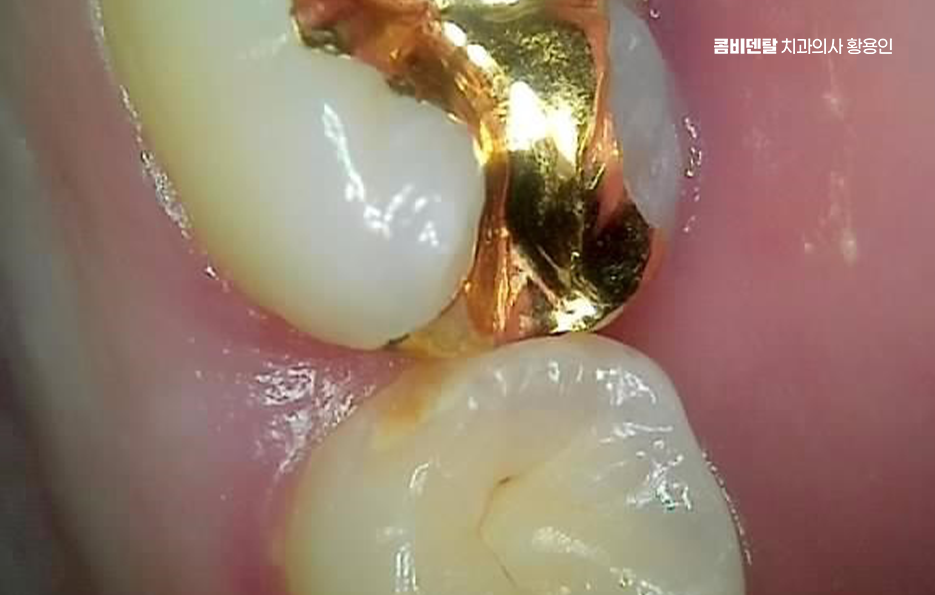
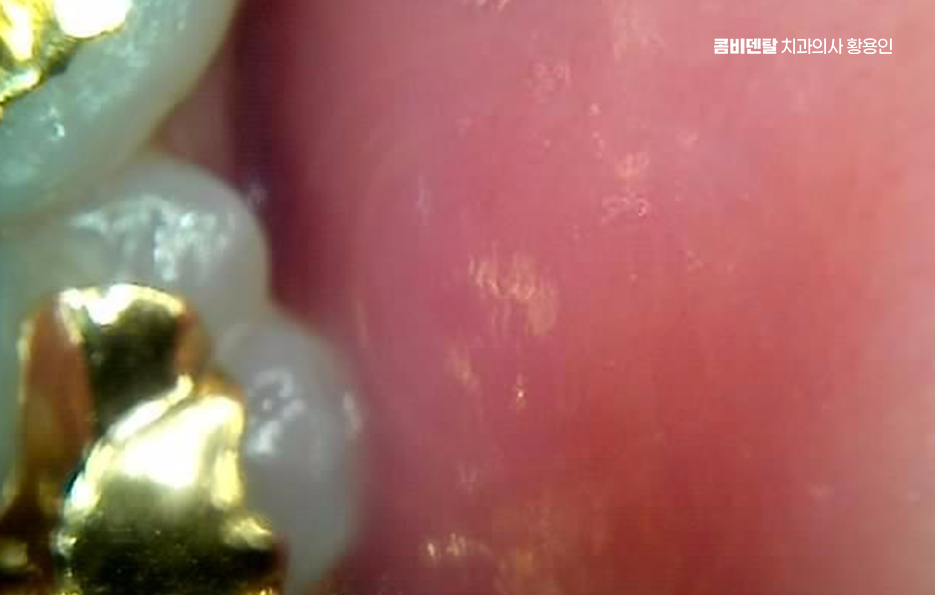
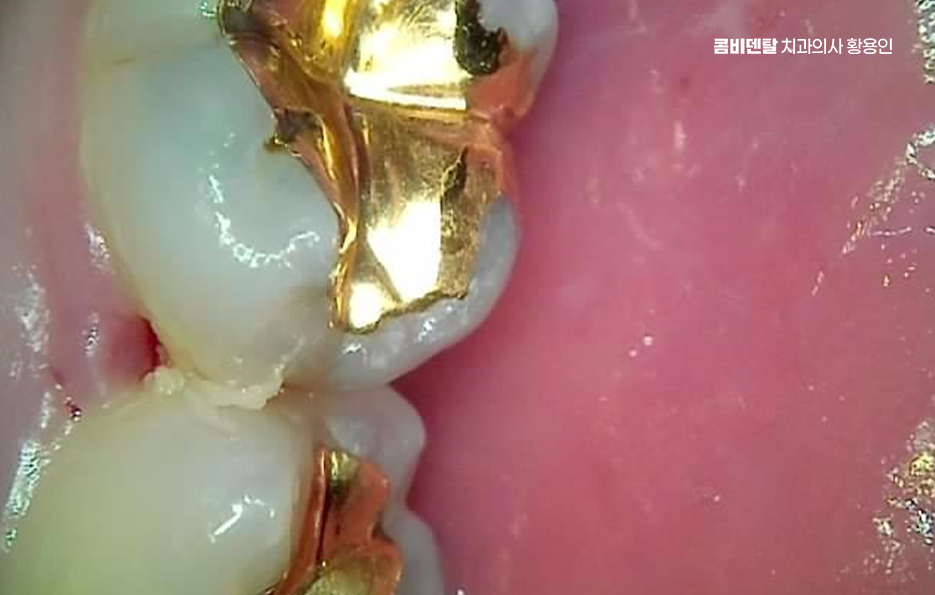
First, looking at the causes of swelling of the gum behind the molar, this symptom can occur for a variety of reasons, from simple gum inflammation to more serious periodontal disease or wisdom tooth problems. In general, swollen gums are often caused by bacterial infection, irritation from food debris, periodontal disease, or wisdom tooth problems. When symptoms are mild, they may go down naturally, but if gum problems keep recurring without proper treatment and gradually worsen, the inflammation can become more severe and the pain can intensify. In severe cases, the gums can recede or, in serious cases, the teeth can become loose. That is why it is important to identify the cause accurately and receive appropriate treatment.
Looking more closely at the causes and symptoms, the area behind the molars is difficult for a toothbrush to reach because of the structure of the teeth, so food debris can remain there and plaque can easily build up. Because the space between the teeth is narrow and the gums are a delicate area, it creates an environment where bacteria can easily grow, increasing the likelihood of swelling or inflammation.
At first, it may just be a mild swelling and discomfort, but as it gets worse, pain may occur. The gums may become red and firm, and in some cases pus may come out when pressed. In such cases, it is not simply inflammation; there is a possibility that it has progressed to periodontitis, so an accurate examination at the dentist is necessary.
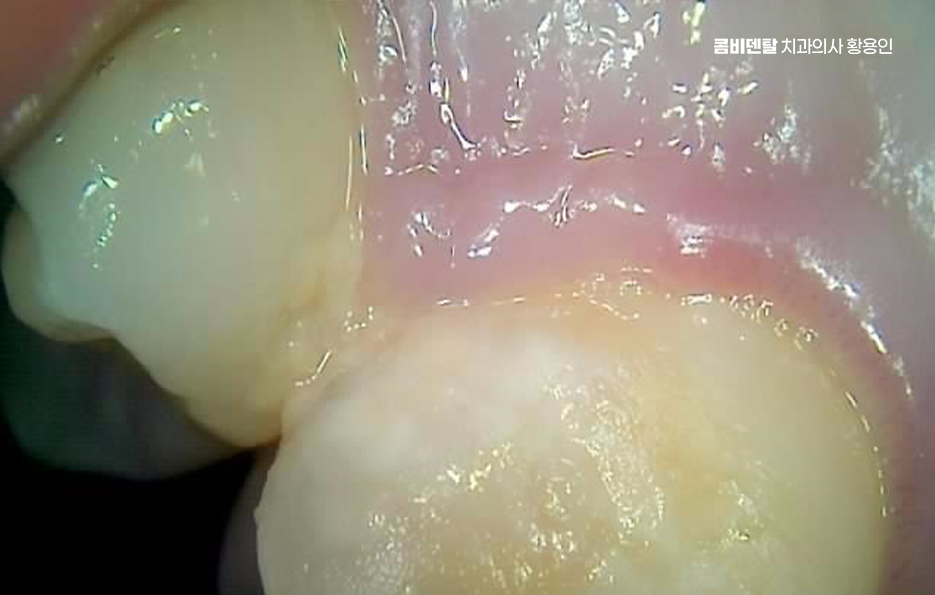
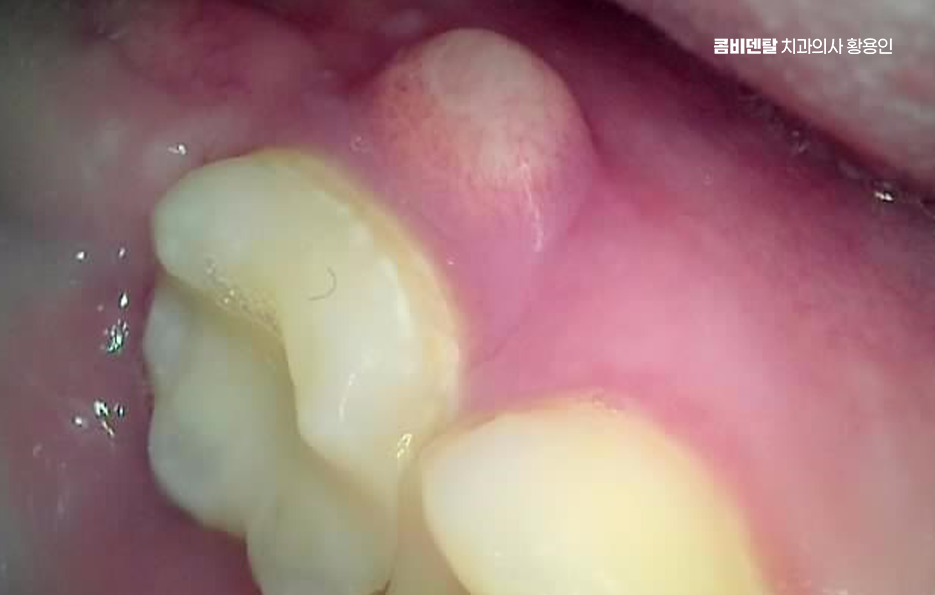
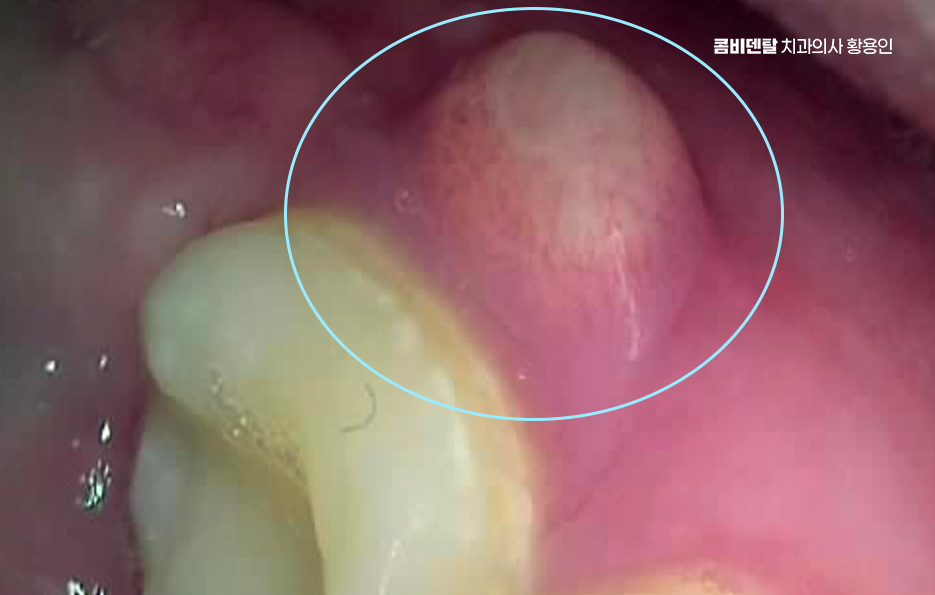
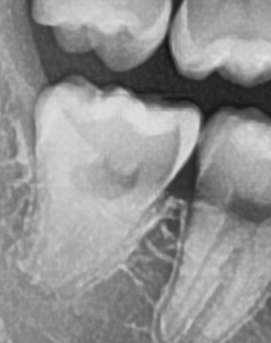
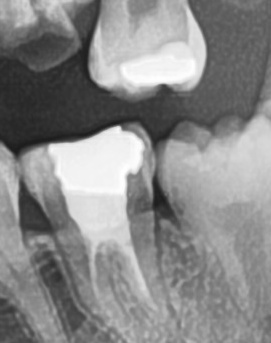
Problems with swelling of the gum behind the molar are often caused by wisdom teeth. In particular, wisdom teeth in modern people often cannot erupt properly and become impacted. A wisdom tooth that has not fully emerged can irritate the surrounding gums as it grows inside the gum tissue, and if only part of it is exposed, food can get trapped and cause inflammation. If the gum behind the molar is swollen and you feel persistent discomfort, you may want to suspect inflammation caused by a wisdom tooth. In cases caused by wisdom teeth, simple anti-inflammatory medication or mouthwash often does not solve the problem, and there are many cases where the gum inflammation is resolved only after the wisdom tooth is extracted.
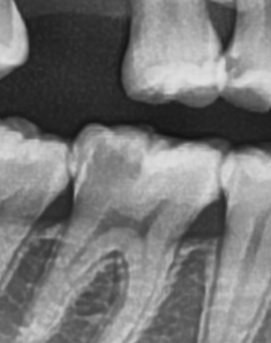
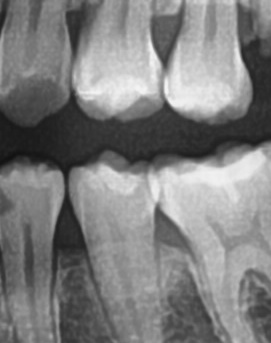
Among the issues that require the most caution, if periodontitis progresses, not only the area behind the molar but the gums overall can become weakened. Periodontitis is a disease that damages the tissues surrounding the teeth, and especially if the gums often swell or bleed, it may be a sign that periodontitis is progressing. Therefore, it is better not to dismiss it as simple gum swelling. Without treatment, the bone supporting the teeth eventually weakens, and in severe cases the teeth may become loose or fall out.
In conclusion, if the pain is severe or the inflammation lasts a long time, it is important to visit a dentist and receive an accurate diagnosis. If it is simply gum inflammation, it may improve with tartar removal and antibiotic treatment. But if periodontitis has progressed, more active treatment may be necessary. If your gums keep swelling because of a wisdom tooth, you may need to consider wisdom tooth extraction, and if the wisdom tooth is completely impacted, surgical removal may be required. In particular, if the swelling keeps recurring, it is worth getting a wisdom tooth examination or checking the periodontal condition through a detailed dental examination. If the gums near your molar keep bothering you repeatedly, please be sure to visit a dentist.

 Previous image
Next image
Previous image
Next image
 Previous image
Next image
Previous image
Next image
 Previous image
Next image
Previous image
Next image
 Previous image
Next image
Previous image
Next image