When I was young, I used to hear adults say, “Wisdom teeth hurt when they come in,” but they would brush it off without much concern, so I thought of it as just part of growing up. I only vaguely figured, “Someday it’ll happen to me too.” When my wisdom tooth actually started to erupt, I felt curious first, and since there wasn’t any major pain, I thought it was lucky that nothing serious was going on.
Then I kept putting it off, and years passed. I forgot about the wisdom tooth entirely. Of course, it never fully came out, but it was half-erupted, buried in the gums. Oddly enough, over time, the gum on that side started swelling more often. The swelling would go down and then come back again, and gradually the intervals got shorter while the pain became stronger.
In this way, many people think of wisdom teeth as something they’ll eventually have to remove someday, and then start considering extraction only when symptoms such as gum pain around the wisdom tooth, cavities, or bad breath become severe.
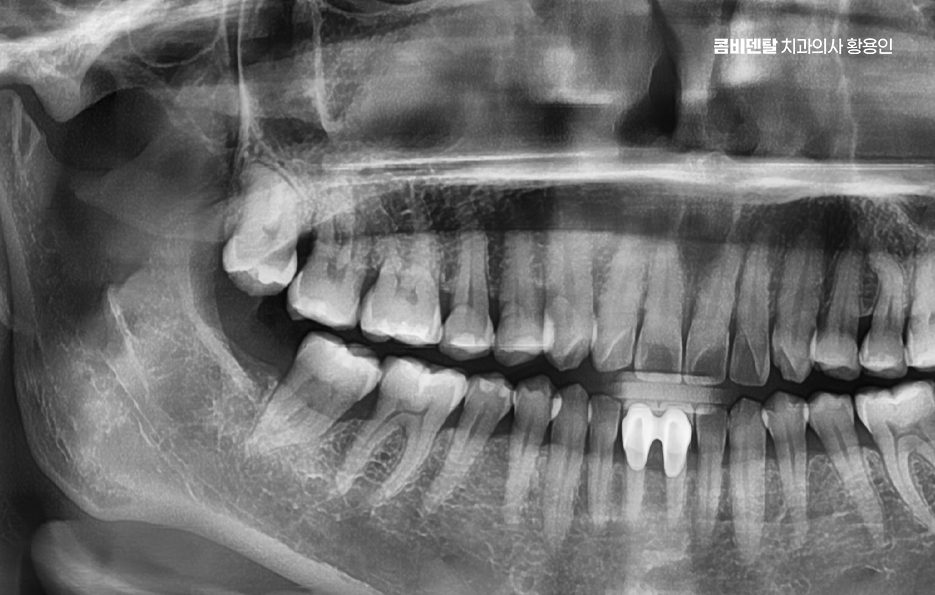
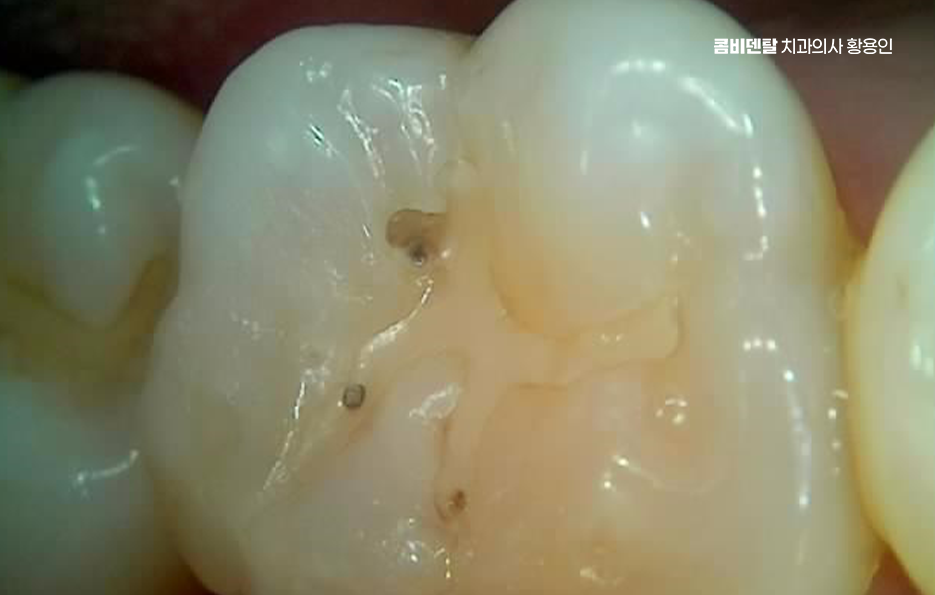
When gum pain develops around a wisdom tooth, many people initially dismiss it as a simple gum inflammation or a symptom caused by fatigue. But in reality, it is often inflammation caused by food debris or bacteria getting trapped when the wisdom tooth is impacted or only partially erupted. In such cases, the pain may temporarily subside with simple anti-inflammatory medication or antibiotics, but if the underlying cause is not addressed, the pain can recur repeatedly and worsen. That is why early treatment is really important.
In particular, wisdom teeth are located at the very back of the mouth, making them difficult to brush and easy to neglect in terms of hygiene. On top of that, they often grow in crooked or remain impacted in the gums, so in reality they cause problems more often than they erupt without issue.
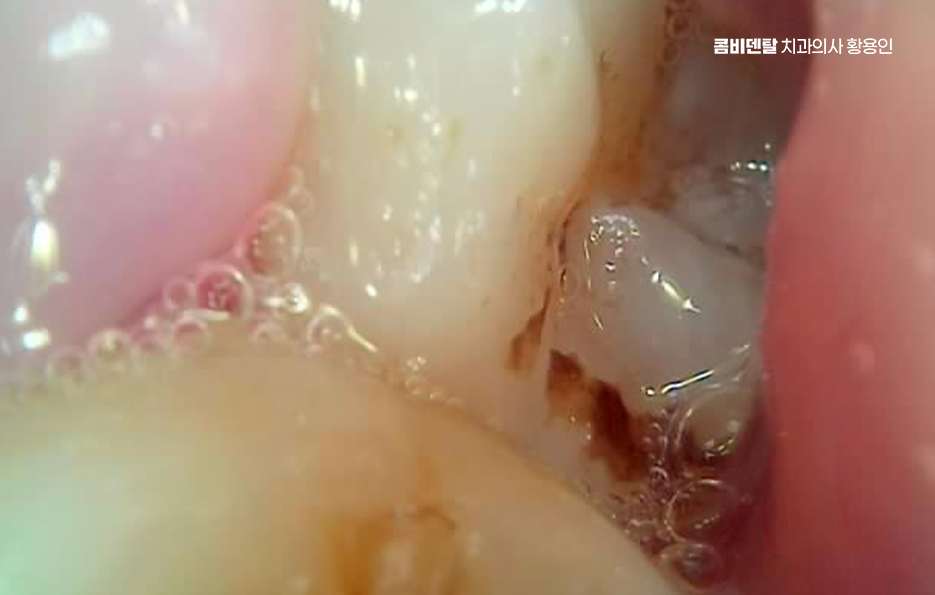
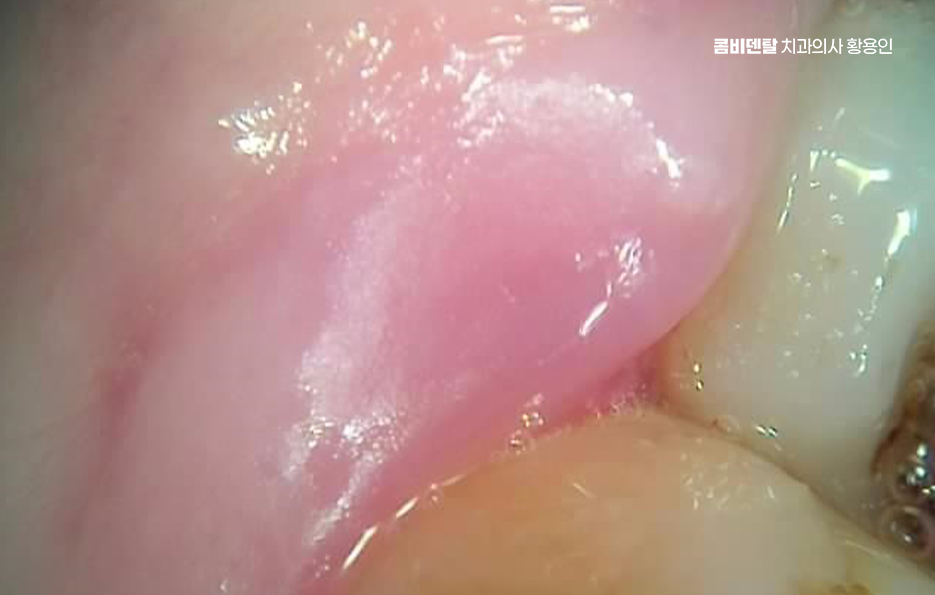
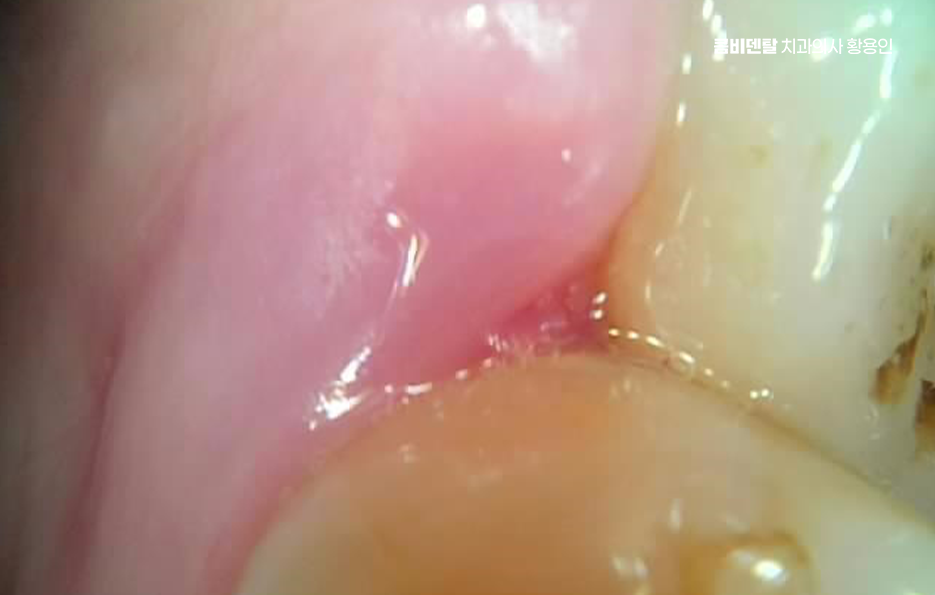
The most common cause of gum pain around a wisdom tooth is an inflammation called pericoronitis. This refers to a condition in which the wisdom tooth does not fully erupt and only partially breaks through the gum, allowing food debris and bacteria to enter the folded space around the gum and cause inflammation. In this case, the gums swell and pain develops, and in severe cases, pus can form, jaw pain may occur when opening the mouth, and fever can also accompany the symptoms.
This is especially true for lower wisdom teeth, since they are located near the jaw joint and can spread pain to the jaw joint or even the neck area. If the inflammation deepens, it can spread to the jawbone, so simply leaving it as gum pain around a wisdom tooth is a risky approach.
In such cases, before the inflammation becomes too severe, it is necessary to visit a dentist quickly and first have an X-ray examination to check the position and shape of the wisdom tooth. If the diagnosis shows that the wisdom tooth is lying horizontally against the jawbone or is pushing against the root of an adjacent tooth, medication alone will not solve the problem. In general, treatment is carried out by reducing the inflammation first and then proceeding with extraction.
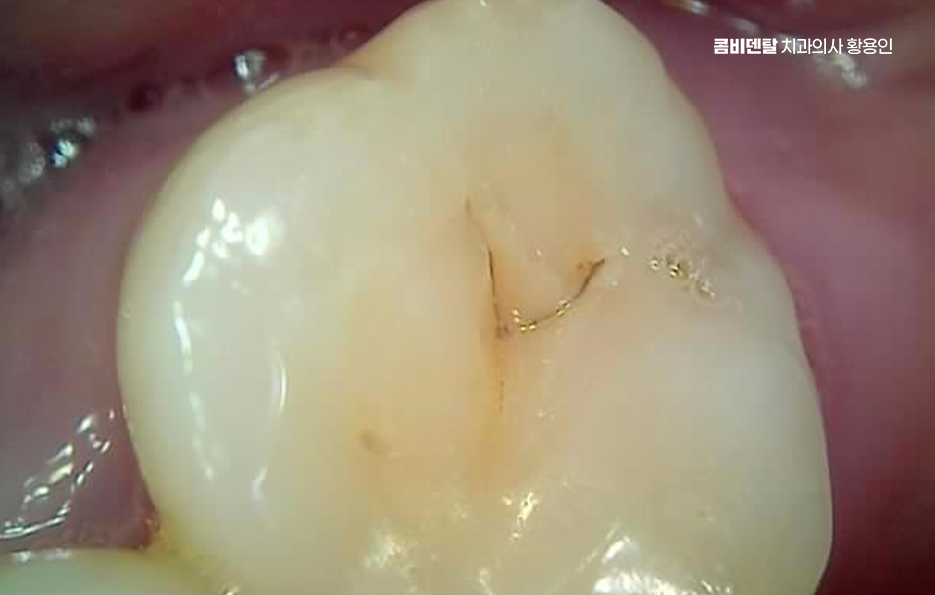
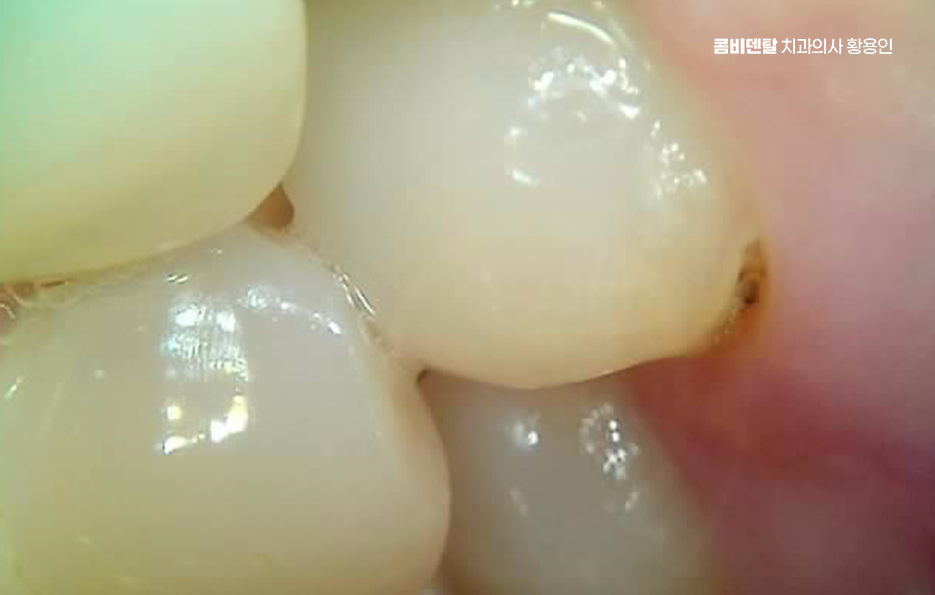
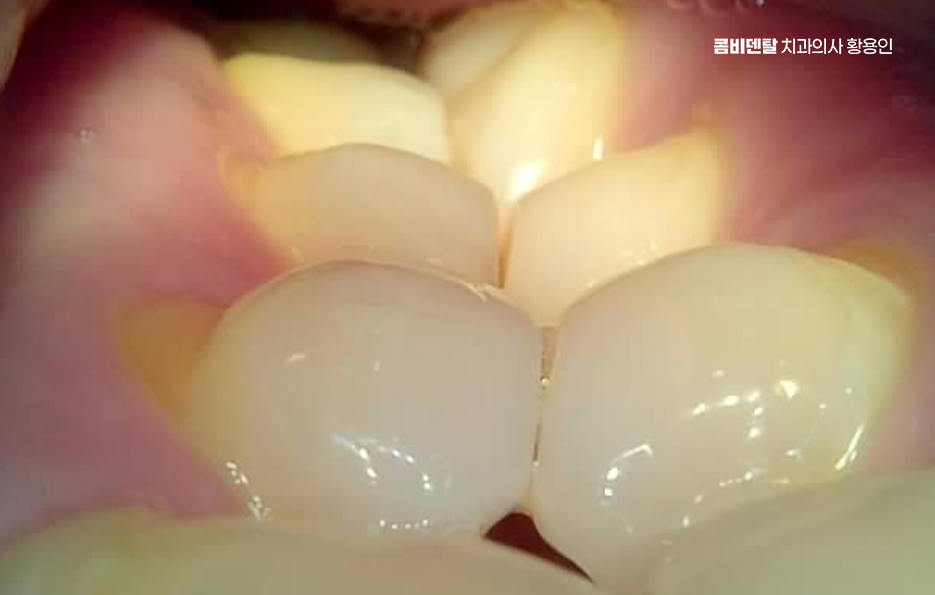
Even if you notice a problem with a wisdom tooth, extracting it immediately when the inflammation is severe can increase the risk of damage to the surrounding tissue, bleeding, and infection. So the safer sequence is to first reduce the inflammation with antibiotics and anti-inflammatory medication, then schedule the extraction after some time has passed. In particular, if the pain keeps coming back repeatedly, removing the wisdom tooth that is causing the problem becomes the wise choice.
Even when a wisdom tooth is fully impacted inside the gum, gum pain around the wisdom tooth can still occur. It may not be visible from the outside, but on an X-ray it often appears tilted or pressing against the adjacent tooth. Such impacted wisdom teeth can quietly damage the root of the neighboring tooth or cause decay on the adjacent surface even without inflammation. That is why preventive extraction may be recommended even if there is no pain, and once pain begins, there is also a possibility that nearby bone loss, periodontitis, or gum necrosis may progress. This makes it necessary to judge the need for wisdom tooth extraction appropriately.
Especially in early adulthood, before the roots of the wisdom tooth are fully formed, extraction is relatively easier. As age increases, the roots tend to grow in more complex ways or come closer to the nerve canal, which makes extraction more difficult and the recovery period longer. So whether or not there is tooth pain, it is safer to check the position and direction of the wisdom tooth in advance and set up a treatment plan.
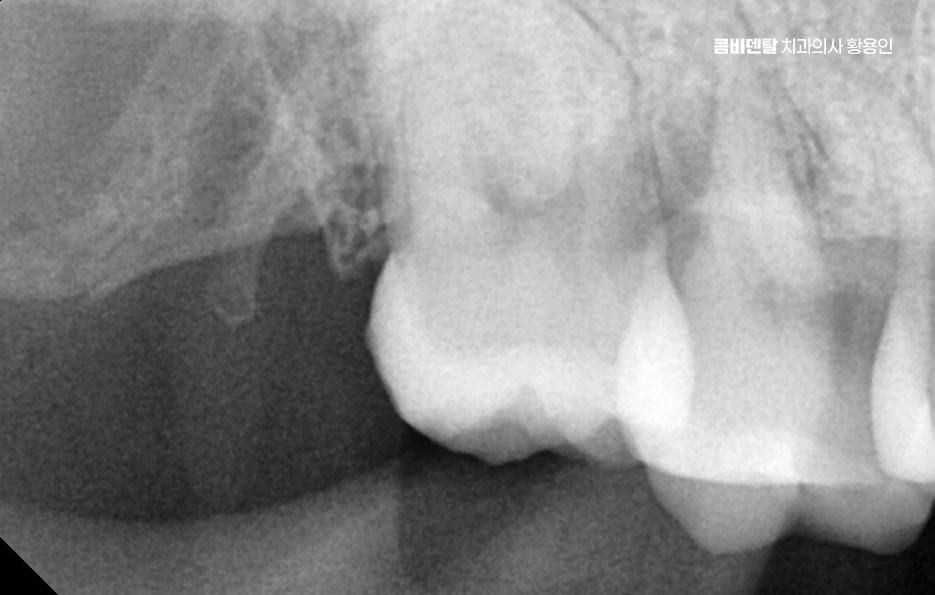
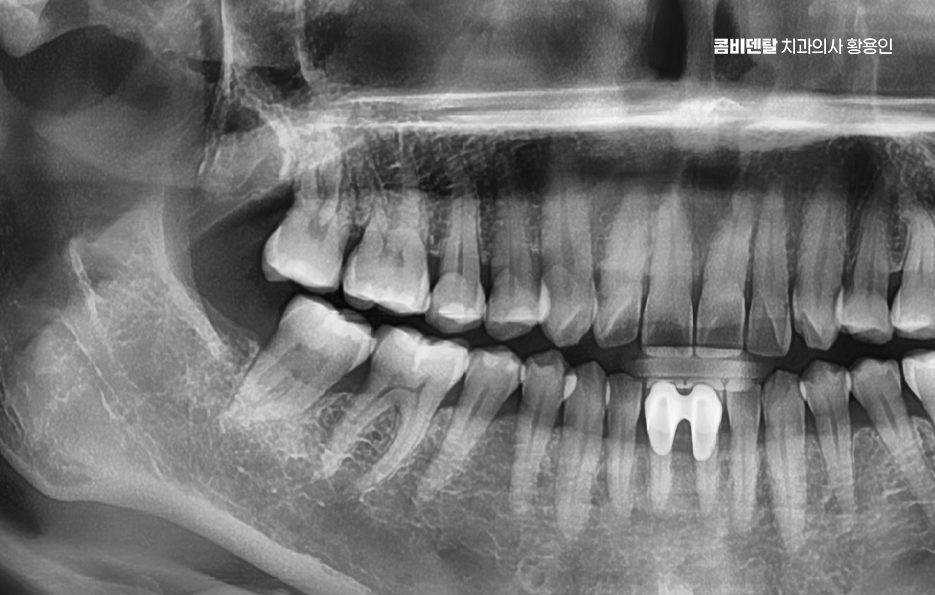
As for treatment methods for gum pain around a wisdom tooth, when the pain is severe, anti-inflammatory medication or pain relievers can be used to temporarily reduce the inflammation, but that should not be considered the end of treatment. Once the inflammation has subsided, treatment should continue in the direction of removing the cause. If the case is highly difficult and requires incision and sectioning, working with an experienced dentist can be even more important.
Gum pain around a wisdom tooth is often mistaken for simple gingivitis or a mouth ulcer, and many people choose to wait and see until the symptoms become more obvious. However, behind it there may be various risk factors that can lead to periodontitis, gum inflammation, jawbone inflammation, damage to adjacent teeth, and strain on the jaw joint. If the pain keeps recurring or you find yourself chewing only on one side, you should definitely get an early diagnosis and establish an accurate treatment plan.
In the end, pain in the gums around a wisdom tooth should not be seen as a temporary inconvenience. It may be a sign that a structural problem requiring dental intervention has begun. Since wisdom teeth require consideration not only for extraction but also for the procedure and recovery, a smoother extraction process is possible when all of these are taken into account. I hope you will remember today’s discussion and respond wisely.





 Previous image
Next image
Previous image
Next image

 Previous image
Next image
Previous image
Next image



 Previous image
Next image
Previous image
Next image


 Previous image
Next image
Previous image
Next image