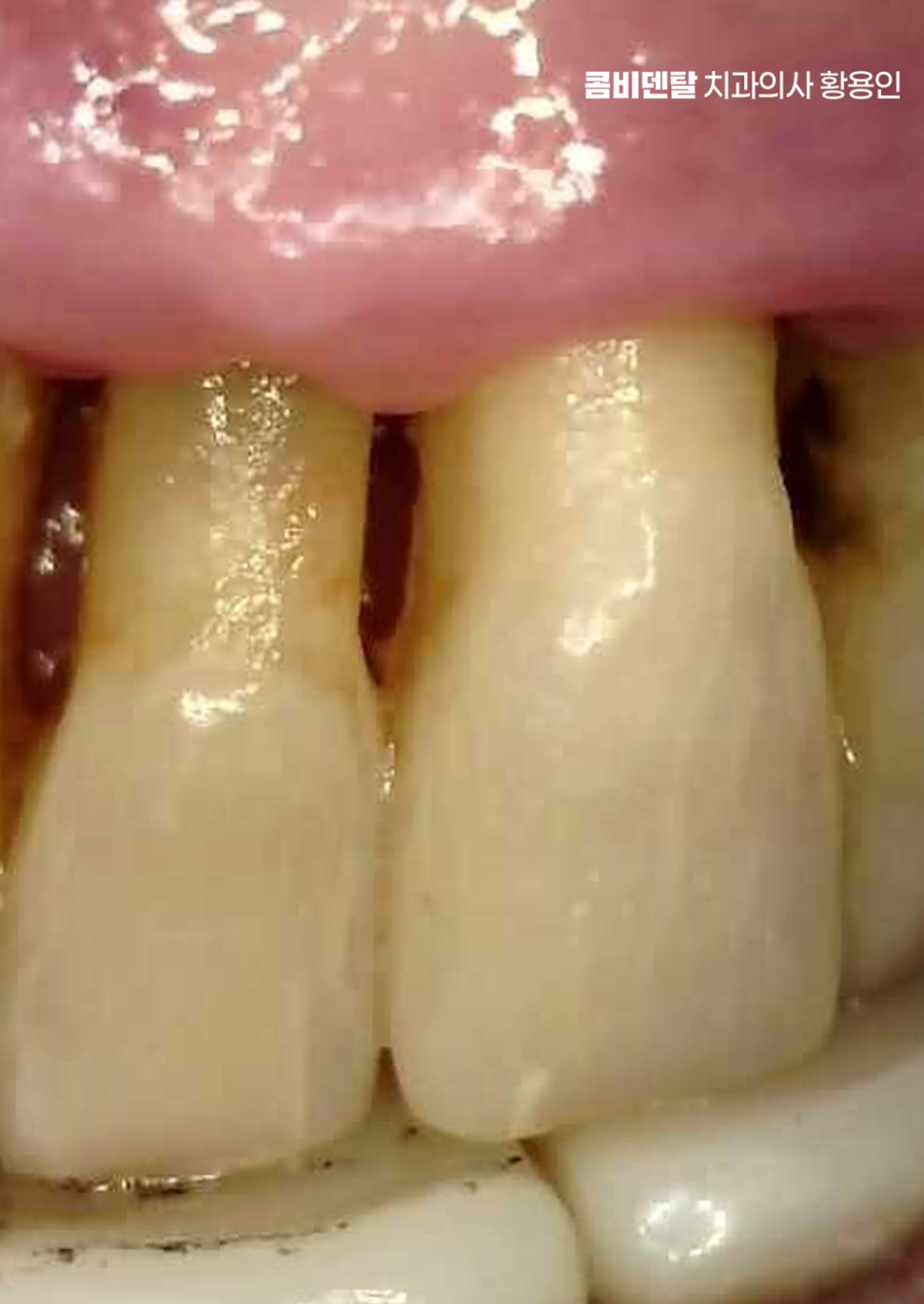
At first, it was just a little swelling in my gums. Bleeding while brushing happened often enough that I didn’t think much of it, and when blood came out while using dental floss, I even mistook it for a sign that I was “cleaning well.” But one day, the swelling started happening more frequently, my mouth kept feeling sticky, and bad breath came on more easily than before. No matter how hard I brushed, I still didn’t feel refreshed. Then my gums gradually began to recede, and once that change became visible, I could no longer dismiss it lightly. The roots of my teeth looked more exposed than before, and as the gum line became uneven, my heart sank every time I looked in the mirror. The biggest change was that the gaps between my teeth had started to open up noticeably.
As people get older, gaps between teeth often become more pronounced as the gums weaken. This kind of problem is not simply about tooth alignment; it can also be viewed as a major issue directly connected to the lifespan of the teeth.
The widening of spaces between teeth may seem like a simple gap on the surface, but if the cause is periodontal disease, it cannot be solved by merely filling the space. Periodontal disease is a condition in which the gums and alveolar bone supporting the teeth—in other words, the gum bone itself—gradually break down. As a result, in severe cases the teeth can become loose, the support between the teeth weakens, and the gaps gradually widen. Over time, these spaces can continue to become larger and deeper.
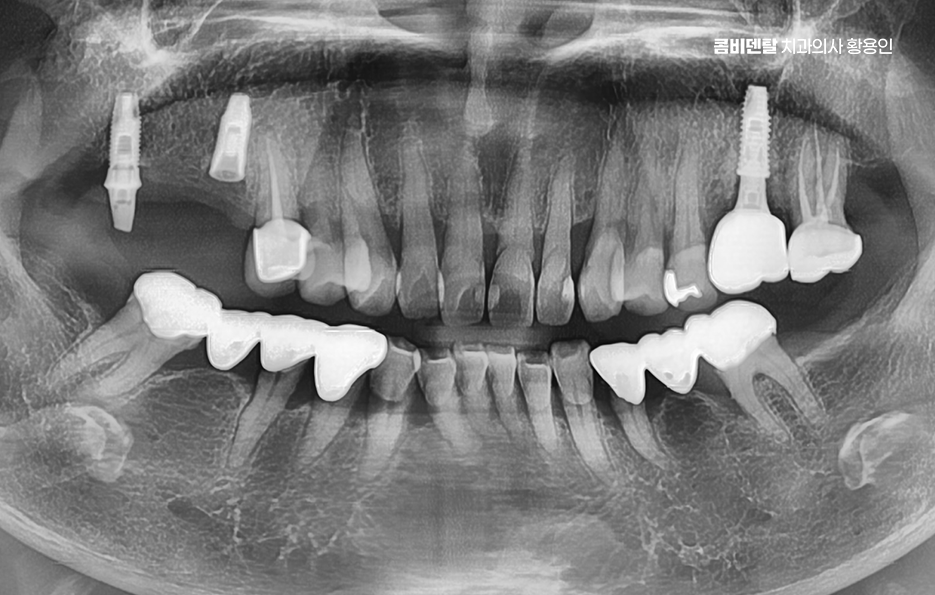
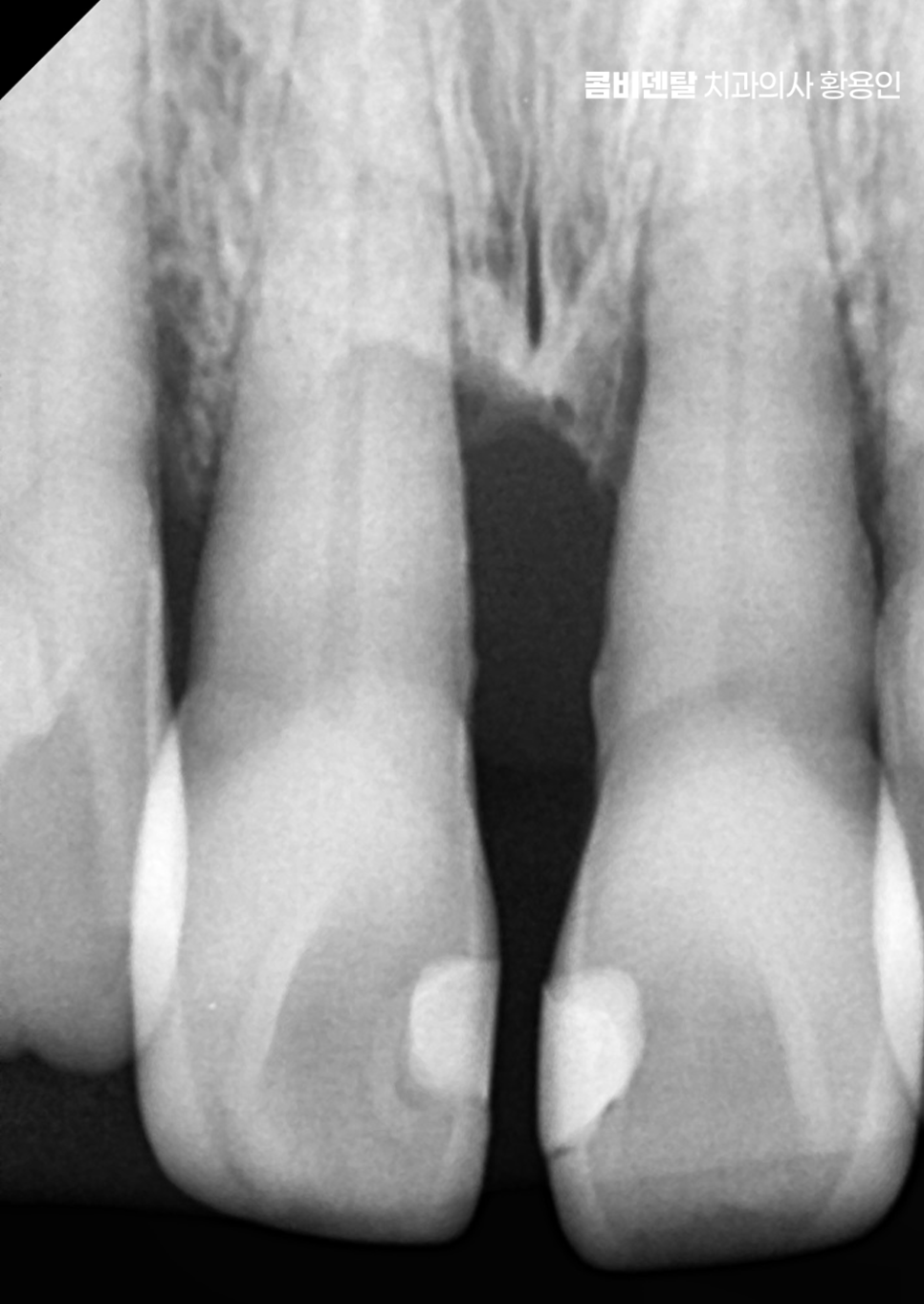
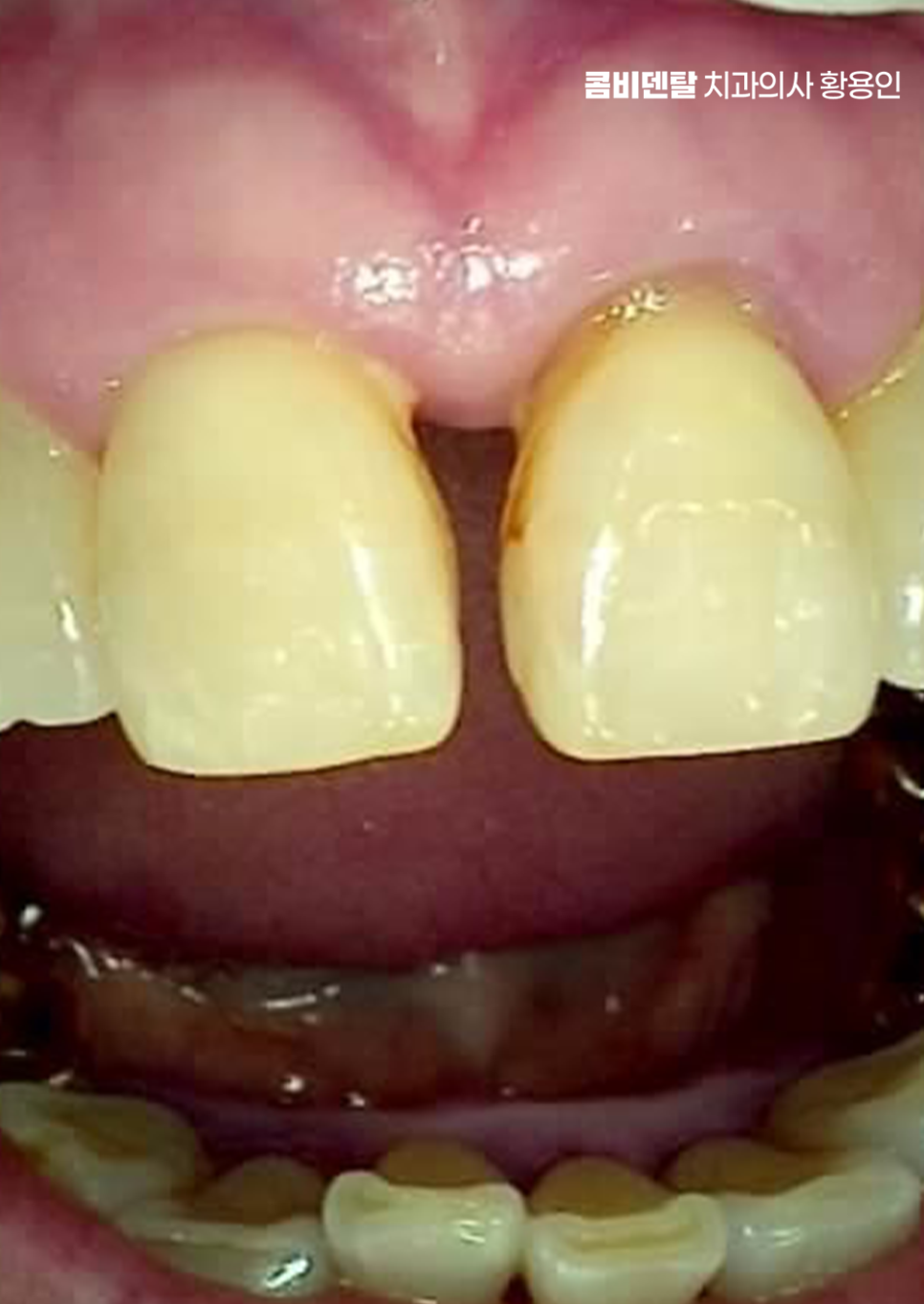
In particular, if food frequently gets stuck between the teeth, the foreign-body sensation does not go away even after brushing, or the gums keep swelling and bleeding, then the widening gaps between teeth may already be a warning sign that structural periodontal damage has begun. At that point, the priority may not be a cosmetic approach such as “Should I get orthodontic treatment to bring the teeth together?” Instead, the first step may be to control the inflammation and focus on saving the gums, after which treatment may continue in a direction that restores function and alignment.
If the gaps between teeth were caused by periodontal disease, treatment may not be completed all at once but should proceed step by step. The first thing to do would be basic periodontal treatment to remove inflammation and stabilize the teeth.
The foundation here is scaling. Scaling is not simply the removal of tartar stuck on the surface; its purpose is to reduce inflammation inside the gums by removing bacterial plaque as well, including deposits deep near the tooth roots. However, if tartar has accumulated deep in the gums or if an inflammatory pocket called a periodontal pocket has already formed, scaling alone is not enough, and a more in-depth treatment called root planing is needed. This treatment is performed under anesthesia to smooth the surface of the tooth root so that bacteria have a harder time attaching again. Through this kind of gum treatment, it may be possible to promote the regeneration of gum tissue and reduce tooth mobility.
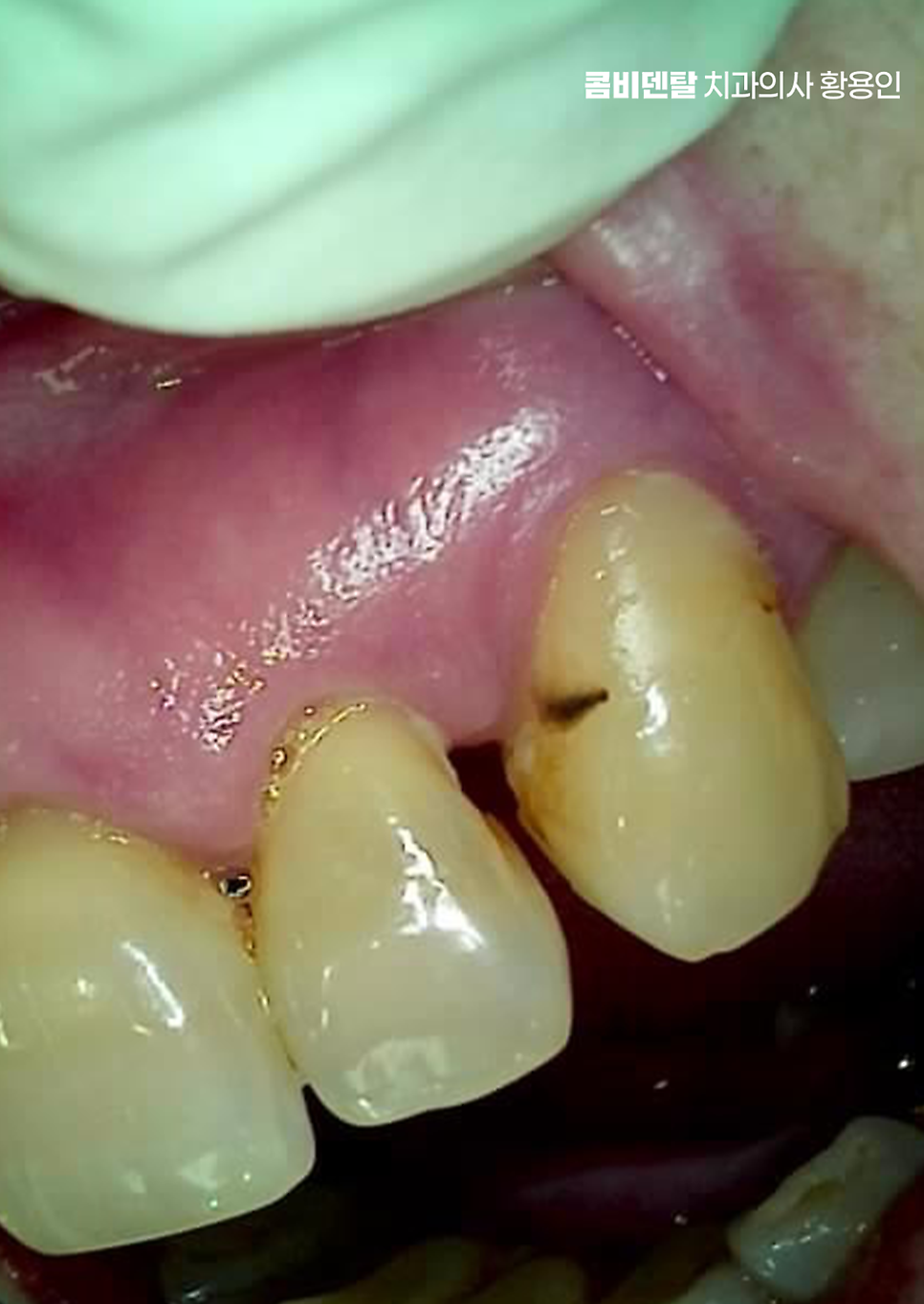
However, if the alveolar bone has already been resorbed significantly and the teeth are loose or the gaps are too wide, simple gum treatment becomes difficult to recover from. In such cases, a periodontal surgical approach is needed, and more advanced gum procedures such as periodontal curettage or flap surgery may be required.
If the main cause of the widening gaps between teeth is a gum problem, such gum treatment should come first. After that, issues such as tooth alignment changes or cavities that developed in the spaces between teeth may need to be addressed through orthodontic or prosthetic treatment.
When people hear about orthodontic treatment, they often think it is mainly for cosmetic purposes. But orthodontic treatment for teeth that have spread apart due to periodontal disease is not simply about appearance; its main goals are restoring function and stabilizing the structure. However, because applying force too aggressively when the gums are weak can actually make the teeth looser or accelerate alveolar bone resorption, a different approach from standard orthodontic treatment is needed. For that reason, it is important to define the treatment goal accurately through thorough consultation with an experienced orthodontic specialist.
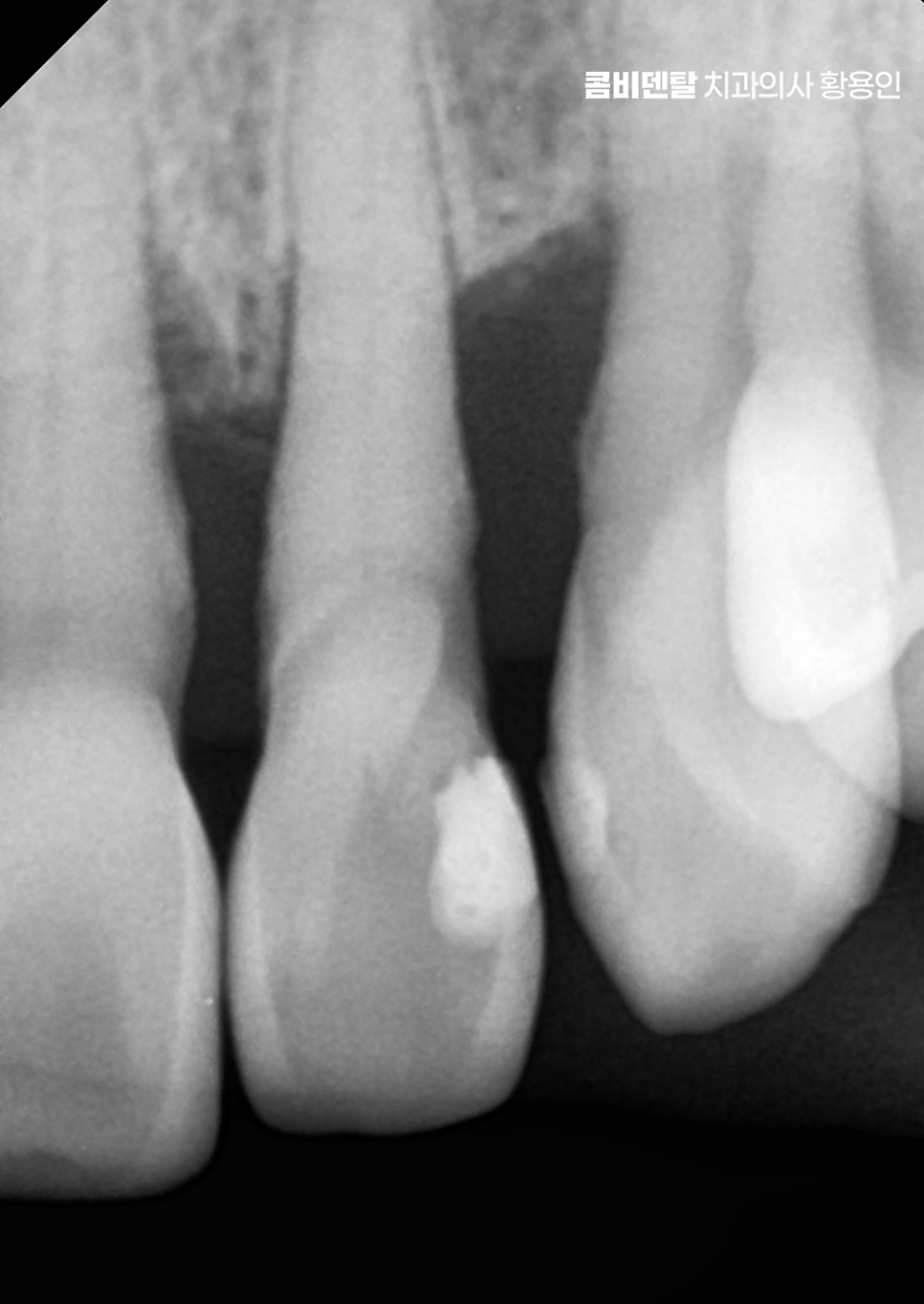
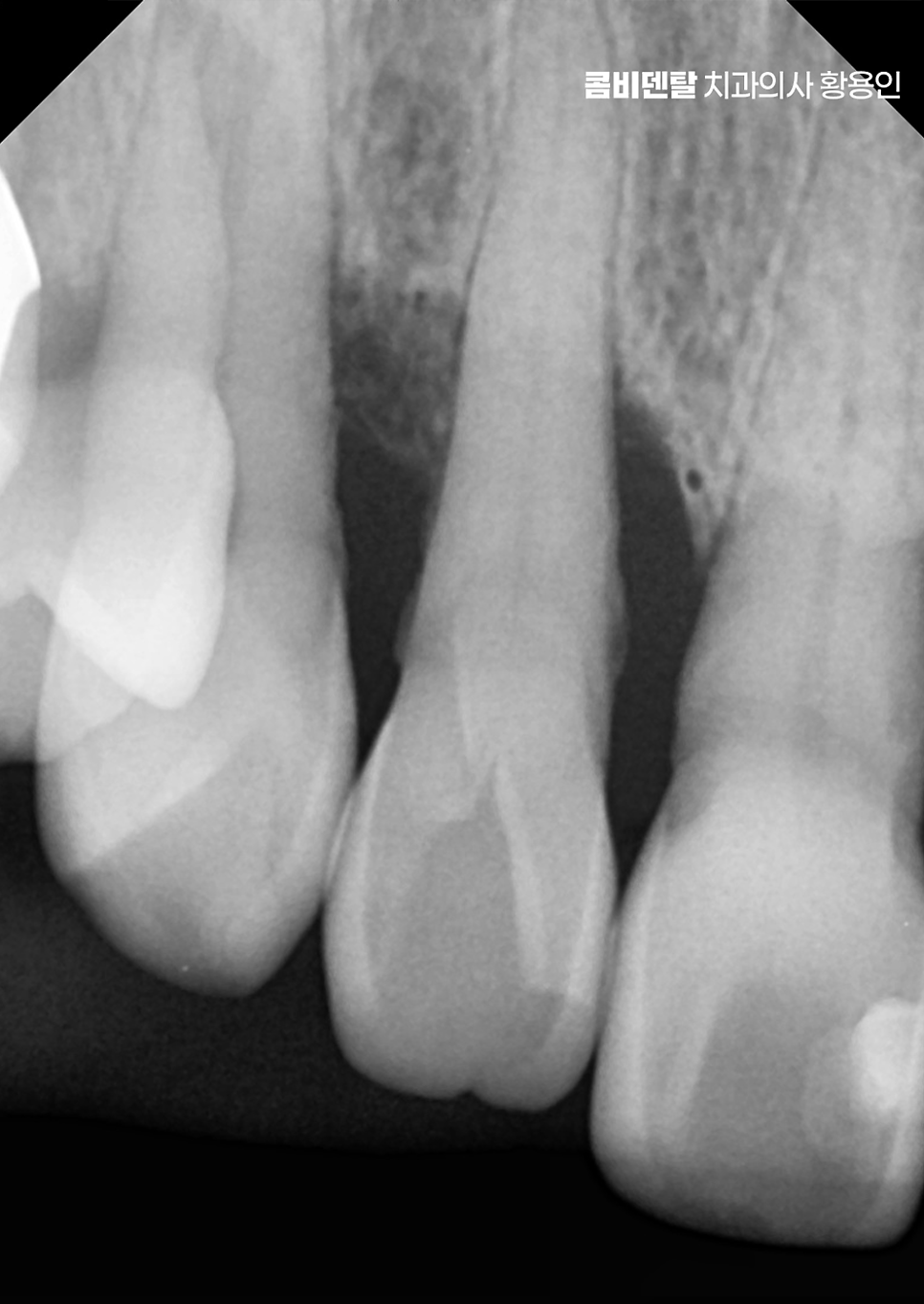
Another point to consider is the triangular space between teeth, known as the “black triangle.” When the gums recede due to periodontal disease, a triangular gap can form even if the teeth themselves remain in place. This gap is not only unattractive but can also cause food to get stuck repeatedly, so in some cases it may be necessary to combine prosthetic treatment appropriately where orthodontic or periodontal treatment alone has limitations.
Treatment for widening gaps between teeth should therefore proceed in stages, and because the treatment plan differs from person to person, defining the treatment goal and choosing a personalized treatment plan are more important than anything else. As mentioned earlier, many cases involve gum recession or dental misalignment caused by periodontal disease as people age, so maintenance after treatment can be especially important.
Periodontal disease is not a condition that ends with treatment. It is a chronic disease that can worsen again at any time if not managed, so even after treatment is finished, you need regular checkups and scaling to monitor the condition of the gums and bone. Areas that are difficult to care for with a toothbrush alone should be actively cleaned with interdental brushes, water flossers, or electric toothbrushes. In particular, people whose teeth once had gaps need focused care because the same areas have a higher chance of becoming inflamed again. You should also develop the habit of visiting the dentist right away to check even the smallest abnormal changes.
In short, it is difficult to approach widening gaps between teeth as only a cosmetic issue. Because the cause of the gap and the current condition differ from patient to patient, I hope you receive an accurate diagnosis and discuss it sufficiently with an experienced dentist so that the treatment plan can be carefully tailored to you.








 Previous image
Next image
Previous image
Next image





 Previous image
Next image
Previous image
Next image









 Previous image
Next image
Previous image
Next image







 Previous image
Next image
Previous image
Next image