At certain angles, my teeth were subtly noticeable, but I just let it pass, thinking, ‘Is this really a problem?’ Since I had lived like that since I was young, I had become used to it. I thought orthodontic treatment was something you did only when the teeth were obviously crooked or when crowding was severe. But strangely, as I got older, I could feel my mouth shape changing little by little, and I started to think that my upper lip did not lift well when I smiled. It gradually became uncomfortable to smile naturally. In particular, when I saw photos taken from the side, my lower jaw looked more prominent, and I slowly became aware that my overall facial balance was off. I also learned that an underbite is not just an appearance issue. There was a slight discomfort when chewing food, and as that accumulated, there were more and more days when my jaw joint would make a sound or feel stiff.
Many people generally think of orthodontic treatment as a way to improve tooth alignment, but for malocclusions such as an underbite, the main goals are often functional improvement of the teeth and changes in facial shape.
An underbite refers to a bite in which the lower teeth protrude farther forward than the upper teeth. Thinking of this as merely a problem with tooth alignment would be a mistake. An underbite is a complex issue influenced by the position of the jawbone, the direction of development, the angle of the teeth, and even the condition of the gums, so it is one of those orthodontic cases that must be planned with the overall facial balance and functional factors in mind. In that sense, it requires an individualized, customized approach from a comprehensive perspective.
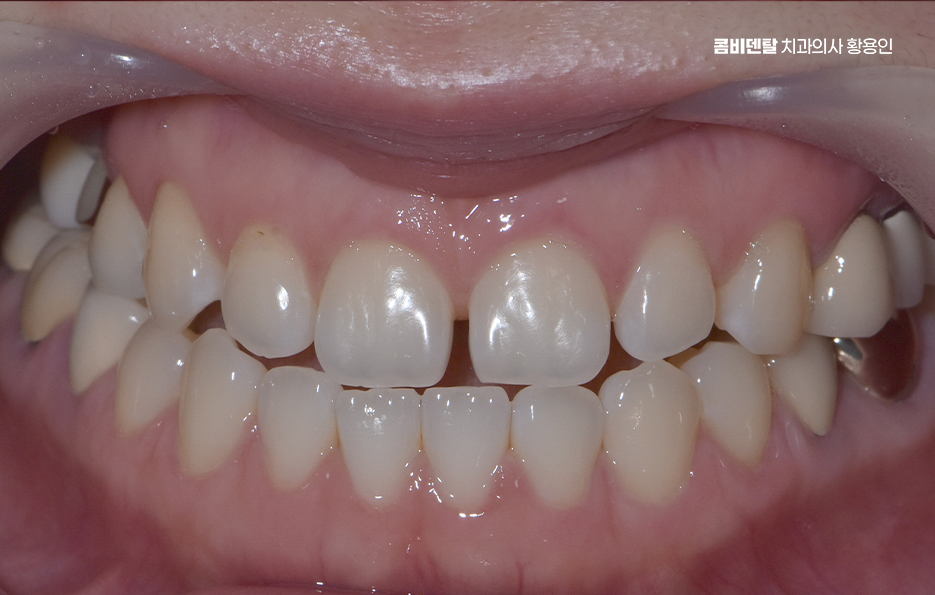
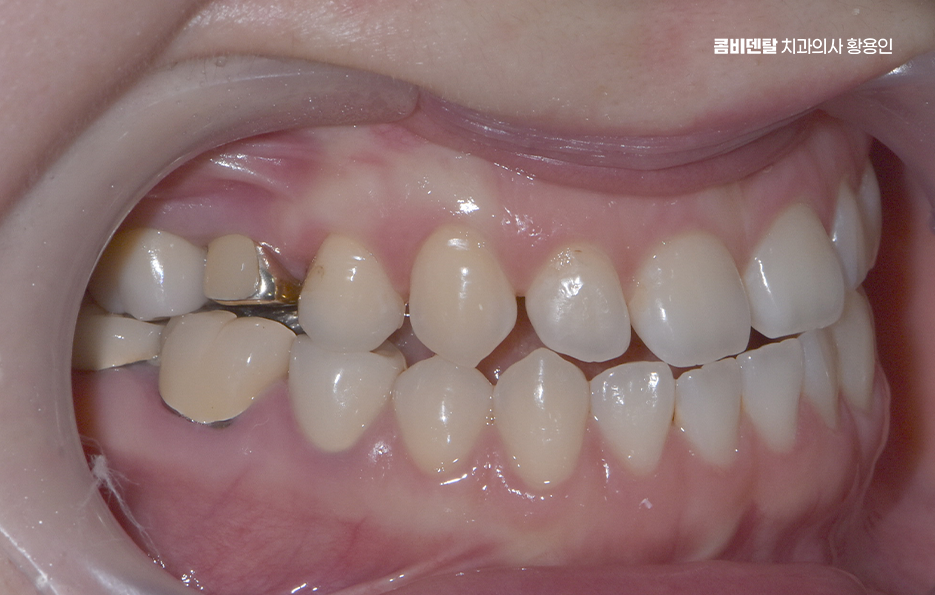
Usually, when someone has an underbite, the upper front teeth appear hidden behind the lower front teeth. This causes problems with chewing, makes pronunciation less accurate, and creates an esthetically prominent lower jaw, which often causes significant stress.
As children, this condition is often commonly called a "protruding jaw," and parents are often the first to notice it. But surprisingly, many people continue living with the issue into adulthood. In particular, after the 20s and 30s, jaw growth itself has stopped, but the bite alignment often remains the same or worsens, so improvement through orthodontic treatment can be felt more clearly. On the other hand, if left untreated, it can strain the jaw joint, accelerate tooth wear, and may even become a trigger for the collapse of the overall oral structure.
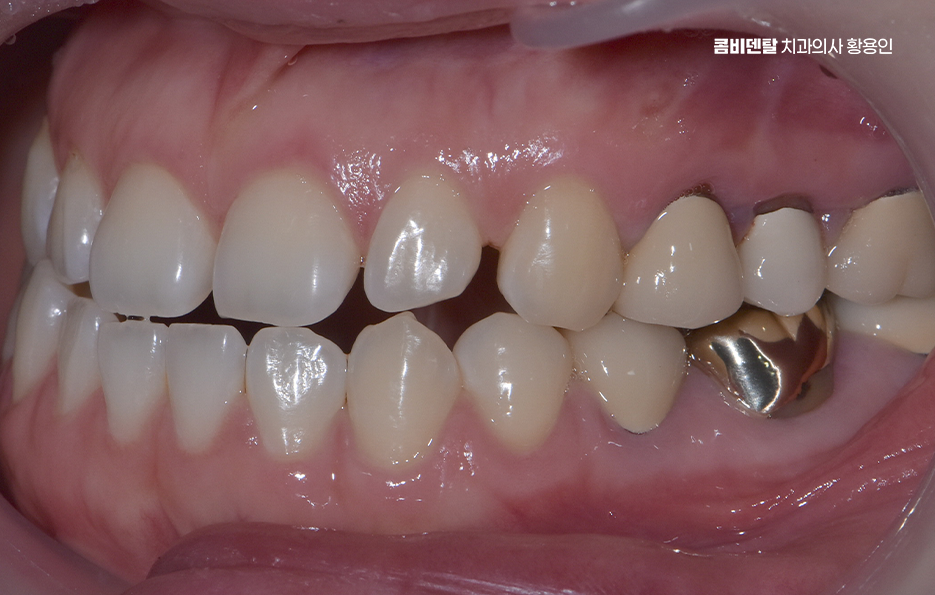
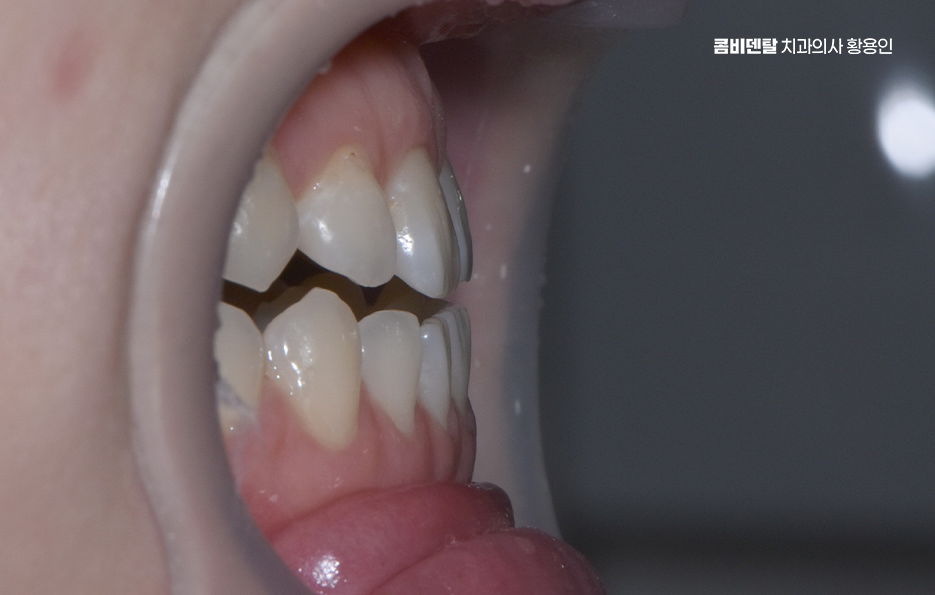
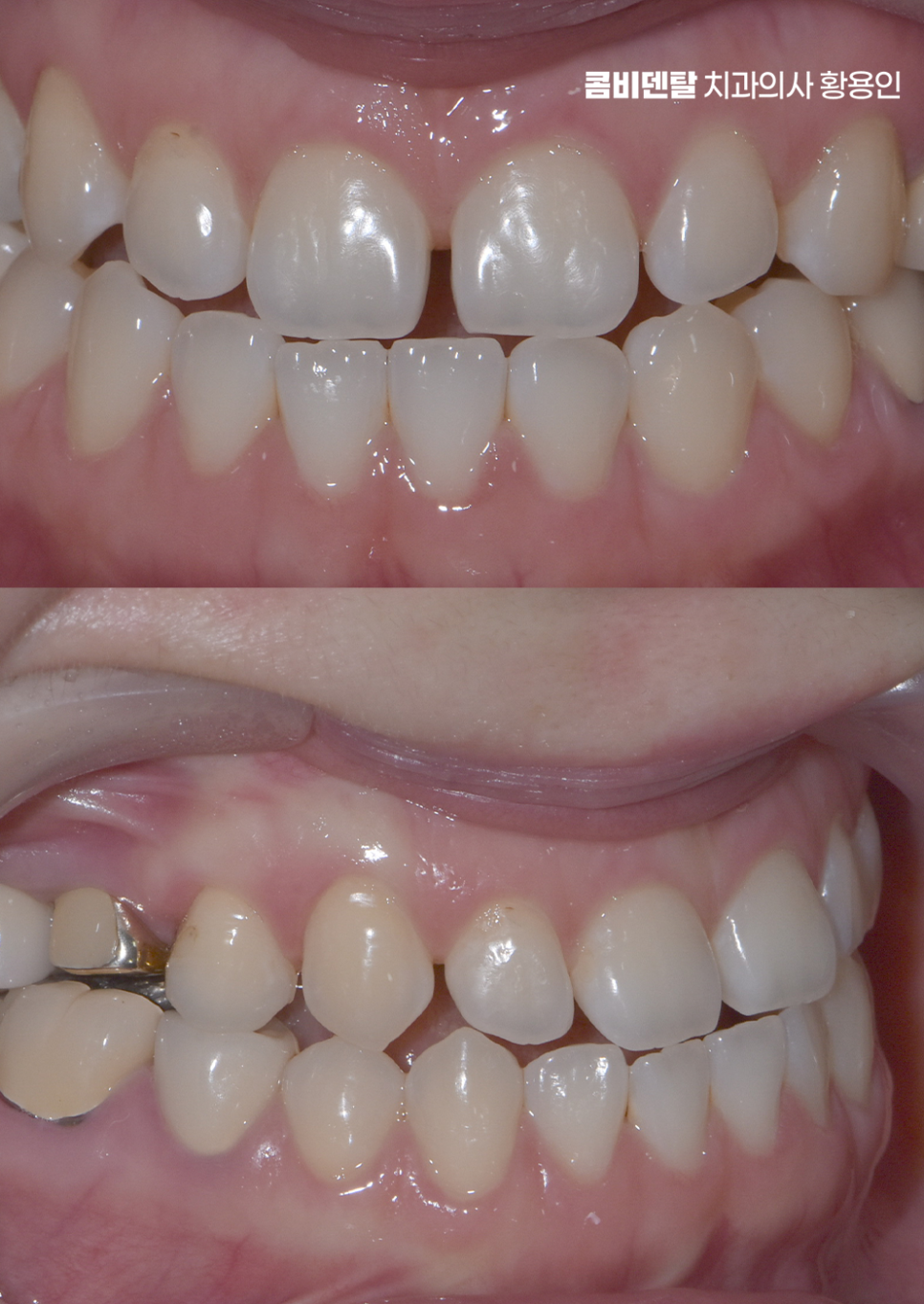
Underbite orthodontic treatment can be broadly divided into two methods depending on the current condition of the jawbones. The first is an underbite caused more by tooth alignment problems than skeletal issues. In this case, improvement may be possible with standard orthodontic appliances alone. Brackets are attached to move the teeth, and the lower teeth are shifted slightly backward or the upper teeth are moved forward to precisely correct the bite. Whether extraction orthodontics is needed can vary from person to person.
The second is a skeletal underbite caused by imbalance in the jawbone itself. In this case, simply straightening the teeth will not solve the problem, so for adults, orthognathic surgery and orthodontic treatment are often combined. In particular, when the lower jaw is overly developed or the upper jaw is significantly set back, the position of the jaw itself may need to be surgically realigned, and then the teeth aligned based on that correction.
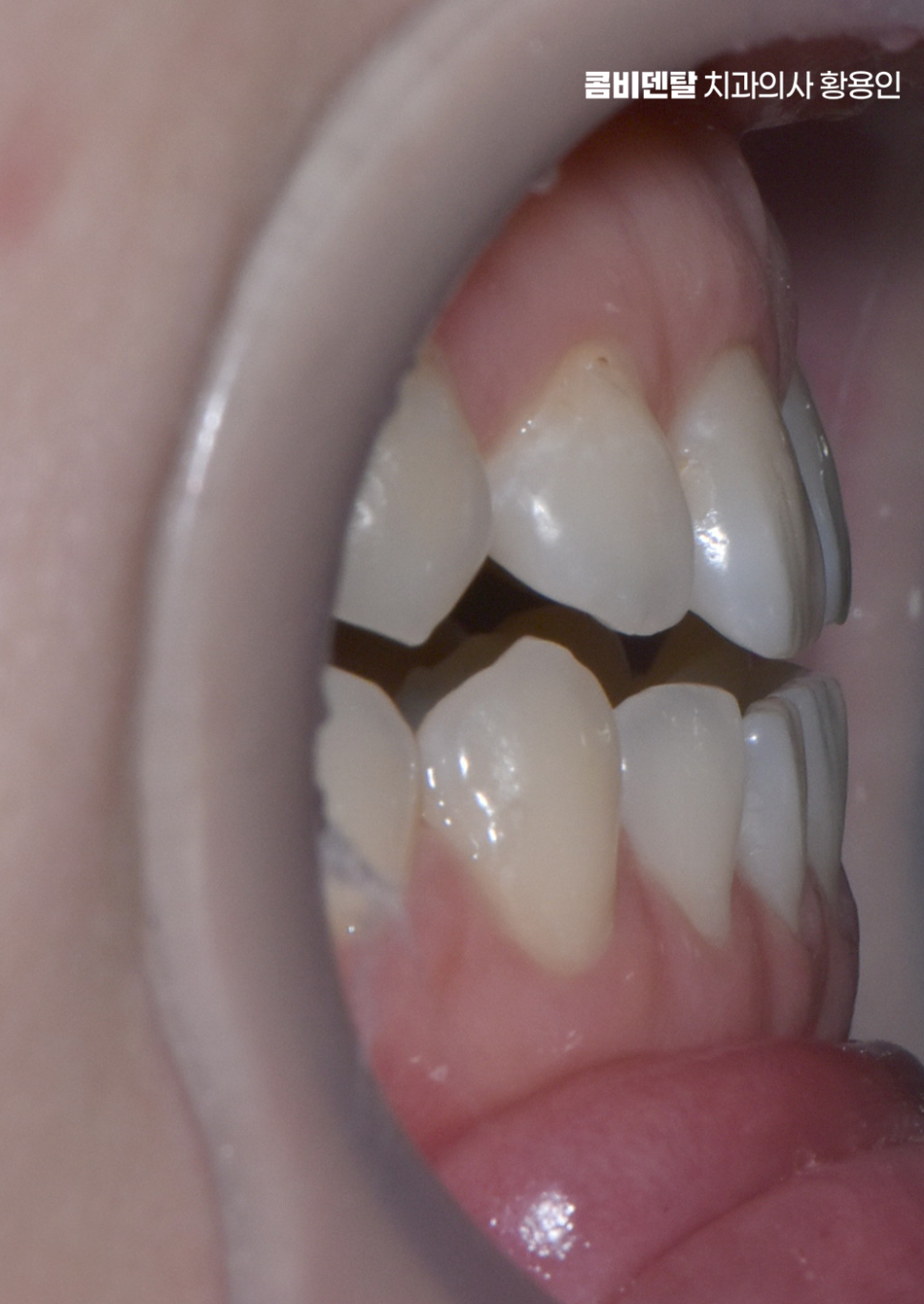
For underbite orthodontic treatment, the average treatment period is generally around 2 to 3 years. If the underbite is caused only by tooth alignment, it may finish sooner than that. However, if skeletal issues are involved or surgery must be combined, a longer treatment period should be expected. Since underbite cases require careful bite adjustment, delicate finishing work is important, and even after orthodontic treatment is complete, you must wear retainers diligently to prevent relapse.
In conclusion, an underbite is a problem directly connected to facial balance, jaw function, and overall oral health. That is why early diagnosis and a customized treatment plan are very important. In diagnosis, accurately determining whether your underbite is dental or skeletal, and whether surgery is necessary, is the starting point of treatment. You should make that judgment after thorough consultation with an experienced orthodontic specialist, and I hope you also carefully consider the dental clinic that will be with you from the beginning of treatment to the end.











Previous image
Next image





Previous image
Next image




Previous image
Next image







Previous image
Next image