I had long noticed that something felt uncomfortable about my molars. It was things like not feeling much force when chewing, developing the habit of chewing only in certain directions, or occasionally feeling a sharp, unpleasant pain when eating hot or cold food. My molars had been sending signals all along. But because I kept brushing it off as no big deal, it eventually came to this. Since I had already been somewhat aware of the problem in daily life, I remember that when I was told, “You need an extraction,” I went blank for a moment and could only nod absentmindedly. When I opened my mouth and looked at the area in the mirror, the empty space left by the missing tooth felt larger than I had expected, and the reality that there was now one side I could no longer chew on sank in. I had thought losing just one tooth would be fine, but that was a big mistake. Once the molar was gone, the effect of that gap on my daily life was greater than I had imagined.
In cases like this, when a tooth is lost, unlike a front tooth, a molar may not seem inconvenient right away, so some people think they can just endure it for a while and postpone implant treatment. But it is important to understand that the problems caused by not getting a molar implant are more complex than they might seem.
Because molars are the teeth that handle most of the chewing force in the mouth, it is easy to think, since they are not visible, that it is okay to leave them missing. In reality, though, losing even one molar can gradually lead to the function and structure of the entire dentition breaking down.
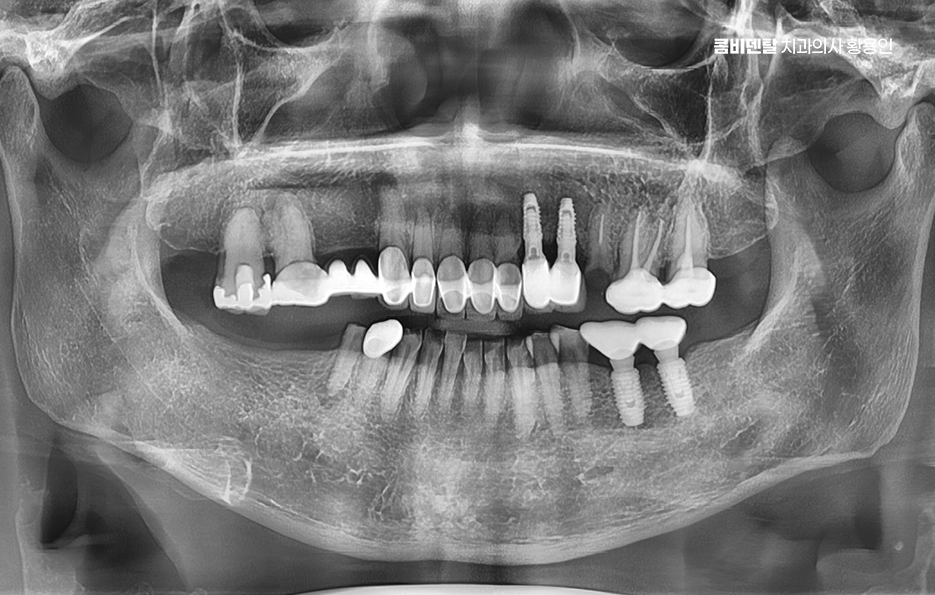
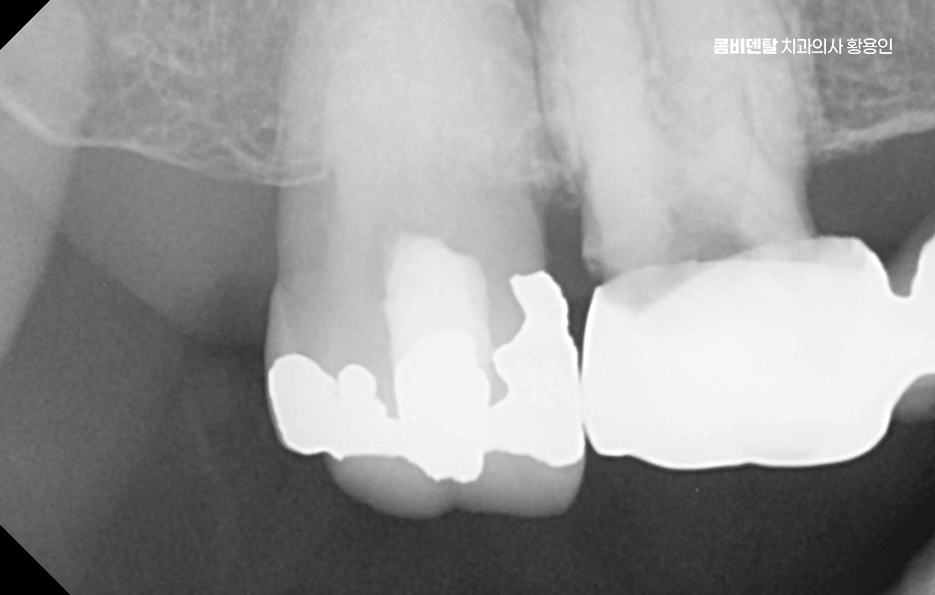
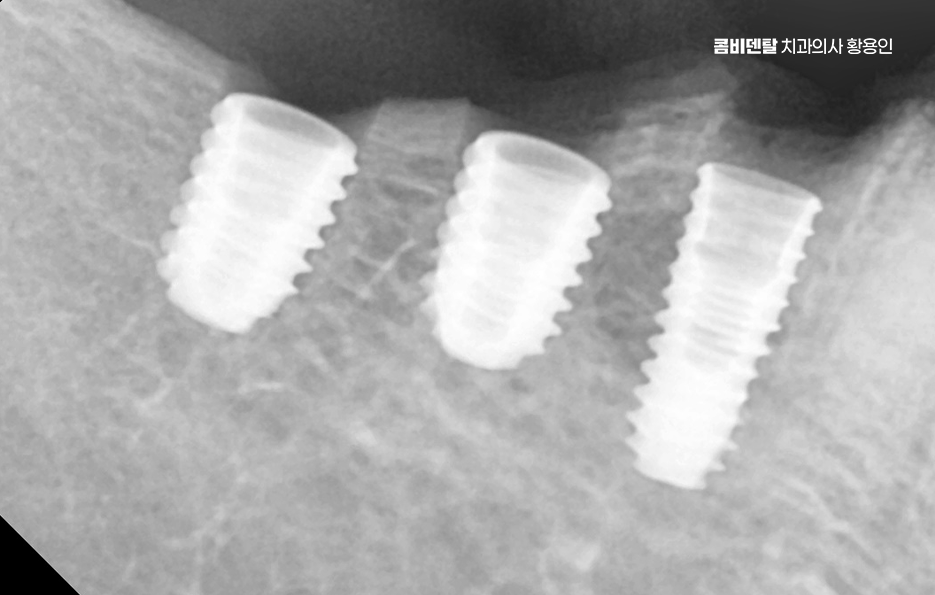
After a molar is lost, if you do not get a molar implant, the chewing force that had been borne by the missing tooth gets distributed to the adjacent teeth. As a result, those teeth can gradually tilt or shift, and eventually the bite with the opposing teeth becomes disrupted, throwing off the overall occlusion.
In addition, the opposing tooth can gradually move into the empty space, with the upper tooth descending or the lower tooth rising. This is called supra-eruption. In the end, the erupted tooth may have exposed roots, sensitivity, and later a sharp decline in tooth lifespan. So it is not something that can be dismissed as “it was only one missing molar,” because it can lead to a range of problems like this.
Another important issue if you do not get a molar implant is reduced chewing power. Since molars are the main teeth that crush and grind food into smaller pieces, leaving a missing tooth untreated for a long time can restrict food intake and even reduce digestive function. This becomes more noticeable with age. When a tooth hurts or is lost, people naturally avoid hard foods, and as the diet shifts toward softer foods, nutritional imbalance can occur, which may eventually affect overall health as well.
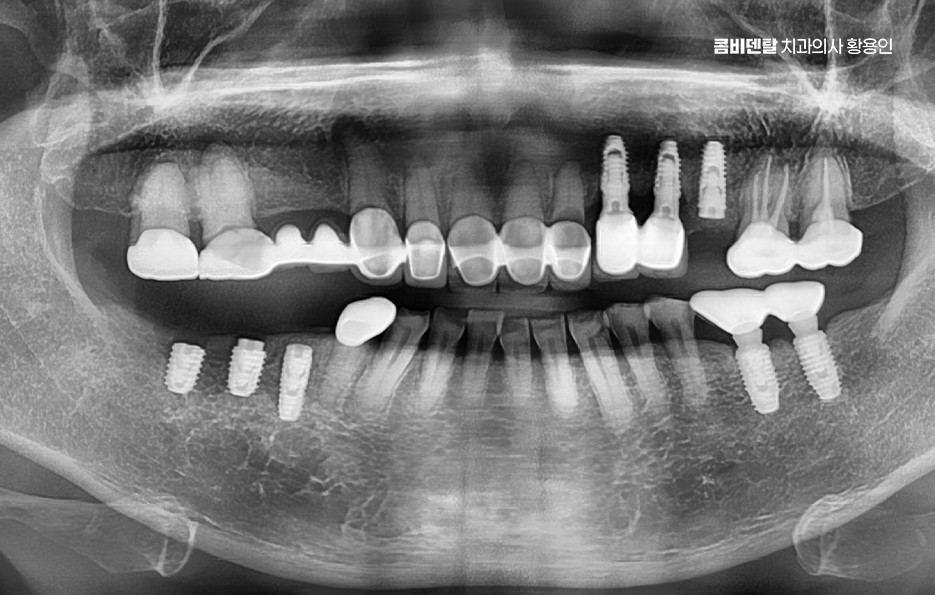
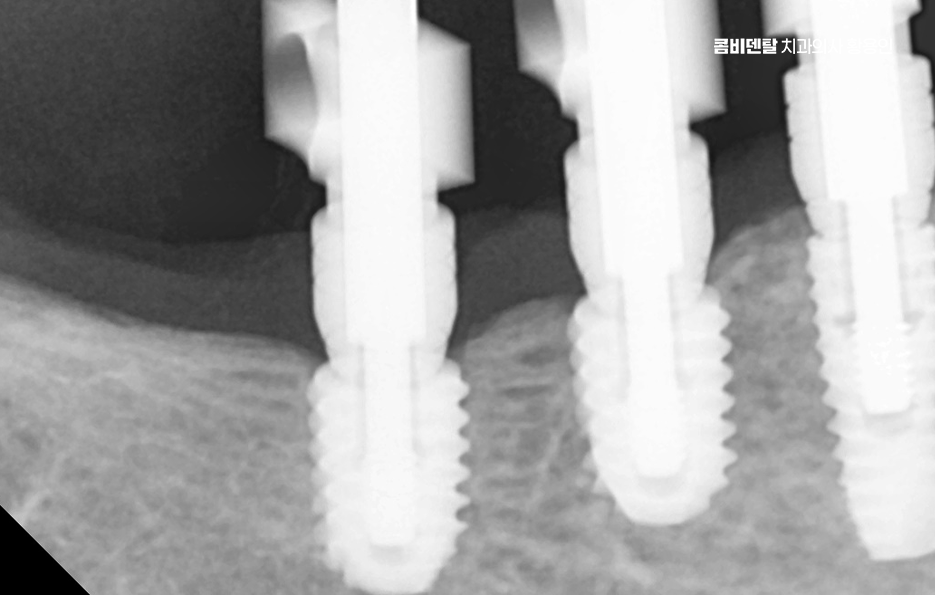
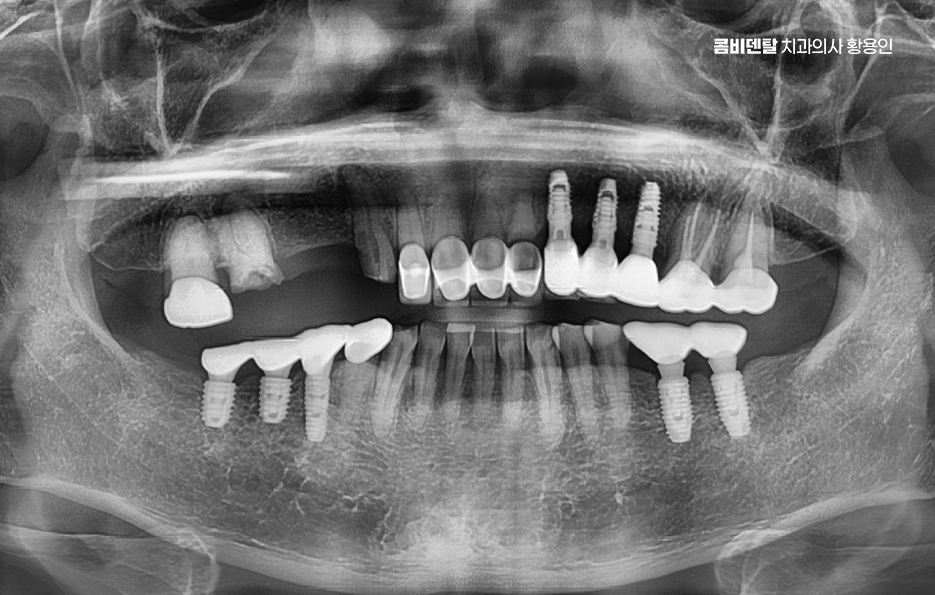
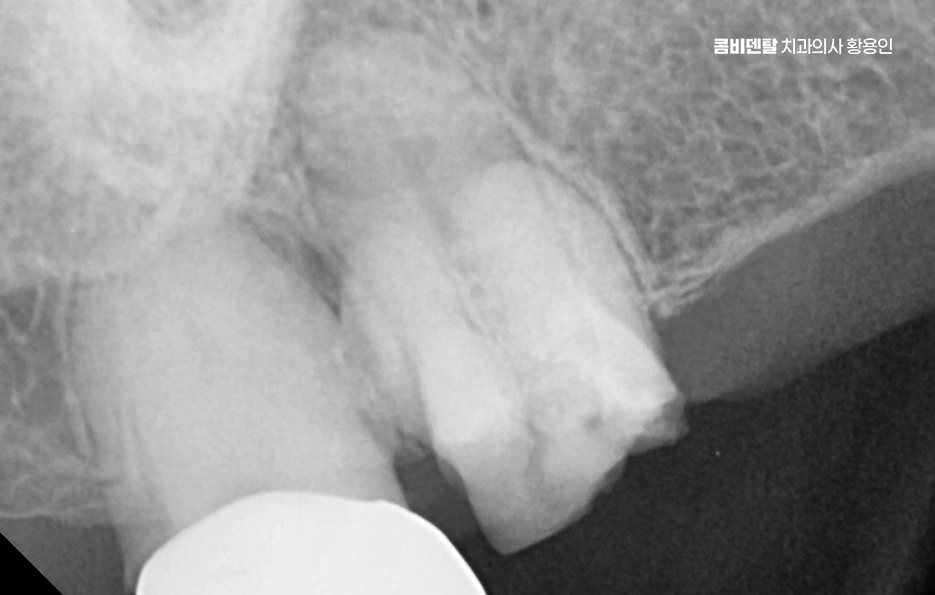
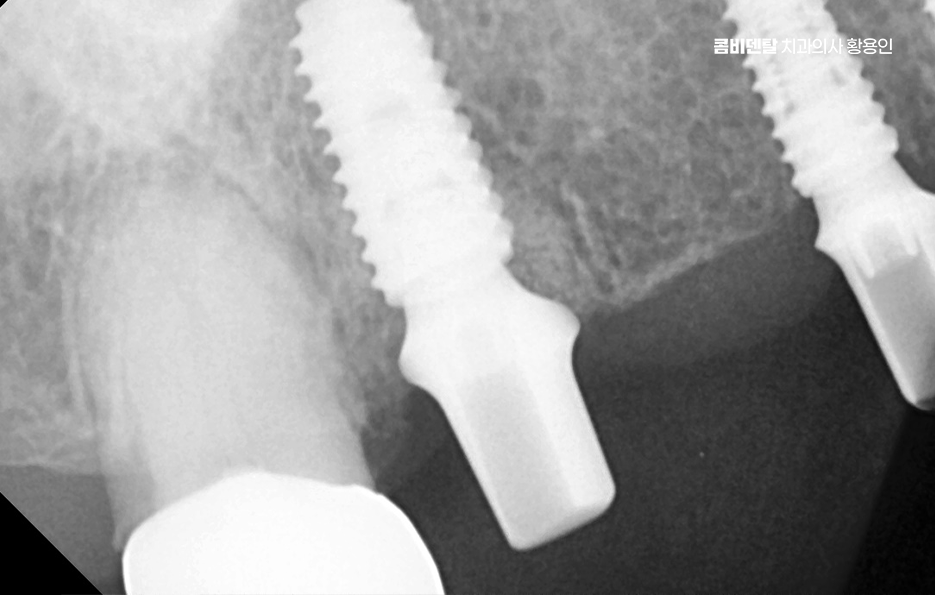
And if you continue using only the opposite side after losing one molar, repeated excessive force is placed on one side’s teeth, which can lead to temporomandibular joint pain, teeth grinding, and even headaches. So leaving a molar untreated is more than a matter of temporary inconvenience; it can become the starting point for reduced oral function and eventually losing more teeth.
The effective way to prevent these problems is implant treatment. When planning a molar implant, the first step is to precisely check the condition of the jawbone. A 3D CT scan is used to closely analyze the bone height, thickness, and the space available for implant placement. In the case of upper molars, there is an empty space called the maxillary sinus 바로 above, so after a tooth is lost, that space often descends and leaves insufficient room for implant placement. For lower molars, an important nerve called the inferior alveolar nerve runs through the area, so a plan may be needed to place the implant at the correct position and angle while avoiding the nerve.
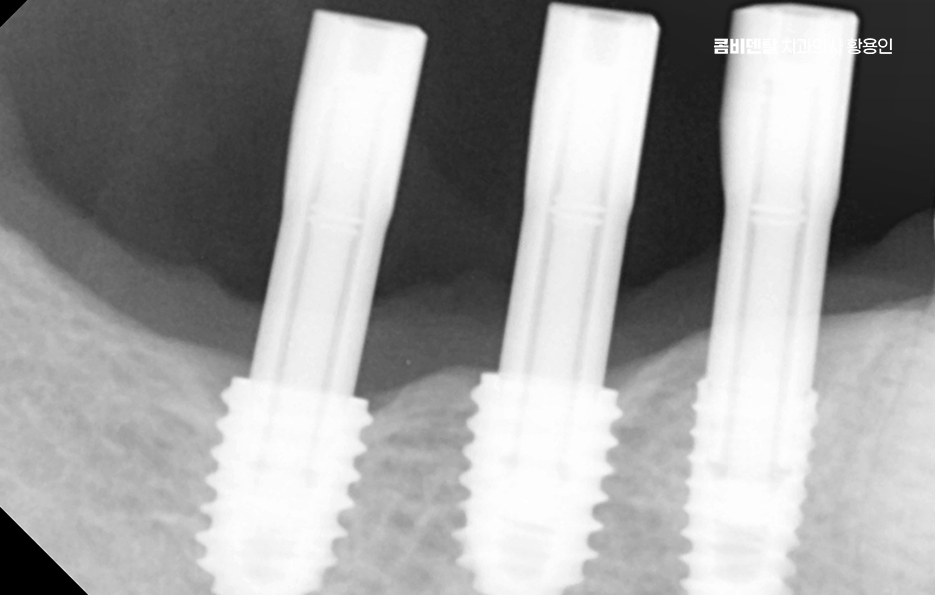
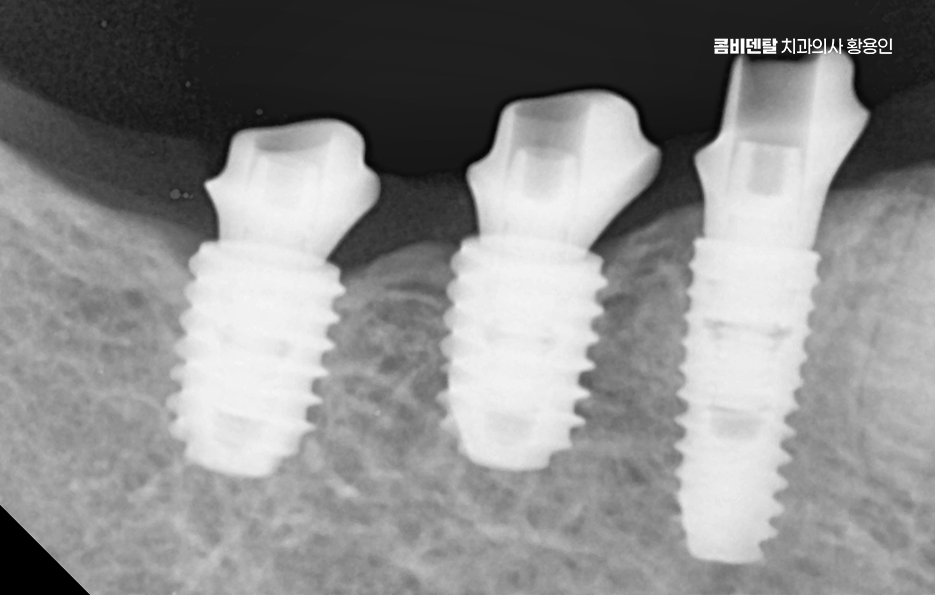
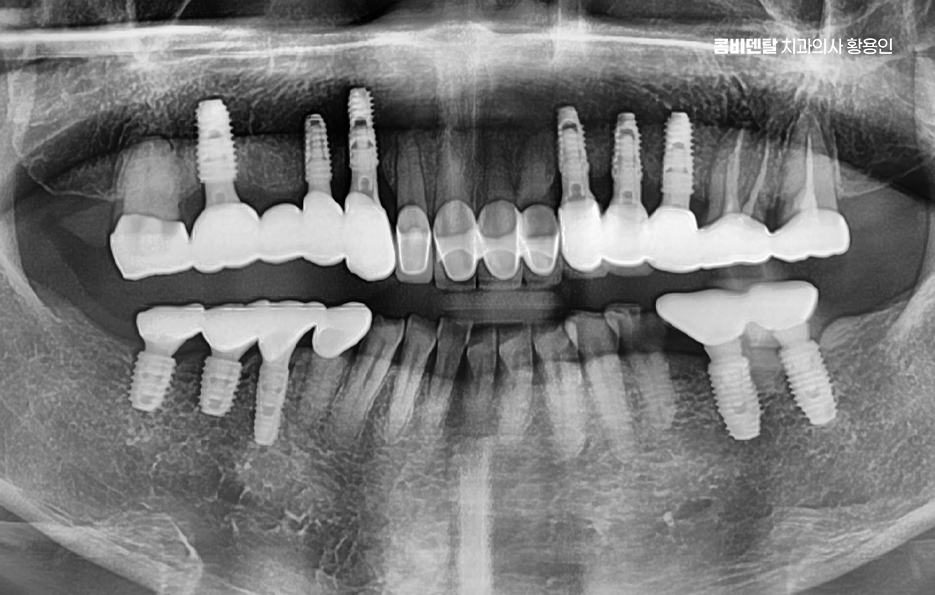
Because molars are prioritized for chewing function rather than appearance, they are designed with a durable structure. But treatment does not end once the procedure is finished. Ongoing maintenance, scaling, and hygiene habits to prevent peri-implantitis must always be part of care. In particular, since molars are located deep in the mouth, brushing is difficult and food tends to get trapped easily. Using a water flosser or interdental brush together with brushing is key to long-term treatment success and maintenance.
In conclusion, if a molar implant is not done and the tooth is left untreated, it does not remain just a problem for one tooth. It can affect the overall bite, the opposing teeth, and even jaw joint function and digestive health. For that reason, deciding on treatment as early as possible becomes a way to save more cost and time in the long run. Especially when there is still enough bone and the surrounding teeth are healthy, implant treatment often has a good prognosis and can be performed relatively simply without additional bone grafting or extra procedures. So after losing a molar, I hope you carefully consider implant treatment and set up your treatment plan without delay.






Previous image
Next image




Previous image
Next image



Previous image
Next image





Previous image
Next image