It was a long time ago that I received treatment with amalgam. It was probably not long after I became an adult, and I remember rushing to the dentist because of sudden pain. At the time, the cavity had progressed quite a bit, and I was told that if I delayed treatment, it could lead to root canal treatment, so I received a filling right away. Back then, the cost was relatively low and the treatment time was short, so I chose amalgam without much hesitation. At the time, I thought, “As long as it works, that’s enough,” and I did not consider the cosmetic side very much, so even when amalgam settled into my mouth, I don’t think I paid it much attention. But as time passed, my thoughts changed little by little, and especially over time, I began to feel tiny cracks forming in the amalgam area or a sense that the surface was lifting. At first, I brushed it off, thinking it might just be my imagination, but recently I have felt a subtle pressure every time I chew food, and when I drink cold beverages, a dull sensitivity spreads. It seemed like something was wrong. In particular, I felt that the tooth around the amalgam was slightly cracking or weakening, and my anxiety grew that leaving it like this might cause even greater damage.
There are many cases where old amalgam becomes worn out and problematic, leading to replacement. In fact, not only amalgam but all prosthetic restorations have a lifespan and a replacement cycle, so old restorations should be checked regularly and, if necessary, replaced or retreated without delay. This can be an important way to preserve natural teeth.
Unlike now, in the past, when people talked about cavity treatment, filling it with amalgam was almost standard. But now, with advances in materials and technology, things have changed. Still, many people have old amalgam restorations left somewhere in their mouths, and although they may look sturdy, old amalgam can hide troublesome problems inside.
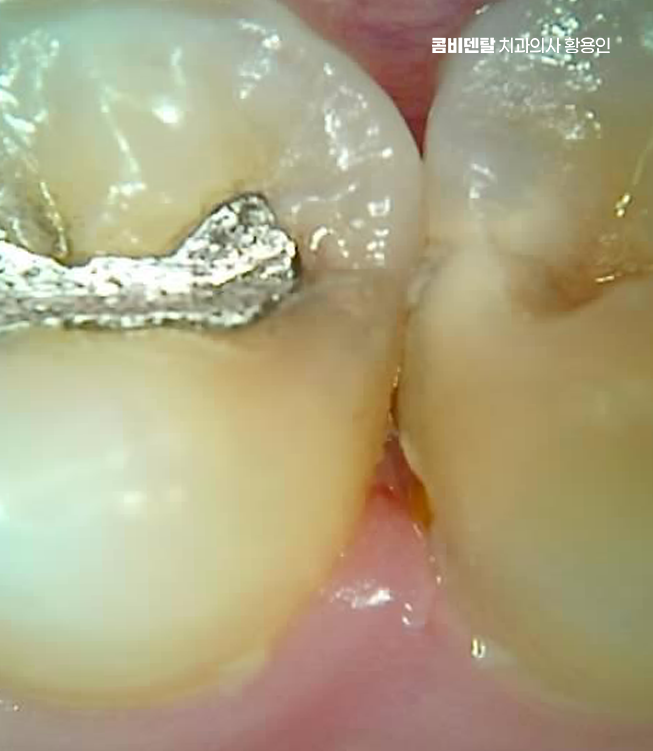
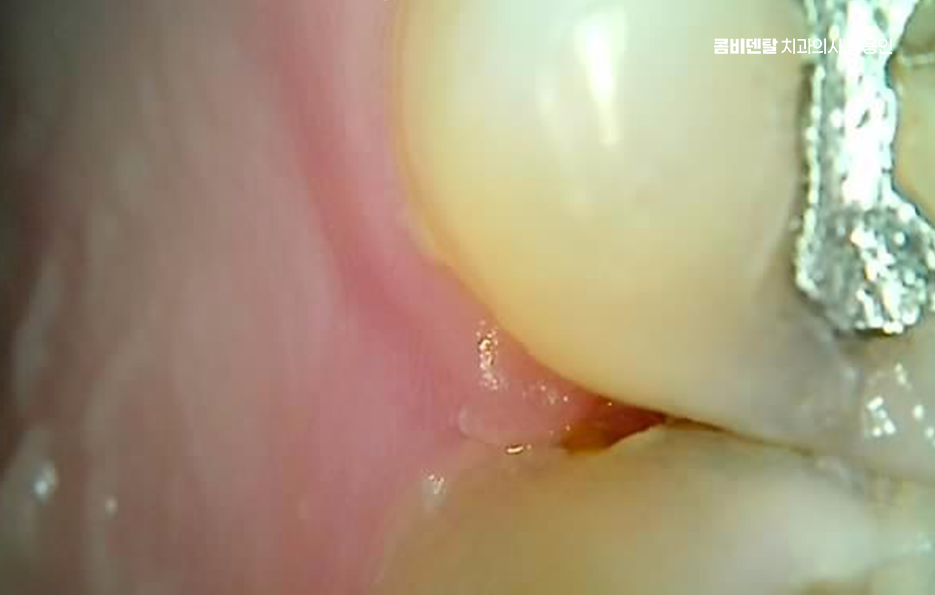
Amalgam is an alloy mixed with metals such as mercury, silver, tin, and copper, and it has been used for a long time because it is hard and highly durable. However, amalgam has the property of expanding very slightly over time.
At first, cracks form so small that they are not visible, and food particles and bacteria can enter through them, making secondary cavities more likely. In particular, amalgam placed in areas that bear strong chewing force, such as molars, can create tiny cracks in the tooth due to this expansion, and eventually the tooth may break or even suffer damage down to the root. For that reason, it may be necessary to consider retreatment with materials such as amalgam replacement resin before it is too late.
The second problem that can lead people to consider retreatment such as amalgam replacement resin inlays is discoloration. Teeth with amalgam can turn ash gray or gray over time, and the gums may darken or the entire tooth may appear dull in color. Even if it is a molar, if it is in a position that shows when you smile or speak, it will not look good, and in an era where aesthetics matter more, it becomes a reason to seriously consider retreatment.
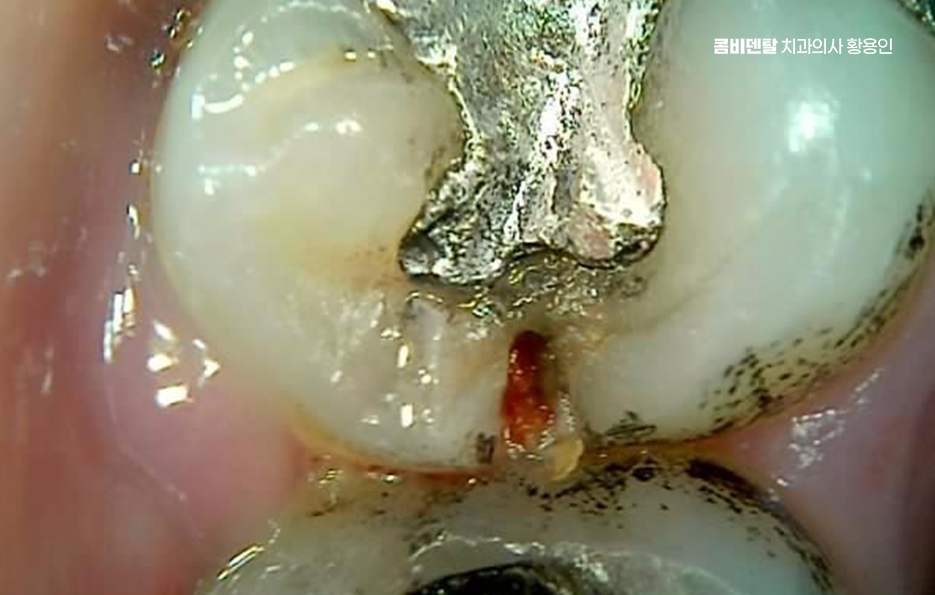
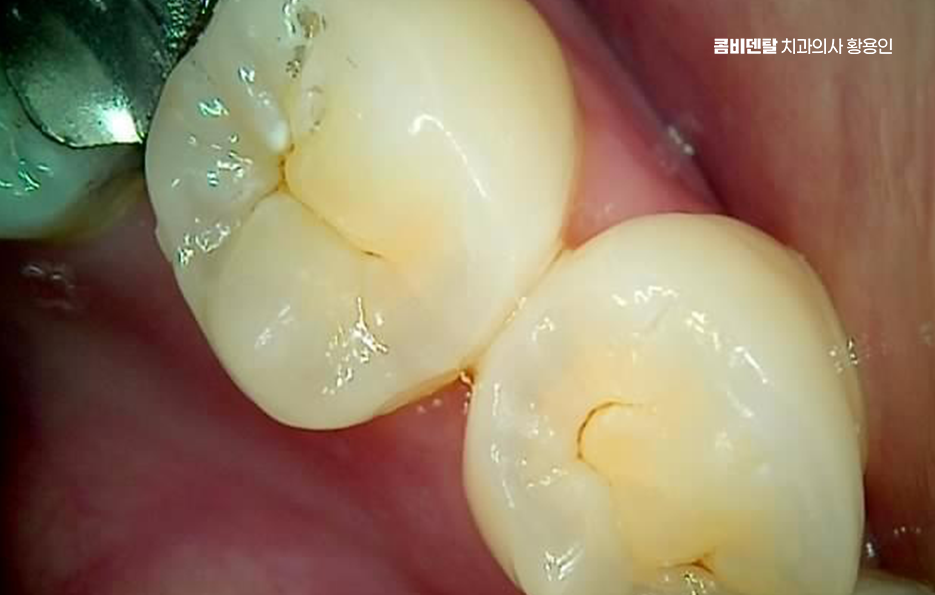
Next, amalgam can have a problem with marginal corrosion. Because its adhesive strength is relatively weak, over time the edges may lift or gaps may form at the contact area with the gums. These gaps can eventually become pathways for cavities to form again. Since decay hidden beneath amalgam is not easy to spot, it is often discovered late, and by the time it is found, it has often already spread to the nerve.
If you suspect these side effects of amalgam, it is good to remove it early and make a retreatment plan. Retreatment methods are broadly divided into three types, and the decision is made by comprehensively considering the degree and location of tooth damage, as well as cosmetic factors, in the order of resin, inlay, and crown.
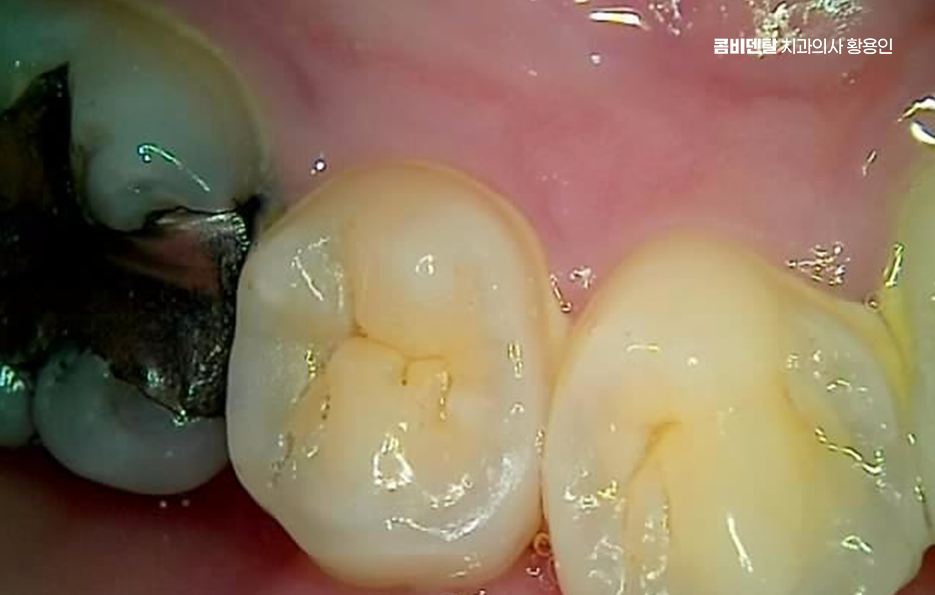
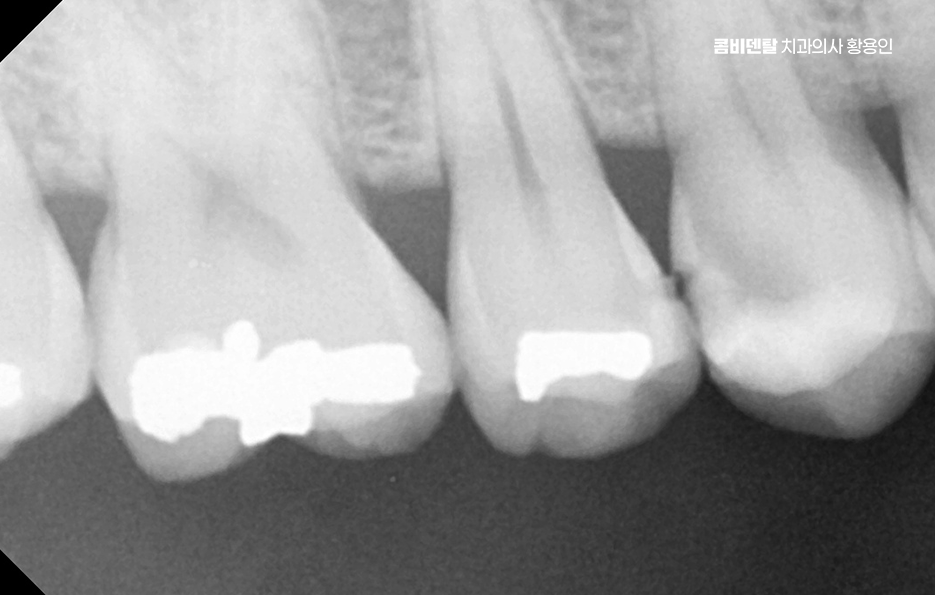
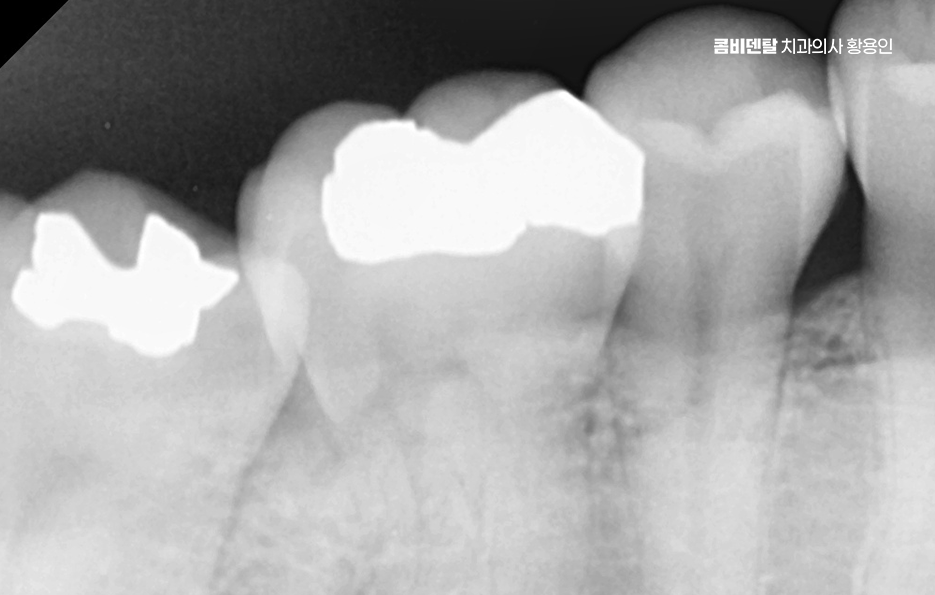
A simple retreatment method when replacing amalgam is resin. This can be chosen when there is minor decay left in the area where amalgam was removed, or when the damage is small. Resin is similar in color to natural teeth, so it is not noticeable, and it has strong adhesion, which allows it to fit closely to the tooth margin.
However, if the damaged area is too large or too deep, or if the tooth is in a high-pressure chewing area, its durability may be insufficient. In cases above a certain size, it may be necessary to consider an inlay or crown instead of amalgam replacement resin.
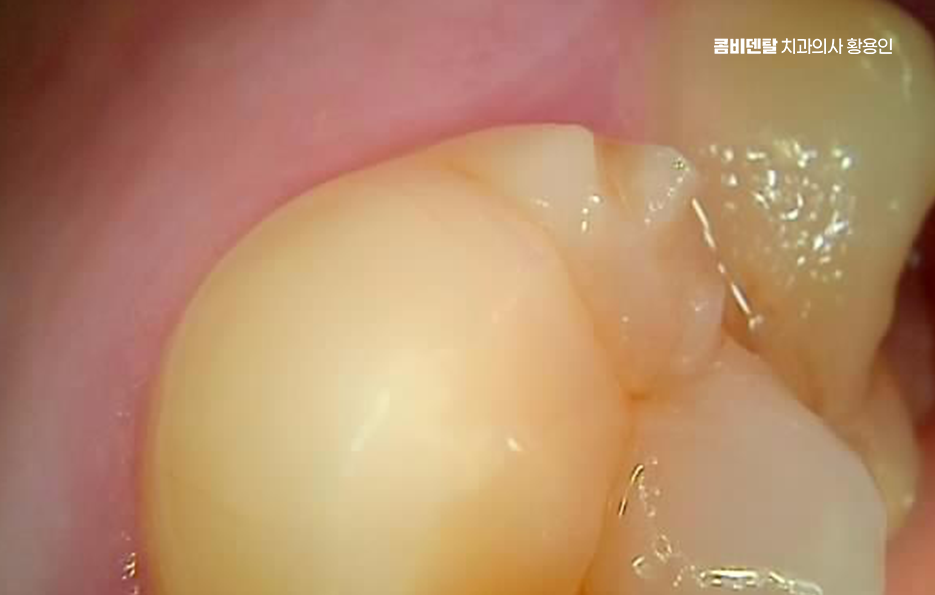
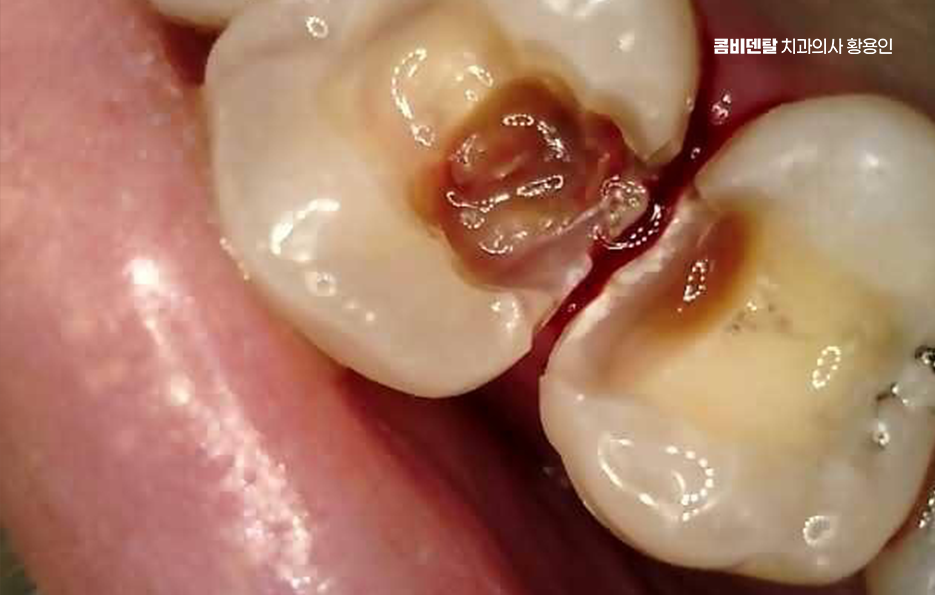
An inlay is a restoration made to fit inside the tooth. Unlike resin, which is filled directly inside the mouth, the tooth shape is precisely impressioned, a custom restoration is made, and then it is bonded in place. A crown covers the entire tooth. If microcracks have formed due to amalgam, or if the tooth has already broken and become structurally weak, a crown may be needed. If the situation could lead to root canal treatment, it may progress to crown treatment as well. Therefore, when retreating an amalgam-restored tooth, preserving the remaining natural tooth structure as much as possible can be a way to finish with a relatively simple treatment.
In conclusion, old amalgam should be considered a treatment that can cause problems over time. Because various issues can appear, such as invisible cracks, hidden secondary decay, and dark discoloration of the tooth, it is important not only for amalgam but for all old restorations to undergo regular checkups and be replaced without delay when necessary. Preserving natural teeth means taking good care of restorations as well, and I hope you will remember that this is an important point.










 Previous image
Next image
Previous image
Next image










Previous image
Next image









Previous image
Next image










Previous image
Next image