When I was younger, my canine tooth felt like a bit of a highlight, and I didn’t have any particular complaints about it. In fact, I thought it looked cute when it stuck out a little as I smiled, so I lived without paying much attention to it functionally, too. But my thoughts changed one day when I discovered a small crack in that canine tooth. At first, it was just a passing discomfort, and when I looked in the mirror, there didn’t seem to be anything visibly wrong, so I brushed it off, thinking maybe I was just tired or had gotten a slight impact from chewing something hard. But as time went on, a strange sensation started to develop around that canine tooth, and especially whenever cold water or sweets touched it, the sharp sensitivity became more frequent, making me realize it was not a simple issue. I couldn’t tell exactly when or why the damage had occurred, but one thing was clear: that canine tooth had been doing a lot of work all along. Compared with other teeth, its root is deeper, and since it plays an important role in maintaining balance near the corner of the mouth, it bears a lot of force during biting and chewing. I only later learned that when minor damage accumulates to that extent, it can eventually lead to fracture or cracks. However, because the tooth structure had already become weakened, I needed a canine crown. Since the canine is one of the teeth that is very visible, it wasn’t easy to accept the idea of shaving it down and covering it, and I also worried that it might change the overall impression of my face.
Because damage to a canine tooth tends to be in a relatively noticeable area, aesthetic treatment is just as important there as it is for the front teeth. So if crown treatment is needed, a treatment plan that considers both aesthetics and function can be important.
The canine is a tooth that plays a more important role in the mouth than many people expect. Functionally, it acts as a bridge connecting the front teeth and the molars, and it exerts significant force when cutting and chewing food. Aesthetically, too, it is positioned in a place that affects the impression of the face, so when a problem occurs, the treatment method must be chosen carefully.
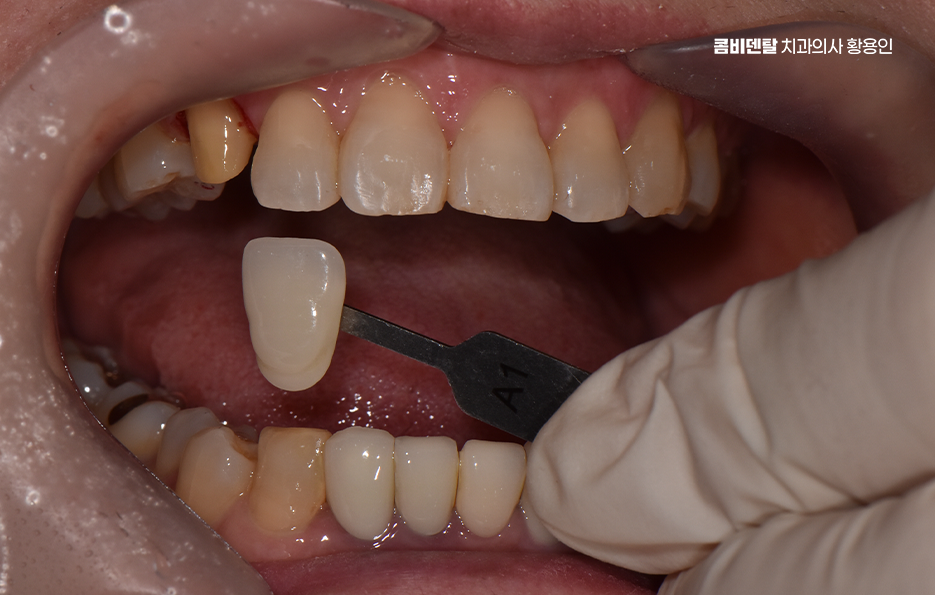
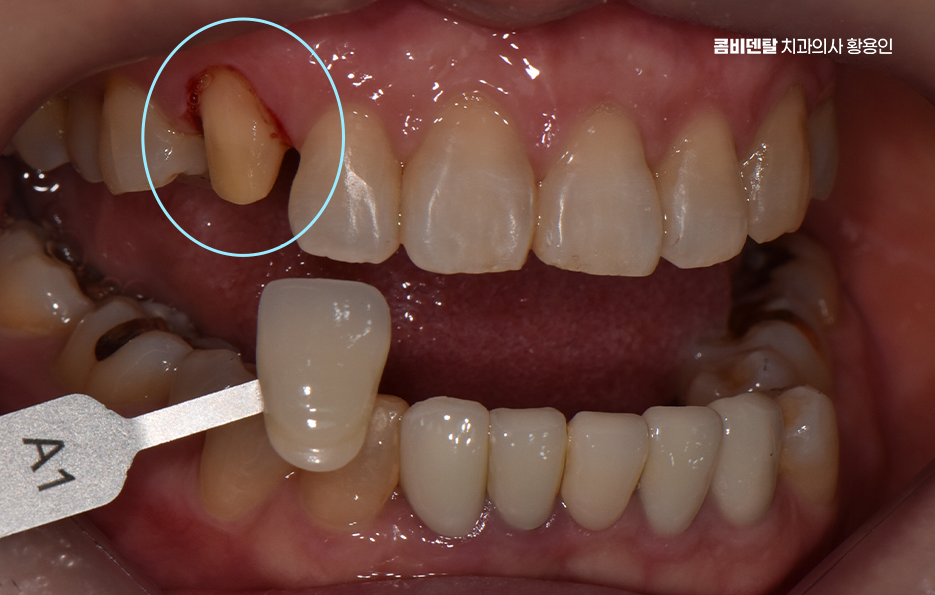
Especially when a canine crown is needed, it is important not to think only about restoring function, but also to restore the shape and color naturally. In such cases, the appropriate method is an aesthetic treatment using an all-ceramic or zirconia crown.
Crown treatment is a prosthetic treatment used to protect a tooth and restore its shape when the tooth has been significantly damaged, or when it has become weakened after root canal treatment. In simple terms, it is a treatment where the entire tooth is covered with a prosthesis, and because front teeth such as canines need to be made so that the restoration does not show, material selection is important. That is why materials such as all-ceramic and zirconia are commonly used.
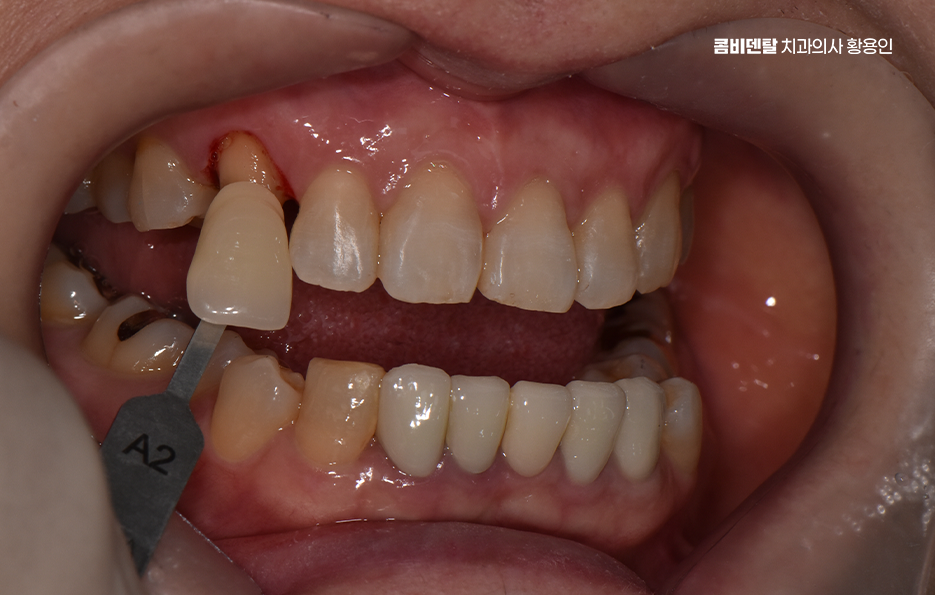
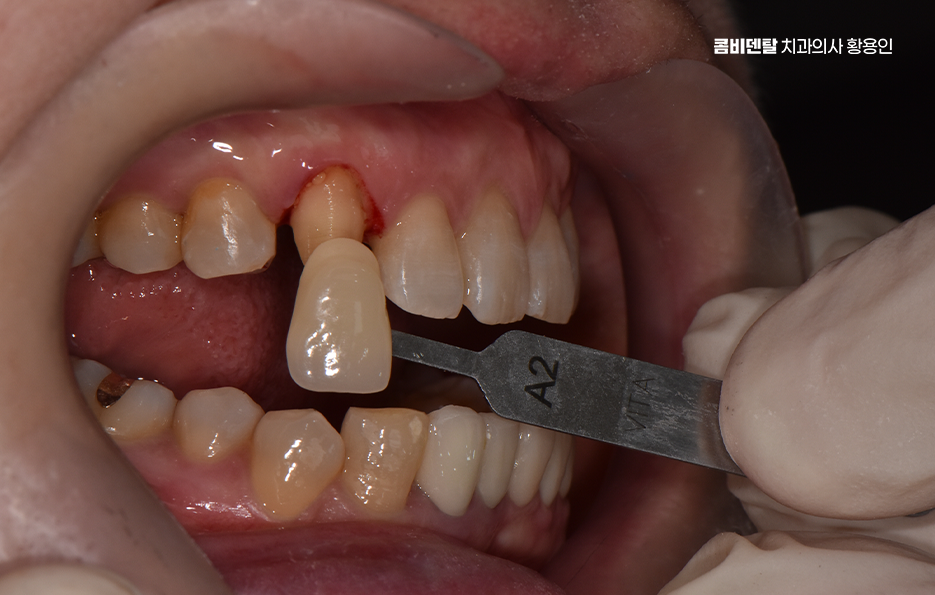
An all-ceramic crown is, as the name suggests, a crown made entirely of ceramic material with no metal at all. Because it is made only from pure porcelain without metal, its light transmission is very similar to that of natural teeth, and it can recreate the translucent feel of a tooth. In particular, teeth like canines, which are easily visible under sunlight or fluorescent lighting, require a natural response to light. All-ceramic is a material that shows excellent aesthetics in this respect, and when speaking or smiling, it blends in naturally enough that it can make the presence of a prosthesis almost unnoticeable. That is an aesthetic advantage for canine crowns.
However, when the remaining tooth structure is insufficient, durability is also important, so zirconia with high strength is often chosen. These days, there is also an increasing choice of hybrid all-ceramic crowns that combine the advantages of all-ceramic and zirconia.
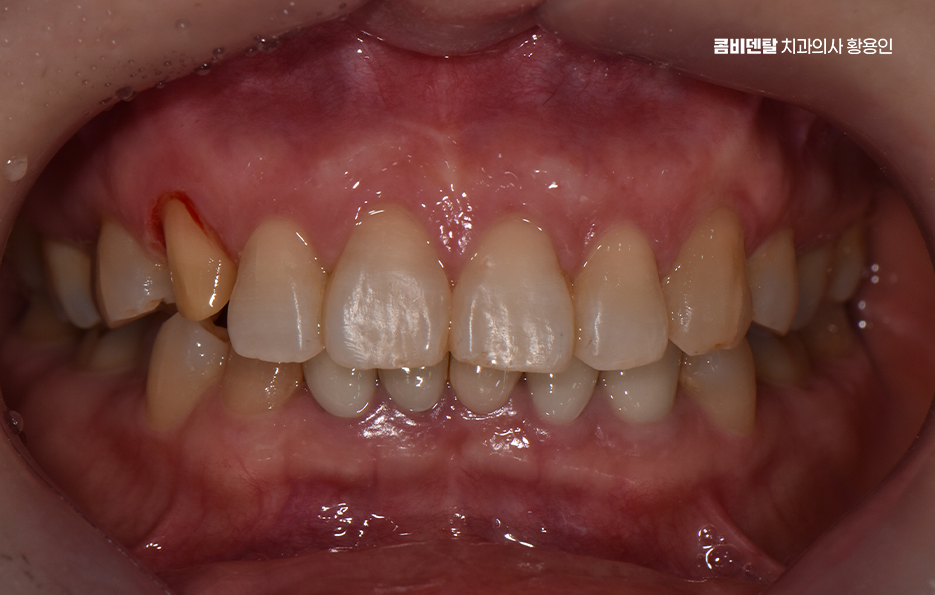
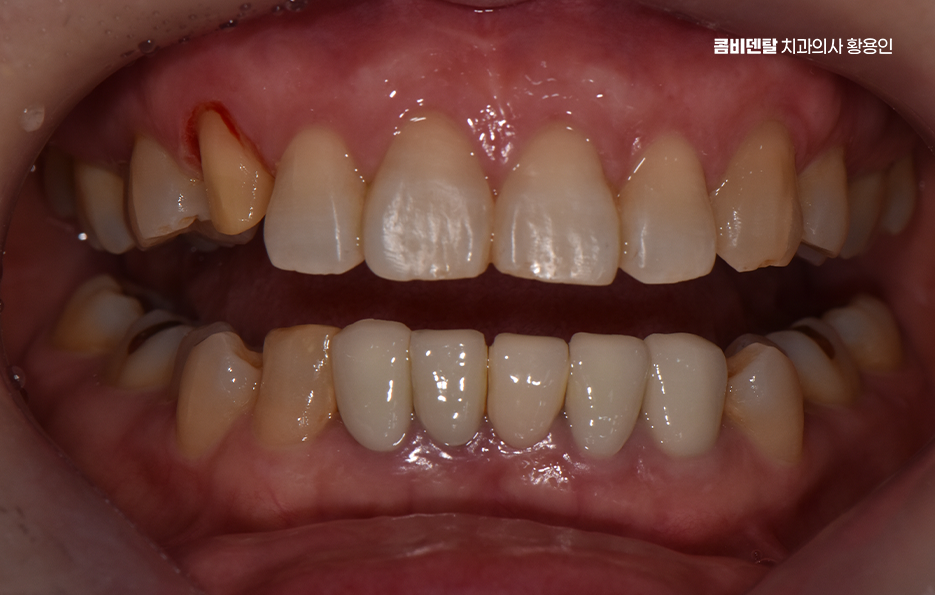
Cases where a crown is needed on a canine tooth usually involve deep decay, a fracture from trauma, or a tooth that has already undergone root canal treatment and has become weakened, creating a risk of fracture. When considering canine crown treatment, it is very important to analyze the cause of the tooth damage well, so that a similar problem does not recur. Even if you receive good treatment, if the same problem happens again quickly, the lifespan of the natural tooth can be shortened that much faster.
Of course, the treatment process itself is also important. No matter how good the material is, if the impression is taken incorrectly or too much tooth structure is removed, the tooth’s lifespan can be shortened further and the result may not look natural. Since canines have long roots and a unique root direction, delicate and precise treatment is important, so working with an experienced dentist is also an important factor.
Another point to consider for a natural result in canine crown treatment is harmony with the gums. For example, prostheses such as PFM with metal can develop dark discoloration along the gum margin over time, but all-ceramic contains no metal at all, so this problem does not occur. It is also a body-friendly material, so it causes almost no gum irritation. Canines are located in an area that comes into frequent contact with the lips, so the gums tend to be sensitive, but all-ceramic forms a stable harmony with the gums as well, which is an advantage in that it can maintain a healthy condition even over a long period of time.
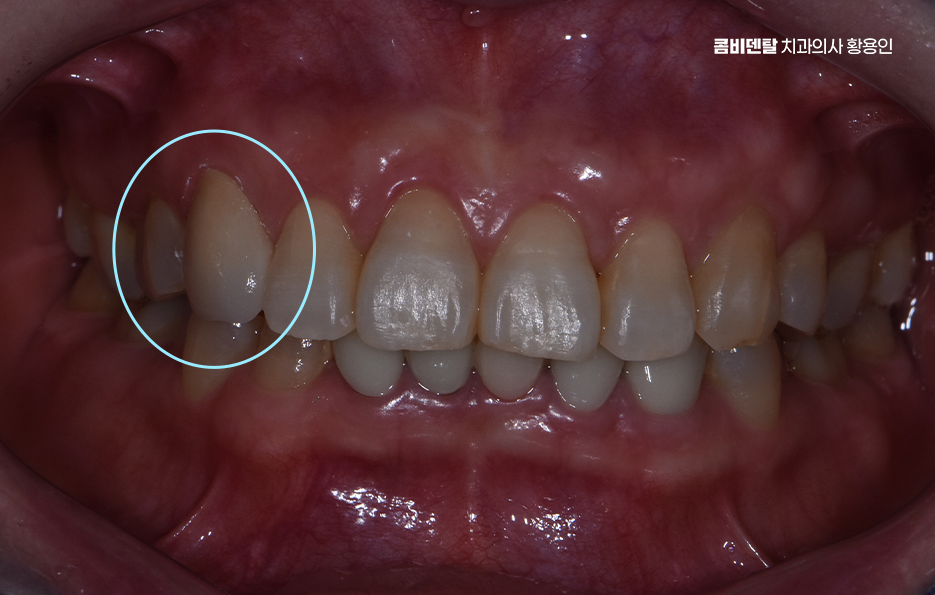
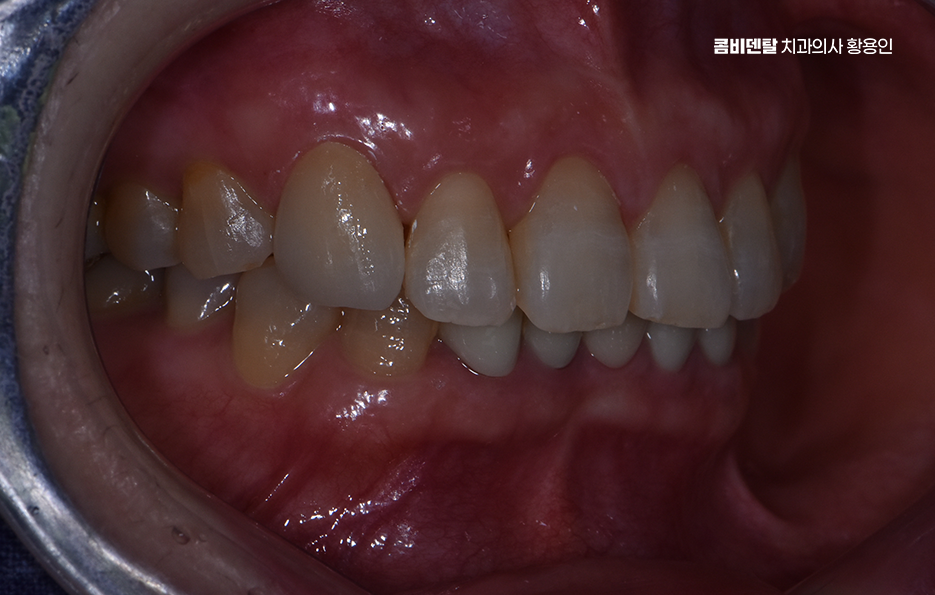
Lastly, when considering canine crown treatment, long-term stability and lifespan should also be taken into account. Ceramic crowns are highly durable, but care should be taken regarding the possibility of chipping. A crown is generally expected to last about 10 years, but depending on how well a person cares for it, that period can become shorter or longer. So I hope you understand and practice regular checkups to manage the lifespan of the prosthesis well, because that is directly connected to the lifespan of the natural tooth as well.
In summary, if you are thinking about canine crown treatment, it is a tooth that naturally shows when people talk, smile, and express emotions, so a more refined treatment is needed. The treatment itself is important, but if the natural tooth has already been damaged enough to require a crown, I hope you will also make sure to identify the cause and prevent recurrence so that no additional problems progress.







 Previous image
Next image
Previous image
Next image






 Previous image
Next image
Previous image
Next image









 Previous image
Next image
Previous image
Next image









 Previous image
Next image
Previous image
Next image