At first, I didn’t even realize that nasolabial folds had started to appear. I just thought that as I got older, my face would naturally change little by little, and I brushed it off as normal for wrinkles to gradually show up here and there. But one day, I suddenly felt that just that one wrinkle was making my whole impression look completely different. So I tried changing my skincare, did some massage, and looked up information about fillers, but no matter how much I touched my face from the outside or added volume, I didn’t feel like my face was actually changing. Then, by chance, I heard that protruding mouth correction could improve nasolabial folds. At first, I wondered what that had to do with anything. I thought it didn’t make sense that simply bringing the mouth back a little would reduce wrinkles, but for people whose mouths were protruding more than they realized, as the mouth moved back, their overall facial impression became softer, and especially the nasolabial folds looked noticeably less pronounced.
Among those considering orthodontic treatment, there are many who set their main treatment goals around facial changes such as protruding mouth.
A protruding mouth is not simply a case of the teeth sticking out. It affects the impression of the entire face, and a side view that makes the mouth look prominent, tension in the chin when closing the lips, and lips that lift excessively when smiling can go beyond a simple aesthetic issue and even cause functional discomfort.
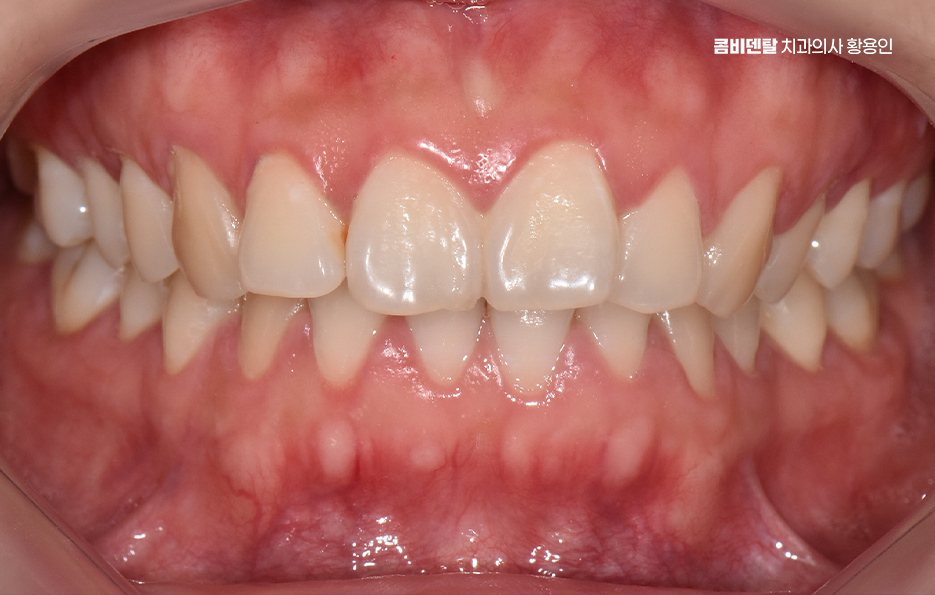
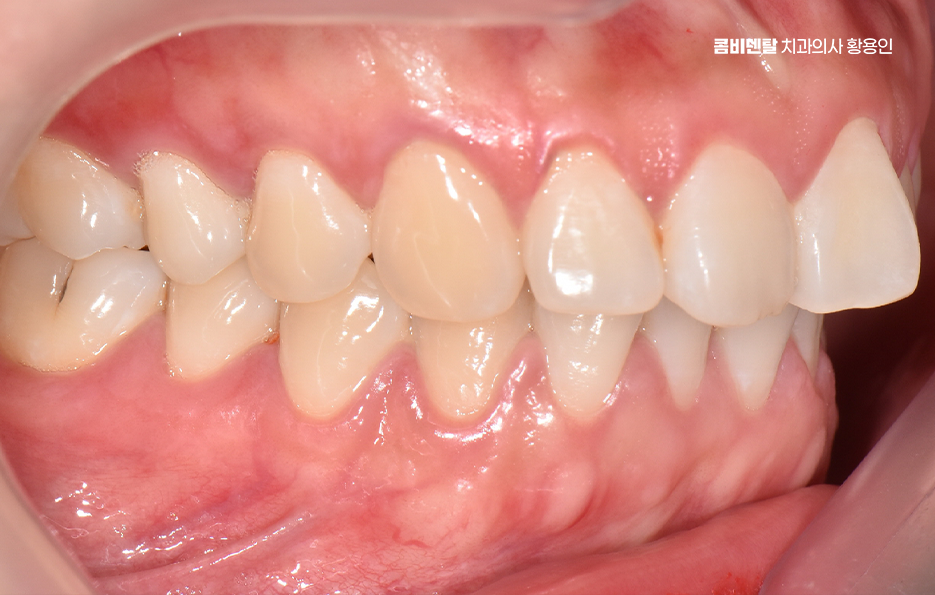
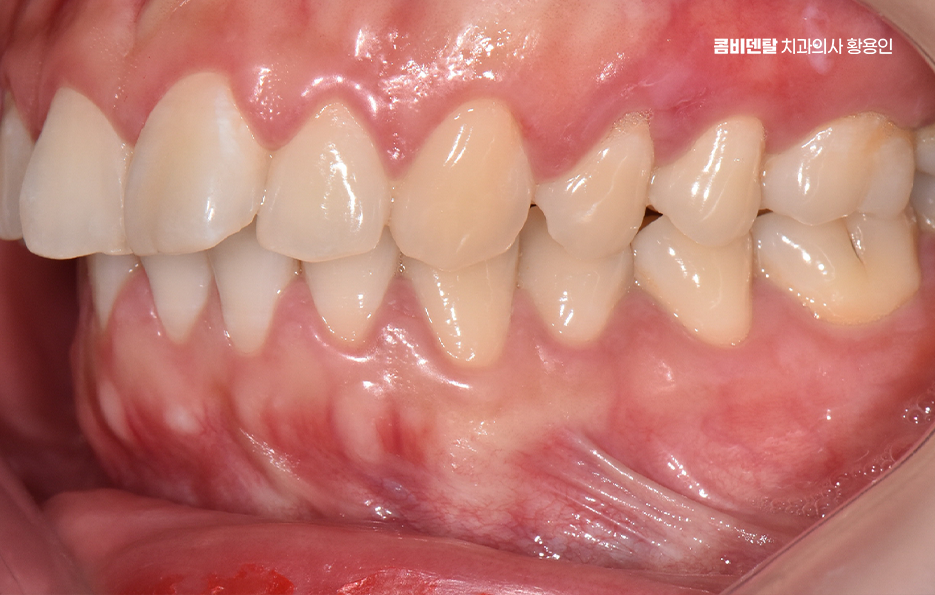
So protruding mouth correction means more than simply aligning the teeth evenly. It is a treatment process that can affect not only the position of the teeth, but also the facial contour, lip protrusion, and even the depth of the nasolabial folds in protruding mouth correction.
First, protruding mouth does not always mean only the teeth are protruding; in some cases, the jawbone itself is protruding forward as a skeletal issue. If it is only dental protrusion, it can be improved relatively simply with orthodontics alone, but if the skeletal protrusion is severe, orthodontics alone has limits and surgical orthodontics may need to be combined.
However, in most cases, it can be improved sufficiently with extraction orthodontics alone. When protruding mouth is present, the lips do not close naturally, unnecessary tension enters the chin area, and the expression can easily look awkward. This imbalance can be eased by adjusting tooth position.
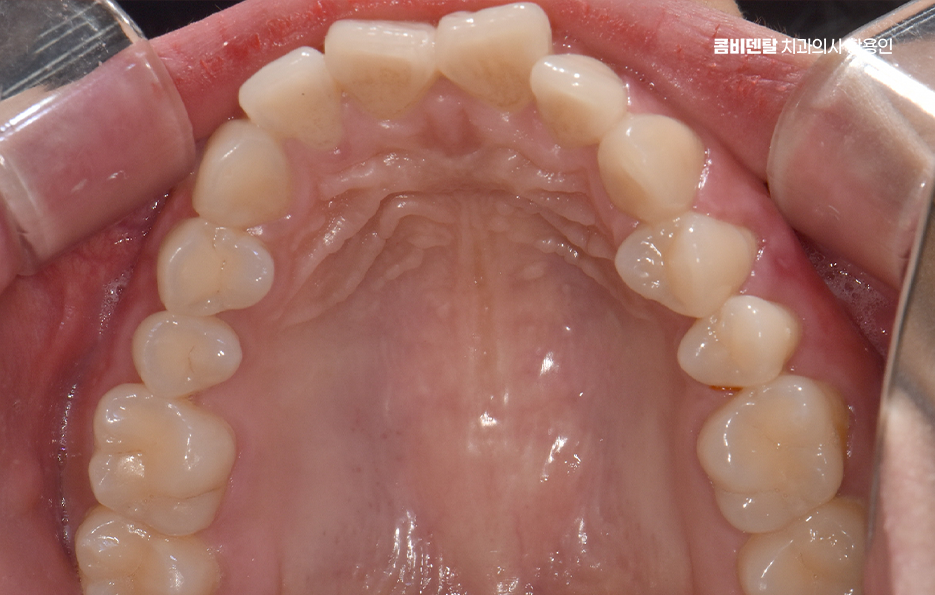
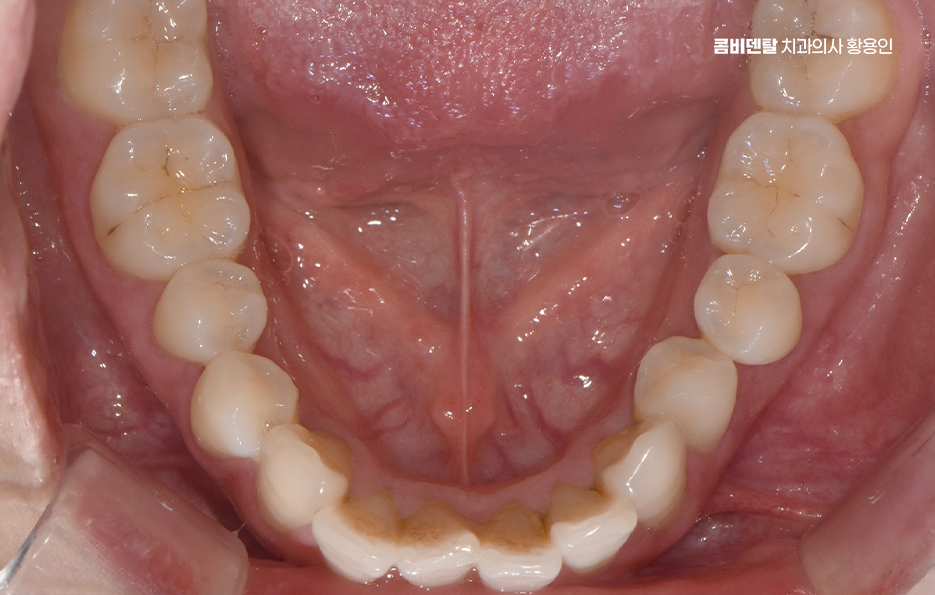
Protruding mouth correction and nasolabial folds change depending on how the teeth are moved. In general, protruding mouth correction is carried out by extracting four premolars, then pushing the front teeth backward and rearranging the dental arch. As the front teeth move back, the lips naturally move inward, the degree of lip protrusion decreases, and the face can become softer and more balanced overall.
In profile, the mouth looks less prominent and the jawline becomes clearer, and this comes from the same principle. Not only the alignment of the teeth themselves, but also the balance of the lips and chin muscles is adjusted, which makes the facial impression softer and more stable.
A common question about protruding mouth correction and nasolabial folds is how the folds change. In people with a protruding mouth, the muscles around the mouth are often under constant tension, so the nasolabial folds can appear more prominent. Because the lips protrude forward, the lines running from under the nose to the corners of the mouth can look deeper, and the expression may appear stiff.
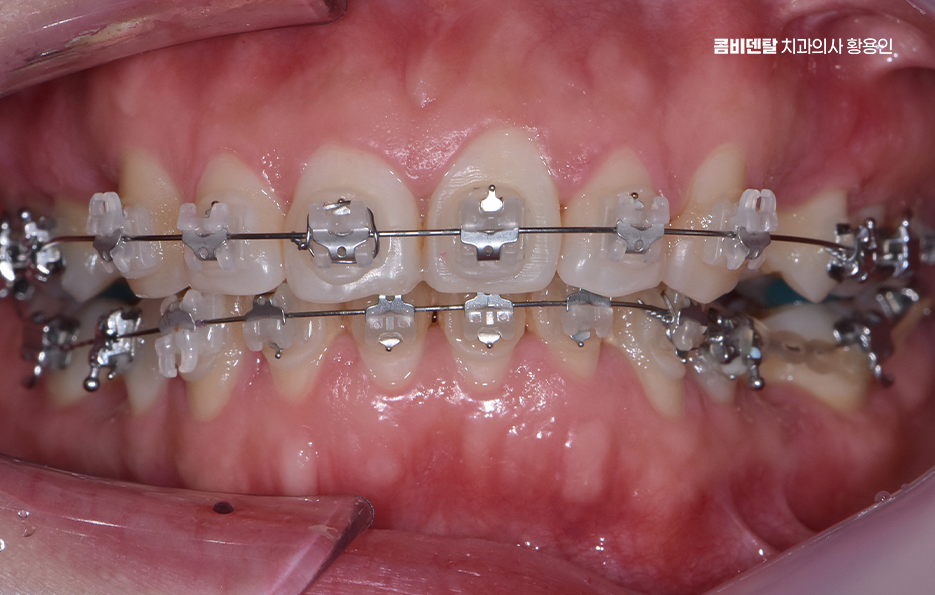
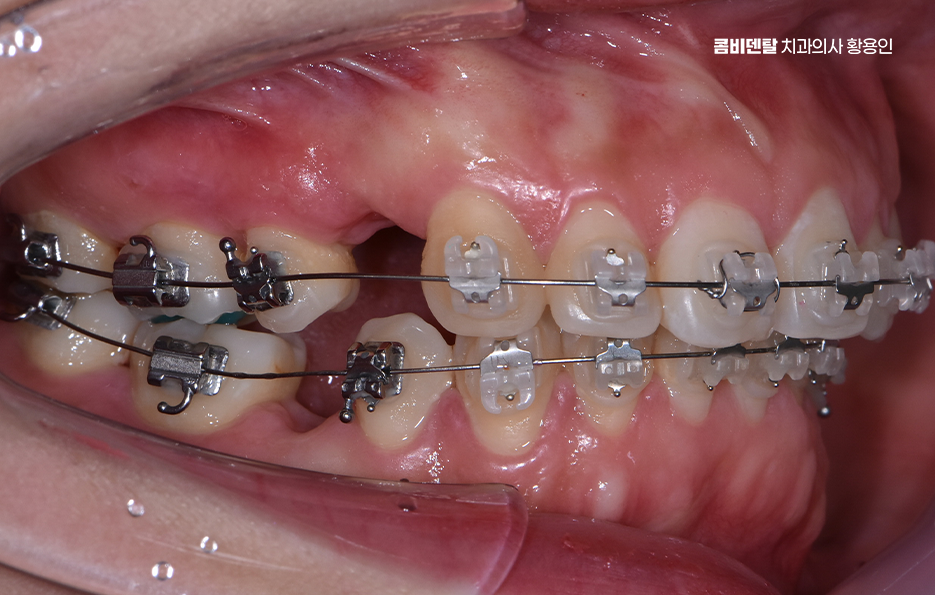
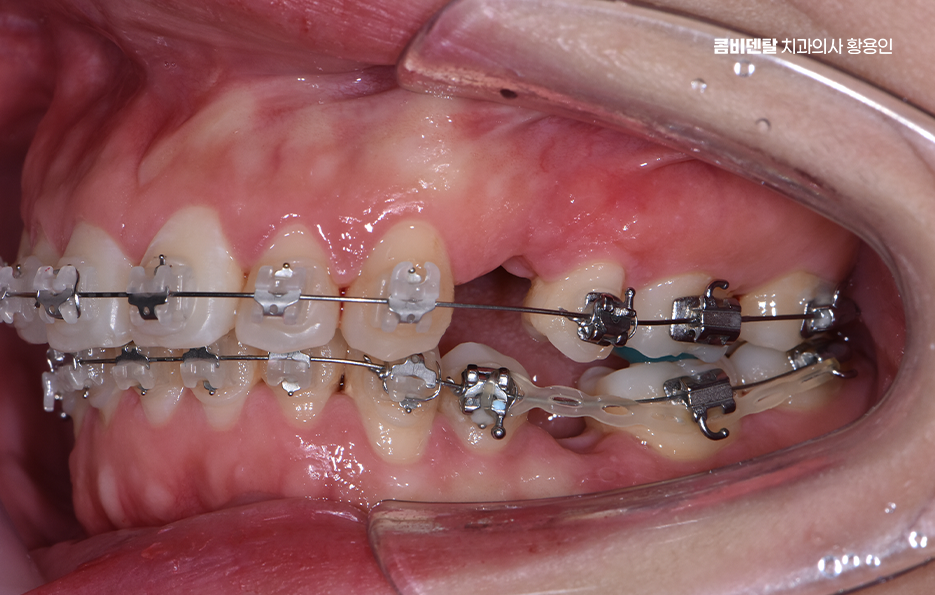
But when the lips are brought inward as the teeth are moved back, tension around the mouth also decreases, and the nasolabial folds naturally become less noticeable. Of course, this is not as dramatic as a procedure that removes wrinkles themselves, but as the protrusion decreases, the nasolabial folds look less pronounced and the facial three-dimensionality improves, which is clearly a visible change.
That said, extraction is not always necessary. Depending on the case, protruding mouth can sometimes be improved without extraction. For example, if the degree of protrusion is mild or there is enough space in the overall dentition, the front teeth can be moved back to a certain extent with non-extraction orthodontics. However, in most protruding mouth corrections, extraction needs to be involved for proper lip line and facial changes to be achieved, because in orthodontics, extraction is not simply about removing teeth; it is an important means of securing space for the teeth to move.
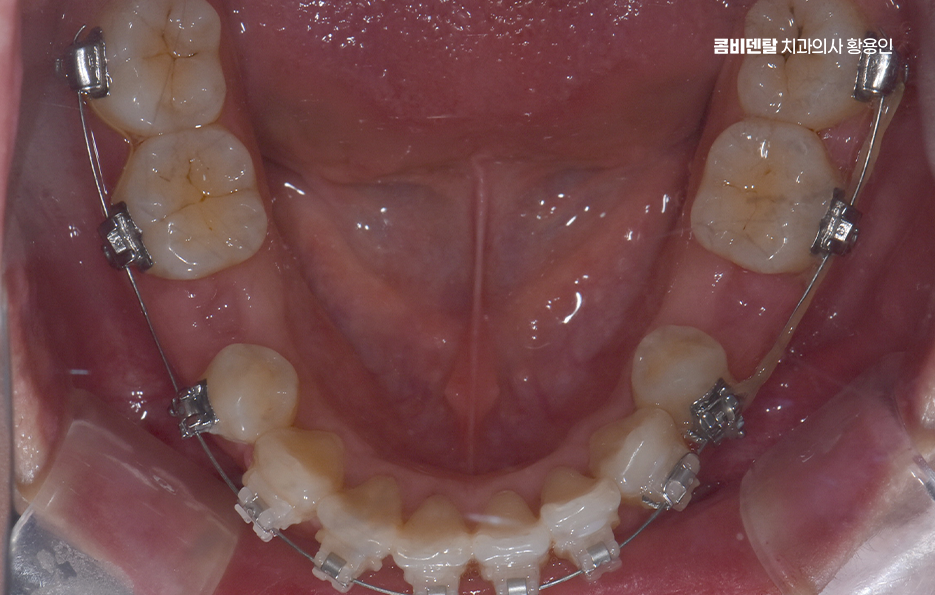
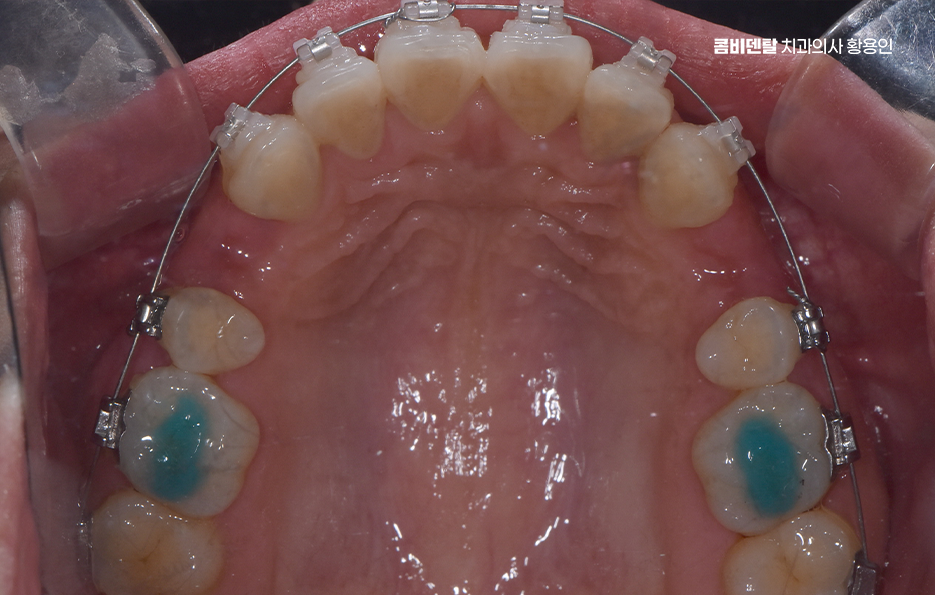
There is also something to keep in mind: because the facial changes expected through protruding mouth correction and nasolabial fold improvement vary from person to person, it is necessary to have a precise examination of each individual’s skeletal structure and face shape, and to establish a 1:1 customized treatment plan after 충분히 discussing the case with an experienced orthodontic specialist. Based on accurate predictions, treatment goals should be set realistically, and the entire process, from treatment to retention and maintenance, should be considered comprehensively.
To sum up, protruding mouth correction is a treatment that changes facial impression beyond a simple tooth issue. Whether extraction is needed, the correction method, and the treatment period all depend on the individual’s dental condition, but the key point is that it is a process of rearranging the center of the face by adjusting tooth position. As lip protrusion decreases, the face can look more refined, and visual effects such as nasolabial folds appearing less prominent can also be expected, but how much and in what way this applies to you should be confirmed through an accurate examination.




 Previous image
Next image
Previous image
Next image



 Previous image
Next image
Previous image
Next image





 Previous image
Next image
Previous image
Next image



 Previous image
Next image
Previous image
Next image